English
  中文简体
中文简体 русский
 Español
 عربى
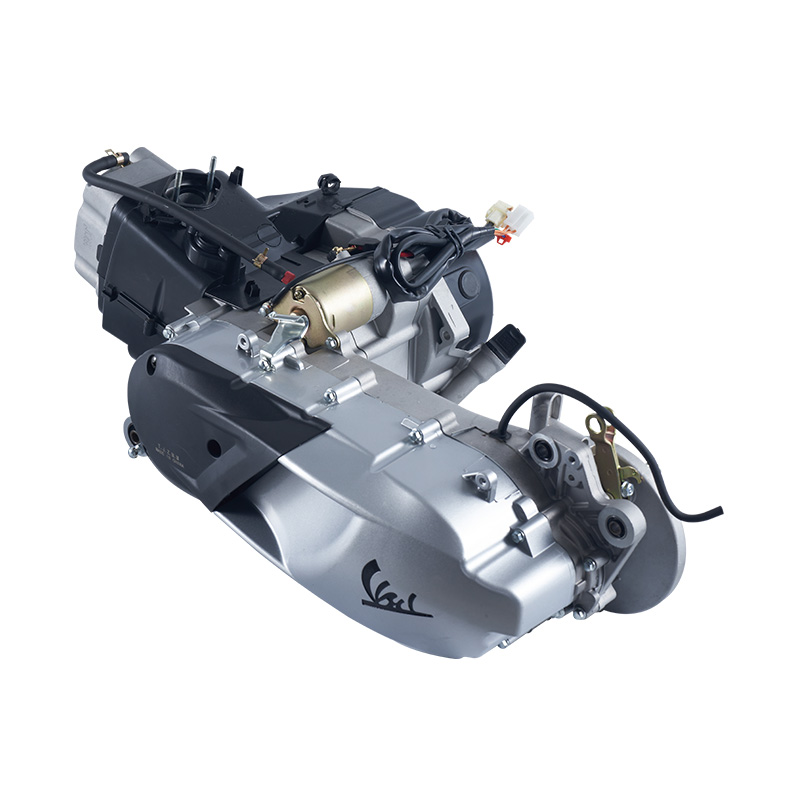
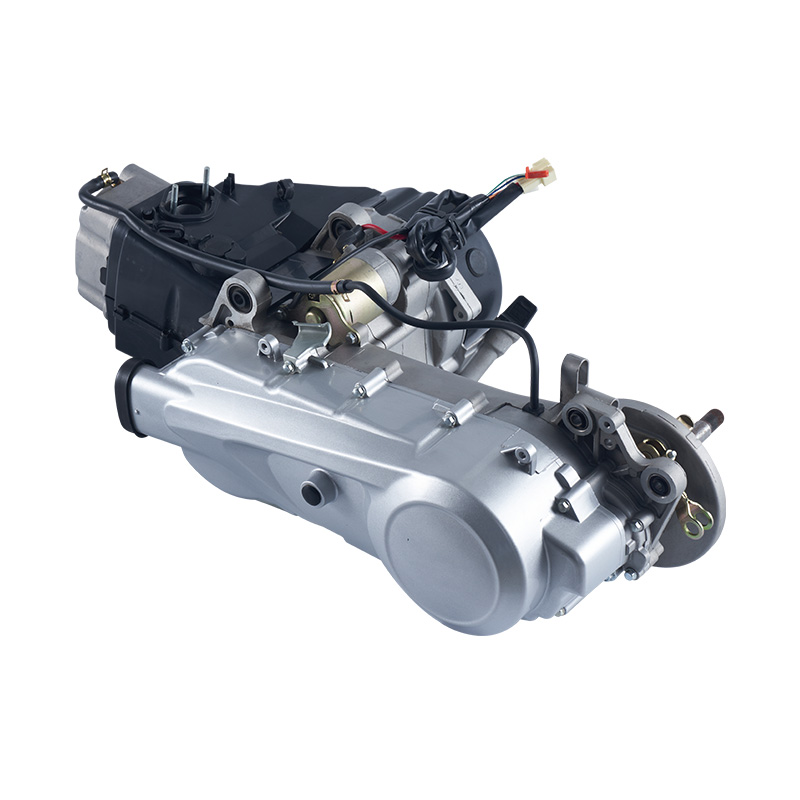
عربىNVX 4th 150cc Liquid-Cooled Electronic Fuel Injection High-Performance Scooter Motorcycle
The 4th Generation NVX 150cc, a high-performance liquid-cooled fuel-injected scooter motorcycle has been meticulous...
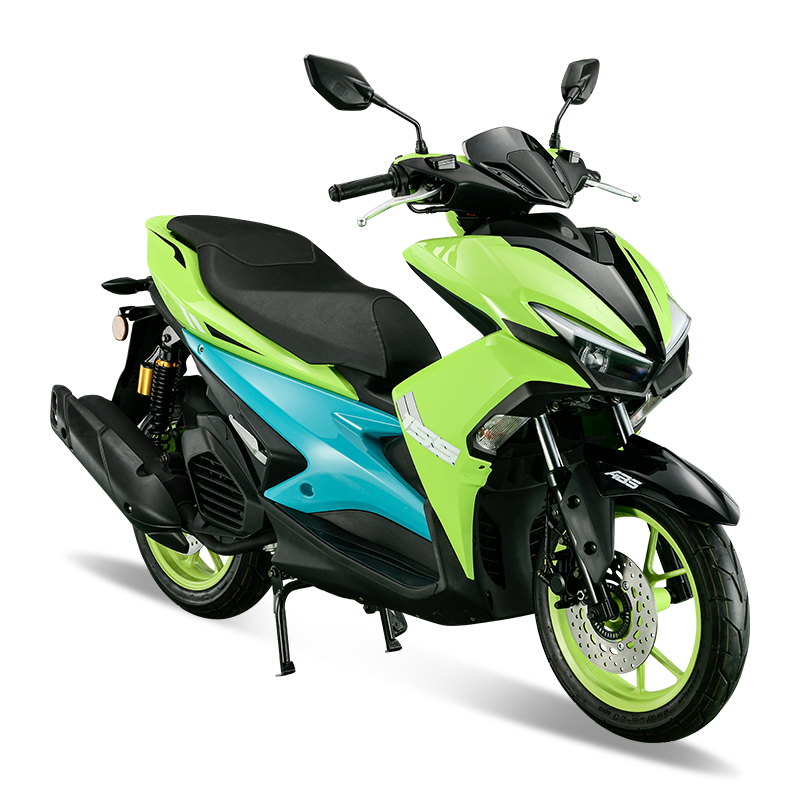
Choosing a scooter by displacement sounds simple until you are actually standing in front of the options. The numbers mean something, but what they mean in practice depends heavily on where you ride, how far, and what you expect the machine to do. A Lightweight Scooter Motorcycle that feels responsive and nimble on urban streets may feel underpowered the moment a hill or a highway on-ramp enters the picture. And that tension, between convenience and capability, is exactly what makes the 50cc vs 125cc vs 150cc comparison worth understanding properly. A Gas Scooter Motorcycle sits at the center of that decision for a wide range of riders and buyers, and displacement is the variable that shapes almost everything else.
People often reduce displacement to a speed question, but that framing misses a lot. Displacement, measured in cubic centimeters, describes the total volume swept by the engine's pistons during one full cycle. Larger displacement generally means more air and fuel can enter the combustion chamber, which produces more force per cycle.
That force translates into several real-world characteristics:
Speed is one output, but torque, thermal load, and fuel efficiency are equally shaped by displacement. Understanding that helps explain why a 125cc engine and a 150cc engine can feel quite different in city traffic even when their top speeds are not far apart.
This is something that often goes undiscussed. A lighter rider on a 50cc scooter and a heavier rider on the same machine will have noticeably different experiences. The engine is working against the combined weight of rider and vehicle on every incline and acceleration event.
A 50cc engine with a heavier rider may struggle to maintain comfortable cruising speed on anything other than flat urban roads. A 125cc engine handles a wider range of rider weights without the same strain. A 150cc unit has more headroom again. For buyers sourcing scooters for a market where average rider weight is higher, this consideration alone can shift the appropriate displacement recommendation.
The 50cc displacement occupies a specific and well-defined niche. It was designed for low-speed, short-distance urban riding where traffic density is high, parking is tight, and fuel economy matters more than outright performance.
In the right context, it works effectively:
The maneuverability of a compact 50cc scooter is genuinely useful in congested environments. The turning radius is tight, the weight is low, and the controls require minimal physical effort. For new riders or those returning to two-wheeled transport after a long break, that accessibility has real value.
Frankly, they become apparent quickly outside urban contexts. On roads with higher speed limits, a 50cc engine is working close to its capacity just to maintain traffic flow. Hills slow it noticeably. Carrying a passenger or additional load amplifies both of those issues.
Fuel economy is genuinely good at low speeds, but that advantage diminishes if the engine is frequently pushed near its output ceiling. Long-term reliability also tends to suffer when a small engine is consistently operated at or near full throttle, which happens whenever the riding environment demands more than the displacement comfortably provides.
The 125cc displacement has become the reference point for urban and suburban commuting across a remarkable range of markets. There are practical regulatory reasons for this: in many countries, 125cc is the threshold at which a full motorcycle license becomes required, making it a natural target for manufacturers designing accessible commuter vehicles.
But regulatory convenience aside, the displacement genuinely suits the way most people ride. A Scooter Motorcycle 125cc delivers acceleration that feels responsive in city traffic, cruises comfortably at speeds appropriate for most urban and suburban roads, and handles light inclines without the engine laboring noticeably.
Key characteristics that make it widely suitable:
The 125cc also tends to have a longer service life under typical commuter use because the engine is not being pushed to its limits in normal operation. There is headroom.
This depends on the specific highway and the local definition of highway speeds. At moderate highway speeds on roads that allow scooters, a 125cc engine manages adequately, though it will be working harder than on city streets. Sustained high-speed riding for extended periods is not where a 125cc shines, and in markets with higher minimum highway speeds, it may fall short of what is legally or practically required.
For the overwhelming majority of riders whose routes involve urban streets, suburban connectors, and occasional short highway segments, 125cc covers the terrain without issue.
The gap between 125cc and 150cc is smaller than the numbers might suggest, but it matters in specific situations. A 150cc engine produces noticeably more torque at lower revs, which translates to stronger initial acceleration and better performance on inclines. It also handles higher loads more comfortably, whether that means a heavier rider, a passenger, or cargo.
For riders whose commutes involve longer distances, suburban or semi-rural roads, or regular encounters with hills, the 150cc displacement removes a level of uncertainty that a 125cc occasionally introduces. The engine is not working as hard to maintain pace, which tends to support durability over time under demanding conditions.
Practical advantages of 150cc over 125cc:
Not automatically. A 150cc scooter typically costs more to purchase and may cost more to insure and register in markets where fees scale with displacement. Fuel consumption is also modestly higher, though the difference is not dramatic in normal riding conditions.
The value calculation depends on what the buyer actually needs. For someone riding short flat urban routes, the additional capability of a 150cc engine rarely gets used and represents unnecessary cost. For someone covering longer distances or navigating hillier terrain regularly, that capability is genuinely useful and the modest extra cost is justified.
Fuel economy is often cited as a reason to choose smaller displacement, and there is truth in that position, but the relationship is more nuanced than it appears.
A 50cc scooter uses less fuel per kilometer when ridden at low speeds on flat terrain. Put the same engine under load, riding on hills or carrying weight, and fuel consumption climbs disproportionately because the engine is operating near capacity.
A 125cc scooter uses somewhat more fuel in absolute terms but operates well within its capacity under most normal riding conditions. The engine is not straining, which means combustion efficiency is relatively consistent.
A 150cc scooter sits similarly. In normal use, fuel consumption is modestly higher than 125cc but not dramatically so. On routes where the 125cc would be working hard, the 150cc often returns comparable economy because it handles the same demand more easily.
The honest answer: for pure fuel economy on short flat urban routes, 50cc holds an advantage. For mixed routes with varied conditions, 125cc and 150cc often perform similarly in practice, with the 150cc offering that performance on a wider range of terrain.
Buyers evaluating different displacement options across a set of practical criteria will find the differences concentrate in a few specific areas rather than being evenly distributed across all performance dimensions.
| Criteria | 50cc | 125cc | 150cc |
|---|---|---|---|
| Urban acceleration | Adequate | Responsive | Strong |
| Hill performance under load | Limited | Adequate | Comfortable |
| Sustained cruising | Low speed only | City and suburban | City, suburban, light highway |
| Fuel economy (flat urban) | High | Good | Moderate |
| Rider weight tolerance | Low | Medium | Higher |
| Passenger carrying | Not recommended | Possible | More suitable |
| Maintenance interval stress | High if pushed hard | Moderate | Lower under normal use |
| Purchase cost | Lower | Moderate | Higher |
The pattern is clear: displacement choice is primarily a question of use case rather than a universal ranking. Each configuration serves a different set of needs well.
It is worth addressing because the category is growing. A Hybrid Scooter Motorcycle pairs a combustion engine with an electric assist system, and the displacement of the combustion component becomes less of a limiting factor when electric torque is available to supplement it.
In practical terms, a hybrid system can give a smaller displacement engine performance characteristics closer to a larger one during acceleration, while maintaining better fuel economy during steady cruising. For urban markets where emissions standards and fuel costs are significant buyer concerns, this combination addresses both without requiring a full transition to electric-only operation.
Hybrid scooters remain a smaller segment of the overall market but represent a direction that importers and distributors sourcing for forward-looking markets should be aware of.
Riders rarely fall into a single category, but their primary use case usually points clearly toward one displacement range.
Urban daily commuter, short flat routes:
Mixed urban and suburban commuter:
Longer distance or varied terrain rider:
For a Scooter Motorcycle Producer or importer evaluating which displacement to stock or source, understanding the primary riding conditions in the target market is the practical starting point. Urban-dense markets lean toward 50cc and 125cc. Markets with more varied terrain or longer average commute distances lean toward 125cc and 150cc.
The purchase price is only part of the cost equation. Running costs across the ownership period vary with displacement in ways that buyers and distributors should factor into sourcing decisions.
A 50cc engine running consistently near its output ceiling accumulates wear faster than one operating with headroom. Piston rings, valves, and transmission components all experience higher stress under sustained near-capacity operation. Maintenance intervals become shorter, and component replacement happens earlier.
A 125cc engine in normal commuter use operates with significant headroom. The rate of wear is lower, intervals between services can be longer, and the components subjected to the most stress are working well within their design parameters. This translates to lower cumulative maintenance costs over a comparable mileage.
A 150cc scooter under similar conditions behaves similarly, with the added benefit that riding scenarios that would stress a 125cc engine fall comfortably within normal operating range for the 150cc unit.
For buyers evaluating total cost of ownership rather than purchase price alone, displacement choice affects the full lifecycle cost in ways that favor matching the engine to the actual use case rather than defaulting to the smallest or cheapest option.
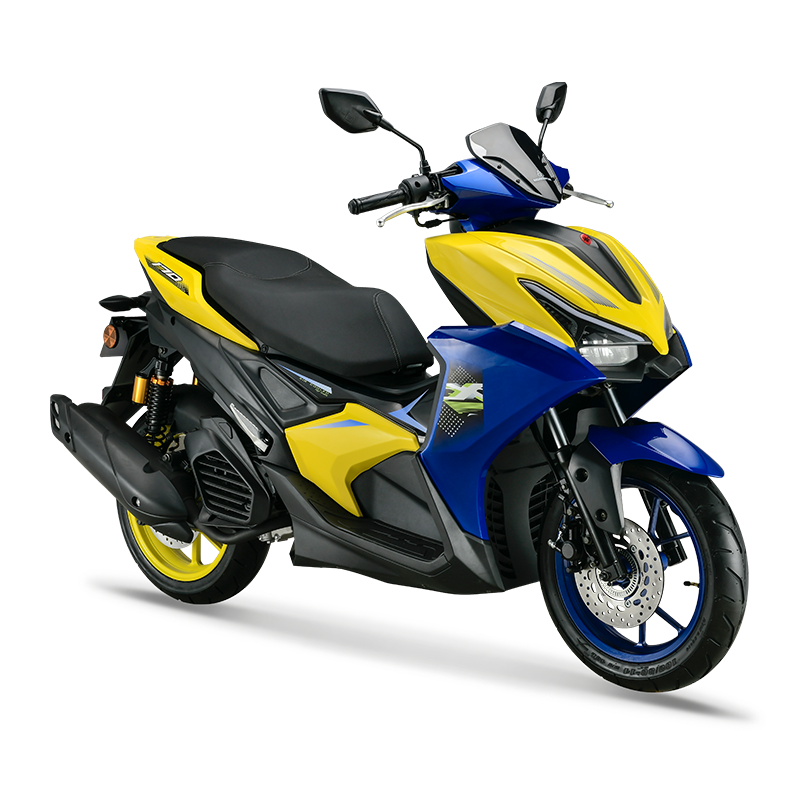
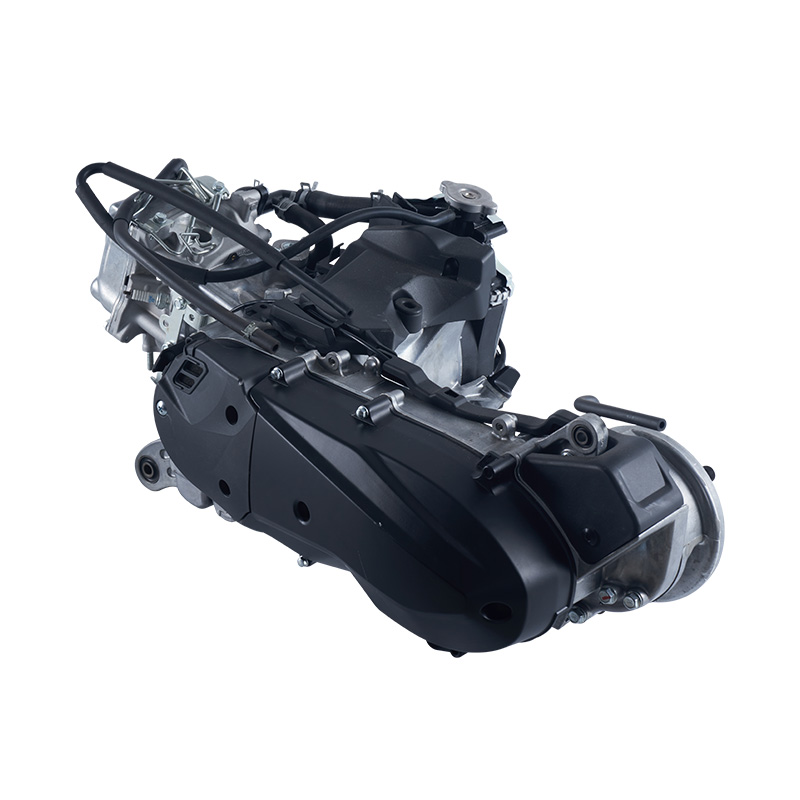
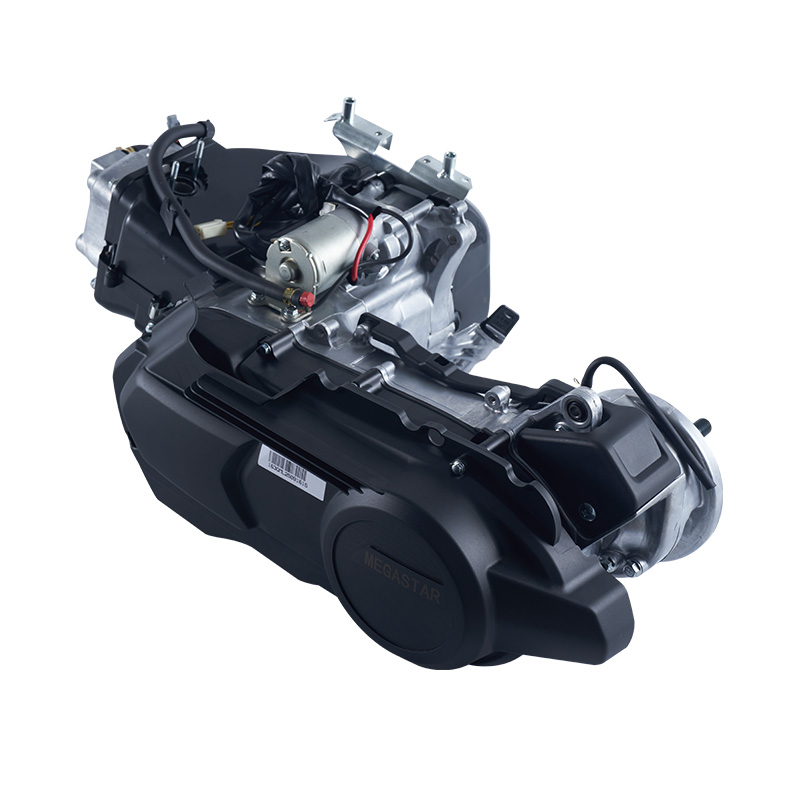
Sourcing decisions in this category come down to more than displacement specification. Frame quality, engine sourcing, quality control consistency, and after-sales parts availability all affect how a product performs in market over time. Taizhou Jiaojiang Zhiwei Motorbike Manufacture Co., Ltd. produces Gas Scooter Motorcycles across multiple displacement configurations, with options covering the 50cc, 125cc, and 150cc segments for different market requirements. For importers, distributors, or buyers evaluating which displacement range fits their target market, their team can discuss product specifications, available configurations, and supply terms based on specific volume and destination requirements. If you are working through a sourcing decision and want to align displacement choice with market conditions and buyer profiles, reaching out with your project details is a practical way to move the conversation forward.
E-mail: [email protected]
Tel: +86-13806579227/+86-576-88011088
ADD: Hongjiachaiyang Industrial Zone, Jiaojiang District, Taizhou City, Zhejiang Province, China
China Scooter Motorcycle Manufacturer & Factory