English
  中文简体
中文简体 русский
 Español
 عربى
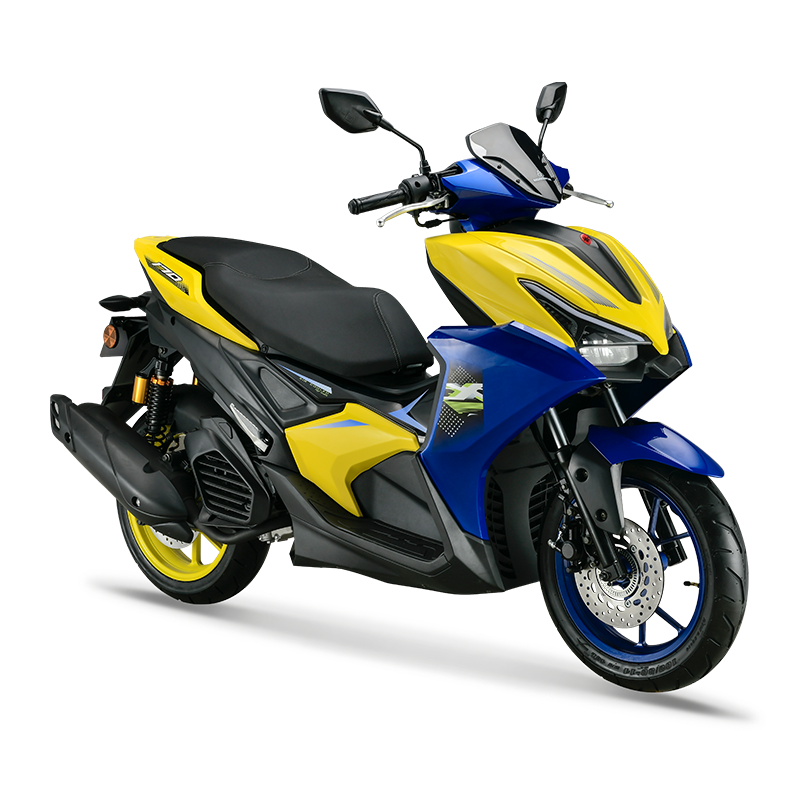
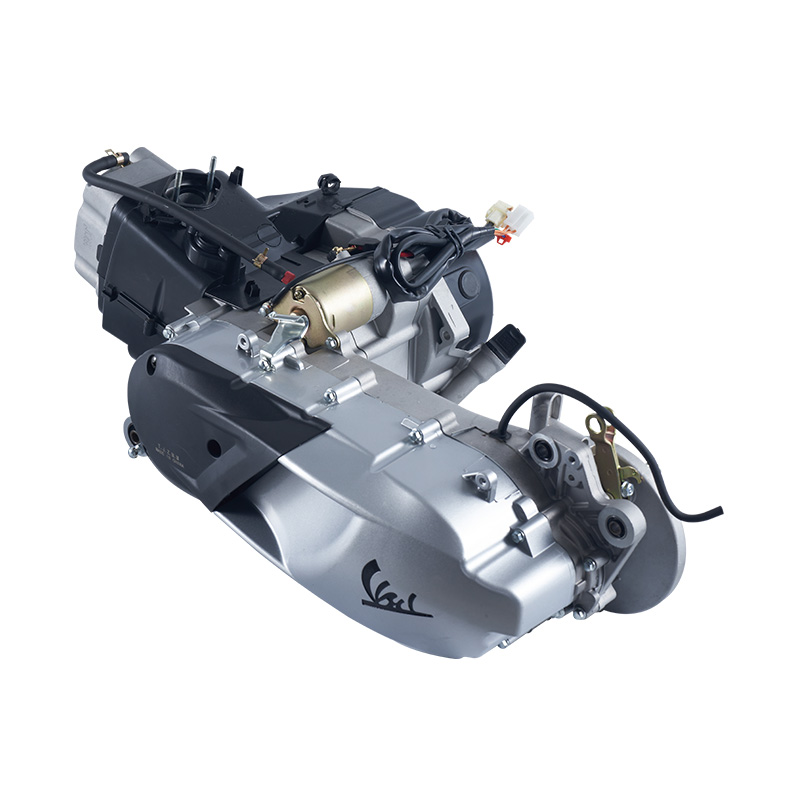
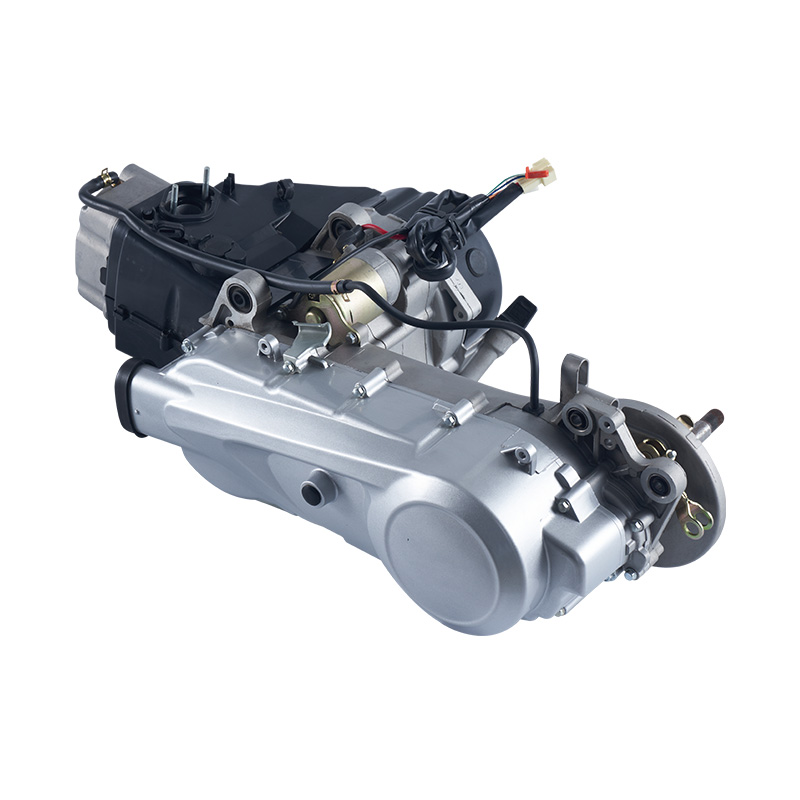
عربىNVX 4th 150cc Liquid-Cooled Electronic Fuel Injection High-Performance Scooter Motorcycle
The 4th Generation NVX 150cc, a high-performance liquid-cooled fuel-injected scooter motorcycle has been meticulous...
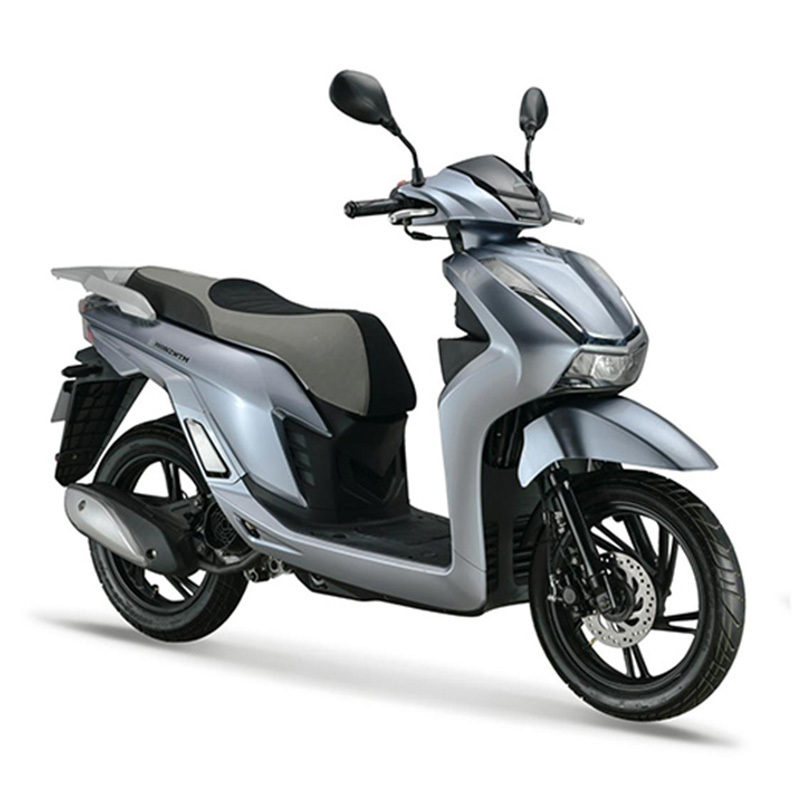
Scooters and mopeds belong to the group of lightweight motorized vehicles that appear frequently in daily transportation. Both serve short trips around towns and cities, yet the two names are often used as if they mean the same thing. Confusion arises because designs have overlapped over time and because local rules apply different labels to similar-looking machines. The main distinctions lie in frame style, seating and foot placement, overall performance character, typical uses, and the way regulations classify each type.
A scooter usually presents a step-through frame that leaves an open space between the handlebars and the seat. A flat floorboard gives the feet a place to rest side by side. The seating position tends toward an upright posture that feels relaxed for shorter rides. Power delivery and the way the transmission operates vary across models, yet many are arranged for simple operation without constant gear changes.
These traits suit commuting to nearby destinations, quick shopping trips, and other short-distance movement. The combination of easy mounting, stable foot placement, and straightforward controls attracts riders who value convenience and low effort in everyday use.
The term moped once pointed to a bicycle-like machine with a small motor that could also be pedaled. Designs have shifted over the years, and many current examples no longer include pedals. What remains is a generally lightweight build and relatively simple controls. The overall appearance can range from bicycle-derived shapes to forms that look closer to small motorcycles.
Typical use centers on short local trips and modest commuting distances. Legal definitions, however, are not uniform. Different countries and regions set their own criteria for what counts as a moped, so the same machine may fall into different categories depending on location.
Frame design marks one clear contrast. Scooters favor the open step-through layout and flat floorboard, while many mopeds place the feet on either side of a narrower central structure. Seating height and posture also differ, with scooters often promoting a more upright and relaxed position.
Performance character varies across individual models in both categories. Power delivery, the feel of acceleration, and the practical speed range depend more on the specific machine than on the label alone. Handling ease and suitability for less experienced riders likewise depend on weight distribution, control layout, and overall balance rather than on the name.
Everyday applications overlap a great deal. Both types handle commuting, errands, and other short journeys. The choice often comes down to personal preference for seating style and the amount of storage space the particular design offers.
Legal treatment can diverge. Registration rules, licensing requirements, and restrictions on where the vehicle may be ridden are set by local authorities and may treat scooters and mopeds differently even when the machines look similar.
| Comparison Area | Scooter Tendencies | Moped Tendencies |
|---|---|---|
| Frame and foot placement | Step-through design with flat floorboard | Often narrower central structure, feet on sides |
| Seating posture | Upright and relaxed | Varies, sometimes more forward-leaning |
| Everyday convenience | Easy mounting and stable foot position | Lightweight and simple controls |
| Typical journeys | Commuting, shopping, short local trips | Short commutes and nearby travel |
| Regulatory treatment | Depends on local classification rules | Often defined by specific regional criteria |
Scooter describes a body style built around the step-through frame and floorboard. Moped more often functions as a regulatory or historical category. The two labels are therefore not always exclusive. A vehicle that looks like a scooter may meet the legal definition of a moped in one region if its power characteristics, maximum capability, and certification match the local rules. In another region the same machine may be classified differently. Engine details, certified speed limits, official documentation, and the specific wording of local law all influence the final category.
Travel distance and the nature of the roads matter. Shorter routes on moderate surfaces suit either type, while longer or more varied routes may favor one seating style or storage arrangement over the other. Comfort during the ride, available space for carrying items, ongoing energy or fuel expense, and the frequency of maintenance all enter the comparison. Prior riding experience and the exact requirements of local regulations further shape the practical choice. Relying solely on the product name proves less useful than examining the actual specifications of the individual vehicle.
Vehicle specifications and the intended pattern of use form the starting point. Local rules on licensing, registration, insurance, and protective equipment need careful checking because they can differ even between neighboring areas. Access to routine maintenance, the pattern of operating costs, and the comfort of the seating and controls for the expected ride lengths also deserve attention. Matching the machine to both the transportation needs and the applicable road regulations produces a more reliable outcome than choosing by name alone.
Scooters and mopeds differ most clearly in frame layout, foot placement, seating posture, and the regulatory categories they may occupy. Performance character, ease of daily use, and suitability for short trips overlap more than the names sometimes suggest. Design details, real-world performance traits, intended journey patterns, and local legal classification remain the essential points of comparison. Checking the concrete specifications of any given vehicle together with the rules that apply in the place of use supports a clearer decision.
Taizhou Jiaojiang Zhiwei Motorbike Manufacture Co., Ltd. produces practical lightweight motorized vehicles and remains available for further product inquiries.
E-mail: [email protected]
Tel: +86-13806579227/+86-576-88011088
ADD: Hongjiachaiyang Industrial Zone, Jiaojiang District, Taizhou City, Zhejiang Province, China
China Scooter Motorcycle Manufacturer & Factory