English
  中文简体
中文简体 русский
 Español
 عربى
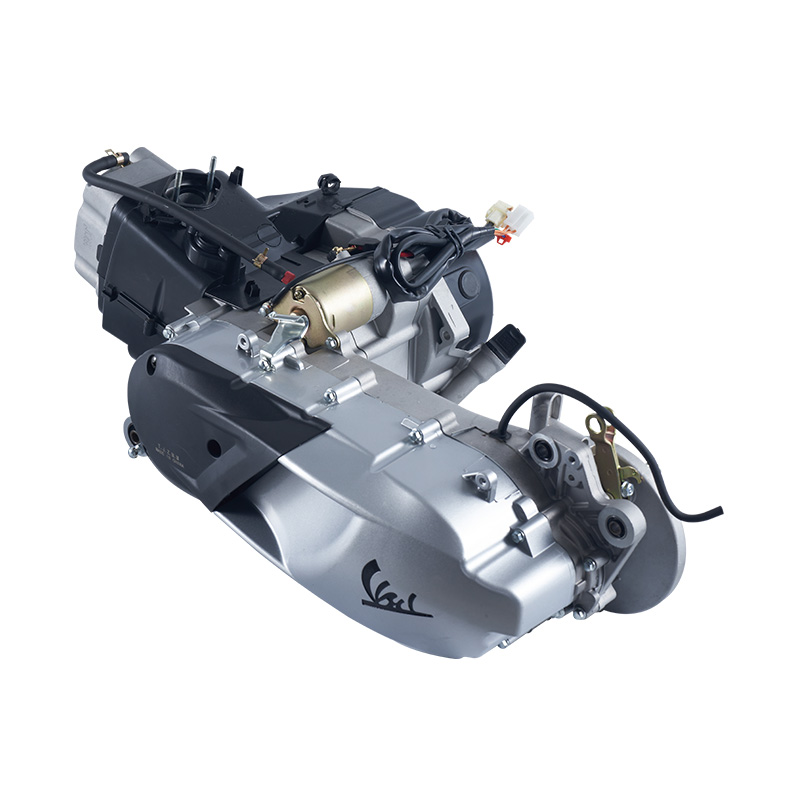
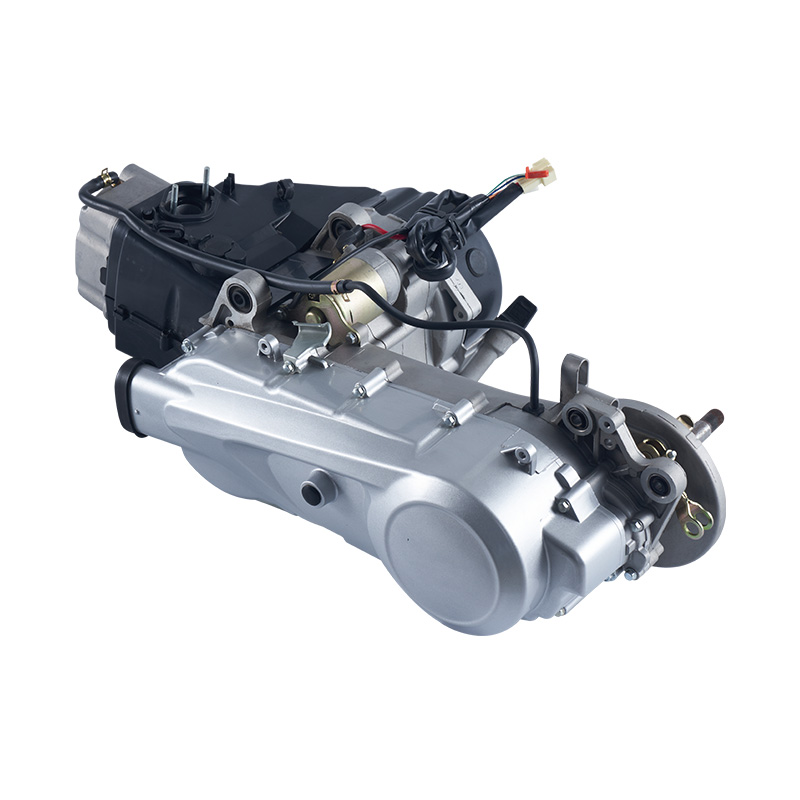
عربىNVX 4th 150cc Liquid-Cooled Electronic Fuel Injection High-Performance Scooter Motorcycle
The 4th Generation NVX 150cc, a high-performance liquid-cooled fuel-injected scooter motorcycle has been meticulous...
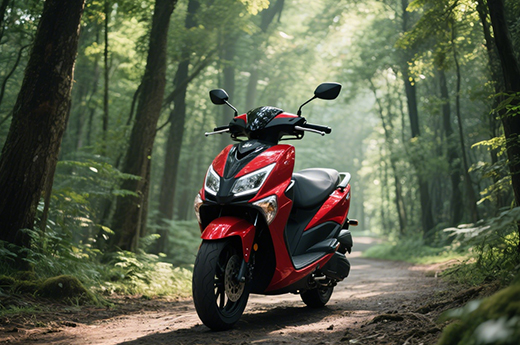
Scooters today come in many forms, each one tuned for a certain purpose. Riders often wonder whether a single model can work as a Touring Scooter Motorcycle, a Commuter Scooter Motorcycle, and an Adventure Scooter Motorcycle at the same time. These three categories may sound similar, but their needs are surprisingly different. Still, many riders hope for one machine that covers everyday trips, long-distance travel, and the occasional off-road weekend.
This article looks into the strengths and drawbacks of each category, then considers where they overlap—and where a multi-role scooter truly makes sense.
Scooters differ not only in style but also in structure. Understanding the basic traits of each type helps reveal whether one machine can realistically take on all three roles.
Below is a simple comparison:
| Category | Key Purpose |
Typical Features |
| Touring Scooter Motorcycle | Longer trips, comfort over hours |
Wide seats, steady suspension, room for luggage |
| Commuter Scooter Motorcycle | City use, short to mid-distance travel |
Quick handling, fuel efficiency, light weight |
| Adventure Scooter Motorcycle | Mixed terrain, gravel roads |
Rugged frame, taller suspension, traction-oriented tires |
Each category reflects a different priority, but there are places where they overlap—especially in mid-size scooters built with versatility in mind.
A Touring Scooter Motorcycle focuses on comfort. Long rides demand stable performance, room for storage, and relaxed ergonomics. Riders appreciate smooth power delivery, a windscreen that reduces fatigue, and a chassis that feels calm on highways. Even though it is comfort-oriented, some models remain surprisingly capable in city traffic.
However, turning a Touring Scooter Motorcycle into a daily urban tool can feel like using a travel suitcase for grocery runs. It works, but it may be bulky for tight parking. Some riders still prefer it because the upright seating and steady acceleration feel reassuring during commutes.
When used off pavement, a Touring Scooter Motorcycle may fall short. The suspension often aims for paved roads, and the bodywork usually isn't built to take bumps. Riders can push gently onto gravel paths, but frequent rough-road use may cause stress on components.
The Commuter Scooter Motorcycle excels in lanes, traffic jams, and downtown turns. Light steering and quick reactions make it comfortable for new riders and busy professionals. Storage for a helmet or backpack helps, and its powerband is suited for low-to-mid-speed riding.
Riders who want to use a Commuter Scooter Motorcycle for touring can do so, but there are limits. The seat may feel narrow after a few hours, and highway stability sometimes reduces confidence. Still, for riders who prefer relaxed pacing on scenic routes, it remains practical.
Off-road riding on a Commuter Scooter Motorcycle is the biggest challenge. Tires, suspension, and ground clearance rarely match unpaved environments. Although a rider can navigate well-maintained dirt roads, more demanding surfaces can test both the scooter and the rider's endurance.
The Adventure Scooter Motorcycle has gained attention in recent years. Its main attraction is the ability to handle rougher terrain without giving up the convenience of a scooter. With reinforced frames, taller suspension, and multi-surface tires, it feels at home on gravel and forest paths.
Using an Adventure Scooter Motorcycle for commuting works surprisingly well. Riders often enjoy the upright posture and the ease of visibility in traffic. It may be slightly taller than a typical city scooter, but it handles regular streets with little trouble.
On long trips, an Adventure Scooter Motorcycle performs respectably. Some models include windscreens and luggage options similar to touring designs. However, its off-road-friendly components sometimes trade a bit of smoothness on highways, which riders may notice during all-day travel.
It depends on what the rider values most. A single machine can come close to covering all three categories as long as expectations stay reasonable.
1. Overlap in Capabilities
A mid-size scooter can blend traits of a Touring Scooter Motorcycle, a Commuter Scooter Motorcycle, and an Adventure Scooter Motorcycle. Riders who split their time between city travel, weekend trips, and mild off-pavement riding will find such scooters appealing.
2. Acceptable Trade-Offs
No machine can excel at all roles.
3. Rider Experience Matters
Some riders adapt quickly and enjoy making one scooter handle every task. Others prefer two machines—one for weekdays and one for longer journeys or dirt conditions.
4. Add-Ons Can Help
Accessories such as luggage racks, comfort seats, adjustable windscreens, and semi-knobby tires can help tailor a multi-role approach. While these add-ons do not transform structure, they often increase comfort and confidence across different scenarios.
If a rider needs one scooter that manages commuting, travel, and occasional off-road use, the middle ground usually points toward a machine closest to an Adventure Scooter Motorcycle or a versatile touring-capable model. These scooters have enough suspension travel for rougher terrain and enough comfort features for longer rides, yet they remain manageable in city traffic.
Still, a machine designed for a single purpose—like a classic Commuter Scooter Motorcycle—will always feel more at home in daily stop-and-go situations. A long-distance rider may prefer the calm highway feel of a Touring Scooter Motorcycle, and someone who often explores gravel roads will trust the rugged nature of an Adventure Scooter Motorcycle.
A single scooter can serve all three roles, but the rider must accept compromises. Today's designs make it easier than ever to blend features, yet each category maintains traits that cater to different priorities. The goal is not to find a flawless machine but to choose the one whose strengths match the way you ride most often.
With clear expectations and perhaps a few accessories, one scooter can indeed carry you through daily commuting, weekend touring, and light adventure riding—bringing the convenience and fun of riding into nearly every environment.
Finding a scooter that covers touring, commuting, and light adventure riding is less about chasing one machine that checks every box and more about understanding your own habits. Many riders discover that their needs change through the year—sometimes leaning toward weekday practicality, sometimes craving a longer road trip, and sometimes wanting to explore a quiet gravel trail. A flexible scooter encourages that kind of freedom. As long as the rider stays aware of the machine's limits and appreciates what it can genuinely do, a single scooter becomes a practical companion across different riding styles and environments.
E-mail: [email protected]
Tel: +86-13806579227/+86-576-88011088
ADD: Hongjiachaiyang Industrial Zone, Jiaojiang District, Taizhou City, Zhejiang Province, China
China Scooter Motorcycle Manufacturer & Factory