English
  中文简体
中文简体 русский
 Español
 عربى
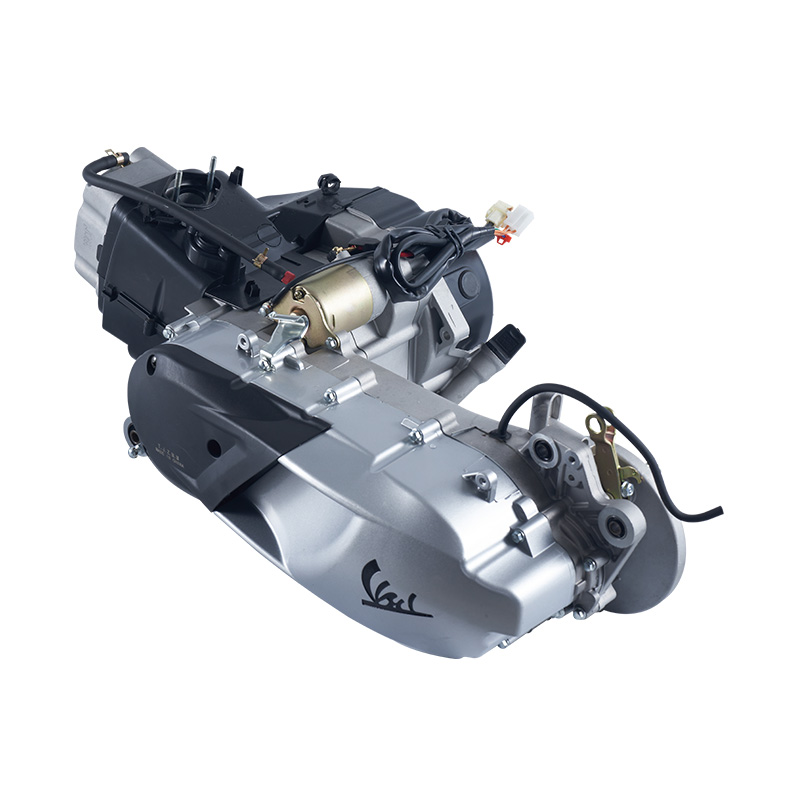
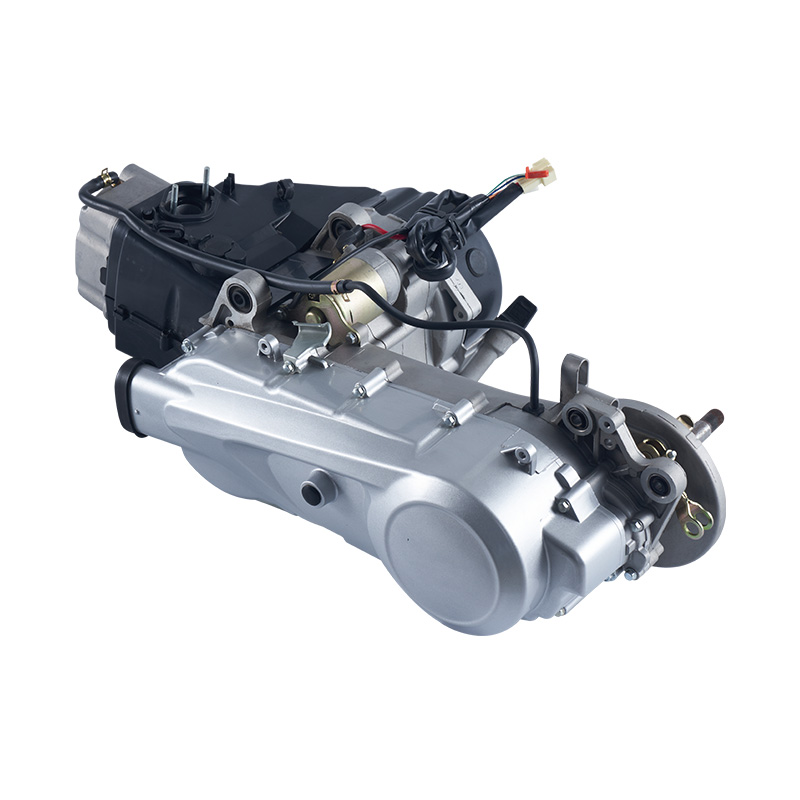
عربىNVX 4th 150cc Liquid-Cooled Electronic Fuel Injection High-Performance Scooter Motorcycle
The 4th Generation NVX 150cc, a high-performance liquid-cooled fuel-injected scooter motorcycle has been meticulous...
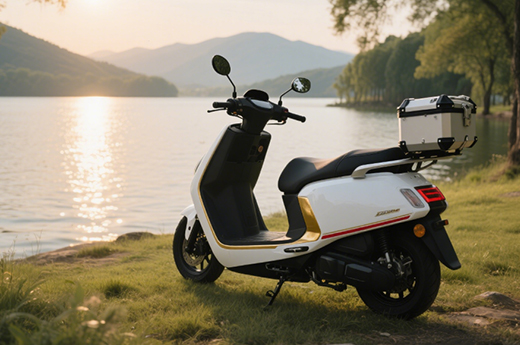
The scooter world is changing quickly, and riders now face more choices than ever. Traditional gas machines remain familiar, Electric Scooter Motorcycle options promise cleaner operation, and the Hybrid Scooter Motorcycle sits between the two as a bridge for riders who want convenience without giving up range or fuel access. At the same time, the dependable Automatic Scooter Motorcycle remains the foundation for daily transportation, offering ease of use for both new and experienced riders.
This article explores how hybrid technology helps riders navigate the shift between fuel-powered and electric mobility. With about 1100 words, it breaks down how these three scooter types interact, where each one fits, and why hybrid models may be the most comfortable step during this period of transition.
Before looking at the transitional role of hybrids, it helps to understand what each scooter type brings to the table.
| Scooter Type | Key Characteristics | Common Use Cases |
| Automatic Scooter Motorcycle | Twist-and-go operation, simple drivetrain | City riding, beginners, commuting |
| Hybrid Scooter Motorcycle | Mix of fuel engine and electric motor | Riders who want flexibility and efficient power |
| Electric Scooter Motorcycle | Battery-powered, quiet operation | Short trips, eco-focused riders, urban mobility |
This base comparison shows where hybrid scooters fit: between familiarity and emerging technologies.
The Automatic Scooter Motorcycle has long been the easiest form of two-wheeled transport. Its twist-and-go nature makes riding simple, especially in stop-and-go traffic. Many riders start with this format because it requires no clutch control and generally offers predictable acceleration.
A modern Automatic Scooter Motorcycle balances convenience with practicality. Riders who rely on scooters every day appreciate not needing advanced mechanical knowledge. The familiarity of this platform gives manufacturers a natural foundation when experimenting with hybrid or electric systems.
However, the traditional Automatic Scooter Motorcycle depends entirely on a fuel-powered engine. As fuel costs rise and environmental concerns grow, some riders look for alternatives. This is where hybrid and electric options begin to shape new expectations.
The Electric Scooter Motorcycle represents a shift toward quieter, cleaner mobility. Without an exhaust system and with fewer moving parts, electric scooters feel smooth and require less routine mechanical work. Many riders appreciate the instant acceleration response that electric motors offer.
Still, a pure Electric Scooter Motorcycle presents challenges. Charging infrastructure varies from city to city, and riders sometimes worry about range—especially when traveling beyond familiar neighborhoods. These limitations do not make electric scooters impractical; instead, they highlight the need for gradual adoption.
In dense urban areas, the Electric Scooter Motorcycle shines. Short daily trips fit naturally into the abilities of current battery technology. The scooter's quiet operation also improves the riding experience in crowded spaces.
A Hybrid Scooter Motorcycle blends an electric motor with a fuel engine, allowing riders to experience the benefits of both. In many designs, the electric motor assists during low-speed travel, while the engine takes over for longer or faster rides. This smooth pairing helps riders ease into electric power without abandoning the range reliability of fuel.
One major appeal of a Hybrid Scooter Motorcycle is familiarity. Riders who have used fuel scooters for years find the transition less dramatic because the machine still behaves in a way they recognize. Fuel stations remain accessible, and the electric motor simply adds efficiency rather than replacing the engine entirely.
The Hybrid Scooter Motorcycle also supports riders who are unsure about switching fully to electric. They can explore electric riding in real conditions—traffic, hills, cargo—without worrying about running low on battery power during long trips.
Hybrid models serve as transitional tools in several meaningful ways.
1. Reducing Range Anxiety
One barrier for electric adoption is concern about running out of power. A hybrid removes this fear. Even if the battery drains, the fuel engine keeps the scooter moving. This gives riders more confidence, especially those who travel longer distances.
2. Familiar Riding Feel
Riders coming from an Automatic Scooter Motorcycle find that hybrids maintain a similar twist-and-go format. The learning curve stays small, and the electric assistance blends in quietly.
3. Lower Fuel Consumption
Because the electric motor manages part of the workload, hybrid scooters use less fuel during slow or moderate rides. This eases riders into the idea of depending more on electric power in everyday conditions.
4. Exposure to Electric Features
Hybrid scooters teach riders about charging routines, regenerative braking, and battery behavior—all crucial elements of a future Electric Scooter Motorcycle experience.
5. Flexibility for Mixed Environments
Cities continue to expand charging networks, but remote areas still depend heavily on fuel. The hybrid approach works well in both settings, easing the shift as infrastructure gradually grows.
To illustrate how these scooters behave differently, consider the table below:
| Scenario | Automatic Scooter Motorcycle | Hybrid Scooter Motorcycle |
Electric Scooter Motorcycle |
| Short urban commute | Very convenient | Efficient and flexible |
Ideal if charging is easy |
| Long ride across districts | Reliable | Reliable with reduced fuel use |
Requires planning |
| Hills and heavy cargo | Engine does the work | Electric assist improves response |
Power is strong, range must be monitored |
| Rural environments | Simple and accessible | Works well anywhere |
Limited by charging access |
These comparisons show why hybrid models fit as transitional machines. They soften the differences between fully fuel-powered and fully electric riding.
Whether the Hybrid Scooter Motorcycle becomes a long-term standard or simply a stepping stone depends on how battery technology evolves. For now, hybrids provide a reassuring balance: reduced fuel consumption without the commitment of full electrification.
Some riders will eventually shift to an Electric Scooter Motorcycle, especially as charging networks improve. Others may prefer staying with the hybrid format longer because it offers freedom from both charging dependency and fuel-only habits.
Manufacturers continue exploring new ways to blend power systems, and some upcoming models improve the smoothness between electric and engine transitions. Even as technology evolves, the hybrid approach remains valuable for its adaptability.
Hybrid technology supports riders who want to explore cleaner transport without facing abrupt changes. By blending the structure of an Automatic Scooter Motorcycle with the efficiency concepts of an Electric Scooter Motorcycle, the Hybrid Scooter Motorcycle offers a comfortable path toward new mobility.
It allows riders to try electric assistance, learn charging habits, and reduce fuel use while keeping the freedom to travel long distances without worry. As cities grow and transportation expectations change, hybrid scooters play a practical role in helping riders adapt at a steady pace.
E-mail: [email protected]
Tel: +86-13806579227/+86-576-88011088
ADD: Hongjiachaiyang Industrial Zone, Jiaojiang District, Taizhou City, Zhejiang Province, China
China Scooter Motorcycle Manufacturer & Factory