English
  中文简体
中文简体 русский
 Español
 عربى
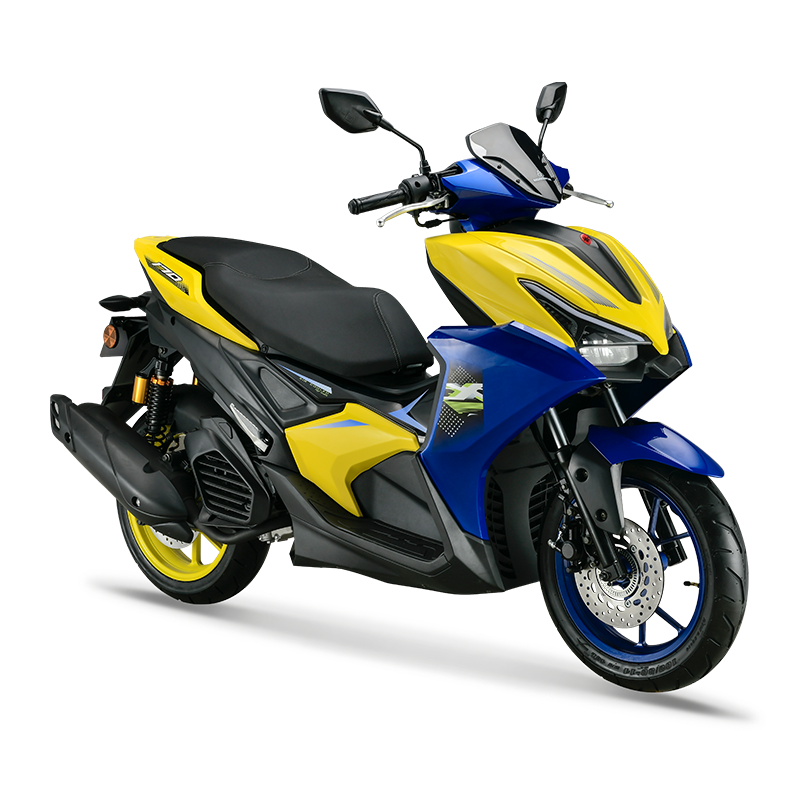
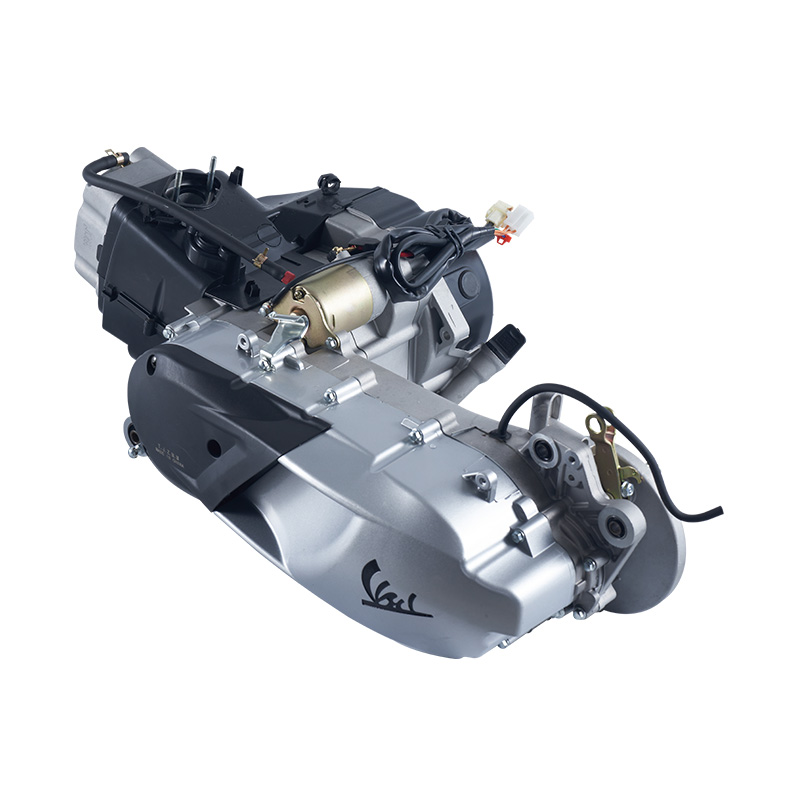
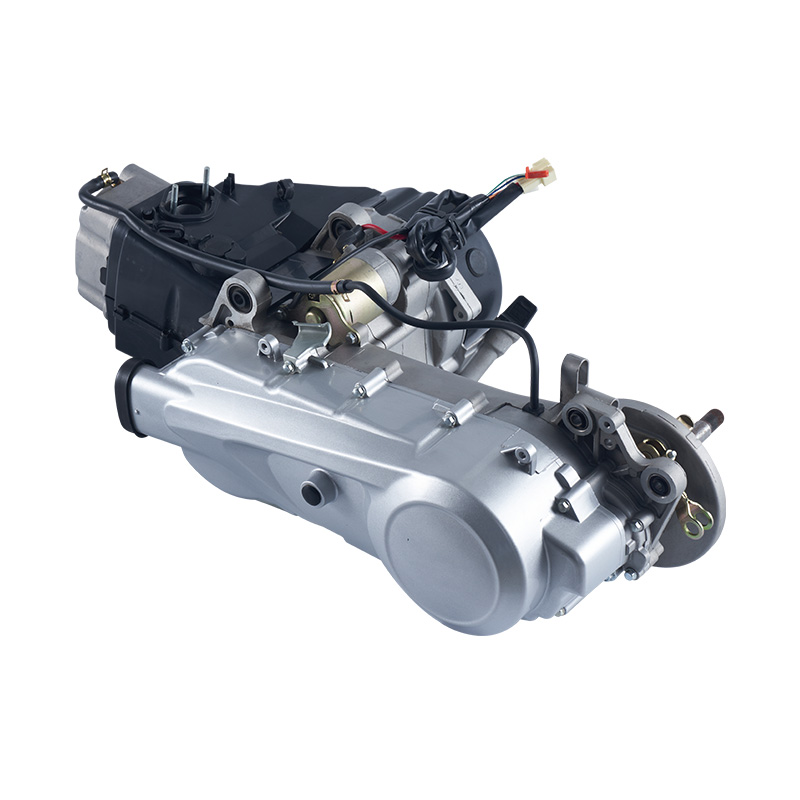
عربىNVX 4th 150cc Liquid-Cooled Electronic Fuel Injection High-Performance Scooter Motorcycle
The 4th Generation NVX 150cc, a high-performance liquid-cooled fuel-injected scooter motorcycle has been meticulous...
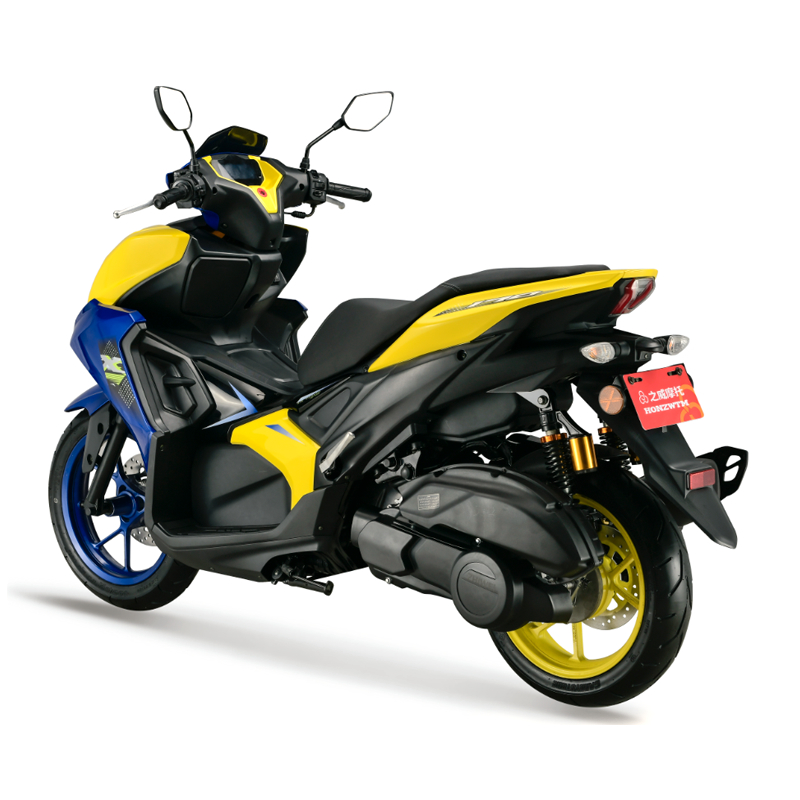
Gas prices keep creeping up, and pure electric scooters still make some riders nervous about running out of charge halfway through a longer errand. A Hybrid Scooter Motorcycle sits right in the middle of that dilemma, pairing a small engine with an electric motor so riders aren't forced to pick one weakness over another. Once you see how the two power sources actually hand off to each other while riding, the appeal becomes a lot less abstract and a lot more practical.
It's not just a scooter with a battery bolted onto the frame as an afterthought. There's a fair bit of coordination happening under the seat.
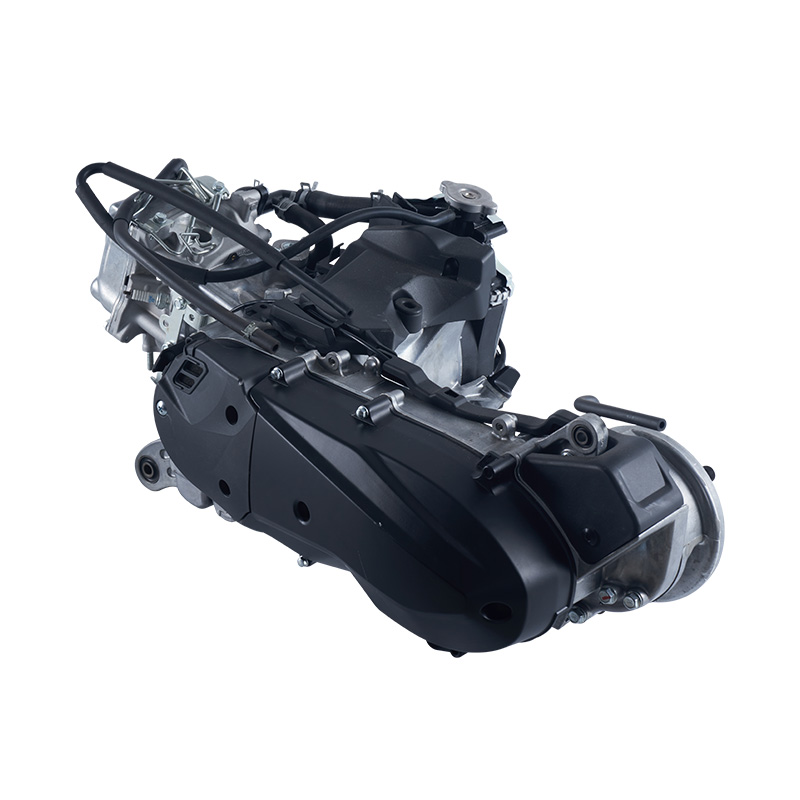
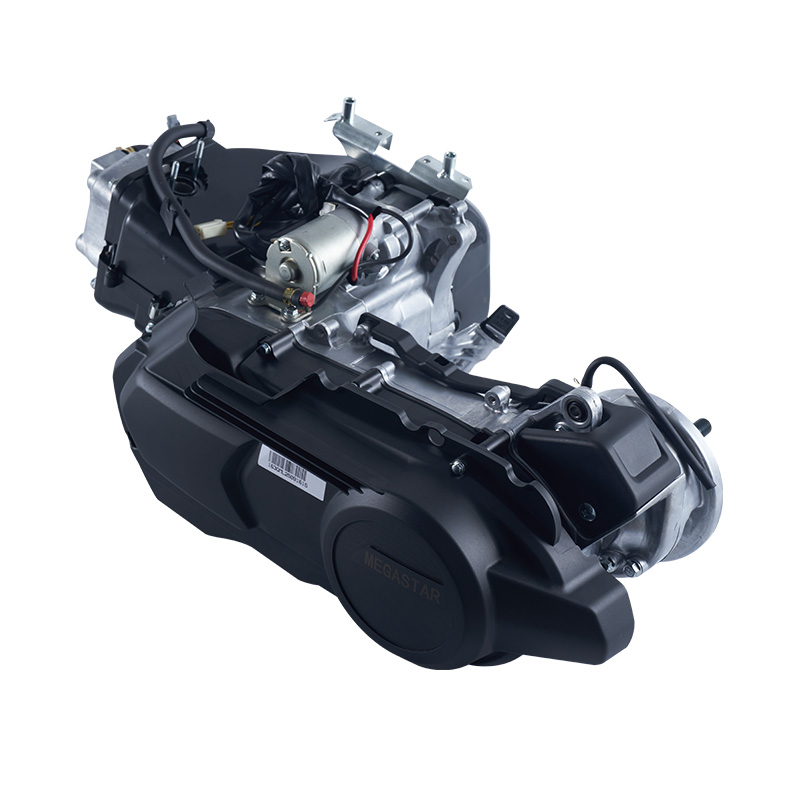
Four components generally carry the load in most hybrid builds:
That control unit is really the brains of the operation. It watches throttle input, current speed, and how much charge is left, then shifts the balance between engine and motor accordingly.
This is the part people actually care about, since "hybrid system" as a phrase doesn't mean much until you picture it happening mid-ride.
Twist the throttle from a dead stop, and the electric motor usually takes the lead. Electric motors respond instantly, without the slight hesitation a small combustion engine sometimes has while it spins up from idle.
That's part of why pulling away from a red light on a hybrid tends to feel smoother, and noticeably quieter, than doing the same thing on a gas-only scooter.
As speed climbs, the gasoline engine starts carrying more of the load. Sustained higher speeds tend to favor combustion power, since draining a battery continuously at that pace isn't particularly efficient.
The handoff between the two sources happens gradually rather than as a hard switch, which is why a properly tuned Hybrid Scooter Motorcycle doesn't feel jerky or hesitant during that transition.
Whichever source handles that particular speed more efficiently tends to do most of the work here, with the other stepping in only briefly, say, climbing a small hill or merging into faster traffic.
Braking isn't just wasted energy in a hybrid setup. The electric motor can act briefly as a generator while decelerating, feeding some of that recovered energy back into the battery instead of letting it disappear as heat through the brake pads.
Fair question, and the answer comes down to how differently riding conditions behave depending on the hour of the day.
A gas scooter motorcycle handles long stretches and steady speeds fine, but it burns fuel the entire time, even crawling through stop-and-go traffic where an electric motor could just as easily carry the load without touching the tank. Pure electric scooters solve that traffic problem but often run into range limits unless the battery pack gets larger, heavier, and more expensive.
Blending both lets the vehicle lean on whichever source actually fits the moment:
Sometimes it's easier to just look at the differences laid out plainly rather than reading through each scenario separately.
| Riding Condition | Hybrid Scooter Behavior | Gas Scooter Behavior | Electric-Only Behavior |
|---|---|---|---|
| Starting from a stop | Electric motor assists, smooth pickup | Engine carries full load, slight lag | Electric motor handles it smoothly |
| Sustained cruising | Gasoline engine takes over | Engine does all the work | Battery drains steadily, no assist |
| Stop-and-go traffic | Electric motor cuts fuel use at idle | Engine keeps burning fuel | No fuel use at all |
| Braking | Some energy recovered into battery | Energy lost mostly as heat | Some recovery, depending on design |
| Longer trips | Generally stretches further | Long range, fuel dependent | Limited by battery size and charging access |
Riders who split their day between heavy traffic and longer open stretches tend to notice this balance the most.
Somewhat, though the relationship shifts a little compared to a purely gas-powered scooter.
Pair a scooter motorcycle 125cc engine with electric assist, and that engine doesn't need to strain as hard during low-speed situations, since the motor is already covering part of the load. That can mean noticeably better fuel use at that same displacement compared to running the engine alone without any assist.
Buyers comparing displacement numbers across hybrid models should keep in mind that engine size by itself doesn't tell the whole story once a motor and battery enter the picture.
Not automatically, though it's a fair concern. Batteries and motors add weight that a purely gas-powered frame doesn't carry.
Not really, as long as the added weight gets placed thoughtfully. A lightweight scooter motorcycle design approach still applies here, just with more attention paid to where the battery and motor sit within the frame.
Get that balance right, and the scooter still feels agile weaving through traffic. Get it wrong, and the bike can feel top-heavy or sluggish at low speeds, which is exactly where riders notice handling issues the most.
Anyone sourcing hybrid scooters for a fleet or a dealership needs to check that the vehicle actually meets the road requirements for wherever it's headed.
A street legal scooter motorcycle still needs to satisfy the usual expectations around lighting, mirrors, registration, and often emissions tied specifically to the gasoline engine, since the hybrid label doesn't exempt the combustion side from standard rules in most places.
It's worth asking the manufacturer directly which markets a given model was actually built to comply with, rather than assuming compliance carries over automatically from one country to another.
Buying one hybrid scooter for personal use is a very different process than sourcing dozens for a dealership or fleet.
A few questions worth raising before committing to a larger order:
Getting straight answers on these points tends to save a lot of headaches later, particularly for anyone distributing across several locations where consistency matters for reputation.
Once you understand how a Hybrid Scooter Motorcycle actually splits the work between its engine and motor, deciding whether it fits a particular riding pattern gets a lot easier. The electric side handles the stop-and-go grind, the gasoline side takes over once speeds climb, and the control unit quietly manages the handoff so the whole thing feels like one connected system rather than two competing ones. Riders juggling a mix of city traffic and longer open roads tend to feel that balance directly, while dealers and fleet buyers benefit just as much from understanding it well enough to explain it clearly to customers standing in a showroom.
For businesses exploring hybrid scooters for resale, fleet use, or private label production, working with a manufacturer that already understands these mechanics tends to make sourcing far less of a headache than trying to sort through specifications and compliance paperwork alone. Taizhou Jiaojiang Zhiwei Motorbike Manufacture Co., Ltd. works with buyers on engine and motor configuration, sample units, and documentation covering hybrid drivetrain performance and road legality across different markets. Reach out to talk through configuration options, request samples, or discuss production timelines for your next order.
E-mail: [email protected]
Tel: +86-13806579227/+86-576-88011088
ADD: Hongjiachaiyang Industrial Zone, Jiaojiang District, Taizhou City, Zhejiang Province, China
China Scooter Motorcycle Manufacturer & Factory