English
  中文简体
中文简体 русский
 Español
 عربى
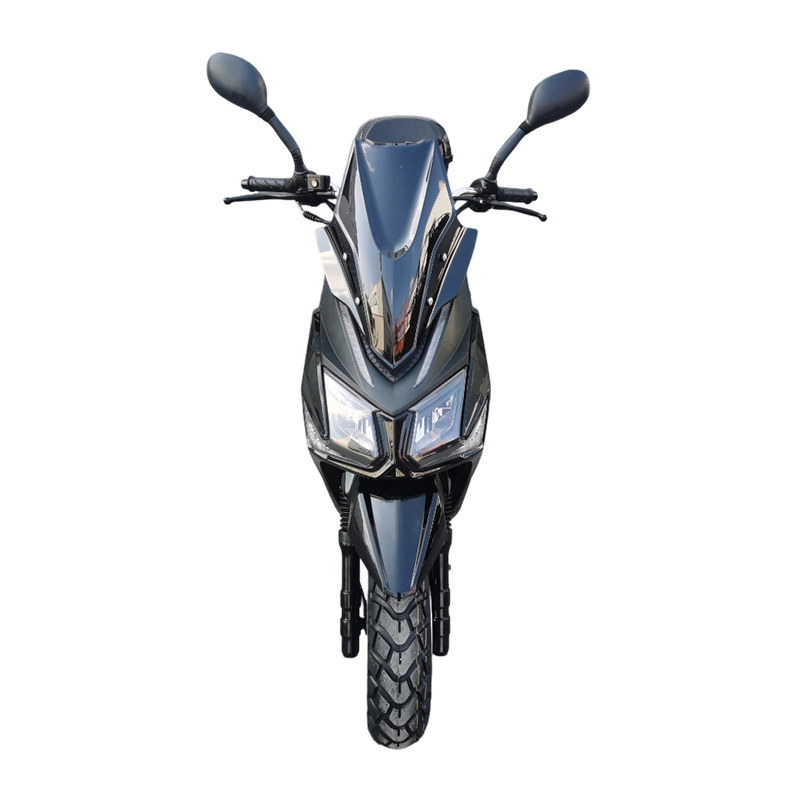
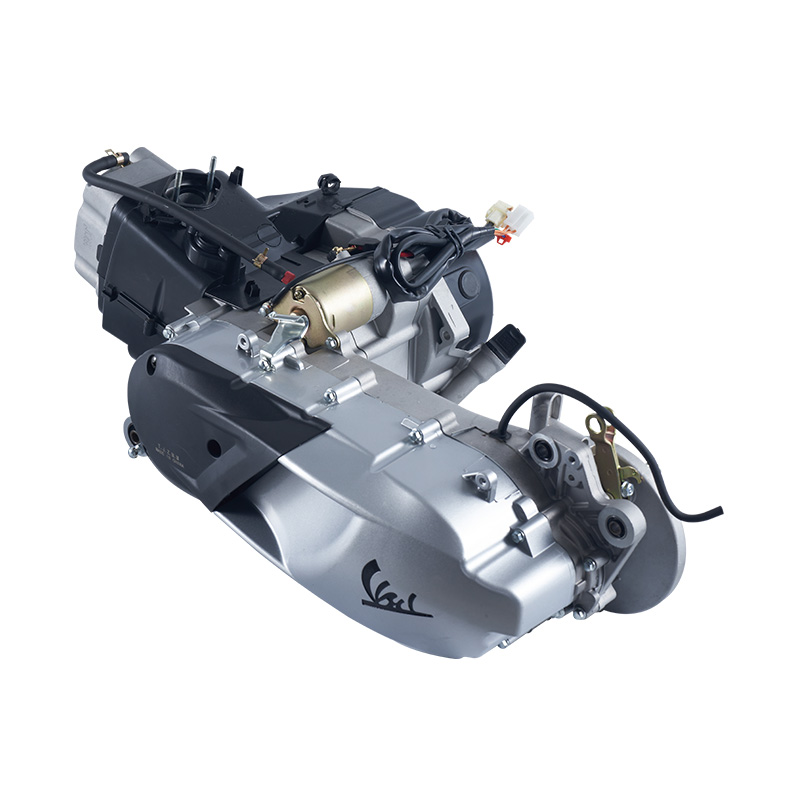
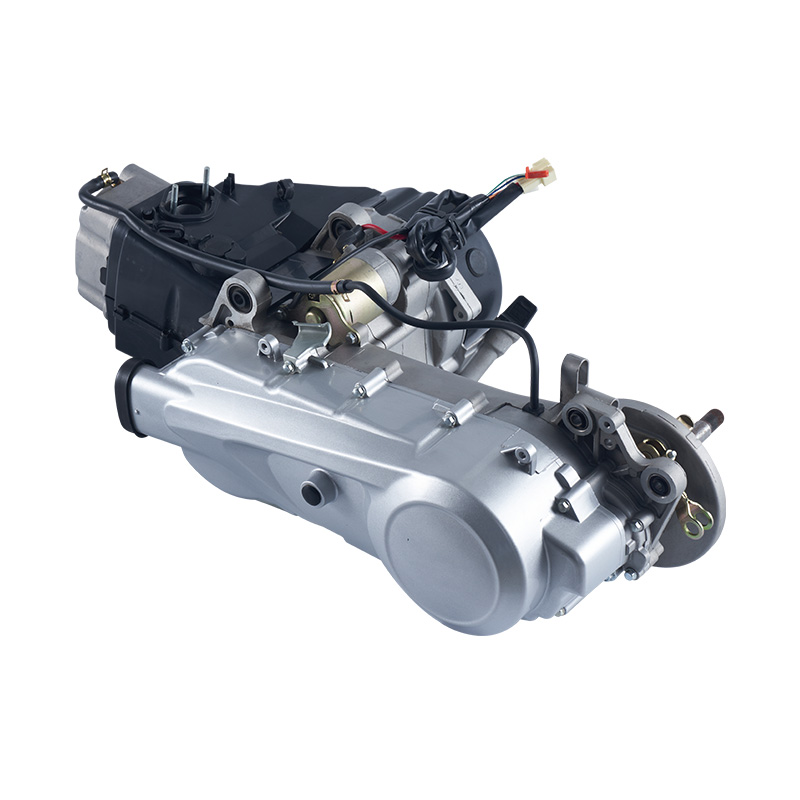
عربىNVX 4th 150cc Liquid-Cooled Electronic Fuel Injection High-Performance Scooter Motorcycle
The 4th Generation NVX 150cc, a high-performance liquid-cooled fuel-injected scooter motorcycle has been meticulous...
Watching a battery percentage drop faster than expected halfway through a commute, wondering whether you'll actually make it home without hunting for a charging station, that nagging feeling has a name now, and it's exactly what pushes so many riders toward a Hybrid Scooter Motorcycle instead of sticking with a pure electric option. If that anxious glance at a dashboard readout sounds familiar, the reasoning behind this shift makes a lot sense once you dig into it.
Pure electric scooters depend entirely on battery capacity, and that dependency creates a specific kind of stress that gas powered vehicles never really had to deal with. Riders start calculating trips backward from charging availability rather than just going wherever they need to go.
This becomes especially noticeable during longer commutes, unpredictable weather that drains battery faster, or situations where charging infrastructure simply isn't reliable nearby. None of this is really about the vehicle failing, it's about the psychological weight of constantly monitoring a number that determines whether you'll get stranded somewhere inconvenient.
For a lot of potential buyers, it's genuinely the second one. Surveys and rider feedback across urban transportation circles consistently point toward range concerns as one of the biggest hesitations keeping people from switching entirely to electric options, even when they like the idea of lower running costs and quieter operation.
A Hybrid Scooter Motorcycle combines two power sources rather than relying on just one, and that combination is really the whole answer to why range anxiety fades once you switch. Gas power steps in when battery charge runs low, meaning a rider isn't stuck the moment electric capacity drops toward empty.
This isn't about abandoning electric benefits either. Riders still get quieter operation and lower fuel consumption during electric assisted portions of a trip, while gaining a safety net that pure battery dependent vehicles simply don't offer.
Stack these together and you get a vehicle that removes the anxious mental math pure electric riders deal with constantly.
This comparison comes up constantly among riders weighing their options, and honestly, both sides have legitimate points worth understanding before making a decision.
Pure electric scooters generally offer lower running costs per mile and produce zero emissions during operation, which matters a lot for environmentally conscious buyers or anyone riding primarily within well charged urban zones. The tradeoff is exactly the range dependency discussed above, since battery capacity sets a hard ceiling on how far a rider can go before needing to stop and recharge.
A Hybrid Scooter Motorcycle sacrifices a bit of that pure efficiency in exchange for flexibility. Riders aren't tethered to charging infrastructure the same way, which matters enormously for anyone covering longer distances or riding through areas where charging stations remain inconsistent or hard to find.
Depends heavily on riding patterns, honestly. Someone doing short predictable urban commutes with reliable charging access at home or work might never notice pure electric limitations. Someone covering longer or unpredictable routes, though, tends to appreciate the safety net hybrid systems provide, even if it means giving up a small amount of running cost efficiency.
| Factor | Pure Electric Scooter | Hybrid Scooter Motorcycle |
|---|---|---|
| Range Dependency | Fully dependent on battery charge | Reduced through gas power backup |
| Charging Requirement | Frequent, planned around infrastructure | Less frequent, more flexible |
| Running Cost | Generally lower per mile | Slightly higher, balanced by flexibility |
| Emission Profile | Zero during operation | Reduced compared to gas only models |
| Suited Riding Pattern | Short, predictable urban trips | Longer or unpredictable routes |
Treat this as a general orientation, since actual performance still depends on specific model design, riding habits, and local infrastructure conditions.
Beyond the hybrid versus electric question, riders also need to think through practical specifications that affect daily usability. A scooter motorcycle 125cc configuration tends to strike a workable balance for urban commuting, offering enough power for city speeds without becoming unwieldy in traffic or tight parking situations.
Weight matters just as much, particularly for riders navigating crowded city streets or needing to maneuver in and out of tight spaces regularly. A lightweight scooter motorcycle design makes parking, turning, and general handling noticeably easier compared to bulkier alternatives, especially for riders who aren't necessarily looking for aggressive performance so much as practical daily transportation.
Indirectly, yes. Lighter vehicles generally require less energy to move, which stretches both electric and gas components further per trip. This means a well designed lightweight build can compound the range benefits already built into a hybrid drivetrain, giving riders even more buffer before needing to worry about running low on either power source.
For buyers and importers, street legal scooter motorcycle compliance matters just as much as performance specifications. Regulations vary by region, and a vehicle that performs well on paper still needs to meet local road requirements before it's actually usable for daily commuting or dealership resale.
Working through this typically involves confirming a few things upfront:
Skipping these checks tends to create complications later, particularly for importers or dealers planning to distribute across multiple regions with differing regulatory standards.
For dealers, importers, and mobility brands evaluating suppliers, a few questions help separate a dependable scooter motorcycle producer from one likely to cause headaches down the line.
A manufacturer confident in their production process typically answers these directly without hedging, and that kind of transparency tends to signal a partnership worth pursuing further rather than one likely to create problems after the first bulk order ships.
Range anxiety isn't really about battery percentage numbers themselves, it's about the mental load of constantly recalculating whether a trip is even feasible without stopping to recharge somewhere inconvenient. A Hybrid Scooter Motorcycle addresses that concern directly by giving riders a backup power source that removes the hard ceiling pure electric vehicles impose, while still preserving much of the efficiency and quieter operation that made electric options appealing in the first place. Whether a rider prioritizes lightweight handling for tight urban streets, specific displacement like a 125cc configuration for balanced power, or straightforward street legal compliance for daily commuting, the underlying hybrid approach tends to reduce the anxiety that keeps so many potential electric riders hesitant. Taizhou Jiaojiang Zhiwei Motorbike Manufacture Co., Ltd. works with dealers, importers, and mobility brands navigating exactly these vehicle sourcing decisions, offering production capability across hybrid and electric scooter configurations suited to varying market requirements, and welcomes an inquiry from any team ready to discuss specifications for an upcoming order.
E-mail: [email protected]
Tel: +86-13806579227/+86-576-88011088
ADD: Hongjiachaiyang Industrial Zone, Jiaojiang District, Taizhou City, Zhejiang Province, China
China Scooter Motorcycle Manufacturer & Factory