English
  中文简体
中文简体 русский
 Español
 عربى
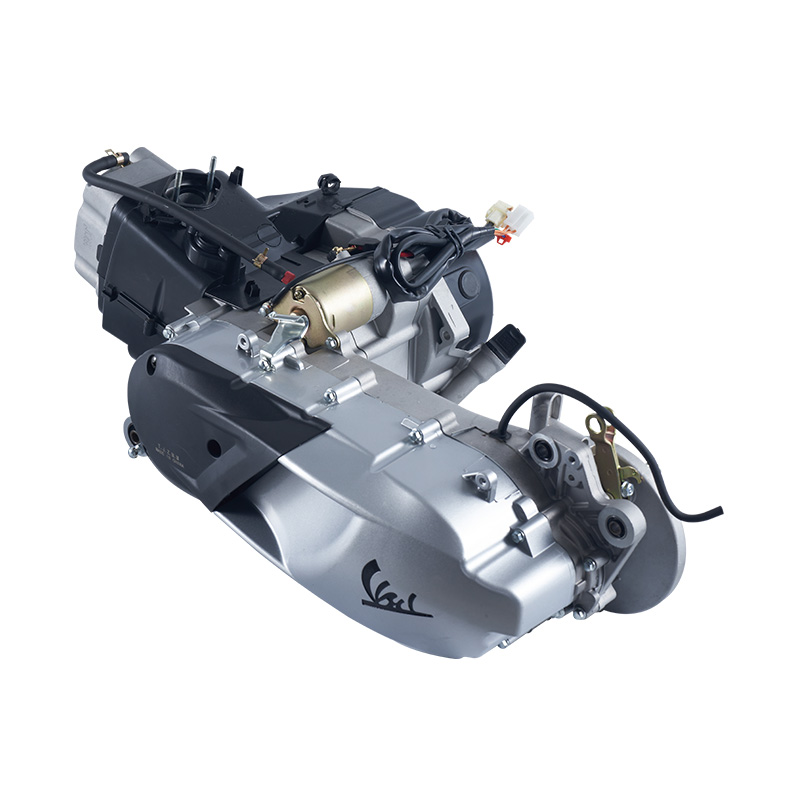
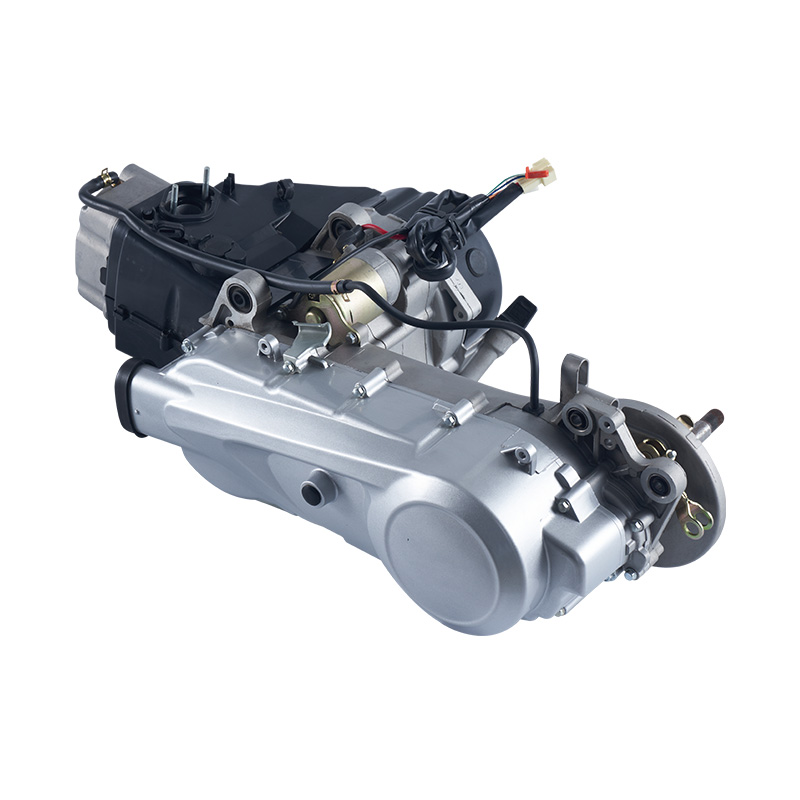
عربىNVX 4th 150cc Liquid-Cooled Electronic Fuel Injection High-Performance Scooter Motorcycle
The 4th Generation NVX 150cc, a high-performance liquid-cooled fuel-injected scooter motorcycle has been meticulous...
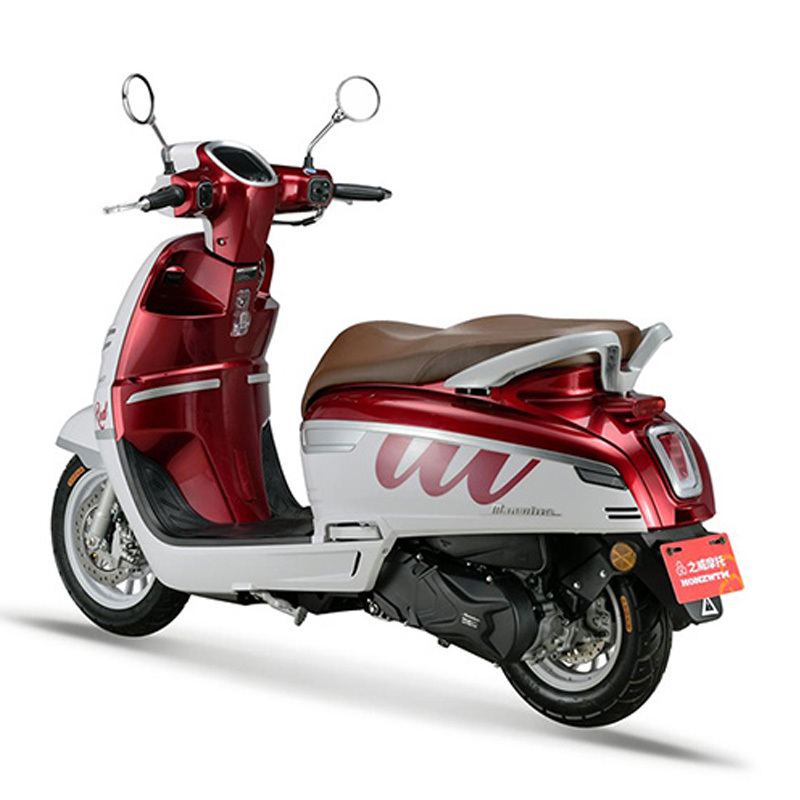
Small motorcycles can look genuinely similar at a glance, sitting side by side in a showroom, but their design needs can change quite a bit once the engine size changes underneath. A compact engine may leave more room for a lighter frame, while a larger engine can influence the way the motorcycle handles weight, storage, cooling, and rider position, much like a backpack's contents shift its balance depending on what's packed and where.
Engine size is therefore a lot more than a number used to describe a motorcycle on a spec sheet. It can affect how manufacturers arrange major components and how riders actually experience the finished vehicle once they're on the road.
For manufacturers, distributors, and buyers, understanding this relationship makes it genuinely easier to see why motorcycles with similar body shapes may have quite different structures underneath. An 80cc Motorcycle Engine, for example, creates a different design context from a 125cc 4 Stroke Moped or a model using a 150cc Gas Engine.
The differences don't mean one engine size suits every rider out there. Instead, each size can influence the balance between vehicle packaging, intended use, handling, and everyday practicality on the street.
The engine occupies a genuinely important position inside a motorcycle, sitting at the center of nearly everything else. Its size and surrounding components affect how much space remains for other parts of the vehicle built around it.
A smaller engine can give designers a lot more flexibility when arranging the frame and body. A larger engine may require more attention to available space, weight distribution, and access for maintenance down the road.
This relationship can be seen across different small motorcycle categories on the market.
| Engine Size | Design Consideration |
|---|---|
| 80cc | Compact packaging and light vehicle structure |
| 125cc | Balance between engine space and everyday usability |
| 150cc | Additional attention to weight and component placement |
| 170cc | More consideration of engine packaging and supporting structure |
These are general design relationships, rather than fixed rules carved in stone. Actual motorcycle construction depends on the complete vehicle design and intended application it's built for.
The engine also works alongside the fuel system, transmission, exhaust arrangement, frame, and other components sitting nearby. Changing one part can affect the space available for another in ways that ripple through the whole layout.
An 80cc Motorcycle Engine can suit compact motorcycle designs where space and weight are genuinely important considerations for the rider. The relatively small engine format gives manufacturers room to develop a vehicle around simple transportation needs, without much excess baggage.
The surrounding structure can remain compact whenever the rest of the motorcycle gets designed for similar use. This can influence the size of the frame, body panels, seat area, and storage spaces scattered around the bike.
An 80cc Scooter Engine can create a similar design situation, although scooter layouts differ quite a bit from conventional motorcycles. The engine location and drivetrain arrangement need to work with the scooter's floor area, body structure, and rider position sitting above it.
| Design Area | Possible Influence |
|---|---|
| Frame | Can support a compact vehicle layout |
| Body | May use a smaller overall package |
| Seat | Can be arranged around the available frame space |
| Storage | May be easier to integrate around a compact layout |
| Handling | Can work with a lighter vehicle structure |
The engine itself doesn't determine every feature on the bike, though. Manufacturers still need to consider the intended rider, road conditions, fuel system, suspension arrangement, and overall vehicle purpose it's meant to serve.
A 125cc 4 Stroke Moped sits within a category where manufacturers often need to balance compact dimensions with broader everyday use across many riding situations. The engine occupies more space than a smaller unit, so surrounding components may need to be arranged with genuinely greater care.
The motorcycle can still remain relatively compact while providing a quite different design experience from a smaller engine platform sitting beside it. This can affect the frame structure, seat position, body shape, and overall proportions of the finished bike.
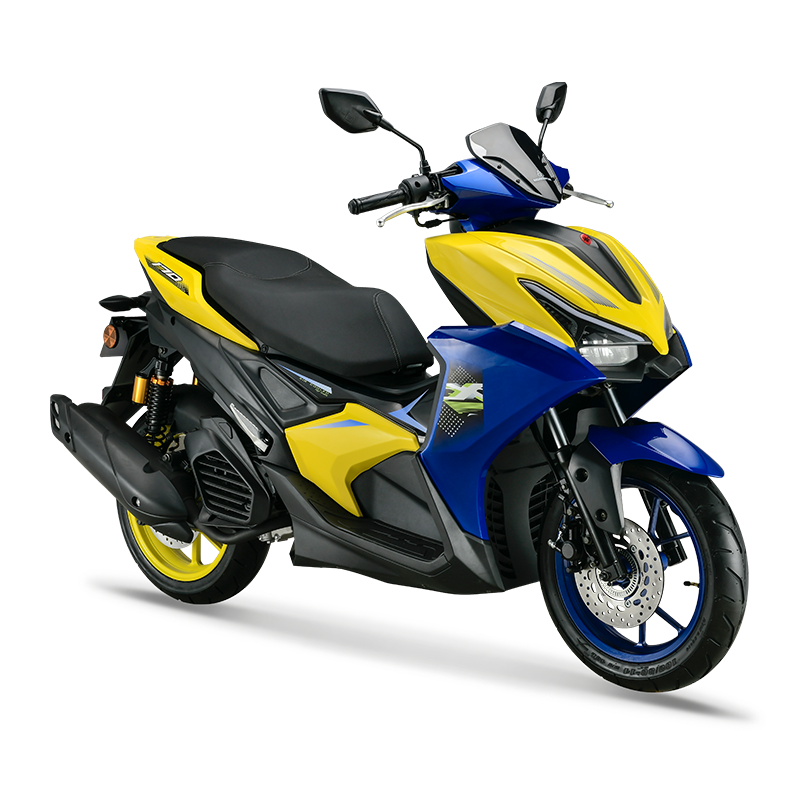
A Scooter Motorcycle 125cc follows another design approach entirely. Instead of using the layout of a conventional motorcycle, the manufacturer may need to work around a step-through body, under-seat area, footboard, and enclosed engine compartment.
These differences show why engine size can't get considered separately from vehicle type when planning a design. A 125cc engine placed in a motorcycle and one used in a scooter may create genuinely different packaging requirements, even sharing the same displacement number. The engine capacity is only one part of the design process worth weighing.
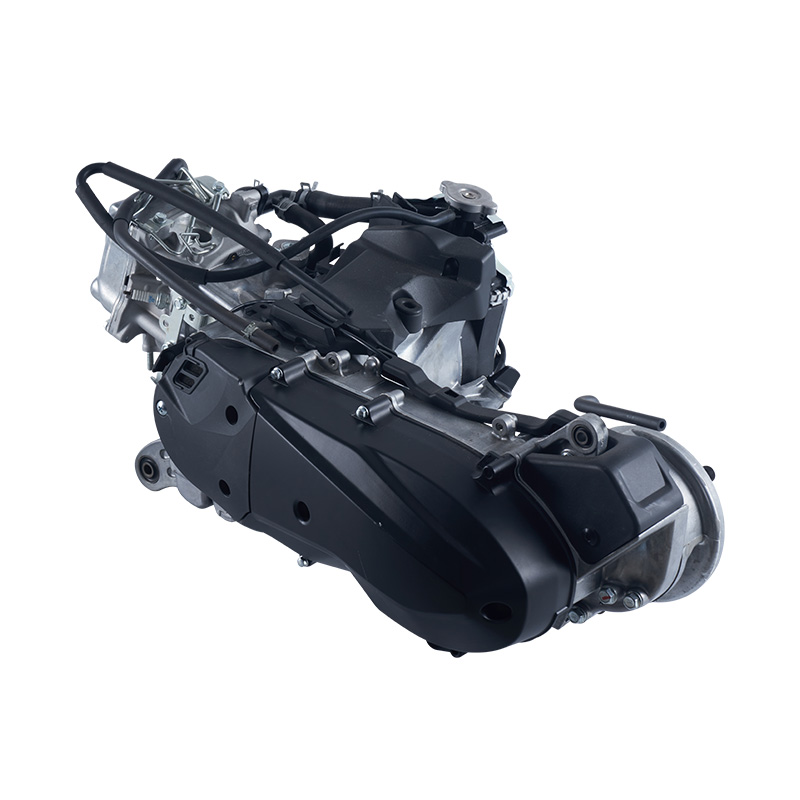
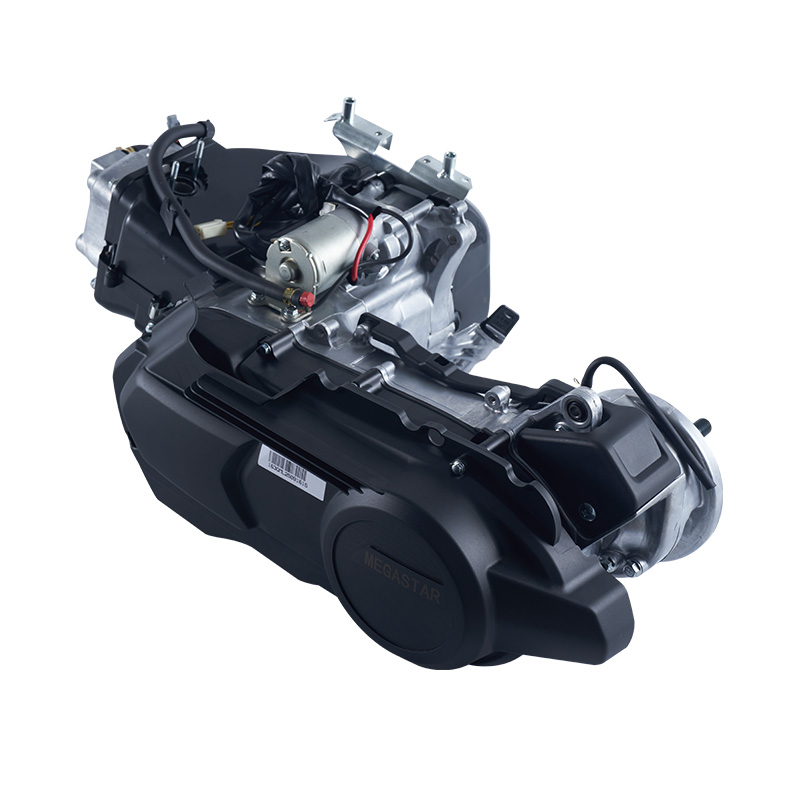
Moving into the 150cc range can create another set of design considerations worth walking through carefully. A 150cc Gas Engine may require manufacturers to pay genuinely closer attention to the relationship between engine placement and the rest of the vehicle surrounding it.
The frame needs to support the complete motorcycle while leaving enough room for other components stacked nearby. The term Motorcycle Engine 150cc may appear in product descriptions for genuinely different motorcycle applications across brands.
Buyers should therefore look beyond the engine name printed on a spec sheet and examine how the complete vehicle has been designed around it. A 150 Scooter Engine also needs to fit within a scooter body without making the layout unnecessarily crowded inside.
The manufacturer has to consider the engine compartment, rider position, body panels, fuel storage, and service access as connected parts of the design, rather than separate boxes to check off.
| Design Element | 150cc Design Consideration |
|---|---|
| Frame structure | Needs to suit the complete vehicle layout |
| Engine space | Requires appropriate surrounding clearance |
| Body panels | Need to accommodate internal components |
| Rider position | Works with the vehicle's overall geometry |
| Service access | Should allow practical inspection and maintenance |
The result can be a vehicle that looks only slightly different from a smaller motorcycle while having genuinely meaningful differences hidden beneath the bodywork.
A 170cc Engine can influence vehicle design in ways that become genuinely more noticeable once compared against smaller engine platforms sitting nearby on the lot. As the engine becomes part of a larger overall package, manufacturers may need to consider how the additional engine space fits within the frame and body surrounding it.
Other components must still have suitable locations somewhere on the bike, and the vehicle needs to maintain a genuinely practical relationship between its major systems. This can affect the proportions of the motorcycle in ways riders notice right away.
The frame may get designed around the engine position from the start. The body may need additional internal space carved out for it, and the seat and fuel storage areas can also get influenced by the available layout left over.
Engine size, though, doesn't automatically determine the physical size of the entire motorcycle sitting on the road. A well-planned vehicle can use its available space in genuinely different ways depending on the design team's approach.
Two motorcycles with engines from different size categories may therefore have similar external dimensions while using quite different internal arrangements underneath the same-looking shell.
The frame connects many of the motorcycle's major components into one working whole. Because the engine gets mounted within or supported by the frame, changes in engine size can genuinely influence structural planning from the ground up.
A compact engine may allow a simpler arrangement around the engine area, without much fuss. A larger engine can require more consideration of mounting locations, surrounding components, and available space left for everything else.
Frame design also influences the rider's position on the bike in ways that matter for comfort. The location of the engine can affect where the seat, foot controls, and other rider-facing components get placed relative to each other.
This creates a genuine connection between engine packaging and everyday comfort that riders feel on longer trips. Manufacturers can therefore consider the engine as part of a larger layout, rather than designing the engine area in isolation from everything around it.
| Frame Concern | Relationship With Engine Design |
|---|---|
| Mounting area | Needs to suit the selected engine |
| Space allocation | Must leave room for nearby components |
| Rider position | Can be influenced by engine placement |
| Body connection | Frame and body need to work together |
| Maintenance access | Components should remain reasonably accessible |
This approach becomes genuinely useful when developing several motorcycle models around different engine sizes at once, sharing some parts while adjusting others.
The position and size of the engine can affect where weight gets concentrated within the motorcycle overall. A compact engine may occupy less space, giving designers genuinely more freedom when positioning other components around it.
A larger engine can change the balance between the front, center, and rear areas of the vehicle in ways that show up while riding. Weight distribution matters quite a bit because the motorcycle needs to remain predictable during normal riding on real roads.
Manufacturers may consider the engine together with the fuel tank, battery, exhaust system, suspension, and other components sitting around it. Moving one part can create changes elsewhere that weren't obvious at first glance.
The objective isn't simply making the motorcycle lighter or heavier for its own sake. The design needs to create a genuinely practical relationship between the vehicle's structure and the way it's intended to move down the road.
This is another reason why engine size should get considered during the early stages of motorcycle development, rather than bolted on afterward.
Scooters use a genuinely different body arrangement from many conventional motorcycles sitting nearby. The engine and related components are often enclosed within a larger body structure, which changes how designers approach available space inside.
With an 80cc Scooter Engine, the compact engine format can work with a small scooter body designed around urban mobility and quick errands. The available space may get used for storage, body protection, or other practical features tucked into the design.
A 150 Scooter Engine can require a genuinely different internal arrangement compared to its smaller sibling. More attention may go toward the relationship between the engine compartment, rear structure, seat, and body panels wrapped around it.
The same principle applies to a Scooter Motorcycle 125cc sitting in the same lineup. The engine must fit the scooter's overall design, rather than simply getting placed wherever space happens to be available.
This makes body engineering and engine selection genuinely closely connected throughout the development process.
Fuel storage is another area where engine selection can genuinely influence vehicle layout from the start. The fuel tank needs a suitable position that works with the frame, seat, body panels, and engine area surrounding it.
A change in engine arrangement can affect how much room remains for the tank and related components tucked nearby. Motorcycles and scooters can solve this problem in genuinely different ways depending on the body style.
A conventional motorcycle may place the fuel tank in a visible position above the engine area, right where riders expect it. A scooter may integrate fuel storage into another part of its body structure entirely, hidden from view.
The engine size doesn't determine the exact tank location on its own, but it can influence the space available for that decision considerably. Manufacturers therefore need to consider fuel storage genuinely early in the design process, rather than treating it as an isolated component tacked on later.
Engines produce heat during operation, so vehicle designers need to consider how heat gets managed within the motorcycle body as a whole. Smaller engine platforms may have a compact surrounding structure that stays fairly simple.
Larger engines can create genuinely different packaging needs because more internal space may get occupied by the engine and related components crowded around it. Airflow paths, protective covers, and cooling-related components all need to fit into the available layout left over.
This proves particularly relevant for scooters because their body panels can enclose a significant portion of the mechanical system underneath. Manufacturers may need to balance external appearance with practical airflow and service requirements pulling in different directions.
The final design should provide suitable space for the engine and its supporting components, without creating unnecessary complexity that slows down assembly or repairs.
A motorcycle isn't only designed to be ridden down the road. It also needs to be inspected, cleaned, adjusted, and maintained during normal ownership, month after month.
Engine placement can affect how easily users or service personnel actually reach related components tucked into the frame. A compact design may place components close together, which can help reduce overall size but may also require careful planning around access points for a wrench.
Larger engine layouts can create genuinely different service requirements because more surrounding components may be involved in the layout. Manufacturers can consider access during product development, rather than discovering the problem once bikes are already on dealer lots.
| Maintenance Area | Design Consideration |
|---|---|
| Engine access | Should allow practical inspection |
| Body panels | Should be removable where necessary |
| Service points | Need suitable access |
| Wiring and connections | Should be arranged clearly |
| Cleaning areas | Should remain reasonably reachable |
Good maintenance planning is genuinely part of practical motorcycle design, not an afterthought. It helps connect the initial engineering process with the actual ownership experience riders live with for years.
Buyers often begin with engine size because it's genuinely easy to understand at a glance on a spec sheet. The number alone, though, doesn't describe the complete motorcycle sitting in front of them.
A better comparison considers the vehicle's intended use, body design, rider position, storage arrangement, handling characteristics, maintenance access, and overall construction together. Someone comparing an 80cc Motorcycle Engine with a 125cc 4 Stroke Moped, for example, may be looking at two vehicles designed around genuinely different transportation needs entirely.
A buyer comparing a Motorcycle Engine 150cc model with a motorcycle using a 170cc Engine may also find that the surrounding vehicle design creates differences well beyond the engine itself. Useful questions worth asking include what type of riding the motorcycle is designed for, and how the engine is positioned within the frame.
How the fuel and storage areas are arranged matters too, along with whether the rider position suits the intended use planned for the bike. Asking whether routine maintenance can be performed conveniently helps, along with checking whether the overall vehicle size fits the available storage space at home.
These questions provide a lot more context than engine size alone ever could.
Manufacturers developing several small motorcycle models need to manage differences between engine platforms while maintaining genuinely practical production processes on the factory floor. An 80cc Motorcycle Engine may suit a compact vehicle layout, while a 125cc platform can support another body structure entirely different from it.
A 150cc or 170cc Engine may require additional consideration of frame space and component placement layered on top. Modular thinking can help manufacturers examine which parts of the vehicle can share a basic design approach and which areas genuinely need to change with the engine installed.
| Development Area | Question to Consider |
|---|---|
| Engine mounting | Can the frame accommodate the selected engine? |
| Body design | Does the body provide suitable internal space? |
| Rider position | Does the layout remain practical? |
| Fuel storage | Can the tank fit without creating conflicts? |
| Service access | Can key areas remain accessible? |
| Production | Can different versions be handled consistently? |
This approach allows manufacturers to study engine size as part of a complete product system, rather than an isolated spec bolted onto a shared frame.
The relationship between engine and vehicle design is therefore not simply about fitting a larger or smaller unit into the same frame off the shelf. Each engine platform can influence how space, structure, rider position, storage, maintenance, and supporting components get arranged across the finished motorcycle.
E-mail: [email protected]
Tel: +86-13806579227/+86-576-88011088
ADD: Hongjiachaiyang Industrial Zone, Jiaojiang District, Taizhou City, Zhejiang Province, China
China Scooter Motorcycle Manufacturer & Factory