English
  中文简体
中文简体 русский
 Español
 عربى
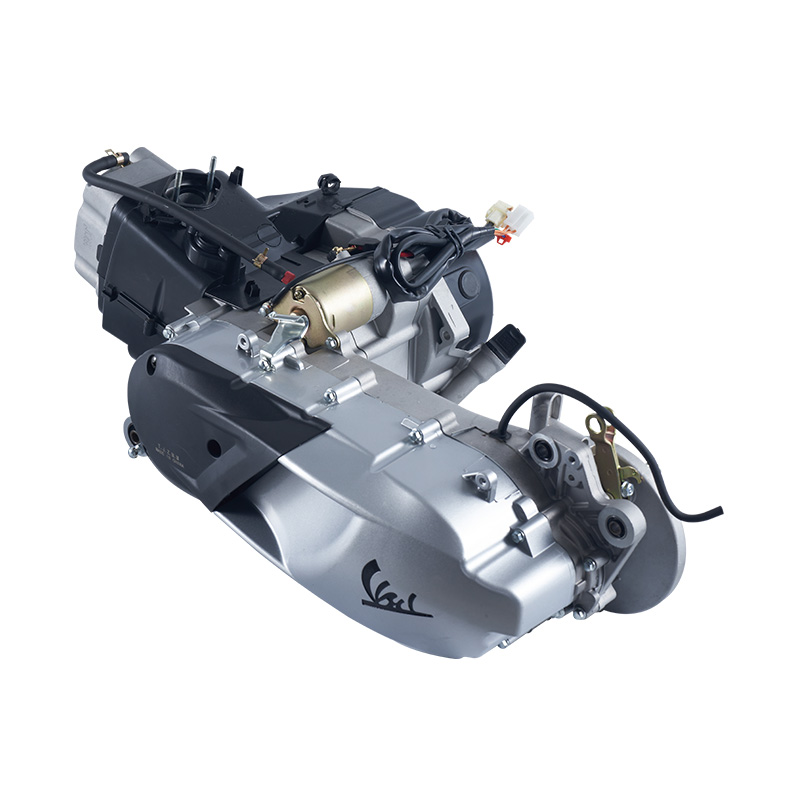
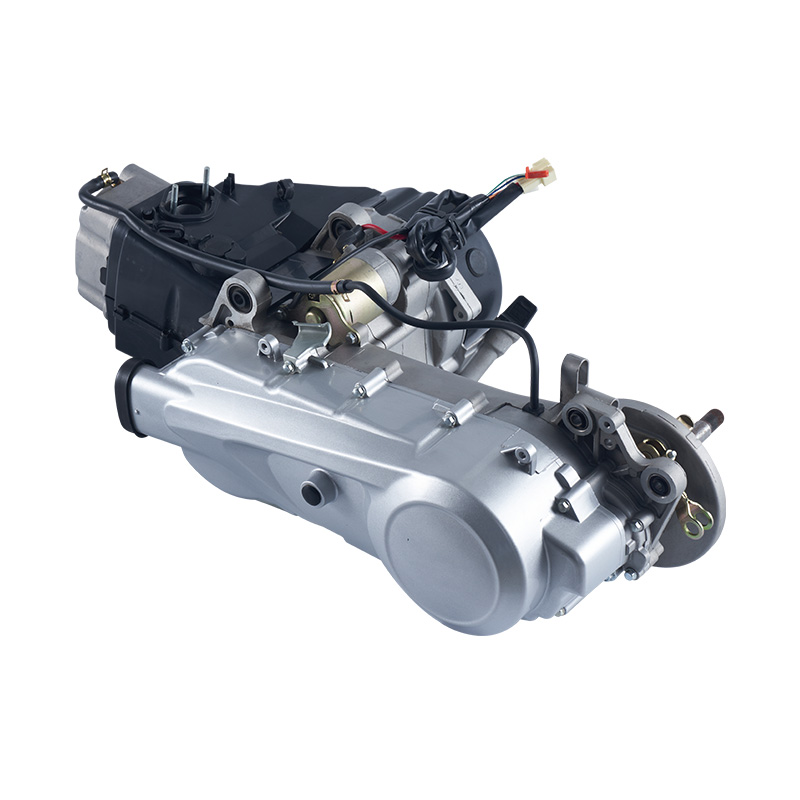
عربىNVX 4th 150cc Liquid-Cooled Electronic Fuel Injection High-Performance Scooter Motorcycle
The 4th Generation NVX 150cc, a high-performance liquid-cooled fuel-injected scooter motorcycle has been meticulous...
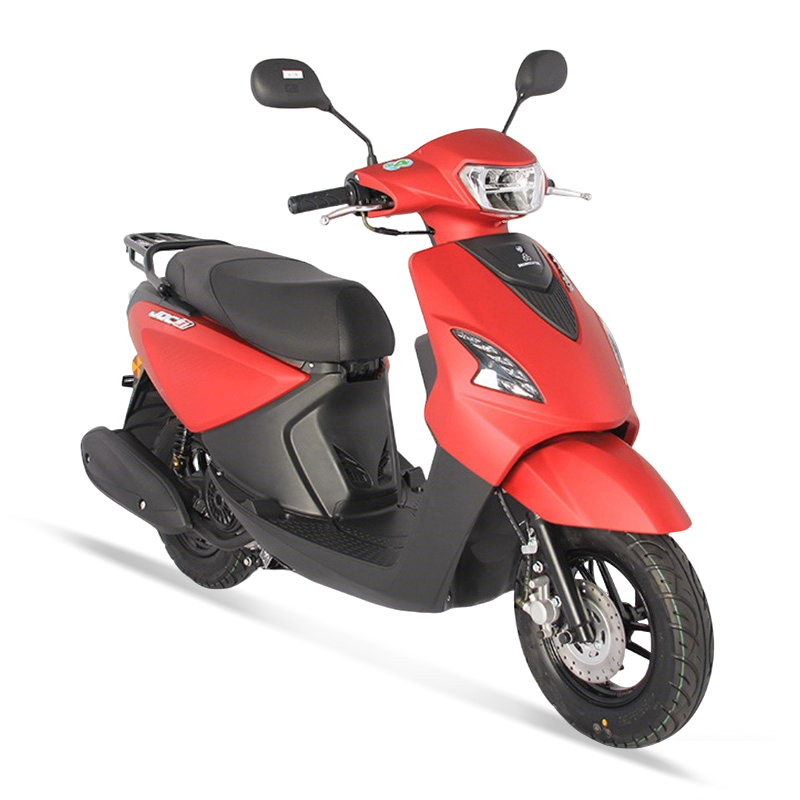
Parking a scooter can seem like a genuinely simple part of daily travel until the available space becomes narrow, crowded, or difficult to enter, much like a suitcase that packs easily in a spacious room but suddenly won't fit through a tight closet door. A motorcycle that feels easy to position in an open area may require a lot more attention once it has to fit beside other vehicles, inside a small garage, or along a busy urban parking lane.
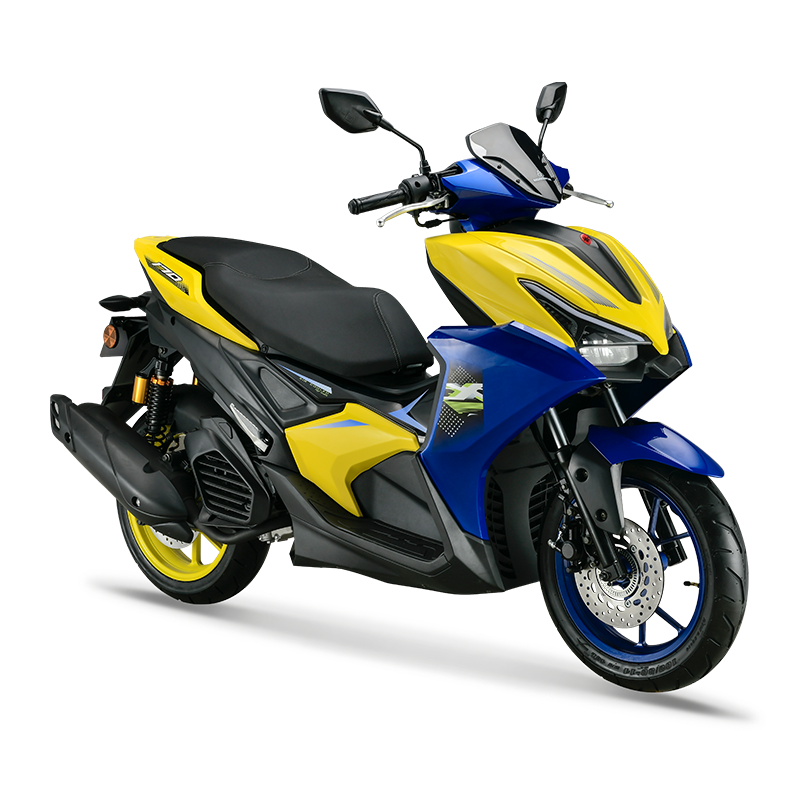
This is why Scooter Motorcycle Types can be considered from a parking perspective, as well as a transportation perspective. Vehicle length, width, wheel position, handlebar layout, seat structure, storage areas, and turning space can all influence how naturally a scooter fits into its parking environment.
A compact model may suit a narrow residential space just fine, while another scooter may need genuinely more room around its body, even if the two vehicles appear similar from a distance across a parking lot. For manufacturers and buyers, parking should therefore get treated as part of the overall vehicle-use experience, rather than as an issue that only surfaces after purchase.
The physical size of a scooter affects how much room it occupies once it's actually parked and shut off. Length determines how far the vehicle extends into a garage or parking bay, while width influences the amount of side space available for nearby vehicles, walls, doors, and walking paths.
Height can also matter in enclosed locations where the scooter needs to pass beneath a door, storage structure, or other overhead feature hanging low. A Lightweight Scooter Motorcycle may be genuinely easier to position in a compact space because its overall layout can make manual movement a lot more manageable when pushing it by hand.
This doesn't mean every lightweight scooter shares the same dimensions, since body shape and component placement can vary quite a bit between designs on the market.
| Parking Consideration | Why It Matters |
|---|---|
| Vehicle length | Influences how much floor space the scooter occupies |
| Vehicle width | Affects side clearance |
| Vehicle height | Matters in enclosed storage areas |
| Handlebar position | Can influence available side space |
| Body shape | Changes how the scooter fits around obstacles |
| Weight | Can affect manual repositioning |
A parking space should therefore get considered together with the actual shape of the scooter, rather than by engine or vehicle category alone.
Different scooter layouts create genuinely different relationships between the vehicle and its surroundings once parked. Some models have a compact body that leaves a relatively simple outline when viewed from above, while others have larger body panels, wider seating areas, or additional storage sections tucked in.
The position of the wheels also affects how the scooter occupies a parking area, because the front and rear ends may extend quite differently beyond the wheelbase itself. A scooter with a longer body may require genuinely more attention when placed close to a wall or another vehicle nearby.
A shorter design can leave additional room at the front or rear, which may make a small parking area genuinely easier to organize on a daily basis.
| Scooter Layout | Parking Consideration |
|---|---|
| Compact body | Can suit smaller storage areas |
| Longer body | Needs more attention to available length |
| Wider body | Requires more side clearance |
| Narrow front section | May simplify positioning near obstacles |
| Larger rear section | Can influence rear-side clearance |
These differences explain why Scooter Motorcycle Types shouldn't get treated as one identical category when planning parking arrangements. The same parking space can feel genuinely different depending on the shape and layout of the vehicle placed inside it.
A Lightweight Scooter Motorcycle can prove useful in parking environments where the rider needs to move the vehicle into position without relying entirely on riding space to get there. This can happen in apartment garages, private storage areas, shared parking spaces, or small outdoor areas where the scooter needs repositioning by hand.
Weight is only one part of this situation, because the shape of the vehicle also determines how easily it can move around nearby objects packed close together. A scooter with a narrow body may leave more room for the rider to stand beside it while positioning the vehicle carefully.
Handlebar width can also become genuinely noticeable once the scooter gets moved between closely placed objects in a tight garage. The practical question isn't simply whether the scooter is light, but whether its complete shape works with the available parking area around it.
A useful parking layout may provide enough room to approach the scooter, move it into place, and leave without blocking another path someone else needs. This proves particularly relevant in residential environments where storage areas may have to serve several purposes at the same time.
A Scooter Motorcycle 125cc can get used across a wide range of urban settings, but its parking needs still depend on the vehicle's complete body design underneath. Urban parking spaces may be surrounded by cars, bicycles, walls, posts, building entrances, or pedestrian paths crossing nearby.
The available area may also have a genuinely irregular shape, rather than a simple open rectangle waiting to be filled. A scooter that can be positioned close to one side may leave useful space for people to walk past it comfortably.
The handlebar and mirrors deserve genuine attention because they can extend beyond the main body and come close to neighboring objects sitting there. A rider may therefore need to consider the vehicle's widest points, rather than judging the required space from the seat or central body alone.
| Urban Parking Location | Relevant Design Concern |
|---|---|
| Apartment parking | Available floor and access space |
| Office parking | Nearby vehicles and walking paths |
| Street-side area | Position relative to traffic and pedestrians |
| Shared garage | Clearance around neighboring vehicles |
| Retail parking | Ease of entering and leaving the space |
A suitable parking arrangement keeps the scooter within its assigned area while leaving access routes genuinely usable for everyone else. This approach can make a Scooter Motorcycle 125cc a lot easier to integrate into daily urban routines.
Small 125cc Motorbikes can appear genuinely compact at first glance, but the actual parking experience depends on a lot more than engine size alone. A motorcycle may have a relatively narrow central body while still requiring additional room around the handlebars, mirrors, foot controls, or rear section.
The stand position can also affect where the vehicle actually sits once it's parked for the night. If the motorcycle leans to one side when supported on its stand, the effective space it occupies can differ from its upright outline sitting straight.
This becomes genuinely important once several motorcycles share the same storage area together. A narrow parking arrangement needs enough separation for one vehicle to get removed without disturbing the others parked beside it.
| Shared Parking Issue | Practical Consideration |
|---|---|
| Side-by-side storage | Leave usable space between vehicles |
| Rear access | Keep important pathways clear |
| Handlebar overlap | Avoid placing controls too close together |
| Stand position | Consider the vehicle's parked angle |
| Shared entrances | Keep doors and paths accessible |
Small motorcycles can therefore benefit from a parking layout that considers how they're actually moved and stored day to day. The available space should support both parking and removal, rather than only fitting the vehicle sitting at rest.
Turning space becomes genuinely important before the scooter ever reaches its final parking position. A parking area may technically be large enough for a scooter while still being difficult to enter if the approach path itself is narrow.
Corners, walls, parked cars, gates, and other fixed objects can reduce the usable movement area considerably. The rider may need to make several adjustments before the scooter reaches its final position sitting still.
This proves particularly noticeable in garages where the entrance is narrower than the interior area beyond it. A scooter with a compact layout may be genuinely easier to position, but the surrounding access path still matters quite a bit.
Parking design should therefore consider three connected areas working together: the entrance, the movement path, and the final storage position.
| Area | Parking Role |
|---|---|
| Entrance | Provides access into the parking location |
| Turning area | Allows the scooter to change direction |
| Parking position | Holds the vehicle during storage |
| Exit path | Provides a route for later removal |
A space that only accommodates the parked scooter may not provide enough room for practical daily use going forward. Planning the approach path can reduce a lot of unnecessary repositioning down the line.
The handlebar is often wider than the central part of the scooter sitting beneath it. This means a parking space can appear genuinely suitable when viewed around the seat or rear body but become restrictive right near the front.
Mirrors can extend the effective width even further out on either side. In a shared garage, this can create genuine problems if another scooter gets placed too close beside it without enough thought.
A rider may also need room to turn the handlebar while entering or leaving the parking area smoothly. This is exactly why the widest part of the vehicle deserves attention when assessing a narrow space.
A parking layout can be genuinely easier to manage once enough side clearance gets left for both the vehicle and the rider standing beside it. The same principle applies to storage areas where scooters get positioned beside bicycles, shelves, doors, or other equipment crowding the space.
A garage provides a lot more than a place to simply leave a scooter overnight. Many users also need room for bicycles, tools, storage boxes, household equipment, or another vehicle sharing the same floor.
The scooter therefore has to coexist with other objects, rather than occupying the entire available area on its own. A compact body can leave genuinely more usable floor space around the vehicle for everything else.
A longer scooter may require careful positioning so that doors and storage areas remain accessible when needed. The location of the front wheel can also affect how close the scooter can sit to a wall without crowding it.
| Garage Feature | Scooter Placement Consideration |
|---|---|
| Storage shelves | Avoid blocking access |
| Garage door | Keep the opening path clear |
| Walking route | Leave room for normal movement |
| Other vehicles | Consider side and front clearance |
| Household storage | Prevent the scooter from becoming an obstacle |
Good garage organization often comes from assigning a genuinely clear parking zone, rather than simply placing the scooter wherever there happens to be empty floor space. This can make the area a lot easier to use once other household activities take place around it.
A Street Legal Scooter Motorcycle may get used across genuinely different environments, from public streets to private residential storage areas at home. Its parking needs can change quite a bit once it moves between these locations throughout a normal week.
Street-side parking may involve narrow spaces between other vehicles parked bumper to bumper, while private parking may provide a lot more freedom to choose the vehicle's position. The scooter also needs to remain clear of entrances, pedestrian routes, and other areas that require access for others.
For public parking, users should follow the rules that apply to that specific location without cutting corners. For private parking, the owner can usually organize the available space according to the surrounding property and other vehicles sharing it.
The vehicle's body design still matters in both cases, because a scooter that occupies less side space may be genuinely easier to place without interfering with nearby areas.
The location of a scooter can affect how easily it actually gets used later that same day. A scooter placed behind another vehicle may require additional movement before it can leave the space at all.
A scooter positioned too close to a wall may make it genuinely harder to approach the seat or handlebars comfortably. If the parking area is shared with others, an awkward position can also make access difficult for other users trying to get their own vehicle out.
A practical parking position should therefore consider the next trip, as well as the current storage task at hand. The rider should be able to reach the scooter, prepare it for movement, and leave the parking area without unnecessary repositioning each time.
This proves especially useful for daily commuting because the same parking routine may happen repeatedly, morning after morning. Small changes in parking orientation can make a genuinely noticeable difference to how the space works throughout an ordinary day.
Shared parking requires genuinely more coordination because several vehicles use the same area at once. The available space needs to support different vehicle shapes, access paths, and movement habits belonging to different riders.
A scooter shouldn't get positioned so that another vehicle becomes genuinely difficult to remove later. Likewise, a motorcycle shouldn't block a doorway, storage cabinet, fire access route, or commonly used walkway that others rely on.
The arrangement can be a lot easier to manage once vehicles get grouped according to their general shape and size rather than parked at random.
| Shared-Space Factor | Useful Approach |
|---|---|
| Vehicle spacing | Keep enough room for access |
| Parking direction | Use a consistent arrangement where practical |
| Walking routes | Avoid unnecessary obstruction |
| Entry points | Keep access areas open |
| Storage boundaries | Give each vehicle a recognizable position |
This type of organization can prove useful in apartment buildings, workplaces, workshops, and other shared environments where many people come and go. Clear parking habits also reduce the need to move several vehicles just because one person needs to leave.
Body shape affects the outline that a scooter creates once viewed from above, looking down into a parking bay. A narrow front section may allow the scooter to sit closer to certain obstacles, while a wider rear body can require genuinely more room around the seat or storage area.
The shape of the floor area can also matter on scooters with a step-through layout built into the frame. Some designs use enclosed body panels that create a smooth outer form, while others expose more of the central frame and mechanical structure underneath.
These differences can affect how naturally the scooter fits into a narrow corner without extra fuss. Manufacturers can therefore consider parking as part of body design, rather than focusing only on appearance and riding position when sketching a new model.
A practical body shape should work with the surrounding vehicle structure and the spaces in which the scooter is genuinely likely to get stored day to day.
Urban users often have to work with whatever parking space happens to be available at home, work, or another regular destination they visit often. A person living in an apartment may have a designated motorcycle area with genuinely limited side clearance to work around.
Another rider may have access to a private garage where length is the main concern instead. Someone using a shared outdoor parking area may need to think carefully about the position of neighboring vehicles parked nearby.
These situations can lead buyers to examine different Scooter Motorcycle Types according to their available storage environment at home. A simple comparison can help clarify the relationship between vehicle layout and parking conditions on the ground.
| Parking Environment | Design Feature to Consider |
|---|---|
| Narrow apartment space | Compact overall body |
| Small private garage | Vehicle length and access path |
| Shared motorcycle area | Width and side clearance |
| Urban outdoor parking | Body outline and access |
| Multi-use garage | Storage compatibility |
The purpose isn't matching every parking space with one particular scooter category as if there's a single right answer. Instead, buyers can compare the actual vehicle shape with the space they use on a regular basis.
Manufacturers can examine parking needs during vehicle development, because body design affects how the finished scooter interacts with limited spaces later on. A compact layout may suit users who store their scooters indoors, while another design may provide additional storage or seating space that changes its parking footprint entirely.
Handlebar placement, mirror position, wheel arrangement, body width, and rear structure can all influence the final outline a scooter leaves behind. The relationship between these parts can get considered well before the vehicle reaches production on the factory floor.
Manufacturers can also think about different user environments, rather than designing around one single parking situation in mind.
| Development Area | Parking Question |
|---|---|
| Body width | How much side space does the vehicle need? |
| Overall length | Can it fit common storage areas? |
| Handlebar design | Is there enough room for positioning? |
| Rear body | Does it affect access around the scooter? |
| Stand arrangement | How does the parked vehicle sit? |
| Storage layout | Does added storage change the parking footprint? |
These questions connect vehicle design with practical ownership conditions riders actually face. They can also help manufacturers explain product characteristics a lot more clearly to distributors and buyers down the chain.
A buyer can begin by looking at the actual parking location, rather than choosing a scooter based only on its category name. Measuring or visually assessing the available length, side clearance, entrance width, turning area, and nearby obstacles comes first.
Considering how the scooter will enter the space and how it will leave once the next trip begins matters just as much. A vehicle that fits at rest may still prove inconvenient if the approach route is genuinely difficult to navigate.
Buyers can also examine the handlebar width, mirror position, body shape, and stand position, because these details affect the effective parking footprint considerably. For Small 125cc Motorbikes, Scooter Motorcycle 125cc models, and other scooter categories, these physical characteristics can vary quite a bit between designs on the lot.
The same parking logic applies to a Street Legal Scooter Motorcycle, because road use doesn't remove the need for practical storage at the end of the trip. A useful evaluation process can include checking the available parking area first, then identifying the narrowest part of the entrance leading in.
Considering the turning route into the space matters next, along with looking at nearby walls, vehicles, doors, and storage items crowding the area. Thinking through how the scooter will get removed later rounds out the process, followed by comparing the vehicle's complete outline with the available space in front of you.
This approach keeps the parking decision genuinely connected to the actual environment in which the scooter will get stored, rather than treated as an afterthought.
E-mail: [email protected]
Tel: +86-13806579227/+86-576-88011088
ADD: Hongjiachaiyang Industrial Zone, Jiaojiang District, Taizhou City, Zhejiang Province, China
China Scooter Motorcycle Manufacturer & Factory