English
  中文简体
中文简体 русский
 Español
 عربى
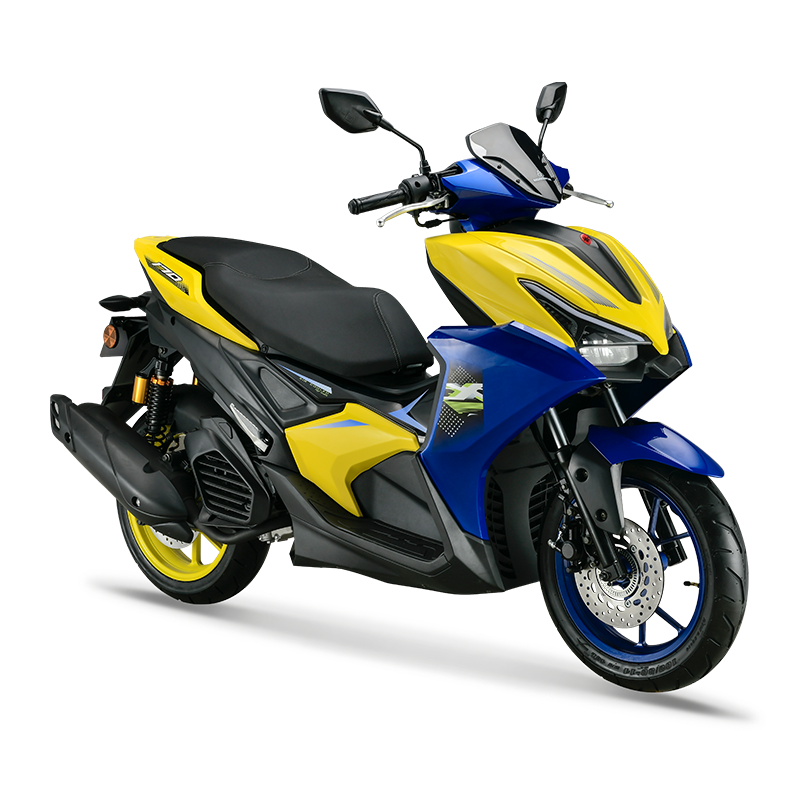
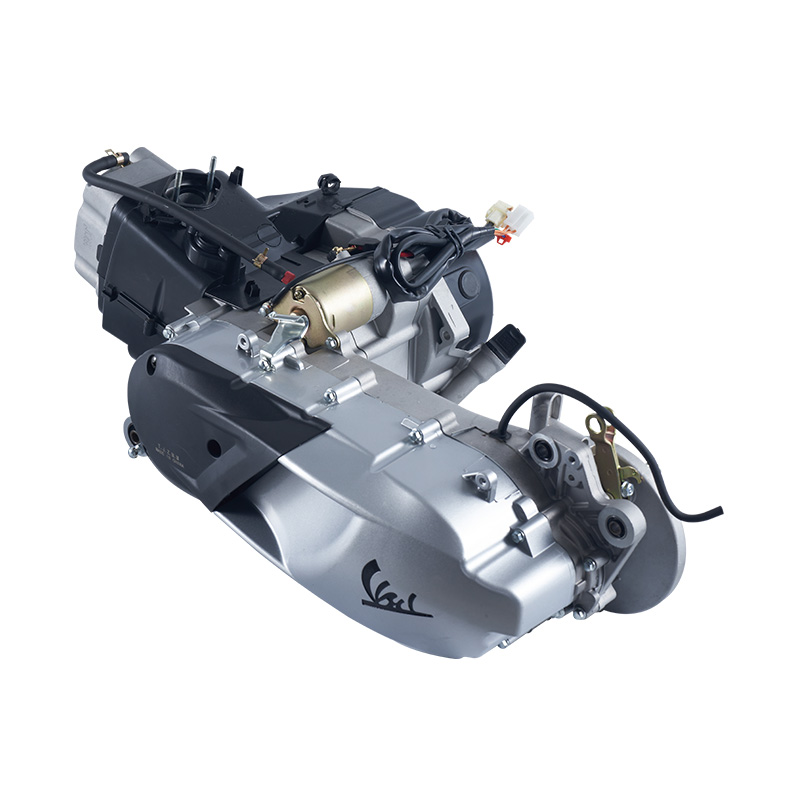
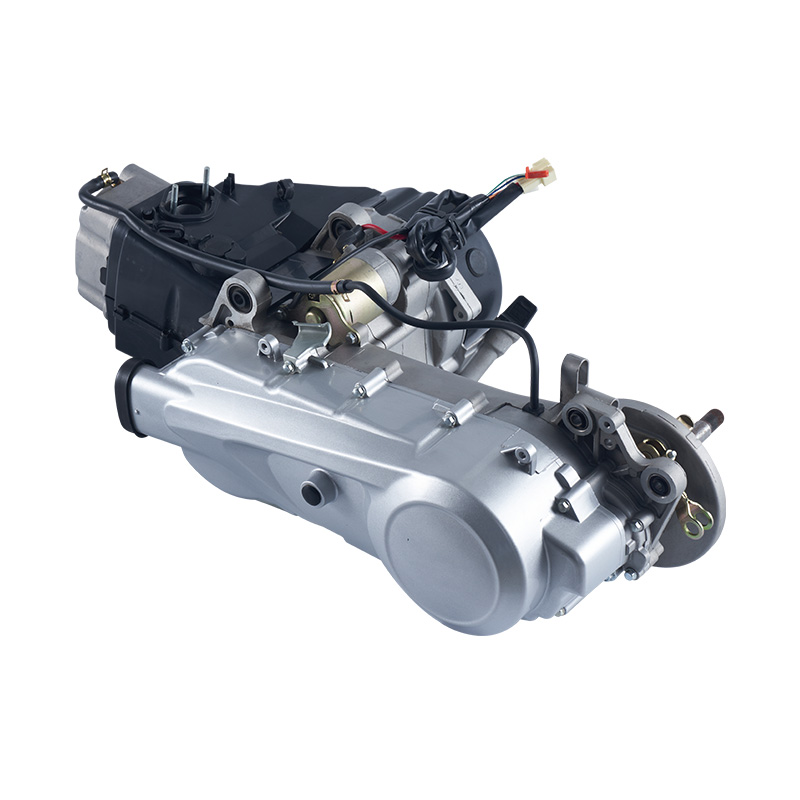
عربىNVX 4th 150cc Liquid-Cooled Electronic Fuel Injection High-Performance Scooter Motorcycle
The 4th Generation NVX 150cc, a high-performance liquid-cooled fuel-injected scooter motorcycle has been meticulous...
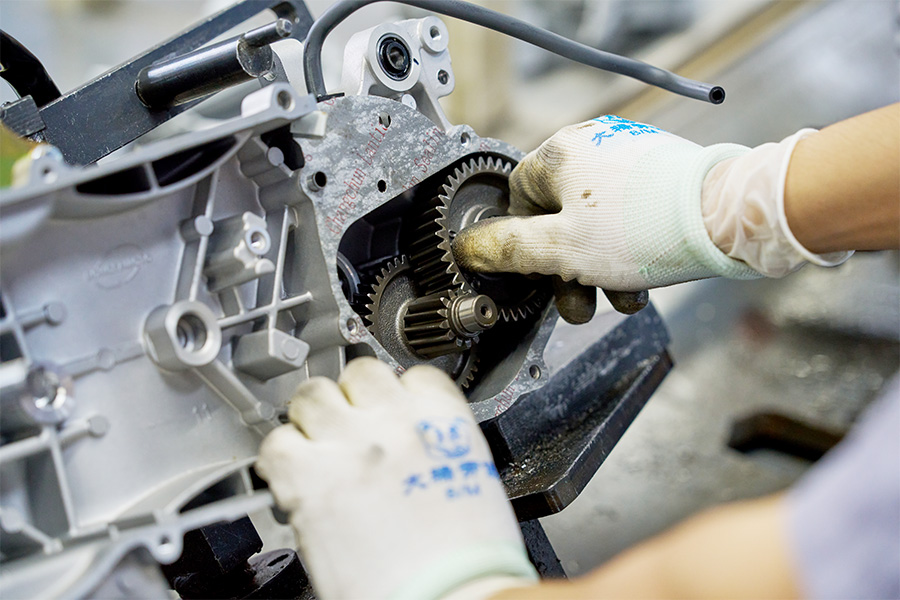
Scooter technology has changed significantly in recent years, shaped by urban mobility needs, fuel concerns, and comfort expectations. Whether a model uses a Gasoline Scooter Engine, an Automatic Scooter Engine, or a design paired with a Scooter Engine Suspension System, the goal remains consistent: provide enough power for daily travel while keeping fuel use reasonable and ensuring the scooter stays stable across varied conditions.
This article takes a clear look at how modern scooters achieve this balance. It breaks down engine choices, tuning styles, suspension integration, and the trade-offs that designers consider during development.
Before examining the balance between power, efficiency, and stability, it helps to outline the three systems this article focuses on.
| Component | Purpose | Notes |
| Gasoline Scooter Engine | Burns fuel to produce torque and speed | Common in many commuter scooters |
| Automatic Scooter Engine | Twist-and-go operation using CVT | Prioritizes smooth response and simple controls |
| Scooter Engine Suspension System | Supports frame and stabilizes movement | Works closely with engine weight and output |
Designers must consider how these systems interact, not just how each one functions individually.
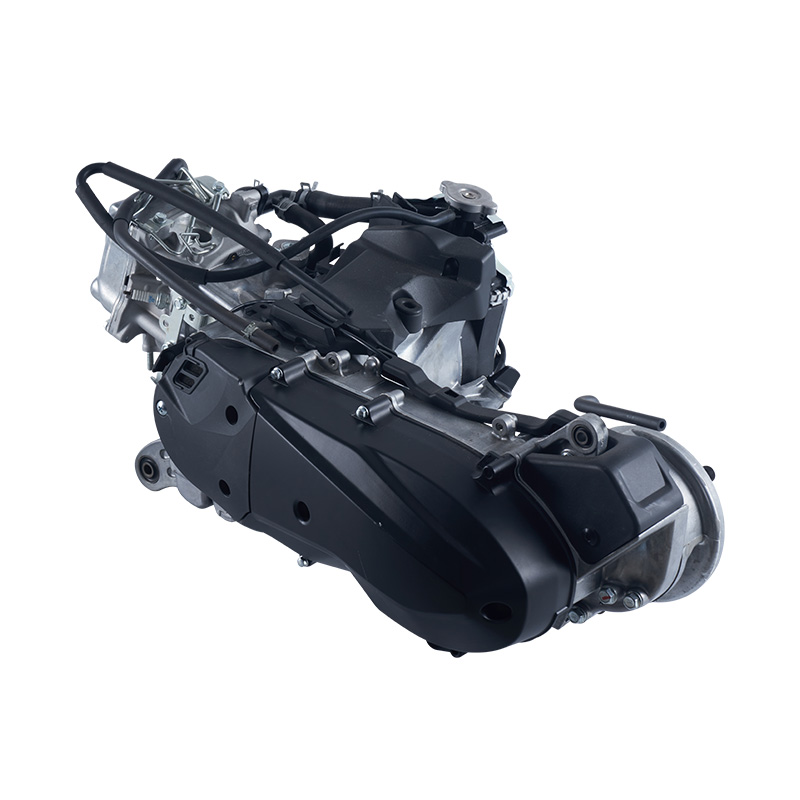
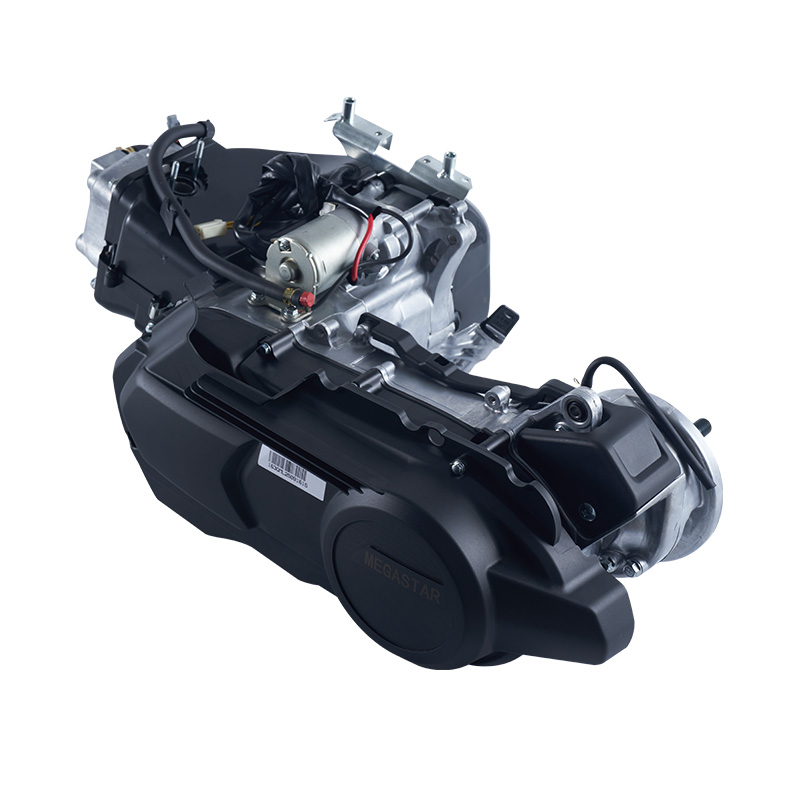
The Gasoline Scooter Engine remains popular because it offers a dependable mix of torque, familiarity, and easy refueling. Many riders appreciate that fuel stations are everywhere, making long trips simple. But manufacturers must refine these engines to make them more efficient without sacrificing ride quality.
Modern examples of a Gasoline Scooter Engine often incorporate:
These changes help the rider enjoy smoother response while limiting fuel consumption. For city riders, this means less strain during acceleration from stoplights and more predictable cruising.
Although the Gasoline Scooter Engine is still significant in today's market, it no longer exists alone. Designers often pair it with refined transmissions and improved handling systems—including suspension setups customized to match engine power and weight.
The Automatic Scooter Engine relies heavily on a continuously variable transmission (CVT), which adjusts gearing on its own. This avoids the need for shifting and keeps the engine in a comfortable power band.
Key benefits of a modern Automatic Scooter Engine include:
Unlike manual systems, the Automatic Scooter Engine prioritizes predictability over aggressive power delivery. Designers carefully tune the CVT to deliver enough torque at low speeds while consuming less fuel at cruising speeds.
In many urban environments, a well-calibrated Automatic Scooter Engine also contributes to stability. Because power comes smoothly, suspension components work in a more controlled pattern, helping the scooter maintain traction.
The Scooter Engine Suspension System is a crucial part of the balance equation. While riders notice engines most when accelerating, they feel suspension constantly—during bumps, turns, braking, and even idle vibrations.
A modern Scooter Engine Suspension System often integrates:
Because engines contribute weight and movement, suspension tuning must reflect that. A heavy rear-mounted power unit can shift the scooter's center of gravity, so designers make careful adjustments to maintain stability during cornering and braking.
The Scooter Engine Suspension System also influences how much engine power a rider can realistically use. If the suspension is too soft, acceleration may feel unstable. If it is too stiff, bumps may become uncomfortable. The right balance ensures a predictable and confident ride.
Balancing power and fuel use requires a mix of mechanical and software strategies. With both the Gasoline Scooter Engine and the Automatic Scooter Engine, manufacturers refine each part of the system, focusing on:
1. Precise Fuel-to-Air Ratios
Engines now use sensors that help maintain consistent combustion. This enhances efficiency while still providing the necessary torque for city travel.
2. Lightweight Internal Components
Less weight inside the engine reduces the effort required for rotation, improving both acceleration and efficiency.
3. Smart Transmission Control
CVT tuning allows the Automatic Scooter Engine to stay within an efficient rpm range during most riding conditions.
4. Cooling Improvements
Better cooling reduces energy loss, allowing the Gasoline Scooter Engine to maintain steadier performance.
These strategies support smoother power delivery, while the suspension system ensures the scooter remains steady even as engine behavior changes.
Stability goes beyond suspension alone. While the Scooter Engine Suspension System does handle bumps and uneven road surfaces, the engine layout itself affects balance.
Weight Distribution
Scooters often place the engine near the rear wheel. Engineers must offset this by tuning the front suspension and adjusting frame geometry.
Vibration Control
Mounting techniques reduce vibration from both the Gasoline Scooter Engine and the Automatic Scooter Engine, preventing instability during slow-speed riding.
Power Curve Moderation
Engines with abrupt torque can unsettle a lightweight scooter chassis. Designers smooth the curve to help the rider stay balanced.
These refinements ensure that engine performance does not overpower structural stability.
|
Feature |
Gasoline Scooter Engine | Automatic Scooter Engine | Scooter Engine Suspension System |
|
Power Delivery |
Strong low-to-mid torque | Smooth and predictable | Works to maintain traction |
|
Efficiency |
Relies on combustion tuning | Assisted by CVT behavior | Reduces wasted energy through stability |
|
Rider Confidence |
Familiar feel | Very easy to manage | Controls bumps and weight shifts |
|
Design Focus |
Fuel combustion improvement | CVT calibration | Frame geometry + shock tuning |
This blend of traits helps manufacturers craft scooters that feel steady even with small frames and modest engine sizes.
Daily Commuting
Both engine types provide enough torque for urban travel, while the Scooter Engine Suspension System keeps short trips comfortable.
Longer Rides
A refined Gasoline Scooter Engine delivers reliable performance over distance, supported by suspension designed to limit fatigue.
Crowded City Riding
The Automatic Scooter Engine excels here thanks to smooth acceleration, which pairs well with suspension tuned for frequent stops.
Rougher Streets
A well-balanced Scooter Engine Suspension System prevents harsh engine vibrations from affecting control, regardless of engine type.
Modern scooters achieve a thoughtful balance of power, efficiency, and stability by combining refined engines with well-tuned suspension geometry. The Gasoline Scooter Engine continues to evolve, offering strong and reliable torque. The Automatic Scooter Engine supports predictable power delivery for urban mobility. And the Scooter Engine Suspension System ties everything together, ensuring the scooter stays steady no matter how the engine behaves.
None of these components work alone. Together, they shape a riding experience that feels smooth, efficient, and controlled—exactly what today's riders expect.
E-mail: [email protected]
Tel: +86-13806579227/+86-576-88011088
ADD: Hongjiachaiyang Industrial Zone, Jiaojiang District, Taizhou City, Zhejiang Province, China
China Scooter Motorcycle Manufacturer & Factory