English
  中文简体
中文简体 русский
 Español
 عربى
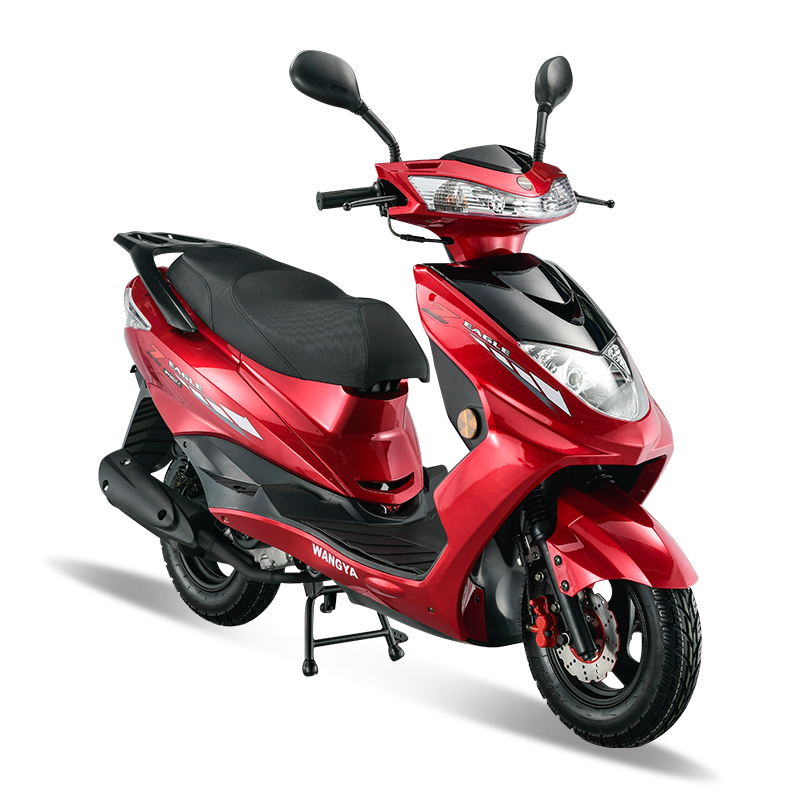
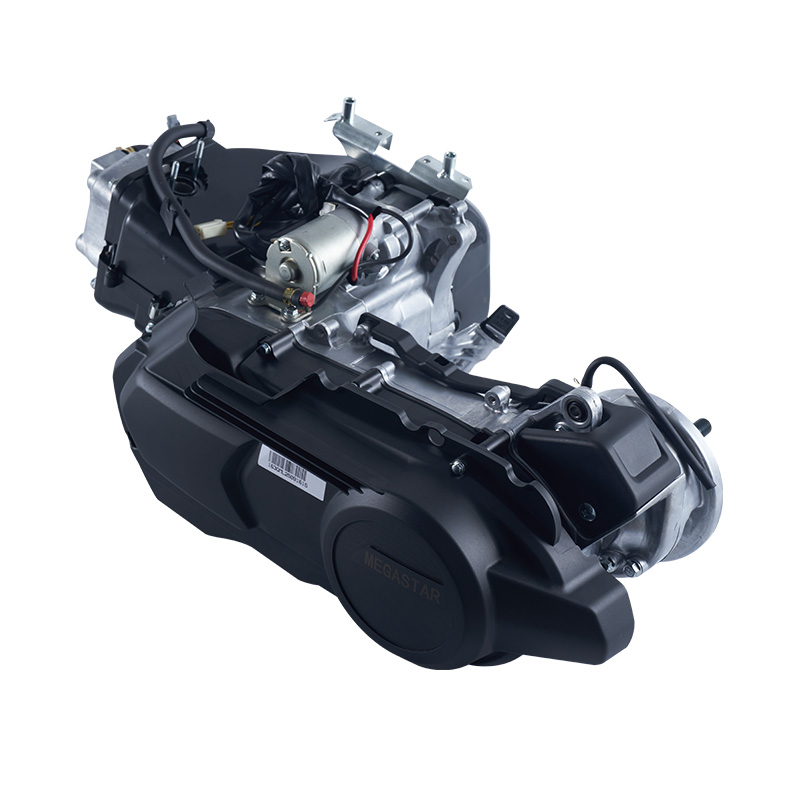
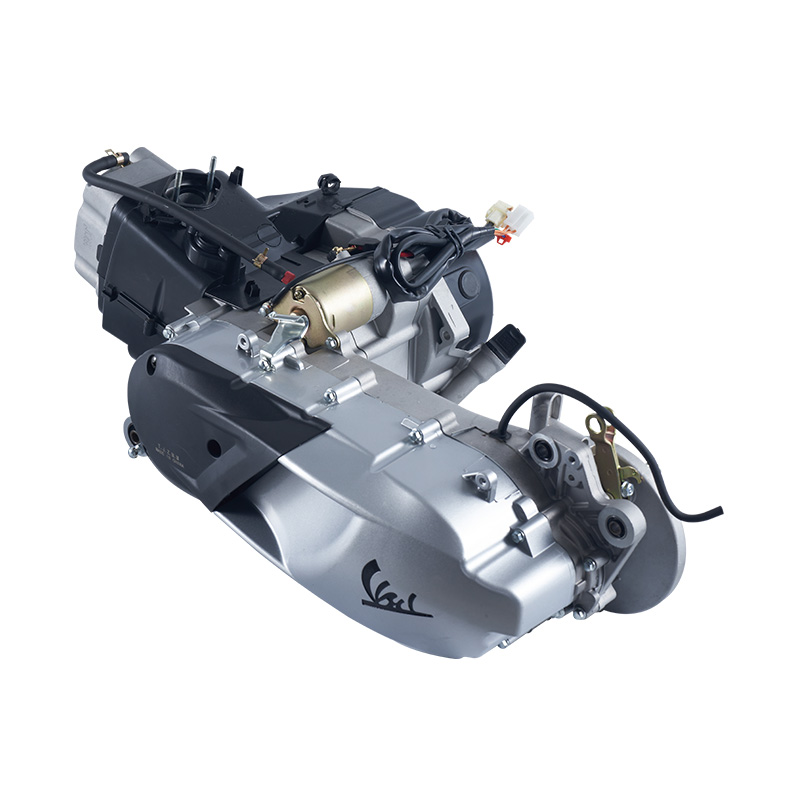
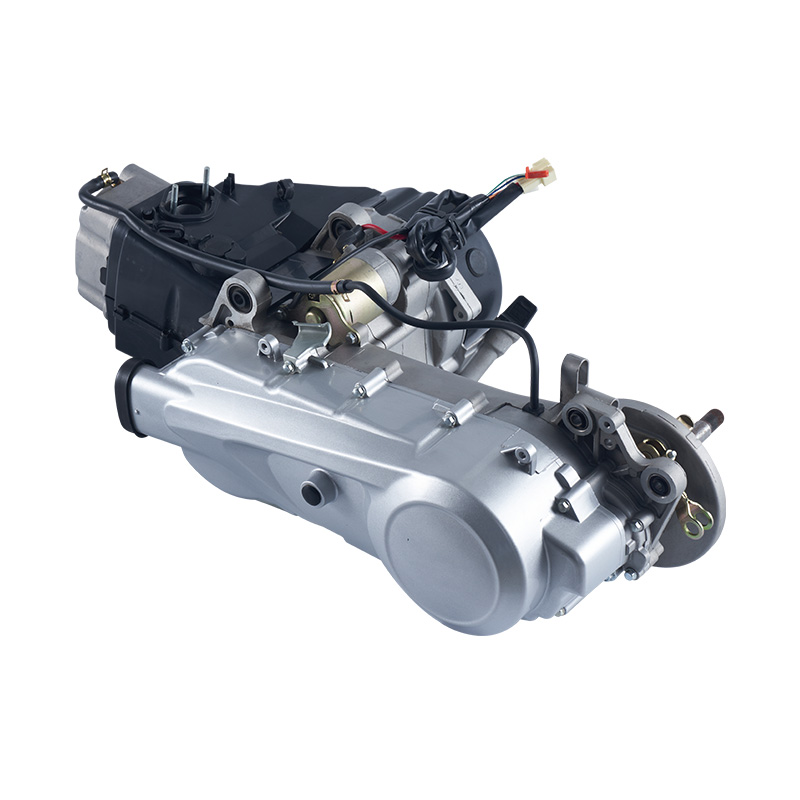
عربىNVX 4th 150cc Liquid-Cooled Electronic Fuel Injection High-Performance Scooter Motorcycle
The 4th Generation NVX 150cc, a high-performance liquid-cooled fuel-injected scooter motorcycle has been meticulous...
A Custom Motorcycle Factory usually begins with a conversation, not a machine. A rider brings an idea, a feeling, or a visual direction, and that becomes the starting point for the whole build. Some people come with a rough sketch. Others bring a photo, a riding goal, or a style they keep returning to.
From there, the build often moves through a clear path:
The early stage matters because it sets the tone for everything that follows. A bike meant for relaxed street use should not be approached in the same way as one built for display or long rides. The right direction is the one that keeps the design consistent with the rider’s habits and expectations.
A factory setting also brings order to a creative process. Instead of treating each part separately, the whole machine is planned as one piece. That approach helps the final build feel balanced rather than assembled at random.
What design choices matter most when building a custom motorcycle from scratch
| Design choice | Visual effect | Riding effect |
|---|---|---|
| Low seat line | Creates a grounded look | Can change comfort and control feel |
| Compact tank shape | Keeps the profile tight | May influence riding stance |
| Open mechanical layout | Shows structure and parts | Makes maintenance access easier |
| Slim rear section | Gives a lighter appearance | May affect passenger space |
| Wide handlebars | Adds a relaxed stance | Changes steering feel |
Style may attract attention first, but structure and comfort decide whether a bike feels usable. A Custom Motorcycle Factory has to keep all three in view at the same time. That balance is one of the reasons custom work takes careful planning.
A bike can look sharp on a stand and still feel awkward on the road. The factory has to think about where weight sits, how the rider reaches the controls, and whether the shape supports a natural posture. That is why a build usually passes through repeated adjustment.
Comfort does not mean giving up style. A bike can still have a strong visual identity while remaining stable and manageable. The best direction is often the one where the rider does not need to fight the machine to enjoy it.
Material choice affects more than appearance. It influences weight, finish, durability, and the way the machine ages. Inside a Custom Motorcycle Factory, material selection is often tied to the build’s purpose and visual tone.
Common material choices may include:
Each material brings a different character. Bare metal can feel direct and mechanical. Leather can add warmth and contrast. Coated surfaces can make the bike feel more complete and polished. The value of each choice depends on how well it fits the whole design.
Durability matters too. A material that looks appealing but wears too quickly can weaken the experience over time. On the other hand, a well-chosen surface can keep its appearance while handling regular use. That is why material selection is usually shaped by both visual and practical concerns.
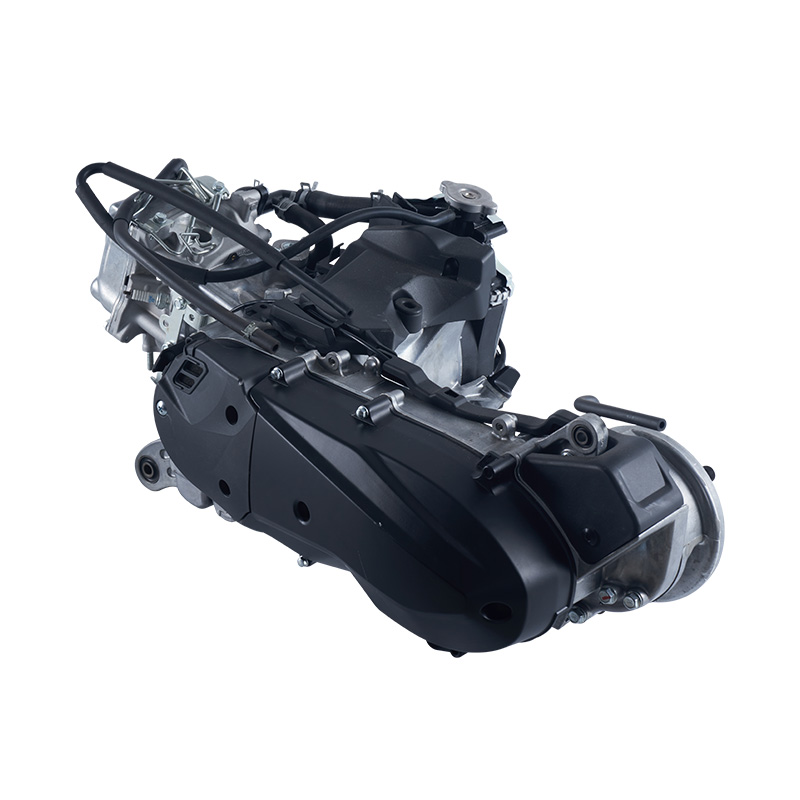
The engine gives a bike its rhythm. It affects sound, response, visual balance, and the overall mood of the build. In a Custom Motorcycle Factory, engine choice is rarely treated as a separate step. It is part of the character of the machine.
A stronger, more visible engine can make the bike feel bold and mechanical. A smaller or more compact unit can support a lighter visual style. The right choice depends on what the rider wants the bike to express and how it should be used.
Engine selection also affects how the rest of the bike is arranged. Cooling, placement, clearance, and visual flow all need to work together. When the engine feels like part of the design instead of an afterthought, the build usually feels more complete.
A strong custom build is not only about the engine itself. It is about how the engine fits the identity of the whole machine.
A Custom Motorcycle Factory usually follows a structured workflow so that each stage connects smoothly to the next. Even though every project is different, the internal process often stays consistent in its logic. It begins with understanding intent and ends with a fully assembled machine that matches that intent.
The process often moves through several connected stages:
In many cases, adjustments happen during assembly rather than only at the beginning. This allows the final machine to stay aligned with both design intent and practical use.
Choosing a Custom Motorcycle Factory is often driven by the desire for a machine that reflects personal direction rather than general usage. Standard production motorcycles are built to serve a wide range of riders, which means they follow a balanced and shared design approach. A custom build shifts that focus toward individual preference, where the shape, feel, and character of the bike are guided by one specific rider’s expectations.
Many riders are drawn to the idea of a riding posture that fits their body and habits more naturally, along with a visual identity that does not rely on common configurations. There is also interest in how the mechanical response can feel different when key components and structure are chosen with intention. In many cases, the attraction is not only the finished result but also the ability to influence how the machine is formed from early stages.
A standard motorcycle is immediately ready for use, but its design leaves limited room for personal detail beyond small adjustments. A custom build, however, allows each decision to carry meaning, from structure to surface direction. This often leads to a stronger emotional connection, since the rider is not only using the machine but also involved in shaping it. Over time, the choice is less about practicality alone and more about how the experience of riding aligns with personal expression and long term satisfaction.
Inside a factory, the relationship between the rider and the builder is a continuous exchange rather than a single exchange of instructions. The process usually begins with open discussions about expectations, where ideas about riding style, appearance, and overall direction are shared. As the project moves forward, these ideas are gradually translated into technical decisions, and both sides stay involved as the machine takes form.
Communication continues throughout the build because early concepts often need refinement once structural realities and component relationships become clearer. Visual ideas may need adjustment when they interact with mechanical limitations, and practical solutions may influence the final design direction. This creates a natural back and forth where feedback shapes each stage of progress.
The builder focuses on turning abstract ideas into workable structure, while the customer provides responses based on preference and feel. In some cases, a concept that seems clear at the beginning changes once physical components are in place, requiring small or significant adjustments to maintain balance between design intent and functional behavior. This shared adjustment process is what keeps the build aligned with both vision and real world usability, making collaboration a central part of the overall journey.
After assembly, a Custom Motorcycle Factory must ensure that the machine can function safely in real conditions. This stage focuses less on appearance and more on usability and compliance with general road expectations.
Preparation typically includes:
Each element must work together rather than separately. A bike that looks complete can still require refinement before it is ready for public use.
The process also includes adjustment of small details that affect daily handling. These may involve lever positioning, seat comfort alignment, or steering response calibration.
A key idea at this stage is consistency. Every part of the machine must support predictable behavior so that the rider can operate it with confidence in different environments.
One of the defining aspects of a Custom Motorcycle Factory is how closely the final machine reflects the person behind it. Unlike standardized models, where design decisions are shared across many units, custom builds are shaped around individual expression.
Identity can appear in many forms:
These elements combine to form a machine that carries personal direction rather than general design rules. Even subtle choices can change how the bike is perceived.
The connection is not only visual. Riders often feel that the machine matches their habits and expectations more closely because it was shaped with those factors in mind from the beginning.
In this way, the final result becomes more than a vehicle. It becomes a reflection of decision-making across design, structure, and usage.
E-mail: [email protected]
Tel: +86-13806579227/+86-576-88011088
ADD: Hongjiachaiyang Industrial Zone, Jiaojiang District, Taizhou City, Zhejiang Province, China
China Scooter Motorcycle Manufacturer & Factory