English
 中文简体
 русский
 Español
 عربى
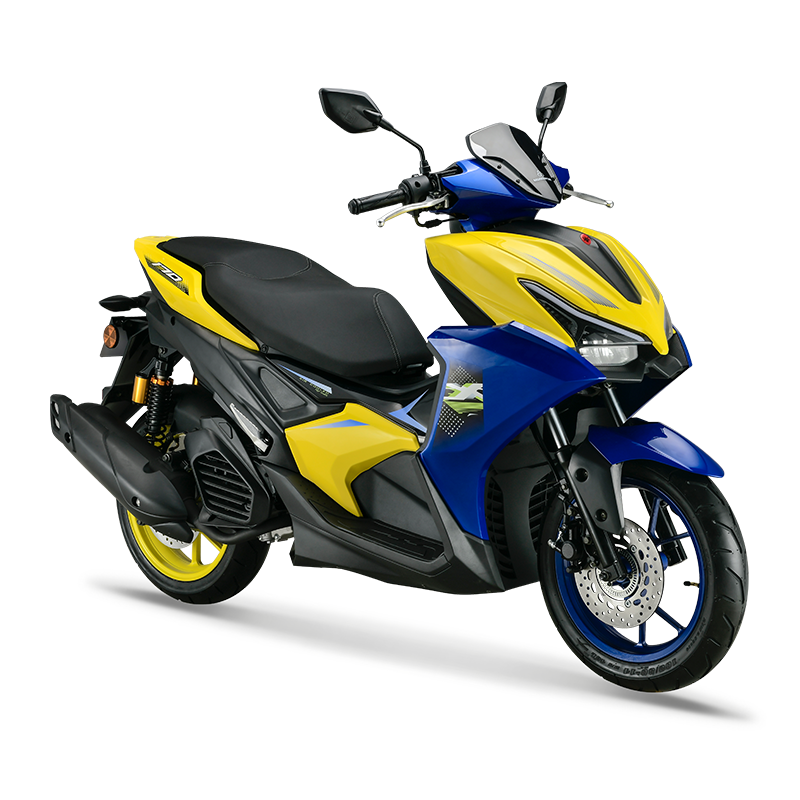
NVX 4th 150cc Liquid-Cooled Electronic Fuel Injection High-Performance Scooter Motorcycle
The 4th Generation NVX 150cc, a high-performance liquid-cooled fuel-injected scooter motorcycle has been meticulous...
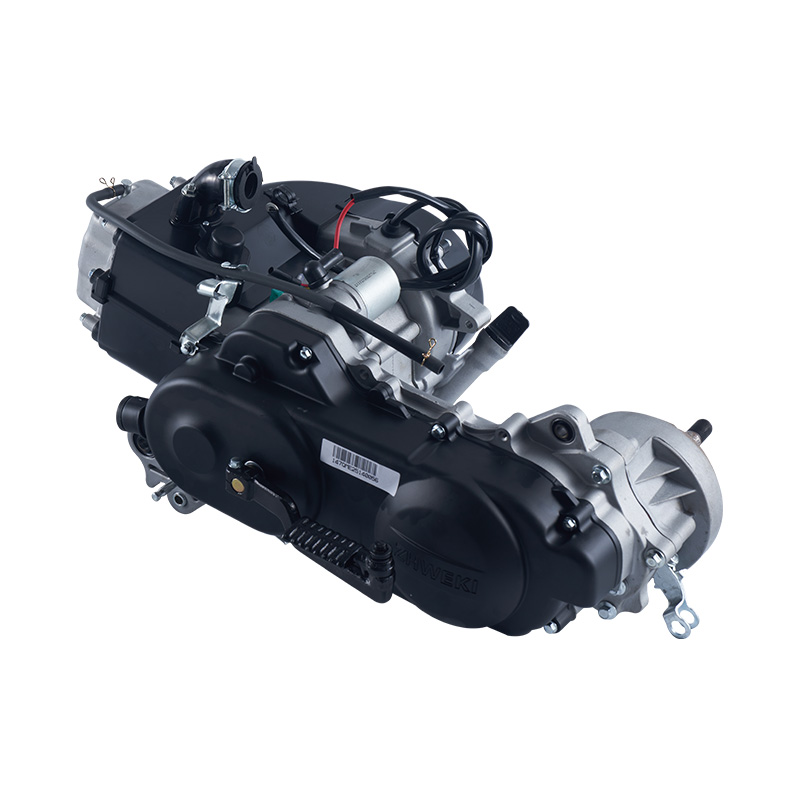
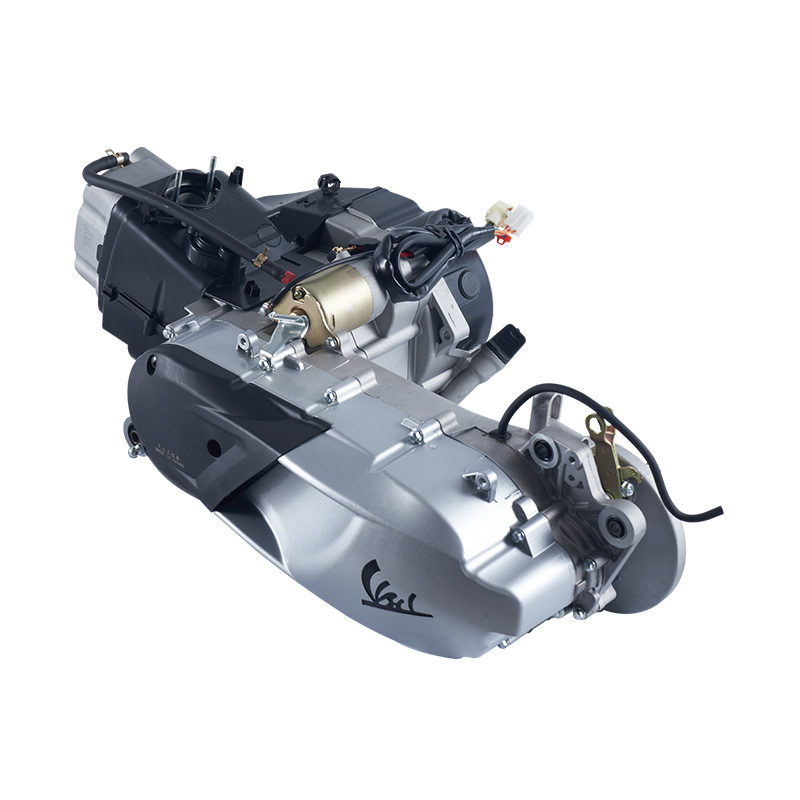
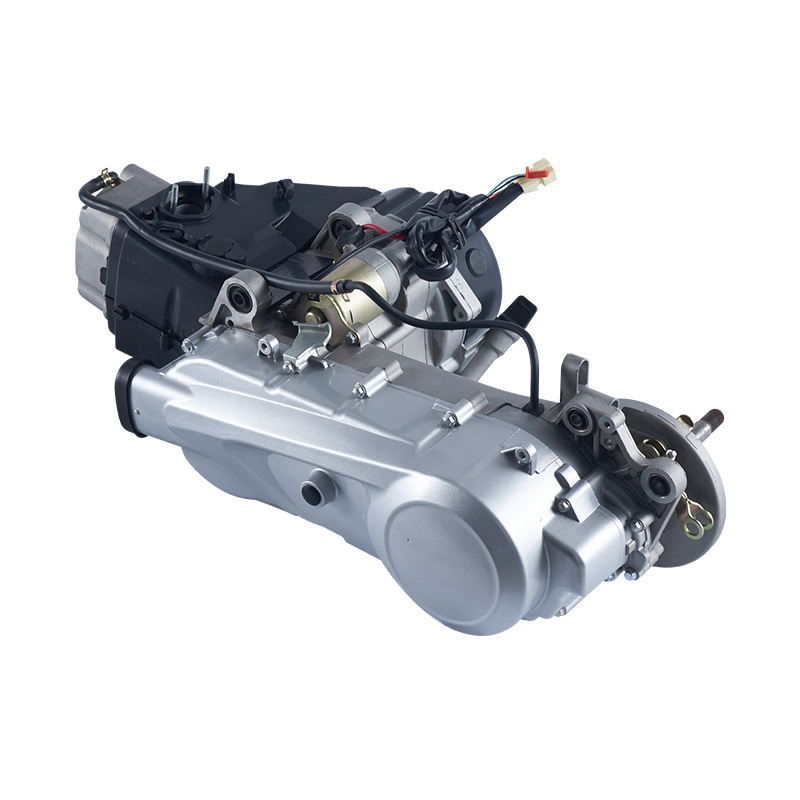
Compact scooters rely on small engines that must deliver usable power while staying light and simple to maintain. Displacement around the size often labelled for light scooters describes the volume the piston sweeps in the cylinder and is one of the first figures buyers compare. Air cooling manages heat without a liquid circuit, using the outer surface of the engine and the air that moves across it. Understanding how the main parts work together and how heat leaves the engine helps when specifications and mounting data are reviewed for a given frame. An 80cc Scooter Engine of this type is evaluated on configuration, cooling layout and mechanical interfaces, not on displacement alone.
Displacement is the volume displaced by the piston as it travels between the extremes of its stroke. It is a geometric property of bore and stroke and appears on specification sheets as a basic identifier. It does not by itself define power, torque curve or suitability for a particular scooter; those depend on the full design and on how the engine is installed and geared.
Combustion and friction generate heat in the cylinder, head and surrounding parts. In an air cooled design, that heat conducts to the outer surfaces. Extended surfaces—cooling fins—increase the area exposed to air. As air flows over those surfaces, heat is carried away. The engine therefore depends on adequate airflow and on fins that remain clean and undamaged.
Light scooters and certain other small vehicles use this class of engine when the chassis and transmission are designed for it. Mounting pattern, output shaft arrangement and space for airflow differ between models. Compatibility is confirmed against the target vehicle rather than assumed from displacement class alone.
The cylinder forms the bore in which the piston slides. Sealed rings on the piston contain the working gases. Combustion pressure acts on the piston crown and drives it along the bore, converting gas pressure into linear motion.
The connecting rod joins the piston to the crankshaft. As the piston moves up and down, the rod and crank transform that motion into rotation at the crankshaft, which then drives the transmission according to the scooter's layout.
The cylinder head closes the top of the cylinder and helps form the combustion chamber. Valve or port arrangements, spark plug location and chamber shape follow the specific engine design—two-stroke and four-stroke layouts differ substantially here.
A spark-ignition system lights the mixture at the appropriate point in the cycle. Fuel is delivered by the carburettor or injection arrangement specified for the model. Timing and mixture quality affect smooth running; exact hardware depends on the engine variant.
Cooling fins are cast or formed on the cylinder and often on the head. They are part of the structural exterior and must remain exposed to moving air when the engine is installed under bodywork or in a frame cavity.
Fresh charge—air mixed with fuel according to the fuel system—enters the cylinder through ports or valves. The intake path and timing are fixed by the engine type.
In a four-stroke design the piston rises and compresses the charge for efficient combustion. Two-stroke engines compress the charge on a different schedule linked to port timing. In both cases compression prepares the mixture for ignition.
The spark ignites the compressed mixture. Expanding gases push the piston down the bore. That force passes through the connecting rod to the crankshaft as useful rotation.
Burned gases leave through the exhaust port or valves. The next intake event follows according to the cycle type, and the sequence repeats as long as fuel, air and ignition are supplied.
Fins multiply the surface area available to reject heat. Bent, clogged or paint-clogged fins reduce that area and can raise operating temperature under the same load and ambient conditions.
Forward motion of the scooter and any ducting or fan arrangement specified for the model move air across the fins. Installation must preserve those paths; blocking them with luggage, aftermarket covers or packed dirt undermines cooling.
High ambient temperature, prolonged high load, low vehicle speed and dirty fins all reduce the margin before overheating. Regular visual checks of the fin area and of the space around the engine form part of ordinary care.
Air cooled engines rely on fins and airflow. Liquid cooled engines add jackets, coolant, a pump and a radiator. Component count, packaging and maintenance tasks differ accordingly.
Air cooled layouts need clear air paths and correct mounting. Liquid cooled layouts need space and connections for the cooling circuit. Vehicle design determines which approach fits.
Intended use, climate, maintenance preferences and the exact engine drawing guide the choice. Neither system is universally preferable for every small scooter.
Two-stroke versus four-stroke, cylinder orientation and overall configuration are confirmed against the scooter's design. Mixing incompatible types creates installation and legal issues.
Bolt patterns, engine width and height, and the connection to the transmission or variator are checked against the frame and drivetrain. Physical trial or detailed drawing comparison prevents costly mismatches.
Available figures for output, speed range, fuel type and starting method are compared with the vehicle's requirements. Only documented data for the specific model are used.
Cylinder, piston, crankshaft assembly and external finish are inspected when samples are available. Assembly care and any inspection records support confidence before volume orders.
An air cooled unit in this small-displacement class is aimed at compact scooters whose frames and transmissions are designed around similar engines. Actual configuration—stroke type, mounting and output arrangement—comes from the product definition for that model.
Cylinder, piston, crank train and finned exterior work together: combustion drives the piston, the crank delivers rotation and the fins shed heat into the airstream. Installation must respect both the mechanical interfaces and the need for airflow.
Buyers request the engine type, mounting dimensions, connection details and any rated performance data that the supplier publishes for the exact variant. Compatibility with a given scooter is confirmed before purchase.
Scooter builders, parts distributors and importers align packaging, order quantities and any agreed customisation with factory capability. Specifications, samples and quotations support that process.
It indicates approximate swept volume in the cylinder. It is a size class marker, not a complete performance description.
Heat conducts to the fins and is carried away by air flowing over them. Clean fins and open air paths are essential.
Mounting, transmission interface and regulatory requirements differ. Each vehicle needs a compatibility check.
Keeping fins clear, following lubrication instructions where they apply and inspecting mounts and linkages follow the manufacturer's maintenance guidance.
Engine type, displacement class, mounting dimensions, power-related data if published, starting method and interface details should be on the table before a commitment is made.
| Topic | Function or Concern | Buyer Focus |
|---|---|---|
| Displacement class | Identifies approximate swept volume | Match to vehicle design category |
| Cylinder and piston | Contain and transmit combustion force | Configuration matches intended cycle type |
| Cranktrain | Converts linear motion to rotation | Output matches transmission interface |
| Air cooling fins | Increase area for heat rejection | Unobstructed airflow after installation |
| Intake, compression, exhaust | Complete the working cycle | Two-stroke vs four-stroke correctly identified |
| Mounts and space | Secure the engine in the frame | Drawings or sample fit confirmed |
A small air cooled scooter engine produces rotation by repeating intake, compression, combustion and exhaust while rejecting heat through finned surfaces and airflow. Displacement class, cycle type, mounts and cooling layout must align with the target vehicle. An 80cc Motorcycle Engine in air cooled form is specified only after those points are verified against product data and the scooter's mechanical design. Taizhou Jiaojiang Zhiwei Motorbike Manufacture Co., Ltd. produces small scooter and motorcycle engines for compatible vehicles. Review of configuration, cooling arrangement, mounting dimensions and published specifications against the intended frame and transmission supports selection of an air cooled engine suited to reliable everyday operation.
E-mail: [email protected]
Tel: +86-13806579227/+86-576-88011088
ADD: Hongjiachaiyang Industrial Zone, Jiaojiang District, Taizhou City, Zhejiang Province, China
China Scooter Motorcycle Manufacturer & Factory