English
 中文简体
 русский
 Español
 عربى
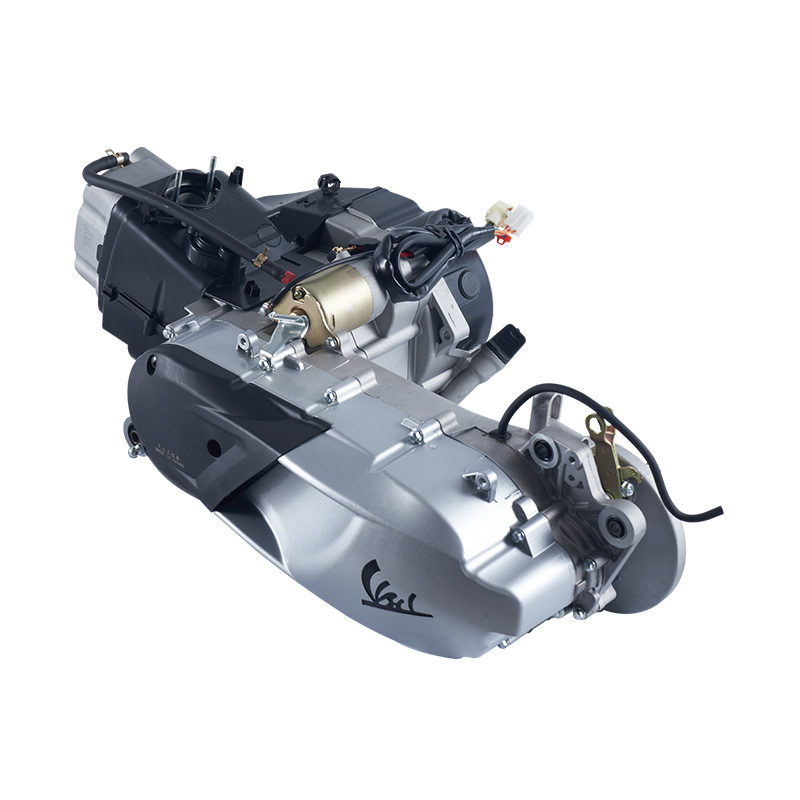
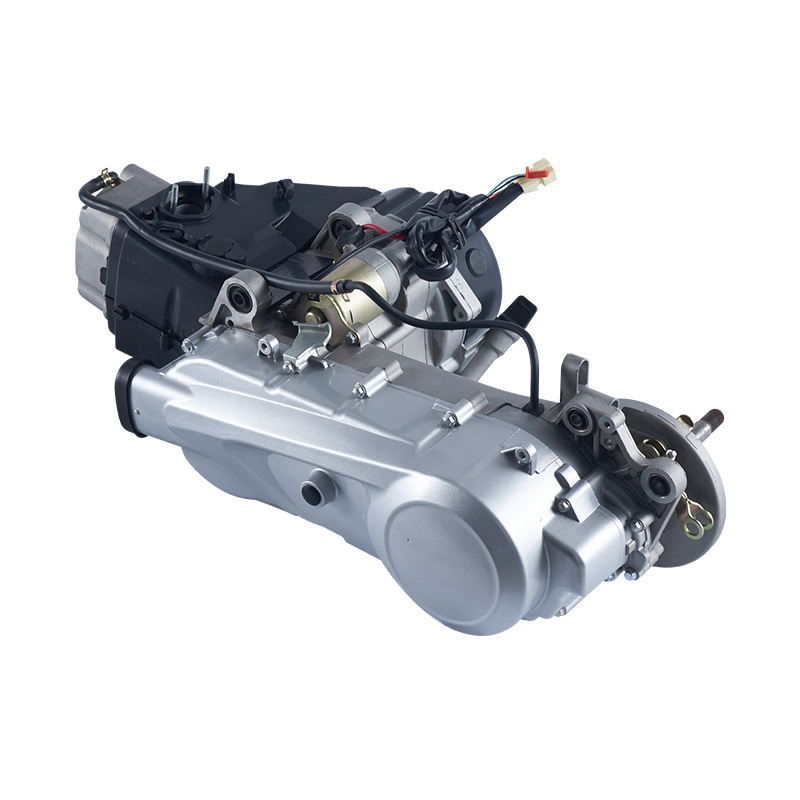
NVX 4th 150cc Liquid-Cooled Electronic Fuel Injection High-Performance Scooter Motorcycle
The 4th Generation NVX 150cc, a high-performance liquid-cooled fuel-injected scooter motorcycle has been meticulous...
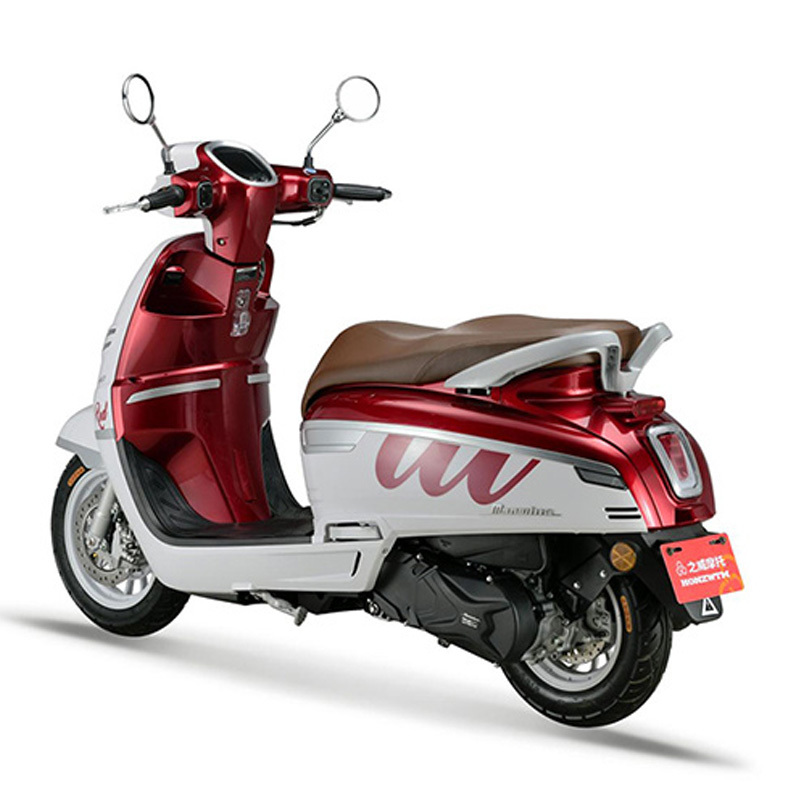
A short inspection before every departure reduces the chance of encountering a flat tyre, weak brakes or a non-working light once already under way. The sequence covers the items most likely to change from one day to the next: tyre condition, brake feel, lighting, fluid levels and the free movement of the main controls. Cheap New 125cc Scooters and Small 125 Motorbikes remain dependable for ordinary urban use when these points are verified as a matter of routine rather than only after a problem has already appeared.
Pressure is checked against the figures given in the owner's handbook or on the tyre information label fitted to the machine. Under-inflation increases rolling resistance and heat build-up; over-inflation reduces the contact patch and can make the steering feel harsh. The measurement is taken when the tyres are cold so that the reading reflects the true static pressure.
The full circumference of each tyre is examined for cuts, nails or other embedded objects, sidewall cracks and areas of uneven wear. Tread depth is assessed across the width of the tyre; any section that has worn smooth or shows the wear indicators level with the surrounding rubber requires attention before the scooter is ridden. A tyre that has been run flat or heavily overloaded is also scrutinised for internal damage that may not be obvious from the outside.
Each control is applied firmly while the scooter is stationary. The lever or pedal should move through its normal travel and then meet progressive resistance. A sudden lack of resistance, an unusually long travel or a spongy sensation indicates that further investigation is needed before the machine is moved.
Grinding or scraping noises, a lever that pulls back to the handlebar, weak retardation or any visible seepage of fluid around callipers, hoses or the master cylinder are treated as reasons to keep the scooter parked. These symptoms are recorded and referred to a qualified workshop rather than masked by repeated pumping of the lever.
With the ignition on, the headlamp (both beams if available), the rear lamp and each turn signal are switched in turn. All filaments or LED elements that are required by local regulations must illuminate. A failed bulb or a direction indicator that does not flash at the expected rate is replaced or repaired before the journey begins.
The horn is sounded briefly to confirm that it is audible. The instrument cluster is observed at start-up so that any permanent warning lamps or unusual messages can be noted. A warning that remains illuminated after the self-check period is investigated according to the handbook rather than ignored.
The fuel gauge or the visual level in the tank is checked against the length of the planned trip, allowing a margin for detours or unexpected delays. Running the tank to empty risks drawing sediment into the fuel system and leaving the rider stranded.
A quick look at the ground under the scooter and at the visible surfaces of the engine, transmission and any fluid reservoirs reveals fresh drips or wet patches. Even a small leak is traced to its source before the scooter is ridden, because fluid loss can progress rapidly once the machine is under load and vibration.
Oil level is verified according to the procedure in the owner's manual—typically with the scooter upright and the engine either cold or at the temperature specified by the manufacturer. Coolant, brake fluid and any other listed fluids are inspected for level and for obvious contamination. Topping up is performed only with the grade of fluid stated in the handbook.
The throttle grip is twisted open and then released; it must return cleanly to the closed position without sticking. The handlebars are turned from lock to lock to confirm that cables and wiring move freely and that no accessory or damaged bodywork restricts the steering arc.
Mirrors are adjusted so that the required rear view is obtained and then checked for secure mounting. The side stand or centre stand is deployed and retracted to ensure that it locks and releases properly. Visible bolts, axle nuts and other fasteners are examined for signs of movement or missing components.
The engine is started according to the normal procedure. Extended cranking, failure to fire or the illumination of warning lamps that do not extinguish are noted. A machine that starts only with difficulty is not taken on a longer journey until the cause has been identified.
Once the engine is running, any knocking, grinding, strong fuel or burning smell, or vibration that differs from the familiar pattern is treated as a signal to stop and investigate. Continuing to ride in the presence of these symptoms risks turning a minor fault into a more extensive repair.
Performing the inspection in the same sequence each day—tyres, brakes, lights, fluids, controls, start-up—reduces the likelihood that an item will be skipped. The routine becomes faster with repetition yet remains thorough because each step is expected.
Observations that appear more than once are written down and compared with the service schedule. Patterns such as a tyre that loses pressure overnight or a brake lever that gradually lengthens its travel indicate developing problems that benefit from early workshop attention.
Tyre damage that exposes the cord, brakes that fail to provide normal retardation, steering that binds, or any other fault that directly affects control or visibility are reasons to leave the scooter parked. Safety-related defects are resolved before the machine is used again.
Daily checks catch many issues while they are still minor, limiting the chance of a roadside failure and supporting the longer service intervals set out in the handbook. Combined with scheduled maintenance and the use of parts that meet the manufacturer's specifications, the habit of pre-ride inspection keeps the scooter available for regular commuting and local trips.
| Check Area | What Is Verified | Action if Fault Is Found |
|---|---|---|
| Tyres | Pressure, tread, cuts, embedded objects, uneven wear | Adjust pressure or replace damaged tyre before riding |
| Brakes | Lever/pedal feel, noise, fluid leaks, retardation | Do not ride; arrange inspection of the braking system |
| Lights and electrics | Headlamp, tail lamp, indicators, horn, warning lamps | Replace failed bulbs or investigate electrical faults |
| Fuel and fluids | Fuel quantity, oil level, visible leaks | Top up with correct fluid or trace and repair leaks |
| Controls and fittings | Throttle return, steering freedom, mirrors, stand | Free sticking controls; secure loose parts |
| Start-up behaviour | Starting ease, unusual sounds, smells, vibrations | Investigate before departure; postpone if unresolved |
Tyres, brakes, lights, fluids, controls and the behaviour of the engine at start-up form the core of a practical daily inspection. Completing the same short sequence before every trip and addressing faults promptly keeps the scooter in a condition suitable for ordinary road use. Taizhou Jiaojiang Zhiwei Motorbike Manufacture Co., Ltd. produces 125cc scooters intended for everyday travel. Review of the owner's documentation, recommended service intervals and the availability of suitable replacement parts supports both the daily checks and the longer-term care of the machine.
E-mail: [email protected]
Tel: +86-13806579227/+86-576-88011088
ADD: Hongjiachaiyang Industrial Zone, Jiaojiang District, Taizhou City, Zhejiang Province, China
China Scooter Motorcycle Manufacturer & Factory