English
  中文简体
中文简体 русский
 Español
 عربى
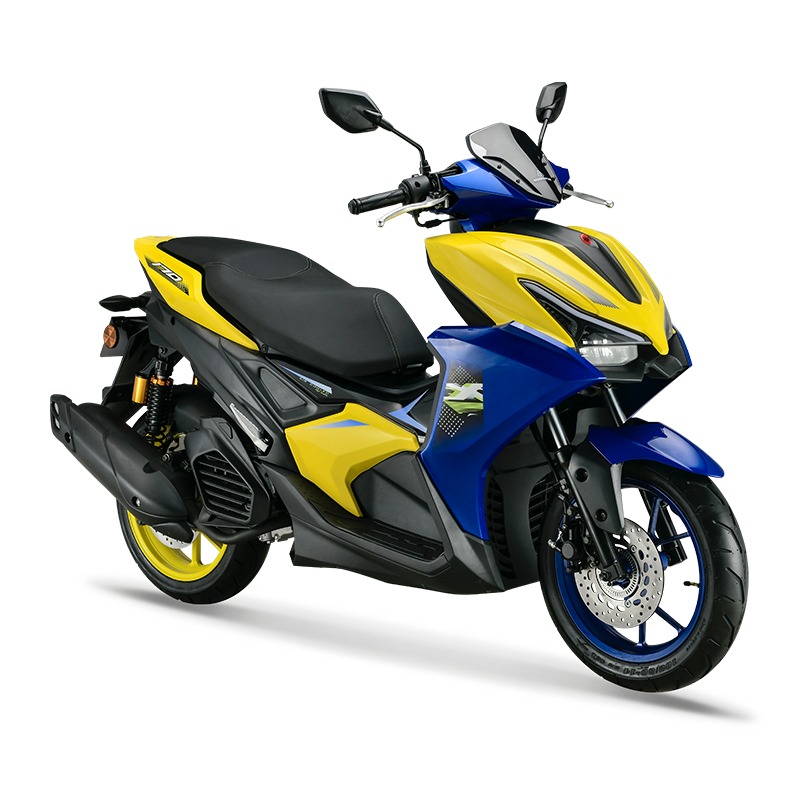
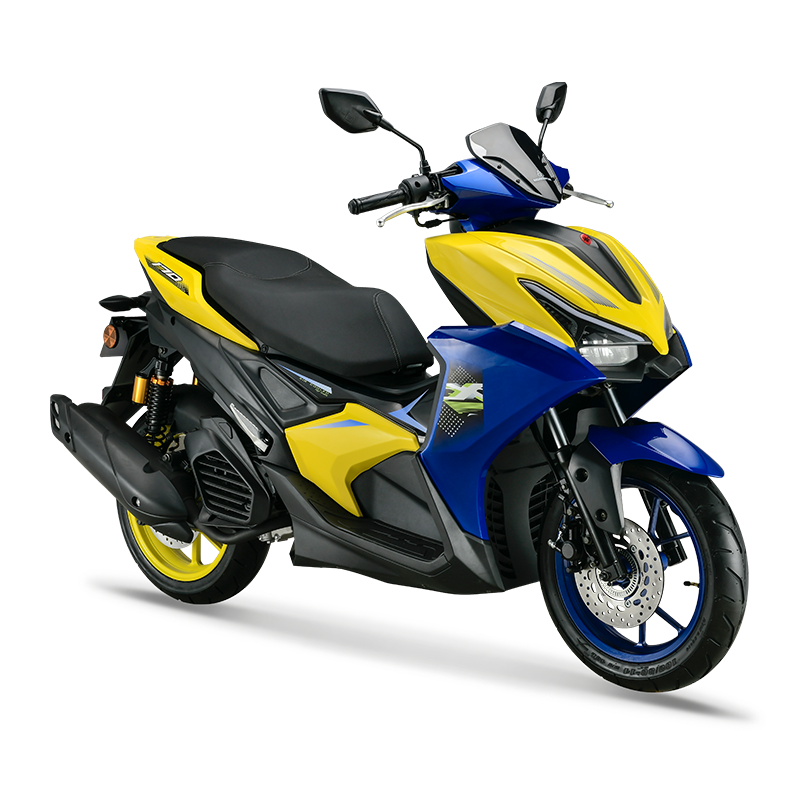
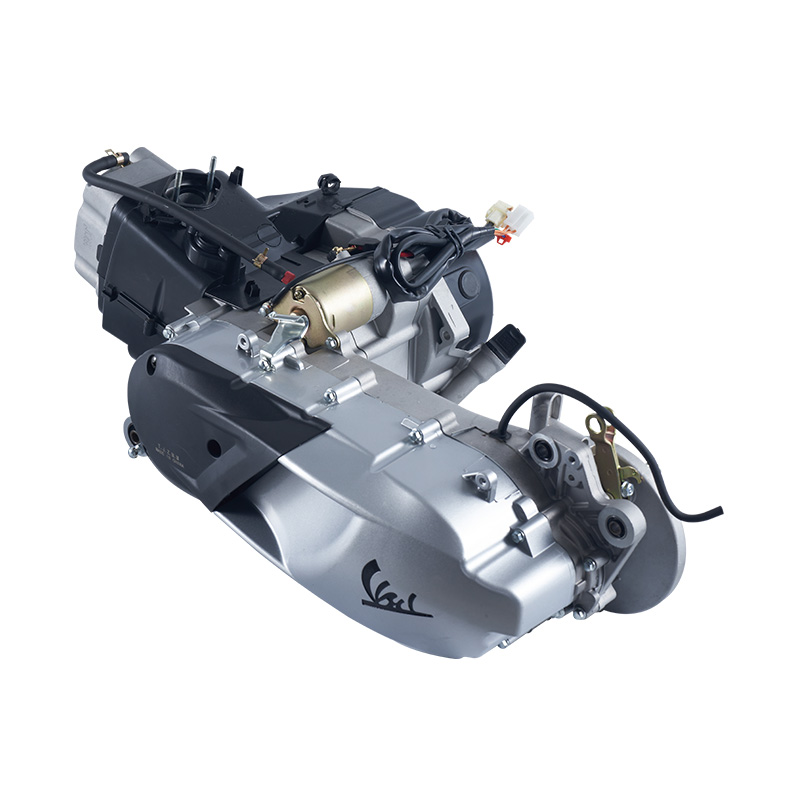
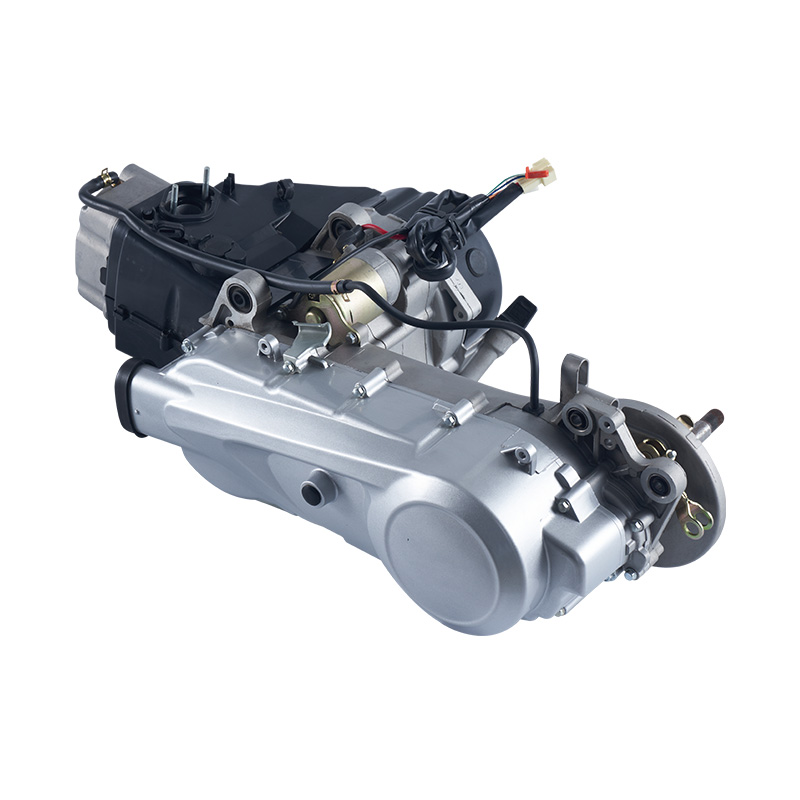
عربىNVX 4th 150cc Liquid-Cooled Electronic Fuel Injection High-Performance Scooter Motorcycle
The 4th Generation NVX 150cc, a high-performance liquid-cooled fuel-injected scooter motorcycle has been meticulous...
Scooter maintenance costs depend on more than the engine alone. The cooling method, how parts are laid out, riding habits, how easily a mechanic can reach things, and the owner's care routine all shape what someone actually spends over the years. That's why the choice between different cooling systems deserves real thought before handing over money at the dealership.
A Liquid Cooled Scooter carries additional parts whose job is moving heat away from the engine, similar in spirit to the radiator system under a car's hood. These parts work together during ordinary riding and need appropriate care to keep doing their job. At the same time, liquid cooling gives the engine a controlled way to manage heat through different riding conditions, from a slow crawl in stop-and-go traffic to a longer weekend ride.
The useful question isn't simply whether a liquid cooling system costs more to maintain. A better way to look at it is what extra upkeep it actually asks for, and how that upkeep fits into the rest of the ownership routine someone already follows.
A liquid cooling system uses a circulating liquid to carry heat away from the engine. The liquid moves through connected parts, releases heat along the way, and then returns to keep the cooling process going.
Compared with a simpler air-based cooling arrangement, this setup introduces additional components. These can include a fluid container, connecting lines, a heat-release component, and other supporting parts that work as one connected loop.
| Cooling System Area | Maintenance Consideration |
|---|---|
| Cooling liquid | Needs suitable inspection and care |
| Connecting lines | May need checks for condition |
| Fluid container | Requires inspection during service |
| Heat-release component | Needs to remain clean and functional |
| Connections | Should remain secure |
| Cooling passages | Need suitable fluid circulation |
More components naturally create more places that may need a look during service. That doesn't mean every owner faces a big jump in spending, though. The real effect depends on how the scooter's designed, how it gets used day to day, and how well routine care actually gets managed over time.
A Water Cooled Scooter depends on a liquid path that has to stay in suitable condition for the system to work properly.
The cooling liquid needs to circulate the way it's supposed to. The connected parts also need to stay intact so the system can keep pulling heat away from the engine without interruption. This creates maintenance tasks that a simple air-cooled scooter doesn't need in quite the same way.
Owners may need to keep an eye on fluid condition, visible connections, and any sign of leakage — the kind of thing a person might spot as a small wet patch under a parked scooter after a ride. These checks often fold into normal servicing rather than becoming a separate daily chore.
The extra work ties directly to the extra components inside the cooling system. It helps to think about maintenance as one complete routine rather than counting individual parts one by one. A scooter with more components may call for more inspection, but good access and sensible design can make those inspections a lot easier on both the owner and the mechanic.
The honest answer depends on the specific scooter and what its maintenance requirements actually look like.
A liquid cooling system contains extra components, so there are more items for a technician to inspect. Some services also call for attention to the cooling liquid or related parts. Still, maintenance cost isn't decided by component count alone.
Service access makes a real difference. If the relevant parts sit somewhere easy to reach, inspection takes less effort. If the design demands stripping off body panels just to reach a hose clamp, service work gets more involved. The quality of the vehicle's construction and the owner's own maintenance habits matter too.
| Factor | Possible Effect on Maintenance |
|---|---|
| Number of cooling components | Creates more areas for inspection |
| Component access | Influences service effort |
| Fluid condition | Affects cooling-system care |
| Riding environment | Can influence wear and contamination |
| Maintenance habits | May affect component condition |
| Product design | Shapes service requirements |
That's exactly why buyers should avoid assuming every liquid cooled scooter carries the same ownership cost. Two models with the same cooling method on paper can end up feeling very different in the workshop.
Cooling liquid is one of the clearest differences between a liquid cooling system and an air-based arrangement.
The liquid circulates through the system whenever the engine runs. Over time, its condition can change, and the system may need inspection or replacement according to the manufacturer's own maintenance instructions.
The exact care process varies between scooters. Some owners only need to check the system during scheduled service. Others benefit from paying closer attention when the scooter gets used often or in demanding conditions, like daily commuting through heavy summer traffic.
Cooling liquid simply belongs in the maintenance routine. Owners should use the fluid type specified for their particular scooter and follow the relevant service instructions, rather than picking a replacement based on appearance or a general assumption that "coolant is coolant."
Leaks deserve real attention from owners, since small problems tend to grow when ignored.
A liquid cooling system relies on its connected parts staying sealed during normal use. If a line, a connection, or a related component develops a fault, cooling liquid can escape. A small visible change sometimes turns out to be an early sign that an inspection is due.
Ignoring a suspected leak can let the underlying problem become more complicated and more expensive to fix. Regular inspection helps catch visible signs before they interfere with how the scooter runs. Owners can watch for unusual fluid marks, changes around connections, damaged or worn lines, odd engine temperature behavior, and any change in how the scooter normally feels while riding.
These observations don't replace a professional inspection, of course. If a cooling-system problem seems likely, following the scooter manufacturer's service guidance helps determine the sensible next step rather than guessing at a fix.
An air-cooled scooter and a liquid cooled scooter handle engine heat in different ways.
An air-cooled design relies on airflow moving around the engine. A liquid cooled system uses circulating liquid to move heat away from the relevant engine areas instead. That difference changes what actually needs inspecting during service.
| Maintenance Area | Air Cooled Scooter | Liquid Cooled Scooter |
|---|---|---|
| Airflow area | Requires attention | Still relevant to overall vehicle design |
| Cooling liquid | Not part of the cooling system | Requires inspection and care |
| Fluid connections | Not related to engine cooling | May require inspection |
| Heat-release components | Different arrangement | Requires system-specific care |
| Service routine | Depends on vehicle design | Includes cooling-system checks |
Neither approach automatically decides the total maintenance bill. The broader scooter design still matters a great deal. Engine condition, transmission, brakes, tires, electrical components, and suspension all feed into ownership expenses, often more than the cooling method itself does.
How a scooter gets used shapes what maintenance it needs, sometimes more than the cooling design does.
A scooter used mainly for short errands runs through a different operating pattern than one used for longer journeys. Frequent stopping, heavy traffic, uneven roads, and long stretches of operation all change the demands placed on the vehicle. None of this creates a problem with liquid cooling on its own — it just shows why maintenance should reflect how the scooter really gets ridden.
A rider who understands their own usage pattern can follow a more appropriate care routine. A scooter that gets ridden daily benefits from regular visual checks as part of ordinary ownership. One that sits parked for weeks still needs suitable storage and an inspection before a longer ride. The cooling system is best treated as one part of the whole vehicle rather than a separate maintenance project sitting off to the side.
Repairs can involve more steps once a system contains additional components.
A liquid cooling system may require a technician to inspect several connected areas while diagnosing a problem. Tracking down the source of a cooling issue can mean checking the fluid, the connections, the circulation path, and related parts one after another. That can make some repairs more involved than on a simpler cooling arrangement.
Repair difficulty depends heavily on how the vehicle was designed, though. A well-organized system with accessible service points is easier to inspect than a crowded layout where components hide behind other parts. For a Scooter Liquid Cooled model, component arrangement therefore matters right alongside the cooling method itself. Manufacturers can support easier service by thinking about access during product development rather than leaving it as an afterthought.
The condition of individual components affects how often maintenance is needed.
Connecting lines, seals, containers, and other cooling-system parts need to suit their operating environment, including heat, vibration, and weather. If a component becomes damaged or worn, it may need inspection or replacement. That's why maintenance shouldn't focus only on the cooling liquid itself.
A cooling system is made of connected parts, and their condition shapes how the system works as a whole. A practical inspection can consider the visible condition of accessible components, connection areas where leaks or looseness may show up, fluid condition according to the manufacturer's instructions, engine behavior whenever unusual changes appear, and the service history so routine care doesn't slip through the cracks. These checks help owners understand the cooling system's condition without turning ordinary scooter ownership into a complicated project.
Routine maintenance can't eliminate repair costs, but it can help owners catch issues while they're still easier to address.
A neglected cooling system may develop problems that spill over into other parts of the vehicle. An unnoticed leak, for example, can reduce the amount of cooling liquid available, and continued riding under unsuitable conditions can then create additional concerns nobody planned for.
Regular service keeps attention on the condition of connected components. This approach suits riders who rely on their scooter for regular transportation, such as a daily commute where a breakdown means a missed shift. A maintenance schedule can include cooling-system inspection alongside other routine scooter checks. The goal isn't servicing every part more often than needed — it's following the care requirements suited to the vehicle and how it's actually used.
A buyer considering a Liquid Cooled Scooter can look beyond the basic engine description on the spec sheet.
Maintenance requirements are part of the ownership experience, so it helps to understand how the cooling system's designed and serviced before signing anything.
| Buyer Question | Why It Matters |
|---|---|
| What cooling components require routine inspection? | Shows the scope of regular care |
| How is the cooling liquid maintained? | Helps plan routine servicing |
| Are service areas easy to access? | Can influence repair effort |
| What signs indicate a cooling-system issue? | Supports early attention |
| What care is recommended for the scooter? | Helps establish a suitable routine |
| Are cooling parts easy to identify? | Supports inspection and service |
These questions paint a clearer picture than simply asking whether liquid cooling is expensive. The answer ties closely to the actual scooter design in front of the buyer, not to the cooling method as a general category.
Manufacturers can think about maintenance during the design stage instead of treating it as a service problem to deal with after production.
Accessible components make inspection easier. Clear routing of cooling lines helps technicians understand the system quickly. Well-organized component placement simplifies service work. Design areas worth attention include access to cooling components, protection of connecting lines, clear component placement, practical service points, suitable fluid access, and easy identification of the relevant parts.
These choices shape the ownership experience in ways buyers notice over the years. A liquid cooling system doesn't have to be difficult to maintain simply because it contains more components. Good product design can make routine inspection a lot more straightforward for mechanics and owners alike.
Conversations about liquid cooling often stay fixed on the additional components, but there's another side worth weighing.
Managing engine heat supports stable engine operation under changing riding conditions. A Water Cooled Scooter can use this approach to handle heat during extended riding and shifting loads, such as climbing a long hill or sitting in slow traffic on a hot afternoon. Stable engine operation can contribute to the condition of other engine components when the system's properly maintained.
None of this removes the need for routine service. It simply shows why maintenance makes more sense when viewed together with the purpose of the cooling system. The additional components exist because they perform a specific function, and their upkeep is part of keeping that function working.
For many riders, the answer comes down to how the scooter fits their normal routine.
A liquid cooling system may need additional checks compared with a simpler cooling arrangement, while offering a structured way to manage engine heat across different operating conditions. The ownership decision can weigh the cooling system, the maintenance routine, the riding environment, service access, and overall ownership needs all together.
A rider who prefers a simple mechanical layout may value having fewer cooling components to look after. Another rider may find liquid cooling suits the way they use the scooter. Neither choice can be separated from the actual vehicle design. For manufacturers, the challenge is making the cooling system functional without making routine care harder than it needs to be. For buyers, understanding service requirements up front makes ownership expectations clearer before choosing a scooter.
A liquid cooling system belongs in normal scooter care rather than something that only matters once a problem shows up.
Regular inspection, suitable fluid care, attention to unusual changes, and professional servicing when needed all support the condition of the system. The same principle applies to other scooter components — brakes, tires, suspension, transmission, electrical parts, and the engine all need appropriate attention over the years.
The presence of liquid cooling doesn't automatically mean ownership costs will climb significantly. It adds another group of components to maintain, but the actual cost depends on design, usage, service access, component condition, and the care routine the owner follows. Understanding these factors gives buyers a more practical way to assess a Liquid Cooled Scooter, Water Cooled Scooter, or Scooter Liquid Cooled design without judging the cooling method on component count alone.
E-mail: [email protected]
Tel: +86-13806579227/+86-576-88011088
ADD: Hongjiachaiyang Industrial Zone, Jiaojiang District, Taizhou City, Zhejiang Province, China
China Scooter Motorcycle Manufacturer & Factory