English
  中文简体
中文简体 русский
 Español
 عربى
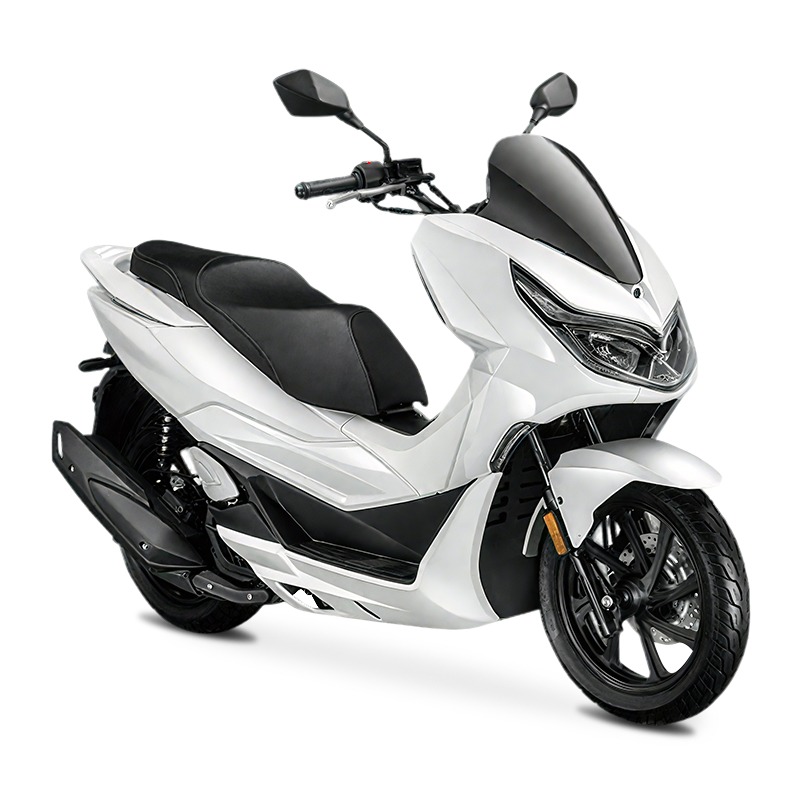
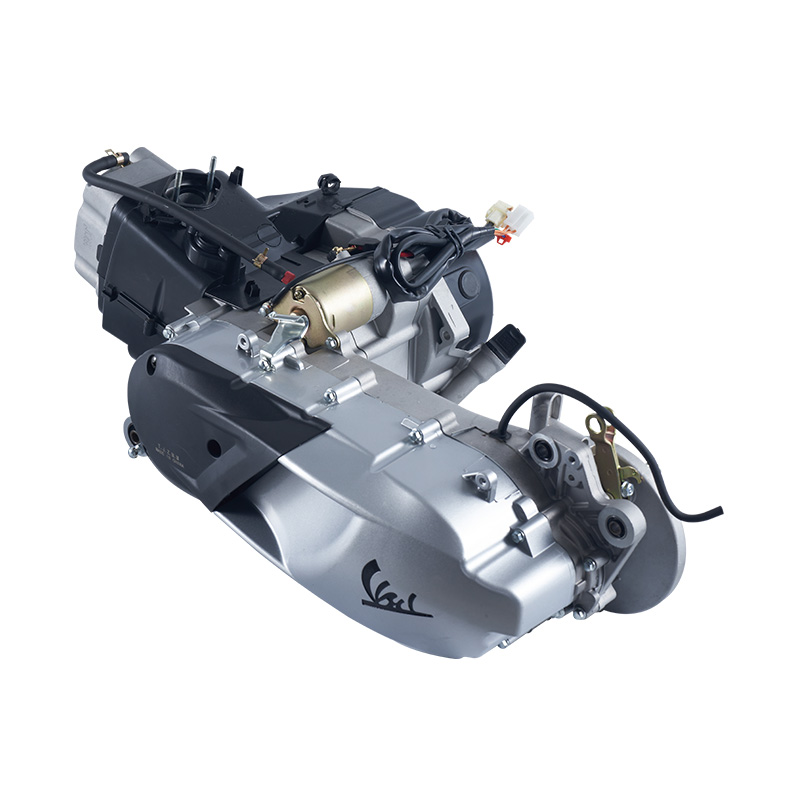
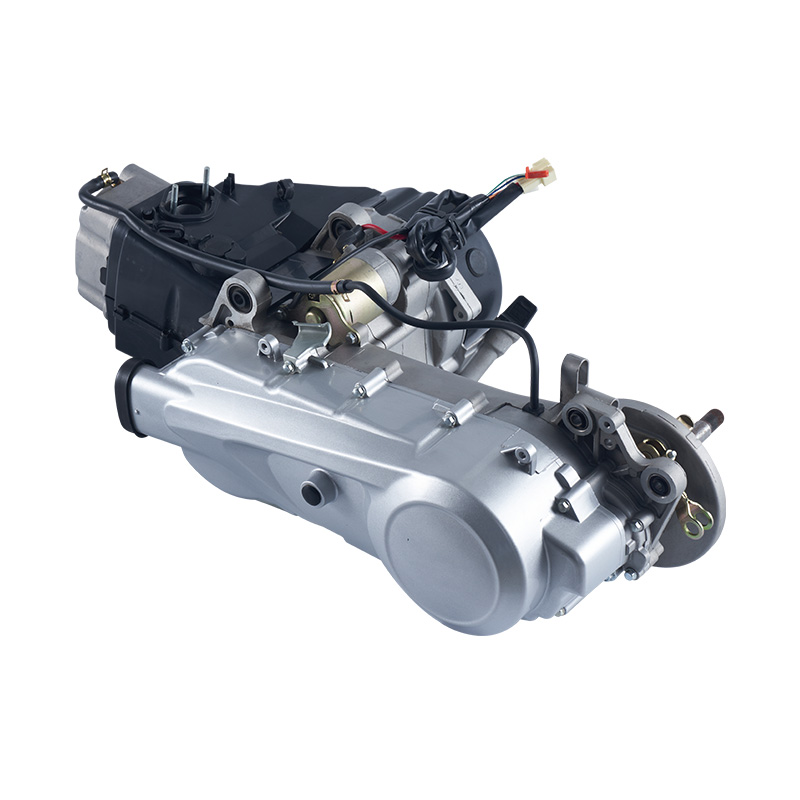
عربىNVX 4th 150cc Liquid-Cooled Electronic Fuel Injection High-Performance Scooter Motorcycle
The 4th Generation NVX 150cc, a high-performance liquid-cooled fuel-injected scooter motorcycle has been meticulous...
Long scooter rides create genuinely different demands from short trips around town. The engine operates for genuinely longer periods, the rider spends more time in the seat, and road conditions can change several times during one journey stretching across a highway. These factors make riding stability a genuinely important part of scooter design.
A Liquid Cooled Scooter uses a liquid-based cooling system to help manage engine temperature during operation on a long stretch of road. The cooling system works alongside the engine and other vehicle components, supporting genuinely more consistent operation during extended riding through changing conditions.
The effect of liquid cooling isn't limited to temperature control alone. Engine condition, power delivery, rider comfort, vehicle layout, and maintenance can all influence how genuinely stable a scooter feels over a longer journey.
Understanding these connections can help riders and buyers look genuinely beyond the appearance of a scooter and consider how its systems work together during extended use.
A short trip may only require a scooter to operate for a genuinely limited period, like a quick run to the store. A longer journey creates a genuinely different riding pattern altogether. The engine continues working while the scooter moves through changing traffic, road surfaces, and weather conditions over hours. The rider also remains in the same riding position for a genuinely longer time.
When these factors continue together, small changes in vehicle behavior can become genuinely more noticeable to the person on the seat.
| Area | Possible Effect on Long Rides |
|---|---|
| Engine operation | Influences how consistently the scooter performs |
| Cooling | Helps manage engine heat |
| Power delivery | Affects acceleration and speed changes |
| Rider position | Influences physical comfort |
| Vehicle balance | Supports controlled movement |
| Maintenance | Helps keep systems working as intended |
A stable ride doesn't come from one component alone sitting under the seat. It develops from the interaction between the engine, cooling system, chassis, controls, tires, and rider working together as one whole.
An engine produces heat while it operates, running hotter the longer it works. During a short trip, there may be genuinely less time for heat to become a noticeable factor before the ride ends. Extended riding creates a genuinely longer period of continuous engine operation instead.
A liquid cooling system moves heat away from important engine areas through a controlled cooling path built into the frame. The liquid absorbs heat and carries it toward another part of the system where that heat can get released into the air. The cooled liquid then returns to continue the process, cycling through again and again.
This creates a genuinely continuous cycle while the engine is running down a long highway. For a Water Cooled Scooter, this cooling arrangement can help maintain a genuinely more controlled operating environment during extended use.
The benefit isn't that the scooter stays at one exact temperature the whole ride. Instead, the cooling system helps manage changes that occur as operating conditions genuinely shift from stop-and-go traffic to open road. This can prove useful during longer rides where the engine has fewer opportunities to remain inactive between stretches.
Engine behavior can genuinely influence how a scooter feels from the rider's position on the seat. When the engine responds consistently, the rider can make genuinely smoother adjustments to speed and throttle input without second-guessing. This can make changing traffic conditions genuinely easier to handle mile after mile.
Long rides often involve genuinely repeated acceleration and slowing throughout the journey. A scooter may move through open roads, intersections, slower traffic, and stretches where the rider needs to adjust speed constantly. Consistent engine operation can make these changes feel genuinely more predictable from one moment to the next.
The cooling system contributes indirectly by helping manage engine heat during operation over hours. This doesn't mean liquid cooling alone determines the riding experience, of course. The transmission, throttle system, tires, suspension, and rider habits also play genuinely important roles in how the ride actually feels.
Comfort is genuinely closely connected to stability felt on the seat. When a rider feels the scooter is behaving consistently, it can prove genuinely easier to maintain a relaxed riding position over a long stretch. Excessive heat around the engine area may also affect the overall riding environment, depending on the vehicle's design and how it's arranged.
Liquid cooling can help manage heat within the engine system throughout the ride. The way that heat gets moved and released depends genuinely on the vehicle layout chosen by designers. Designers need to consider where the cooling components sit and how they interact with surrounding parts squeezed into a compact frame.
A practical cooling arrangement can therefore support both engine operation and the overall riding environment felt by the person in the seat.
| Design Area | Long-Ride Consideration |
|---|---|
| Engine cooling | Helps manage heat during continued operation |
| Heat release | Influences how heat moves away from the engine |
| Component placement | Affects space and surrounding systems |
| Rider area | Can influence perceived comfort |
| Air movement | Supports heat release around relevant components |
These factors show why cooling should get considered as genuinely part of the complete scooter design, not an afterthought bolted on.
Both cooling approaches get used to manage engine heat, but they use genuinely different methods to do it. An air-cooled scooter relies on airflow around the engine to help release heat as the bike moves. A water-cooled or liquid-cooled design uses a liquid system to move heat away from the engine instead.
The difference becomes genuinely relevant when considering how the scooter actually gets used day to day. Airflow can change with vehicle speed and surrounding conditions, slowing at a red light. A liquid cooling system uses a dedicated path to circulate cooling liquid through the relevant areas regardless of speed.
| Cooling Approach | General Operating Principle |
|---|---|
| Air cooling | Uses surrounding airflow to release heat |
| Liquid cooling | Uses circulating liquid to move engine heat |
| Water cooled design | Uses a liquid-based cooling arrangement |
| Mixed cooling arrangement | Combines different cooling methods |
Neither approach automatically determines whether a scooter is genuinely suitable for a particular ride on its own. The overall vehicle design, intended use, maintenance routine, and riding environment still need genuine consideration before choosing one over the other.
Power delivery is genuinely noticeable whenever a rider accelerates, slows down, or changes speed mid-ride. During a long ride, the engine may experience genuinely many different operating conditions across the journey. A well-managed cooling system can help the engine remain within its intended operating environment as these conditions genuinely change from one mile to the next.
This can support genuinely more consistent engine behavior throughout a long stretch. The rider may notice this through predictable acceleration and smoother changes in speed, rather than through the cooling system itself sitting hidden under the body.
For a Scooter Liquid Cooled design, the cooling system is therefore part of a genuinely larger group of components that influence how the vehicle responds mile after mile.
The relationship can get viewed simply as a chain: engine operation leads to heat generation, which triggers the cooling process, which supports a controlled operating environment, which results in consistent vehicle response.
The cooling system is only one part of this chain, though. Proper maintenance and suitable vehicle design remain genuinely important pieces of the puzzle.
Adding a liquid cooling system requires genuine space for additional components tucked into the frame. These may include a cooling passage alongside a fluid storage area holding the liquid. A heat-release component matters too, along with connecting lines and related parts threading through the body.
Because scooter bodies are genuinely compact by nature, designers need to arrange these components carefully around everything else already there. The layout can genuinely influence other areas of the scooter as a result.
Storage space, body panels, engine access, service areas, and airflow around the vehicle may all need genuine consideration during that arrangement process. A well-planned layout can help keep the cooling system protected while allowing technicians to reach relevant areas during a maintenance visit later.
For riders, the result may be genuinely less obvious day to day. They experience the final vehicle, rather than the internal arrangement hidden underneath the panels. However, the layout can still genuinely influence balance, comfort, service access, and everyday practicality felt on every ride.
A scooter needs to remain genuinely controllable while the rider changes speed, turns, stops, and responds to road conditions appearing without warning. Long rides can make small handling differences genuinely more noticeable because the rider spends genuinely more time interacting with the vehicle over hours.
Weight distribution is one factor that designers need to genuinely consider from the earliest sketches. Components such as the engine, battery if present, cooling system, storage areas, and fuel system all occupy space within the frame. Their positions can genuinely affect how the scooter is balanced when leaning into a turn.
A suitable layout can help maintain genuinely predictable handling across different situations. This proves particularly useful when the scooter moves between different road conditions during the same trip.
| Riding Situation | Stability Consideration |
|---|---|
| Straight road | Predictable directional control |
| Turning | Balanced response to steering input |
| Uneven surface | Controlled movement |
| Changing speed | Smooth response |
| Long-distance riding | Consistent handling over time |
Liquid cooling doesn't create vehicle balance by itself, of course. Its components simply become genuinely part of the overall design that engineers need to arrange carefully around everything else.
A rider's physical condition can genuinely affect how a scooter feels during a long trip stretching across hours. An uncomfortable seat, awkward handlebar position, limited foot space, or excessive vibration can make it genuinely harder to remain relaxed mile after mile.
As discomfort increases, the rider may change position genuinely more often or use genuinely more effort to control the vehicle than they'd like. This is why long-ride stability shouldn't get viewed only as an engine issue sitting under the seat.
A comfortable riding position can help the rider maintain genuinely steady control throughout the journey. Designers may consider seat shape alongside handlebar position worked out for different arm lengths. Foot placement matters too, along with suspension behavior over bumps in the road. Vibration management deserves attention, along with rider posture maintained over hours in the saddle.
These features work alongside engine and cooling systems, not in isolation from them. A Liquid Cooled Scooter can have a well-managed engine but still feel genuinely uncomfortable if the rest of the vehicle isn't suited to extended riding.
Maintenance becomes genuinely particularly relevant when a scooter is used for longer journeys stretching beyond a quick errand. A cooling system depends on several connected parts working properly together. The engine also relies on routine inspection and suitable care over its working life.
Small maintenance issues can become genuinely more noticeable during extended operation on a long ride. Riders can follow the maintenance instructions provided for their specific scooter and pay genuine attention to unusual changes in sound, performance, temperature behavior, or fluid condition noticed along the way.
A basic maintenance routine may include checking relevant fluid levels according to the manufacturer's instructions before a long trip. Inspecting visible cooling-system components matters too, along with paying attention to unusual engine behavior noticed mid-ride. Keeping service areas clean and accessible deserves attention, along with following the recommended inspection schedule laid out in the manual.
These actions don't guarantee trouble-free operation on every single ride. They simply help maintain the condition of the systems that support genuinely everyday riding across the seasons.
Buyers often focus on engine type when comparing scooters at a dealership, but long-distance use involves genuinely more than propulsion alone. A buyer should consider how the scooter genuinely fits the intended route and riding routine planned for it.
A person who mainly travels through city streets may have genuinely different needs from someone who regularly takes longer roads out to the countryside.
| Buyer Question | Why It Matters |
|---|---|
| How will the scooter be used? | Helps match the vehicle to the riding routine |
| Is long-distance riding common? | Highlights the importance of comfort and sustained operation |
| How is the cooling system maintained? | Helps with ownership planning |
| Is storage space practical? | Supports daily and travel use |
| Does the riding position feel comfortable? | Influences extended riding |
| How does the scooter respond to speed changes? | Helps assess everyday control |
The cooling system should get considered as genuinely part of the complete vehicle, rather than as an isolated selling point printed on a brochure.
Manufacturers can approach long-ride stability through several genuinely connected design areas worked out together. Cooling is one part of the process, not the whole story. Engine layout, frame structure, suspension, seat design, controls, storage, and component access also genuinely influence the final vehicle riders take home.
For a manufacturer developing a Scooter Liquid Cooled model, these systems need to genuinely work together as one unit. The cooling arrangement should fit the engine and available vehicle space without crowding anything else. The rider area should remain genuinely practical for hours in the seat. Service points should stay accessible for a technician down the road. Weight should get distributed in a way that supports genuinely predictable handling on turns.
Manufacturers can also consider genuinely different riding environments during product development from the earliest planning stages. Urban travel, open roads, frequent stops, changing surfaces, and longer journeys place genuinely different demands on a scooter throughout its life.
Designing around these situations can help create a vehicle that feels genuinely natural across a wider range of everyday use, not just one narrow scenario.
Modern scooter use isn't limited to one type of journey anymore. A rider may use the same scooter for commuting during the week, shopping trips during the day, and longer recreational rides when there's genuinely more time available on a weekend.
This makes flexibility a genuinely important part of scooter design worth planning for. A Water Cooled Scooter can provide a cooling approach that suits extended engine operation while retaining the familiar form of a scooter riders already know.
The value comes genuinely from how the complete vehicle is designed around that system, not the cooling alone. For riders, this means looking at comfort, handling, storage, maintenance, and engine behavior together as one picture.
For manufacturers, it means considering how cooling technology fits into the wider riding experience, rather than treating it as a separate component bolted on afterward.
Long rides place genuinely continuous demands on a scooter mile after mile. A liquid cooling system can help manage engine heat during that continued operation, while the rest of the vehicle determines how comfortably and predictably the rider can genuinely travel.
As scooter designs continue to develop, liquid cooling remains one part of a genuinely broader approach to creating vehicles suited to different routes, riding habits, and everyday transportation needs across a whole range of riders.
E-mail: [email protected]
Tel: +86-13806579227/+86-576-88011088
ADD: Hongjiachaiyang Industrial Zone, Jiaojiang District, Taizhou City, Zhejiang Province, China
China Scooter Motorcycle Manufacturer & Factory