English
  中文简体
中文简体 русский
 Español
 عربى
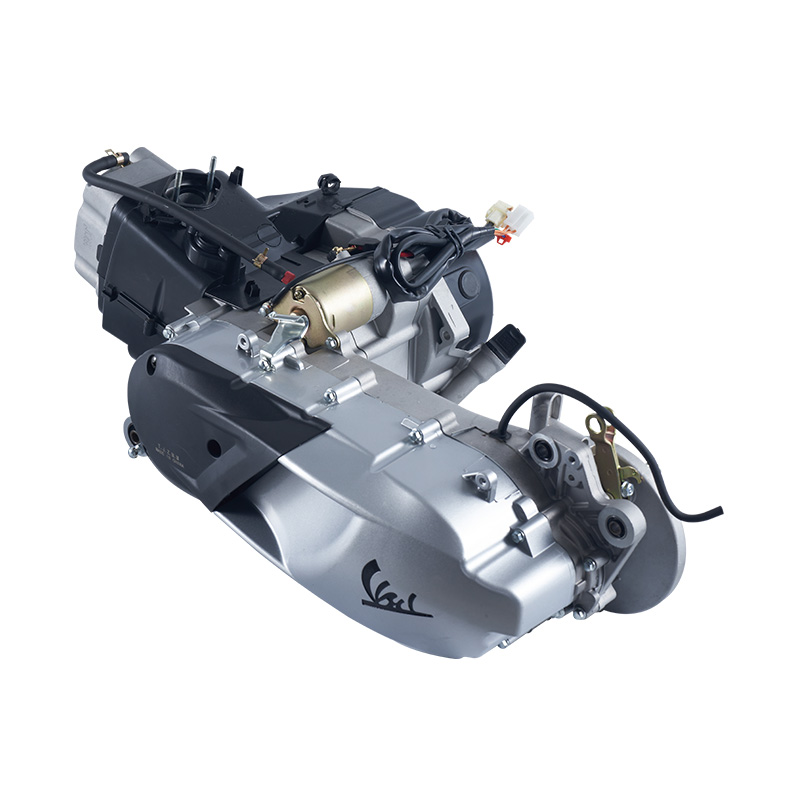
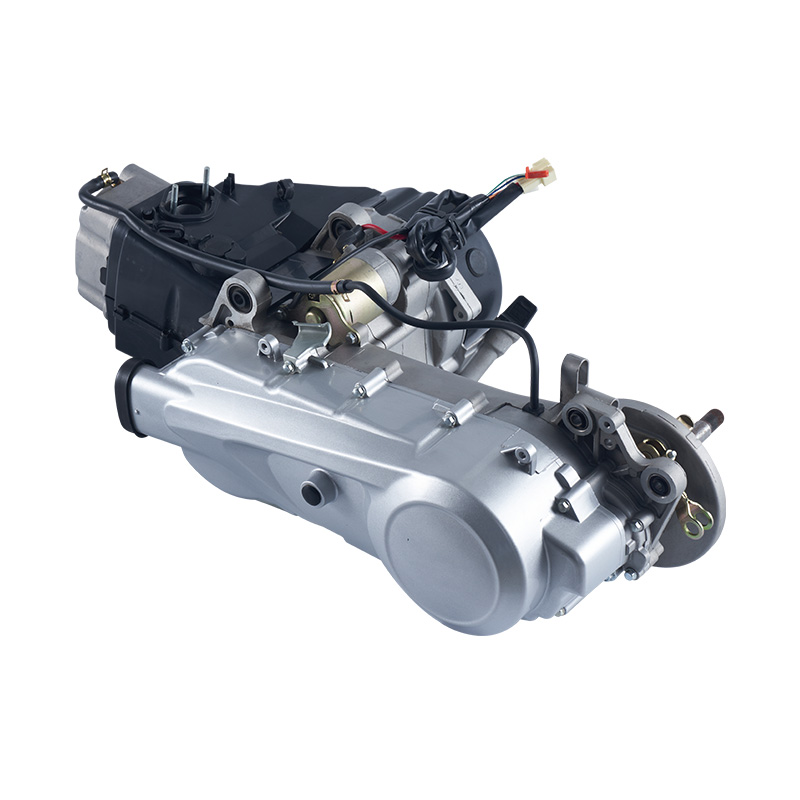
عربىNVX 4th 150cc Liquid-Cooled Electronic Fuel Injection High-Performance Scooter Motorcycle
The 4th Generation NVX 150cc, a high-performance liquid-cooled fuel-injected scooter motorcycle has been meticulous...
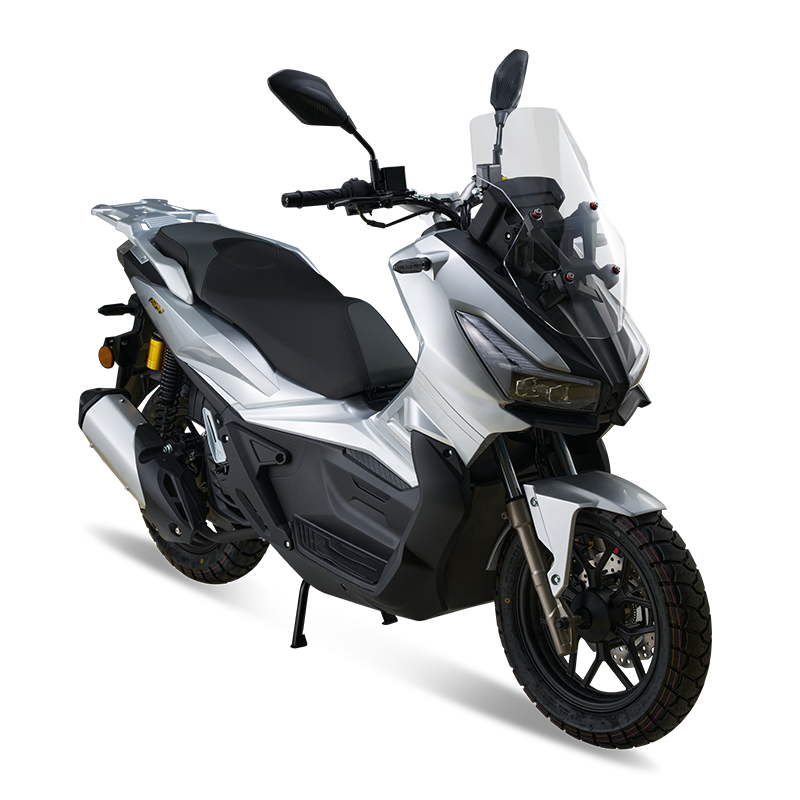
A food delivery rider once explained why he finally swapped his old scooter for a newer one, even though the two looked nearly identical parked side by side. The old one worked fine mechanically, but his back would ache after a full shift, the storage under the seat barely fit his delivery bag, and checking the oil meant crouching in a way that got old fast. The new one wasn't flashier or faster — it just fit his actual workday a little better. That small shift in what riders actually care about is pushing Gas Scooter Motorcycle manufacturers to rethink products that, on paper, already did their job just fine.
Gas Scooter Motorcycle products keep showing up in daily commutes, delivery work, and short errands across cities, mostly because they offer a riding style people already understand while still adapting to whatever a rider actually needs day to day. As those needs shift, manufacturers have been quietly adjusting design, usability, and support around riders instead of just focusing on getting a vehicle from point A to point B.
Riders don't all want the same thing out of a scooter motorcycle, which makes life a bit complicated for manufacturers trying to build one product that satisfies everyone.
Someone commuting to an office every morning cares about different things than someone using their scooter for weekend errands or personal style. Manufacturers end up juggling a handful of different priorities at once.
A few common things riders tend to bring up:
| What Riders Want | What That Means for the Product |
|---|---|
| Getting around easily day to day | A vehicle that handles regular travel without hassle |
| Feeling comfortable during rides | A structure that doesn't wear on the body over time |
| Something that fits their personal style | An appearance that feels like their own choice |
| Ownership that doesn't feel like a chore | Maintenance that doesn't eat into their week |
These priorities end up shaping a lot of the decisions manufacturers make, from how a seat is shaped to what colors show up on the showroom floor.
Comfort matters a lot more once you consider how often people actually use these vehicles. This isn't a once-a-month ride to the store — for a lot of riders, it's twice a day, five or six days a week, sometimes more.
Manufacturers have been paying closer attention to details that affect how a ride actually feels, including:
A ride that feels comfortable tends to make daily transportation feel less like a task and more like just part of the day.
Comfort isn't only about the seat or the frame either — it's also about how naturally a rider ends up interacting with the vehicle once the initial newness wears off and it just becomes part of their routine.
A scooter motorcycle isn't just a way to get somewhere for a lot of people — it's also something they're going to be seen riding, parked outside their workplace, or photographed next to on a weekend trip. Appearance ends up mattering more than people sometimes expect.
Manufacturers have been exploring different design directions to match that reality.
| Design Element | What Riders Are Looking For |
|---|---|
| Overall exterior look | Something that feels like their own personal style |
| Color options | A range that fits different tastes |
| Body shape | A visual identity that stands out a little |
| Functional touches | Details that still support everyday use |
Getting the design right helps manufacturers connect with riders who see their scooter as more than just transportation — it's also a small extension of how they present themselves.
Cities create their own specific set of headaches for riders — narrow parking spots, constant short trips, unpredictable traffic, errands that pile up throughout the day.
Manufacturers have been thinking through how their products actually hold up to that kind of environment rather than just highway or open-road use.
A few things that tend to come up:
The goal seems to be less about building something impressive on paper and more about making something that just works within how city life actually moves.
A lot of riders use their scooter every single day, which means small annoyances in the controls or storage layout add up fast over weeks and months.
Manufacturers have been leaning into practical, everyday usability rather than piling on features nobody asked for.
| Feature Area | Why It Actually Helps |
|---|---|
| Control layout | Makes everyday interaction less of a fumble |
| Storage design | Fits actual daily carrying needs, like bags or groceries |
| Safety-related touches | Builds a bit more confidence while riding |
| Maintenance access | Cuts down on hassle during upkeep |
These kinds of improvements don't necessarily show up in a spec sheet, but riders notice them almost immediately once they're actually using the vehicle day after day.
Buying the scooter is really just the beginning. What happens after that — how easy it is to keep running smoothly — ends up shaping a rider's overall opinion of the product just as much as the initial purchase did.
Manufacturers have been paying more attention to what ownership actually feels like over time.
A few areas getting more focus:
An ownership experience that doesn't feel like a constant chore tends to keep riders satisfied with a product well beyond the day they first bought it.
Someone who depends on their scooter to get to work every morning doesn't have much patience for a vehicle that leaves them stranded or acting unpredictably. Reliability isn't a bonus feature here — it's close to the entire point.
Manufacturers have been working on production consistency and design choices specifically aimed at reducing those kinds of headaches.
| Area | What Riders Are Worried About |
|---|---|
| Daily operation | Whether the ride feels smooth and predictable |
| Overall condition | Whether it'll still work well after regular use |
| Maintenance needs | Whether upkeep feels manageable |
| General performance | Whether it handles everyday demands without issue |
A rider who trusts their vehicle tends to stop thinking about it altogether, which is honestly the goal — a scooter that just quietly does its job every day without drama.
Not every rider wants the same thing out of performance. Some care about responsive handling, while others are mostly just trying to get through their commute without hassle.
Manufacturers end up walking a line between these different priorities rather than optimizing heavily for just one type of rider.
A practical scooter motorcycle design tends to weigh:
That balance is really what lets one product line serve riders with pretty different expectations, rather than needing a completely separate model for every type of use case.
Manufacturers don't just guess at what riders want — a lot of product changes come directly from listening to actual complaints, requests, and offhand comments from people already using the vehicles daily.
Feedback tends to cluster around a few recurring themes:
That ongoing back-and-forth between riders and manufacturers is part of why scooter motorcycles keep quietly evolving, even when a new model looks pretty similar to the one it's replacing.
Transportation habits keep changing as people's daily routines shift, and riders increasingly want vehicles that handle practical movement while also fitting comfortably into their actual lifestyle. Gas Scooter Motorcycle manufacturers seem to be responding by focusing on more flexible designs, smoother user experiences, and products that adapt to a wider range of everyday travel situations. Where this kind of development goes next really depends on how closely manufacturers keep listening to what riders actually deal with day to day — which is probably why that delivery rider ended up trading in a perfectly functional scooter for one that just happened to fit his actual workday a little better.
E-mail: [email protected]
Tel: +86-13806579227/+86-576-88011088
ADD: Hongjiachaiyang Industrial Zone, Jiaojiang District, Taizhou City, Zhejiang Province, China
China Scooter Motorcycle Manufacturer & Factory