English
  中文简体
中文简体 русский
 Español
 عربى
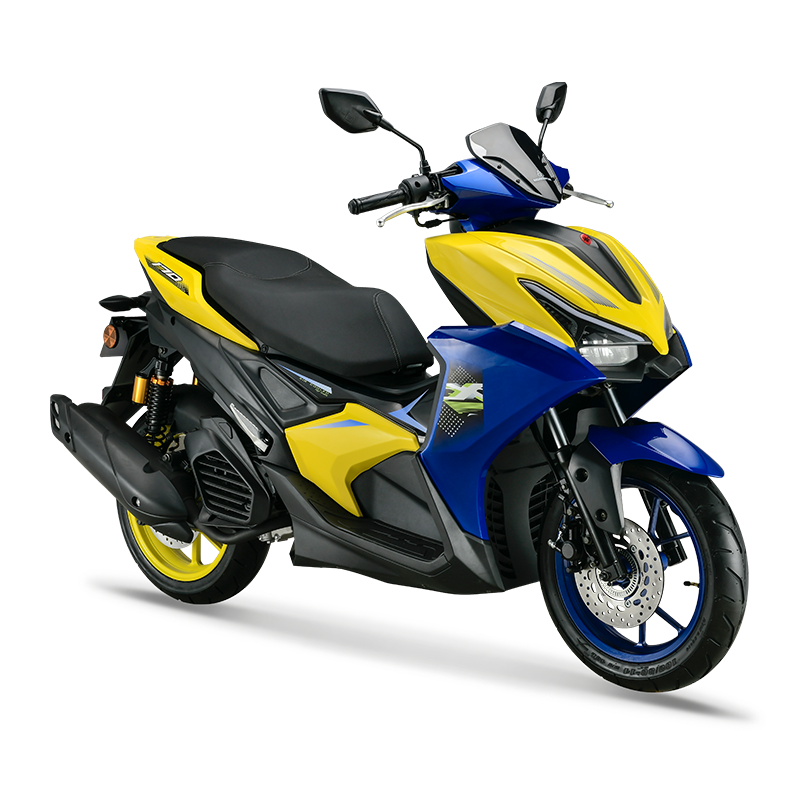
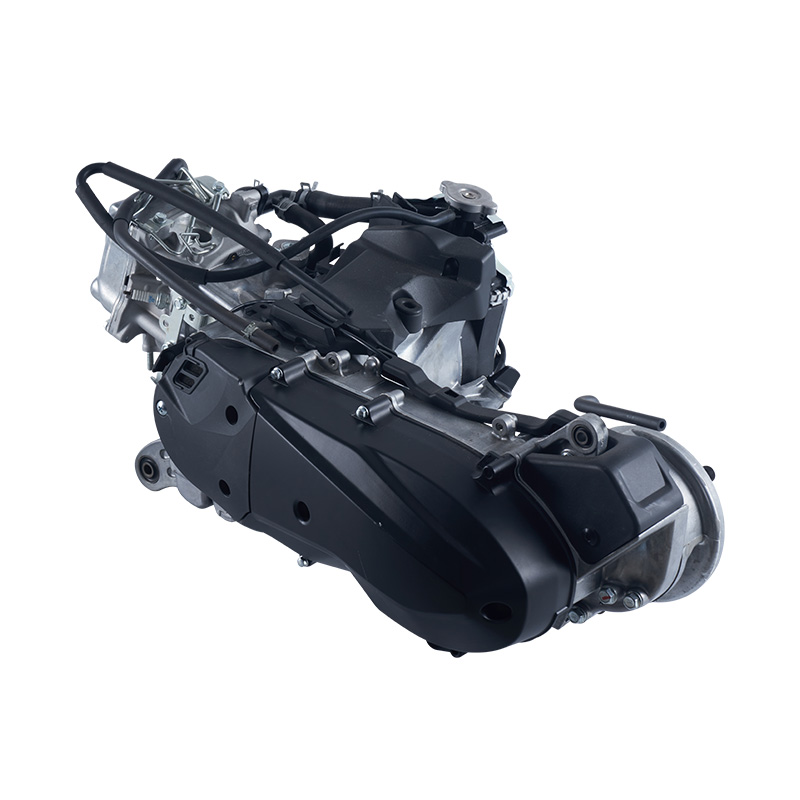
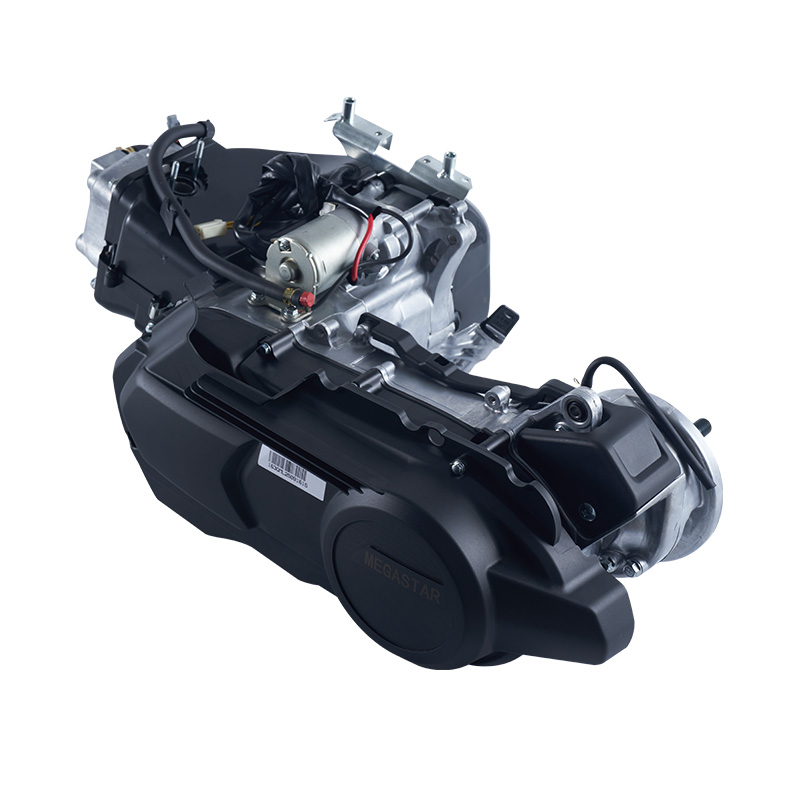
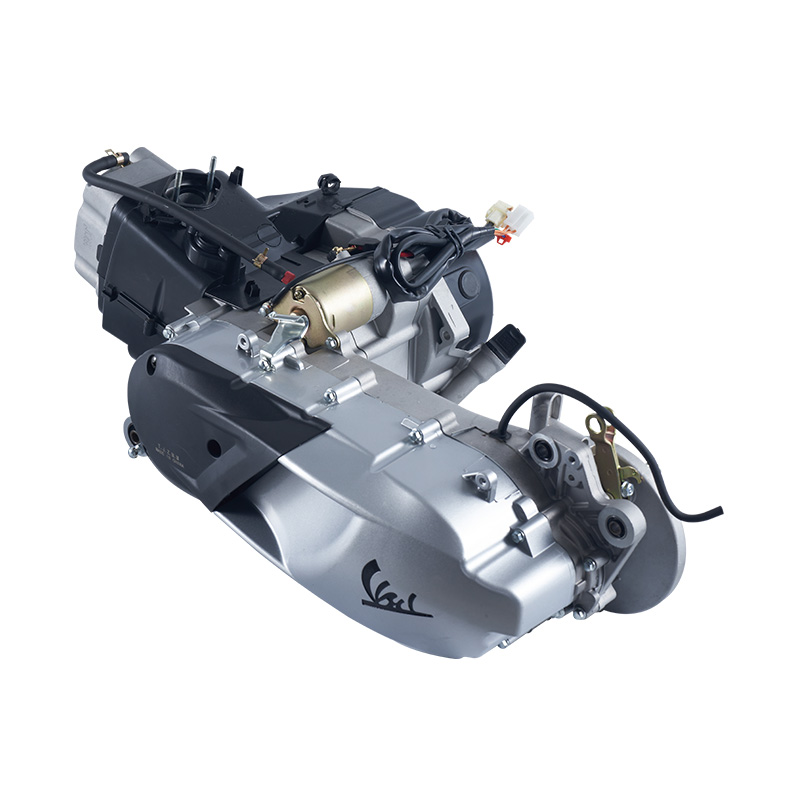
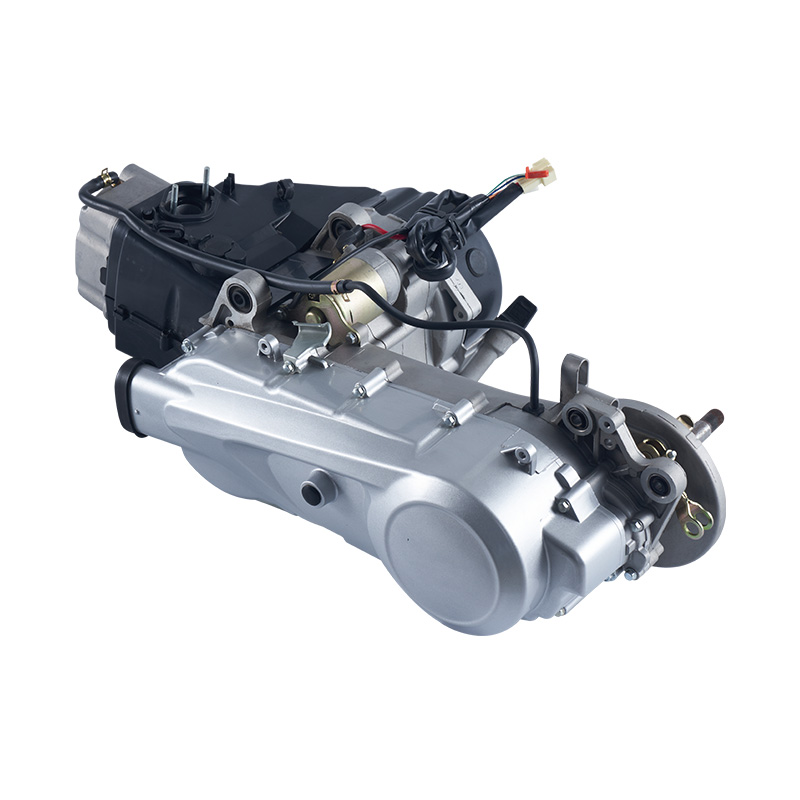
عربىNVX 4th 150cc Liquid-Cooled Electronic Fuel Injection High-Performance Scooter Motorcycle
The 4th Generation NVX 150cc, a high-performance liquid-cooled fuel-injected scooter motorcycle has been meticulous...
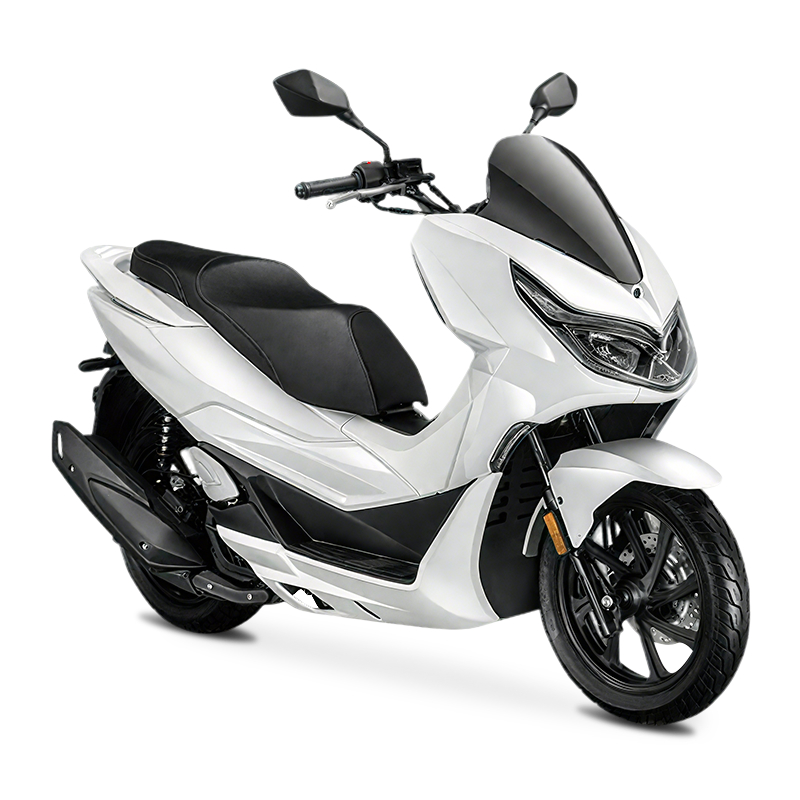
A neighbor once laughed about watching her son try to ride his first scooter around the empty parking lot behind their apartment building — he stalled it twice by grabbing the throttle too hard, then nearly tipped over on the third try because he was staring at his feet instead of looking ahead. By the end of that weekend, he was riding around the block without thinking twice about it. That awkward, wobbly learning curve is basically universal, and it applies just as much to a Liquid Cooled Scooter as it does to any other one, even though the cooling system tucked inside works completely differently under the hood. A Liquid Cooled Scooter is a scooter that uses a liquid cooling system to help manage engine temperature while it's running. From the seat, though, riding one feels pretty much identical to riding most other scooters — the throttle, brakes, and handlebars all work the same way, so the actual learning process comes down to the same basic riding skills anyone would need regardless of what's cooling the engine underneath.
Before worrying about riding technique, it helps to just get familiar with what's physically in front of you.
A typical scooter includes a handful of basic parts:
| Part | What It Does |
|---|---|
| Handlebars | Steers the scooter and holds the throttle and brake levers |
| Seat | Supports the rider during operation |
| Brake controls | Slows and stops the scooter |
| Display area | Shows speed and other riding information |
| Mirrors | Helps the rider stay aware of traffic behind them |
Spending a few minutes just sitting on the scooter and getting a feel for where everything is makes the actual riding part go a lot smoother once you're moving.
Every ride goes better when it starts with a quick look-over rather than just hopping on and going.
This doesn't take long, but it catches small problems before they turn into bigger ones once you're already on the road.
A basic pre-ride check might include:
None of this takes more than a minute or two once it becomes a habit, and eventually it just becomes something you do without really thinking about it.
Feeling nervous the first few times on a scooter is completely normal — that wobbly, unsure feeling doesn't mean anything's wrong, it just means you're still figuring out how the thing responds.
Starting in a quiet, empty lot or a street with barely any traffic makes a real difference. There's no pressure to keep up with cars or worry about pedestrians while you're still getting a feel for the throttle.
When it's time to actually move:
Jerky movements tend to make everything feel less stable, while gentle, gradual input almost always feels smoother and builds confidence faster.
Practicing starting and stopping a handful of times in that quiet space, before ever heading into actual traffic, tends to make the whole transition feel a lot less intimidating.
Balance is probably the single skill that trips up beginners the most, mostly because people tend to overthink it and grip the handlebars way too tightly.
Rather than fighting against the scooter's natural movement, it helps to just let it move a bit beneath you while your upper body stays loose and relaxed.
A few habits that tend to help:
| Habit | Why It Helps |
|---|---|
| Looking ahead | Keeps you aware of what's actually coming up on the road |
| Relaxed shoulders | Cuts down on unnecessary tension that throws off balance |
| Comfortable grip | Makes steering feel smoother instead of jerky |
| Stable seating position | Keeps your center of balance steady |
New riders often try to consciously control every tiny movement, which usually backfires. With enough practice, most of this ends up feeling automatic rather than something you have to think through step by step.
Roads aren't consistent from one block to the next. A smooth residential street rides completely differently than a pothole-filled intersection or a stretch of wet pavement after rain.
A few general habits worth keeping in mind:
Paying attention to what's actually happening around you often matters just as much as how well you're physically controlling the scooter itself.
Scooters tend to respond a lot better to steady, gradual input than to sudden jerks or grabs.
Slamming the throttle, braking hard without warning, or yanking the handlebars sharply all tend to make the ride feel unstable, even when nothing's actually wrong mechanically.
| Action | Better Approach |
|---|---|
| Accelerating | Build up speed gradually instead of all at once |
| Braking | Slow down smoothly rather than grabbing the brake hard |
| Steering | Turn with gentle, controlled movements |
| Changing lanes | Check your surroundings before actually moving over |
Riding smoothly also just feels more comfortable on longer trips, since jerky movements tend to wear on both the rider and anyone sitting behind them.
Given enough time, these habits tend to become second nature without much conscious effort.
New riders sometimes wonder whether a Liquid Cooled Scooter handles differently compared to other types out there.
Honestly, from the seat, it feels pretty much the same as riding any other scooter.
The cooling system does its job quietly in the background, keeping engine temperature in check, while the rider focuses on the actual riding — steering, braking, watching traffic.
Rather than worrying about the cooling system on every single ride, it's usually enough to just stick to normal maintenance habits and pay attention if something feels off, like unusual heat or strange sounds coming from the engine.
Keeping the scooter in decent shape overall helps every part of it, cooling system included, keep working the way it's supposed to.
Confidence on a scooter comes from repetition, not from rushing to go faster or take on harder routes too soon.
A lot of experienced riders started out by just practicing the same basic skills over and over until they stopped feeling awkward.
A few habits that tend to help:
Every single ride ends up teaching something small, even if it doesn't feel that way in the moment.
There's really no need to rush through this process faster than feels comfortable.
Riding to work or school every day gets a lot easier once a rider settles into some kind of consistent routine.
| Daily Habit | Why It Helps |
|---|---|
| Planning the route ahead of time | Cuts down on surprises mid-ride |
| Wearing comfortable riding gear | Makes longer rides feel less draining |
| Leaving a bit of extra time | Reduces the pressure to rush |
| Staying alert throughout the ride | Keeps awareness sharp, especially in traffic |
A lot of comfort actually comes from preparation beforehand, not just from the scooter itself. Riders who feel relaxed tend to make calmer, better decisions once they're actually on the road.
Safe riding isn't really about one big decision — it's built from a bunch of small habits repeated consistently, ride after ride.
Even riders who've been at this for years keep following the same basic practices, mostly because road conditions never stay predictable for long.
A few worth keeping in mind:
None of these habits are complicated on their own, but skipping them even occasionally is usually where trouble tends to start.
Learning to ride doesn't really stop after that first successful trip around the block. Every ride ends up teaching something slightly new about traffic patterns, road awareness, or just how the scooter itself responds in different situations. A lot of riders gradually work their way from quiet neighborhood streets to busier city traffic, and eventually open roads, once they actually feel ready for it. Building up experience gradually, rather than rushing into harder situations too soon, tends to let confidence grow in a way that actually sticks. The more familiar a rider becomes with their Liquid Cooled Scooter, the easier it gets to focus on the things that actually matter day to day — staying observant, thinking a step ahead, and making calm, steady decisions while just going about a normal commute — which is really how that neighbor's son went from stalling out in a parking lot to riding around the block like it was nothing, all in the span of one weekend.
E-mail: [email protected]
Tel: +86-13806579227/+86-576-88011088
ADD: Hongjiachaiyang Industrial Zone, Jiaojiang District, Taizhou City, Zhejiang Province, China
China Scooter Motorcycle Manufacturer & Factory