English
  中文简体
中文简体 русский
 Español
 عربى
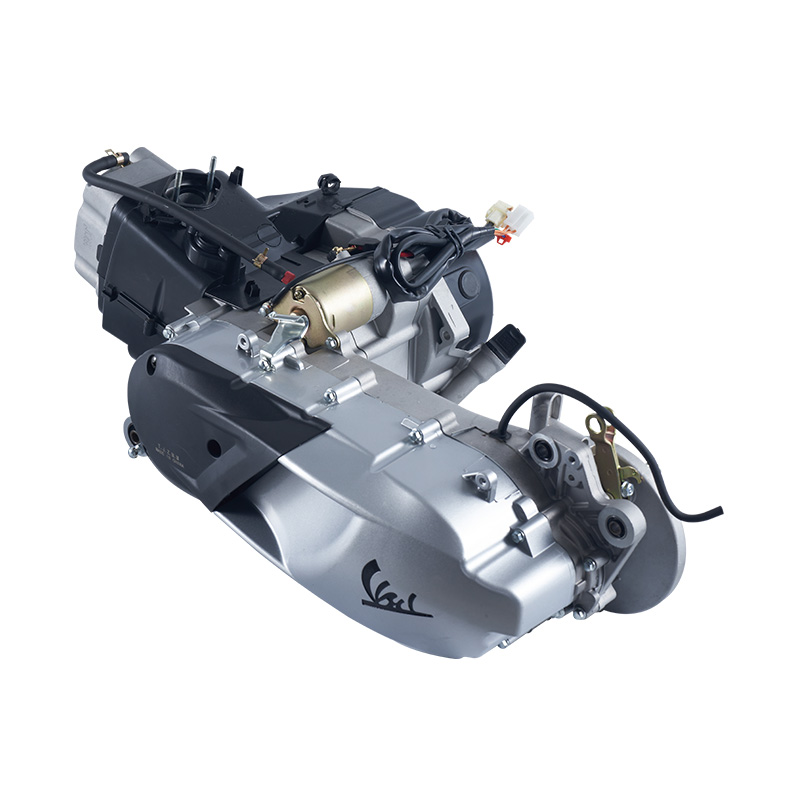
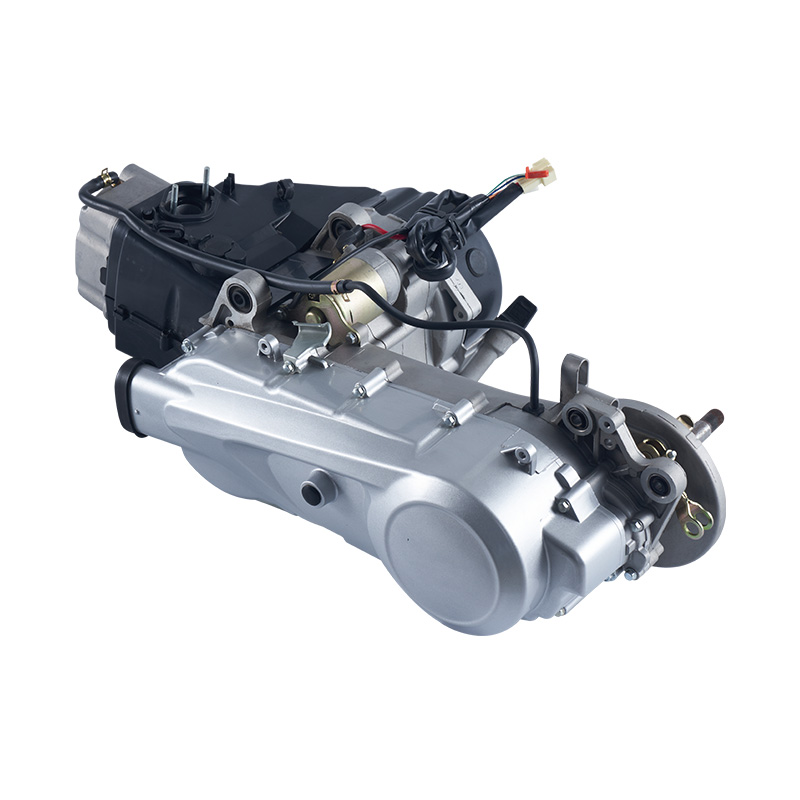
عربىNVX 4th 150cc Liquid-Cooled Electronic Fuel Injection High-Performance Scooter Motorcycle
The 4th Generation NVX 150cc, a high-performance liquid-cooled fuel-injected scooter motorcycle has been meticulous...
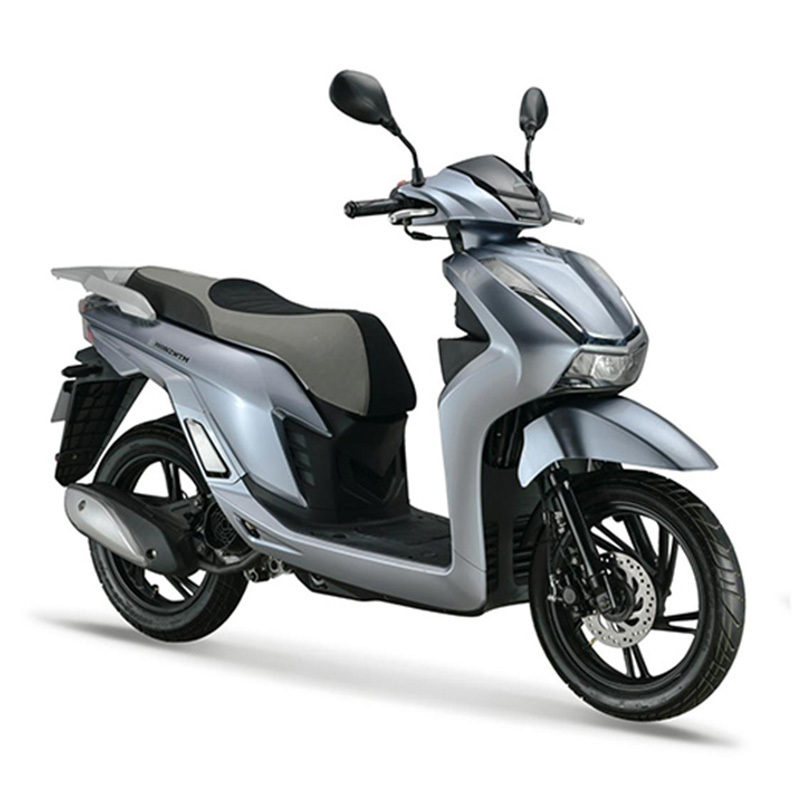
Sitting in traffic, burning fuel in a five-seat car when you're the only person inside it, gets old fast. Plenty of commuters eventually start looking for something smaller, cheaper, easier to park. A Lightweight Scooter Motorcycle solves this problem pretty directly, cutting through daily commuting hassle without the overhead that comes bundled with owning a full-sized vehicle. Anyone who's already spent real money on fuel, parking, or upkeep for a car barely used on short trips understands exactly why this shift toward smaller personal transport keeps picking up steam. Reliable, affordable personal mobility isn't some niche interest anymore. It's become something people go actively searching for once they realize how much unnecessary cost and hassle rides along with using an oversized vehicle for routine, short-distance trips.
Cities got denser. Parking got scarcer. Fuel keeps costing more in ways that make oversized vehicles feel less and less practical for the kind of short, routine travel most people actually do day to day. Someone covering a few miles each way to work doesn't need a full car's cargo capacity, they need something efficient, easy to maneuver, and cheap enough to run daily without wincing at the fuel bill.
That's basically why scooter motorcycles keep finding steady demand across both urban and suburban commuting. They fill a gap neither bicycles nor full-sized vehicles handle particularly well, motorized convenience without the bulk or expense that comes with a car.
Not really, though the underlying pressures, congestion, tight parking, rising fuel costs, show up in some form across most urban environments regardless of region. Dense cities with limited parking tend to see the strongest pull toward compact personal transport, while spread-out suburban areas might weigh scooters more for the cost savings than the parking convenience specifically.
Knowing which pressure actually matters most in a given market helps buyers and dealers position the right scooter type for that customer base, rather than assuming demand looks identical no matter where you are.
A scooter motorcycle sits comfortably between a bicycle's simplicity and a full motorcycle's power, delivering motorized convenience in a package that's easier to handle, cheaper to maintain, and simpler to park than either alternative in most everyday situations.
The practical advantages that make this option genuinely appealing day to day:
None of that requires giving up genuine usefulness. A well-built scooter motorcycle handles daily commuting, errands, short trips, competently enough, minus the overhead that tags along with owning something bigger.
Reliability comes down to build quality and upkeep, same as it would for any vehicle. A well-manufactured scooter motorcycle, kept up properly, holds up fine under regular daily commuting demands. Buyers should look closely at manufacturer reputation and construction quality rather than assuming every scooter on the market performs identically regardless of who built it.
This is exactly why sourcing from a dependable scooter motorcycle producer actually matters. Reliability gaps between manufacturers can be the difference between a scooter that delivers on its daily transportation promise and one that doesn't.
| Type | Key Characteristic | Best Suited For |
|---|---|---|
| Lightweight Scooter Motorcycle | Easy handling, compact size | Urban commuting, tight parking situations |
| Scooter Motorcycle 125cc | Balanced power and size | Daily commuting with moderate distance needs |
| Hybrid Scooter Motorcycle | Combines power sources for flexibility | Riders wanting fuel efficiency alongside consistent performance |
| Gas Scooter Motorcycle | Traditional fuel-powered operation | Riders needing sustained, uninterrupted usage without charging needs |
A Lightweight Scooter Motorcycle offers handling that heavier vehicles just can't match on tight urban streets. Weaving through congestion, squeezing into a tiny parking spot, dealing with endless stop-and-go traffic, all of it gets considerably easier with something lighter and more nimble underneath you.
That reduced weight feeds directly into fuel efficiency too, since less mass generally means burning less fuel across whatever distance a typical commute covers. Riders who want both easier handling and lower running costs tend to find lightweight builds particularly well suited to daily city riding.
Not really, assuming the scooter comes from a manufacturer that's actually paying attention to frame construction and component quality. Lightweight doesn't have to mean flimsy. A properly engineered Lightweight Scooter Motorcycle balances reduced weight against structural integrity, giving riders both easier handling and dependable long-term performance when it's built to reasonable standards.
Anyone worried about this tradeoff should just ask manufacturers directly about frame materials and build quality, rather than assuming lightweight automatically translates into reduced durability across the entire market.
Scooter motorcycle 125cc models sit in a widely used category that balances power adequate for varied commuting distances against a size most riders can manage comfortably. This displacement range covers short urban hops and slightly longer commutes without feeling underpowered in either situation.
Riders drawn to this category tend to appreciate:
Not automatically, no. Commute distance, terrain, and how comfortable someone actually feels on a given vehicle size all factor into whether this displacement category genuinely fits. Someone covering short, flat urban distances might do perfectly fine on something even smaller and lighter, while someone facing longer commutes or hillier terrain might need a bit more power than a standard 125cc offers.
Beyond size and weight, riders and buyers increasingly think about power source when choosing a scooter motorcycle, especially as hybrid technology becomes more accessible across different price points.
Depends a lot on individual circumstances rather than one option flatly beating the other. Riders with reliable charging access and shorter daily distances might find hybrid options appealing for the lower running costs. Riders who need flexibility without worrying about charging, or those in areas where charging infrastructure isn't well developed yet, often find traditional gas power more practical for consistent daily reliability.
Neither one is objectively better across every situation. Matching power source to actual riding habits and available infrastructure makes for a far more satisfying ownership experience than just picking whatever feels trendier without considering whether it actually fits.
Before locking in any scooter motorcycle purchase, confirming street legal status in the intended operating area matters a lot, since rules around displacement, licensing, and required equipment shift quite a bit between jurisdictions.
Buyers should check:
Sorting these details out before purchase saves the frustration of buying a scooter motorcycle only to discover unexpected legal restrictions in the area you actually planned to ride it.
Buyers and dealers researching scooter motorcycle producer options should look at more than just price when comparing manufacturers, since long-term reliability and support matter a great deal, both for individual buyers and for businesses sourcing at volume.
Key things worth checking:
Dealers, importers, and businesses buying scooter motorcycles at volume face bigger consequences if a manufacturer's quality slips, since a problem in one unit could easily point to a broader issue affecting an entire shipment. Individual consumers face a smaller version of this same risk, which is why manufacturer evaluation matters regardless of how much you're buying, though obviously the stakes scale up with order size.
Business buyers do well to request sample units, check manufacturer certifications, and confirm production capacity before committing to bigger orders, protecting against the kind of quality inconsistency that can hurt customer satisfaction across a whole product line.
Finding reliable, affordable personal mobility really comes down to matching the right scooter motorcycle, lightweight, 125cc, hybrid, gas, whichever, to actual commute distance, terrain, and practical daily needs, rather than assuming any one category works for every rider or business situation. Buyers and dealers who weigh manufacturer quality alongside these practical fit questions tend to end up with scooters that genuinely deliver dependable day-to-day performance instead of becoming a source of ongoing frustration and surprise repair bills. Taizhou Jiaojiang Zhiwei Motorbike Manufacture Co., Ltd. works with buyers and dealers sorting through exactly these considerations, helping match scooter motorcycle specs to the practical commuting and business needs each customer actually has. Reach out with sourcing requirements or commuting needs, and the conversation about which scooter motorcycle solution fits best can start from there.
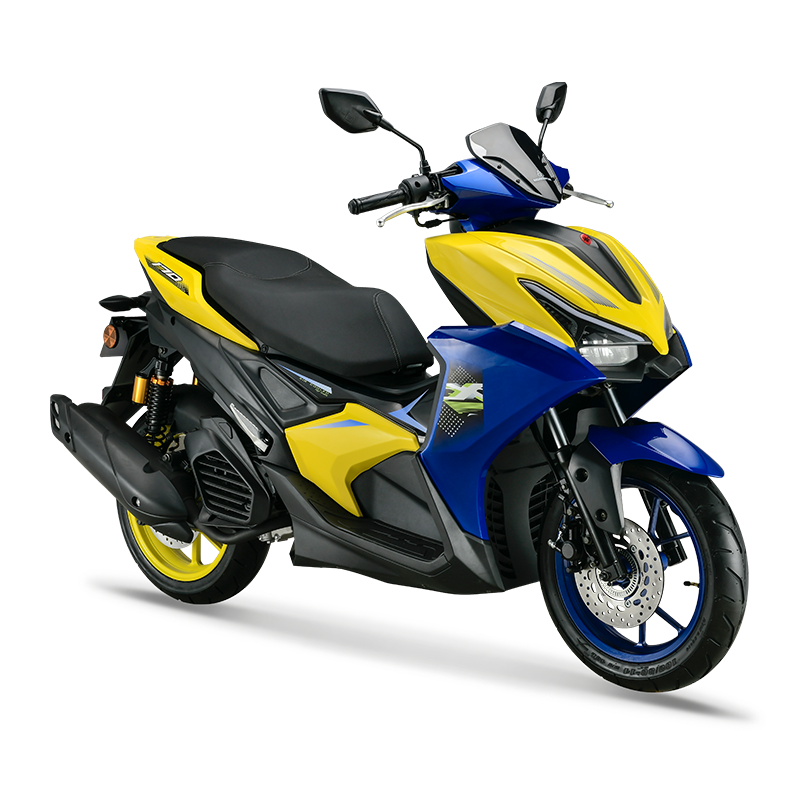
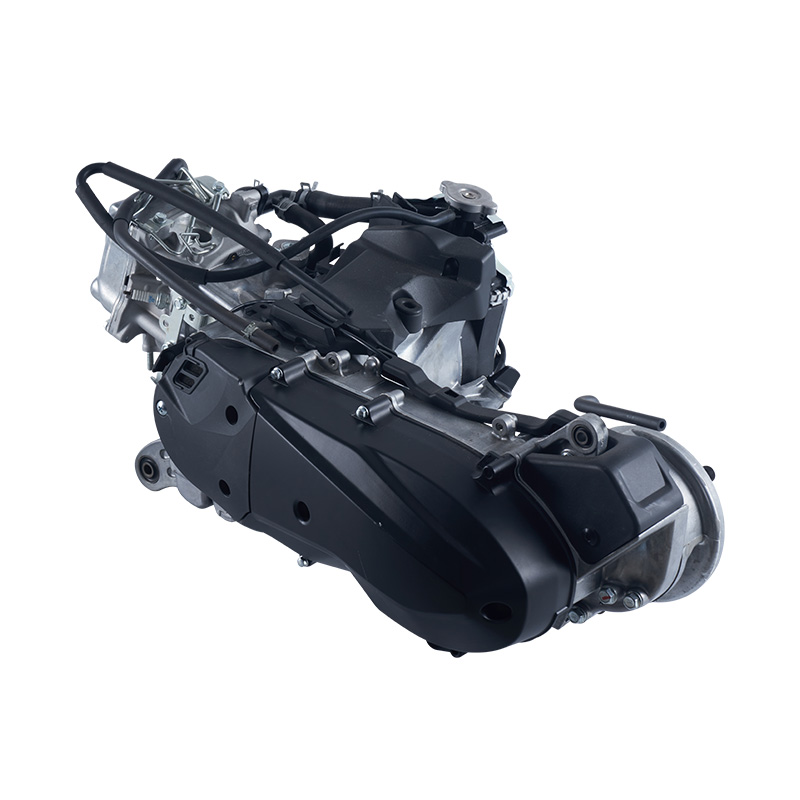
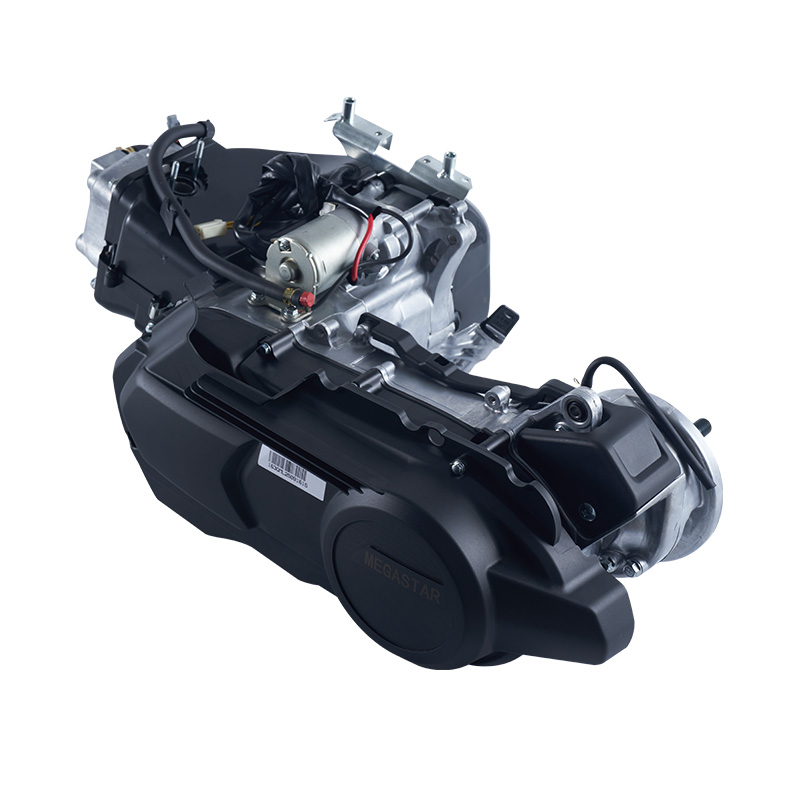
E-mail: [email protected]
Tel: +86-13806579227/+86-576-88011088
ADD: Hongjiachaiyang Industrial Zone, Jiaojiang District, Taizhou City, Zhejiang Province, China
China Scooter Motorcycle Manufacturer & Factory