English
  中文简体
中文简体 русский
 Español
 عربى
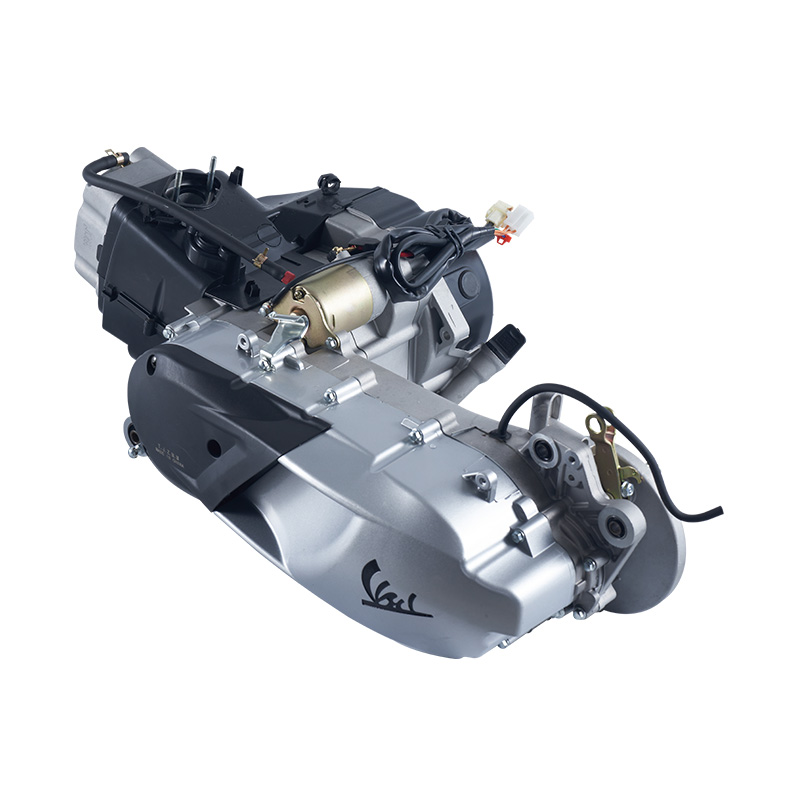
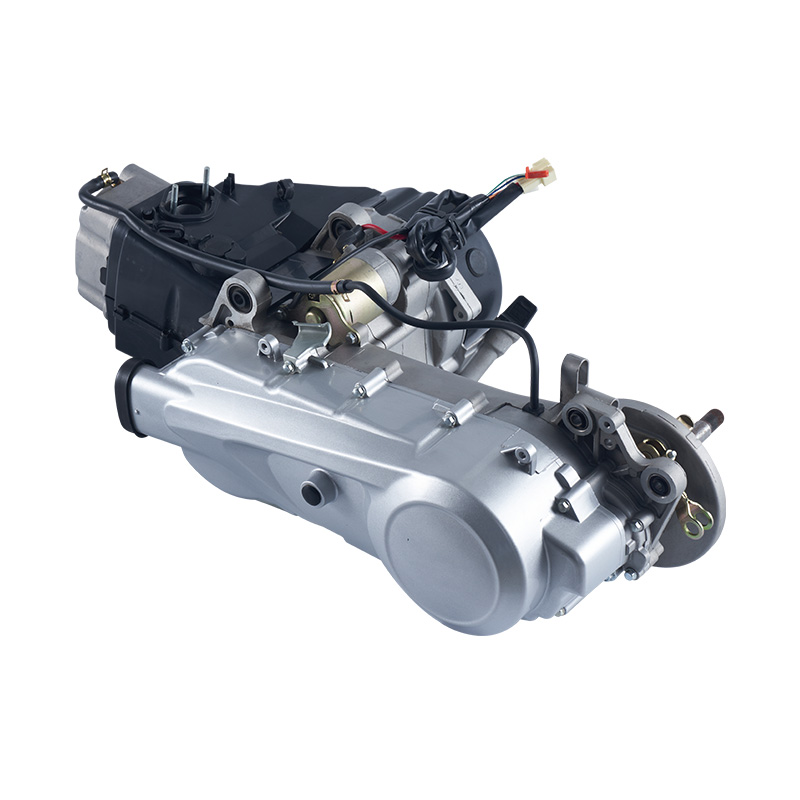
عربىNVX 4th 150cc Liquid-Cooled Electronic Fuel Injection High-Performance Scooter Motorcycle
The 4th Generation NVX 150cc, a high-performance liquid-cooled fuel-injected scooter motorcycle has been meticulous...
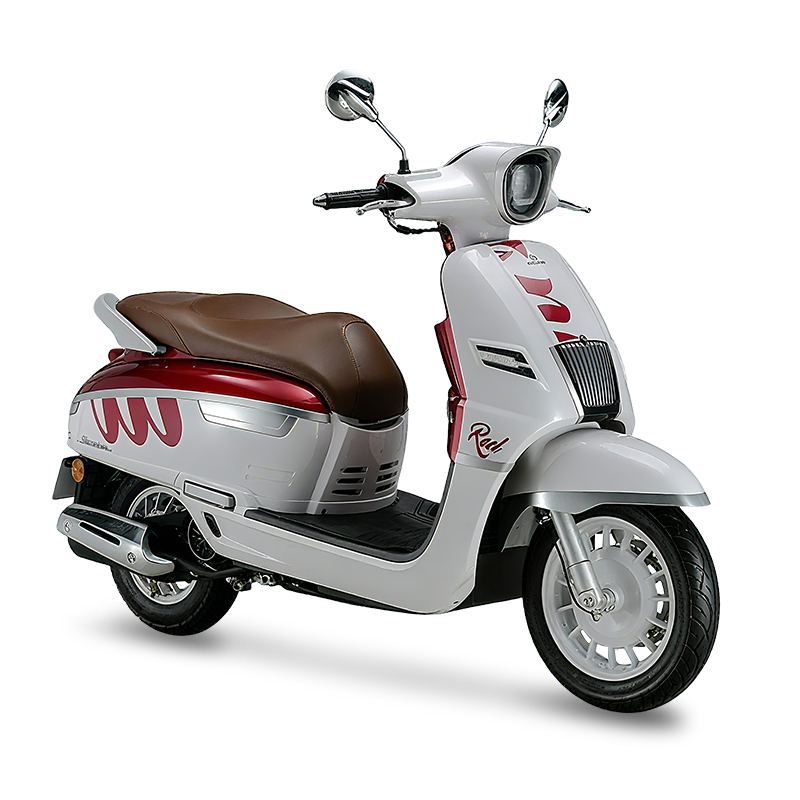
You leave home expecting a smooth commute, only to find yourself stuck in slow traffic with nowhere easy to park when you finally arrive. You want something easier to ride than a larger motorcycle but still practical enough for everyday travel. A Street Legal Scooter Motorcycle often ends up on the shortlist for exactly this reason. People want daily transportation that doesn't add stress to an already busy day.
Urban travel keeps changing. Busy streets, limited parking, short-distance errands stacked one after another — all of this has pushed people to look beyond traditional vehicles. A scooter built for legal road use fits into these routines. It handles the school run, the grocery run, the after-work coffee stop. The appeal isn't just reaching a destination. It's what happens between leaving and arriving.
People often compare scooters by looks or riding style first. Those things matter, sure. But daily satisfaction usually comes down to something plainer. A machine that feels good to sit on and easy to deal with before and after the ride tends to be the one that actually gets used.
Picture leaving the office at six, tired, ready to go home. Nobody wants a scooter that's awkward to climb onto, clumsy in traffic, or a pain to park. Small annoyances pile up. After a few weeks, they turn into real reasons someone stops enjoying the ride altogether.
Comfort and convenience show up at every stage of ownership:
None of these stages stand alone. They blend into one continuous experience.
Comfort starts before the engine even turns on. It starts the moment someone walks up to the scooter and swings a leg over.
A seating position that feels natural cuts down on strain during a normal ride. Nobody wants to hunch over or stretch awkwardly just to reach the handlebars. A well-thought-out layout lets the body stay relaxed whether the trip is five minutes or fifty.
Seat design matters too. Stop-and-go traffic, red lights, uneven pavement — daily riding means sitting through all of it. A seat that holds up without digging into the rider makes a noticeable difference by the end of the trip.
| Comfort Factor | Everyday Benefit |
|---|---|
| Natural seating position | Less fatigue on regular rides |
| Comfortable seat | Holds up during longer stretches |
| Easy step-through access | Simple to get on and off |
| Stable riding posture | Builds confidence in traffic |
| Comfortable hand position | Steering feels less tense |
These details don't work in isolation. Put together, they change how approachable a scooter feels day after day.
Convenience decides whether a scooter gets ridden every day or sits parked collecting dust.
Some riders hop on their scooter three or four times before lunch — school drop-off, then work, then a quick errand. Small friction points add up fast in that kind of schedule.
Starting the ride should be simple. Parking shouldn't turn into a puzzle. Carrying a backpack or a bag of groceries should just work, not require extra planning.
A scooter built with daily life in mind tends to show up in moments like:
When a vehicle fits into life without needing constant workarounds, riding it stops feeling like a chore.
Cities throw a lot at riders.
Traffic bunches up, thins out, bunches up again. Parking spots disappear fast. Many places worth visiting sit just a few blocks apart — close enough that a bigger vehicle feels like overkill.
A Street Legal Scooter Motorcycle works well here partly because it's built for exactly this kind of movement. Riders can slip through ordinary traffic without white-knuckling the handlebars, and they spend less time circling the block hunting for a parking spot.
City riding also means constant stops:
Traffic lights.
Crosswalks full of pedestrians.
Busy intersections.
Crowded shopping streets.
All these interruptions make smooth, predictable handling matter more than raw speed for most people navigating them daily.
Nobody rides around empty-handed all the time.
A gym bag, a bag of groceries, a laptop, sometimes even a helmet for a passenger — daily life comes with stuff to carry. Without somewhere to put it, riders end up juggling extra bags strapped wherever they'll fit.
Storage doesn't need to be huge. It just needs to handle the ordinary stuff.
| Daily Item | Why It Matters |
|---|---|
| Small backpack | Commuting to work |
| Personal belongings | Everyday travel |
| Shopping items | Quick local errands |
| Rain gear | Weather changes |
| Water bottle | Staying hydrated |
| Documents | Work or school trips |
Being able to carry the usual things without stuffing pockets or balancing bags on the handlebars adds real practicality that riders notice within the first month.
Riding is more than pointing the front wheel forward.
Squeezing into a tight parking spot, cutting into a narrow side street, adjusting quickly when a car pulls out unexpectedly — all of it depends on how the scooter handles.
Many riders don't think much about maneuverability at the dealership. It becomes obvious a few weeks in, usually the first time they need to park between two cars with barely a foot of space.
Moments where handling matters most:
Smooth handling takes some of the tension out of riding, letting attention stay on the road instead of on wrestling with the controls.
People buy scooters for all kinds of reasons.
Some ride to the office five days a week, rain or not.
Others use one to get across a sprawling university campus between classes.
Some just want something for weekend rides through quiet neighborhoods, no particular destination in mind.
Because daily habits look so different from person to person, flexibility becomes something people actually value.
A single scooter might cover:
One machine ends up touching several parts of someone's week instead of sitting idle between one specific use.
Riders often keep finding new reasons to use it long after buying it, which says something about how well it fits into daily patterns.
Picking a scooter takes more than liking how it looks in photos.
A practical decision usually starts with looking at personal habits, not comparing spec sheets side by side.
Worth asking:
Answering these honestly narrows things down faster than scrolling through reviews.
A scooter that matches actual daily habits tends to feel right long after the new-bike excitement fades.
Buyers often zero in on big features and skip past small details that shape every single ride.
Simple choices add up over time.
Easy access when swinging a leg over.
Controls that are easy to glance at without looking away from the road for too long.
Handlebars positioned within comfortable reach.
Storage tucked somewhere sensible instead of awkward.
Proportions that make the whole thing feel balanced rather than clunky.
Each detail seems small on its own. Together, they decide how fast someone gets comfortable treating the scooter like part of their normal routine.
Maintenance gets easier too when the design keeps regular use in mind. Wiping down accessible panels, checking tire pressure, getting the scooter ready before heading out — none of it feels like extra work when the layout supports it.
Cities keep getting busier, and daily schedules keep getting tighter. Fewer riders are chasing the biggest engine or the longest feature list anymore. Many just want something that slots into their week without demanding much in return, while still feeling comfortable enough to actually want to ride it.
A Street Legal Scooter Motorcycle lands in that spot for a lot of people. It brings together approachable handling and everyday practicality, which makes routine trips feel less like a task and more like part of the day. Riders weigh how the seat feels after twenty minutes, how easy parking turns out to be, how naturally it slots between work and weekend plans, and whether it handles the small stuff — bags, errands, quick stops — without extra effort. Storage that actually holds what people carry, seating that doesn't wear thin, handling that stays predictable in traffic, all of it adds up to something bigger than just getting from one place to another. People tend to notice these things gradually, riding after riding, long after the first excitement of picking up a new scooter has settled into something closer to a habit.
E-mail: [email protected]
Tel: +86-13806579227/+86-576-88011088
ADD: Hongjiachaiyang Industrial Zone, Jiaojiang District, Taizhou City, Zhejiang Province, China
China Scooter Motorcycle Manufacturer & Factory