English
  中文简体
中文简体 русский
 Español
 عربى
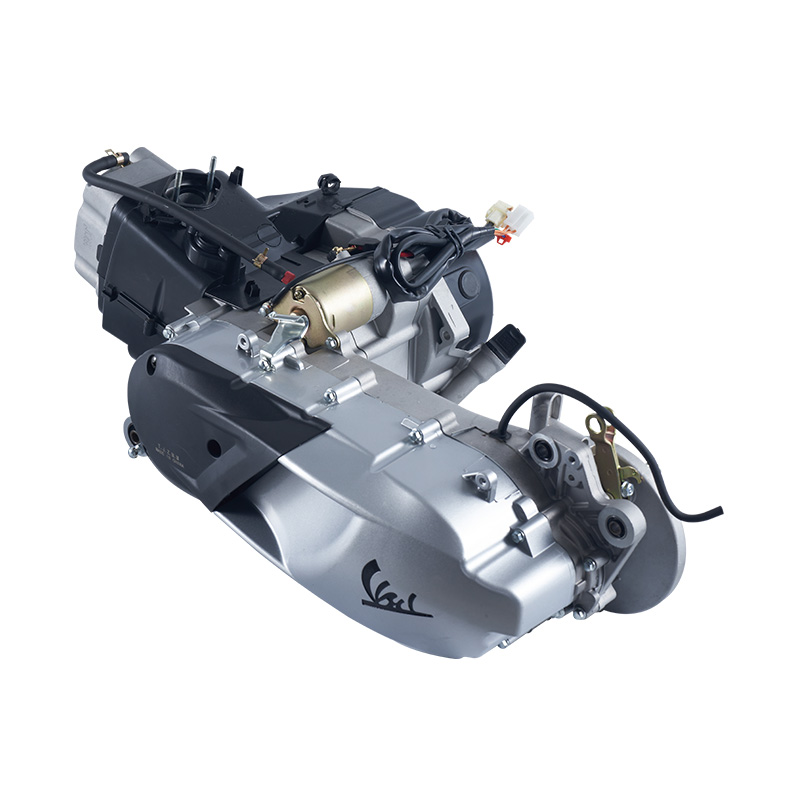
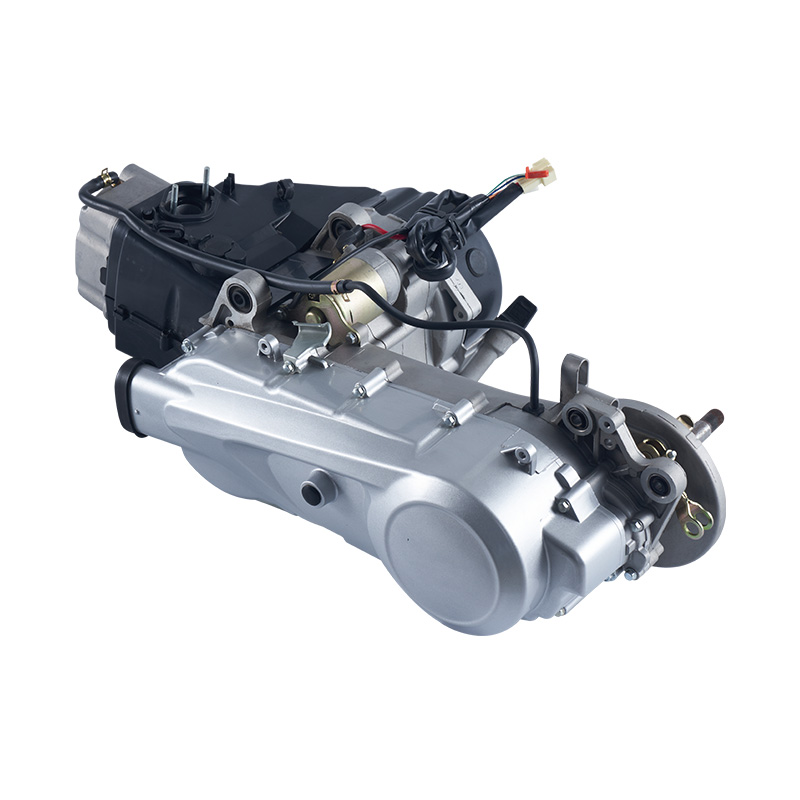
عربىNVX 4th 150cc Liquid-Cooled Electronic Fuel Injection High-Performance Scooter Motorcycle
The 4th Generation NVX 150cc, a high-performance liquid-cooled fuel-injected scooter motorcycle has been meticulous...
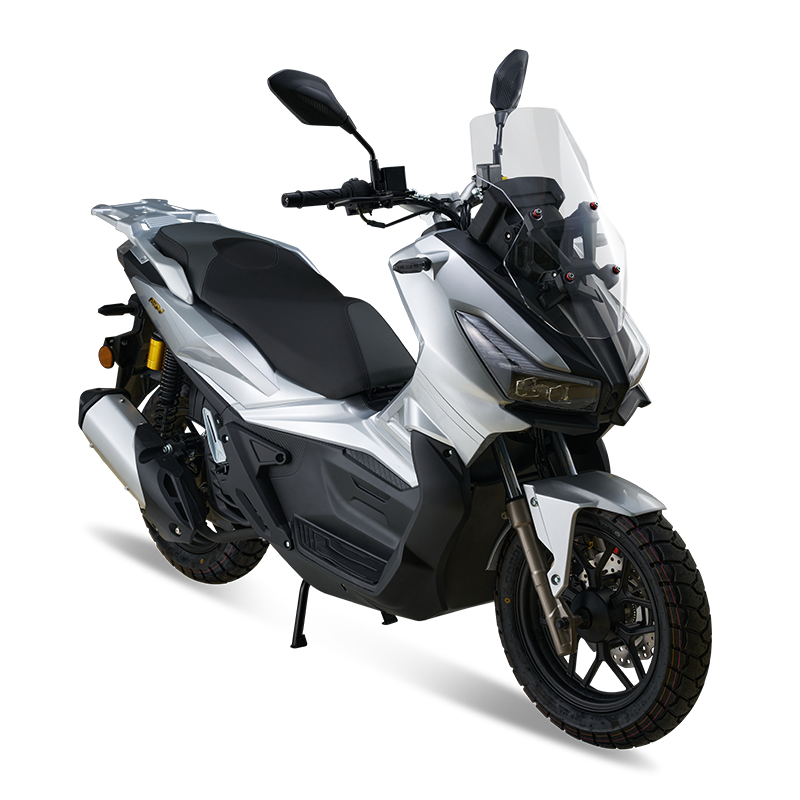
A friend who runs a small delivery service in a crowded city once told me he switched half his fleet to hybrid scooters purely because his riders kept complaining about how often they had to refuel during shifts full of stop-and-go traffic. That kind of real-world frustration is usually what pushes someone toward comparing Hybrid Scooter Motorcycle options against straightforward gas powered ones, especially once fuel costs, unfamiliar maintenance needs, and daily riding patterns all start pulling in different directions. Looking at how each option actually behaves under everyday riding conditions tends to make the decision a lot less confusing.
Before weighing advantages against drawbacks, it helps to understand what's genuinely different about these two power setups underneath the surface.
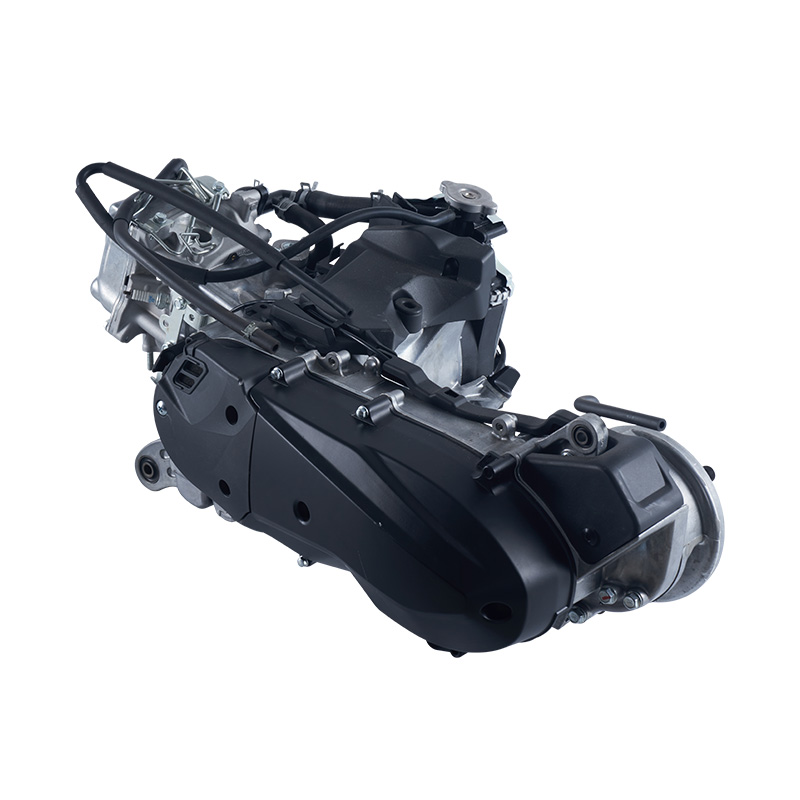
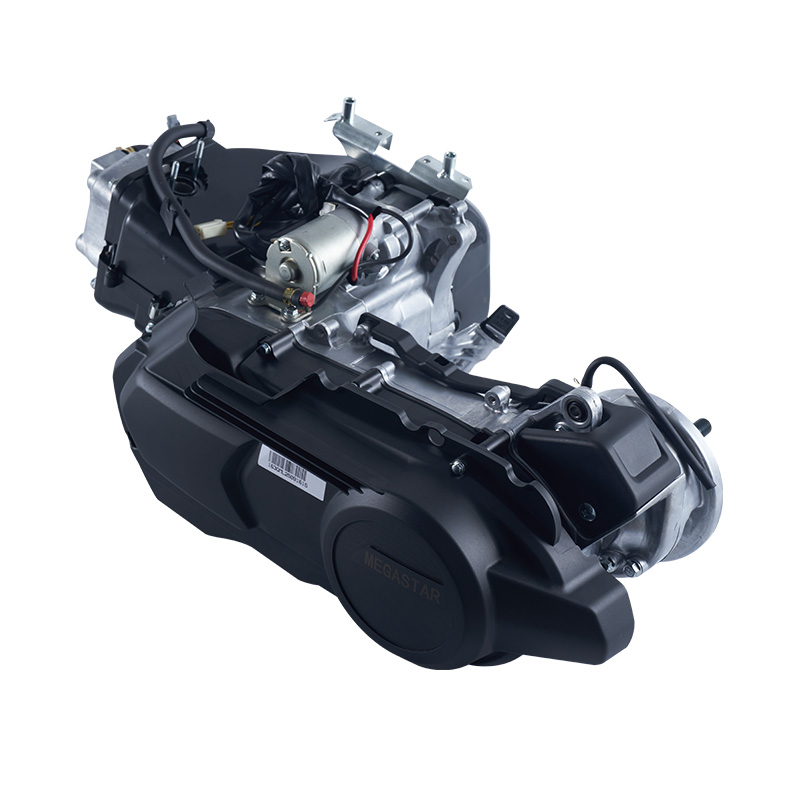
A gas powered scooter or motorcycle runs entirely on a combustion engine, refueled at a station and built on mechanical technology that's been refined for a long stretch of time. A hybrid setup pairs that same combustion engine with electric assistance, letting the vehicle lean on either power source depending on what the ride actually demands at that moment.
This basic difference shapes almost everything that follows — running costs, maintenance planning, even how the vehicle feels to ride day to day.
Riders and fleet buyers tend to assume the whole decision comes down to price. The real difference shows up in how each system behaves once it's actually being ridden daily. A gas engine performs about the same no matter how someone rides it. A hybrid system's efficiency shifts depending on how much electric assistance gets used versus how much falls back on combustion power.
Hybrid setups bring some practical upside, particularly for riders dealing with fuel costs and city traffic on a regular basis.
Hybrid systems tend to do well in cities where stopping and starting happens constantly. Electric assistance takes some of that load off the combustion engine, which cuts down overall fuel use during typical commuting.
Since hybrid systems don't lean on constant combustion, emissions during slower, stop-heavy riding tend to drop compared to a purely gas equivalent. That matters more in places with stricter air quality rules or dense urban zones where exhaust genuinely accumulates.
A Hybrid Scooter Motorcycle shifts between electric assistance and combustion power depending on what the moment calls for, giving it more flexibility across varied riding conditions than a single power source vehicle typically manages.
Hybrid technology comes with real trade-offs, and buyers benefit from weighing these honestly before committing to one.
A hybrid setup involves more components than a standard combustion engine — electric motor parts plus whatever manages the switching between power sources.
Hybrid models generally cost more upfront than a similarly sized Gas Scooter Motorcycle, reflecting the added technology and manufacturing effort involved in combining two power systems into one machine.
In areas where hybrid vehicles aren't common yet, finding a mechanic comfortable working on the electric assistance side takes noticeably more effort than finding someone who services standard gas engines.
Gas powered models remain a solid option for plenty of riders, particularly those who value simplicity and reliability over long stretches of riding.
A Gas Scooter Motorcycle runs on one power source, which generally means fewer parts that can fail and a more straightforward repair process when something does go wrong.
Combustion engines keep performing consistently over extended distances without depending on how much electric assistance is left. That makes gas models a practical pick for riders regularly covering longer routes instead of short trips around town.
Because gas engines rely on established, widely produced technology, a comparable Gas Scooter Motorcycle typically costs less upfront than a hybrid version with similar size and power.
A gas engine works at a fairly steady rate no matter how someone's riding it, which means stopping and starting constantly in city traffic doesn't offer the same fuel savings a hybrid system provides.
Since a gas engine runs continuously without electric help, emissions tend to be higher overall compared to a hybrid equivalent, particularly during slow, stop-heavy urban riding.
Running costs for gas models tie directly to fuel prices, which fluctuate and affect overall ownership costs more noticeably than a hybrid system that leans partly on electric assistance instead.
Placing hybrid and gas scooters next to each other makes the practical trade-offs a lot easier to actually see.
| Factor | Hybrid Scooter Motorcycle | Gas Scooter Motorcycle |
|---|---|---|
| Power source | Combustion engine plus electric assistance | Combustion engine only |
| City riding efficiency | Improved through electric assistance | Steady, but less efficient in stop-and-go traffic |
| Maintenance complexity | Higher, needs familiarity with both systems | Lower, relies on established engine servicing |
| Upfront cost | Runs higher | Runs lower |
| Long distance performance | Depends on how the power sources balance out | Consistent over extended routes |
| Emissions | Lower during frequent stops | Higher due to constant combustion |
Neither option comes out ahead across every category here. The right pick really depends on how the vehicle actually gets used week to week.
Beyond the general upsides and downsides, a few practical questions help narrow down which option actually fits a specific situation.
It does, and it's one of the clearer factors in this whole decision. Riders sticking to mostly short urban trips tend to get more out of hybrid assistance, while those regularly covering longer distances often find a gas powered model easier to refuel and manage on the road.
For businesses buying multiple units, existing maintenance setup matters a lot. A fleet operator without technicians trained on hybrid systems could end up facing higher servicing costs and longer downtime compared to sticking with gas models that local mechanics already understand.
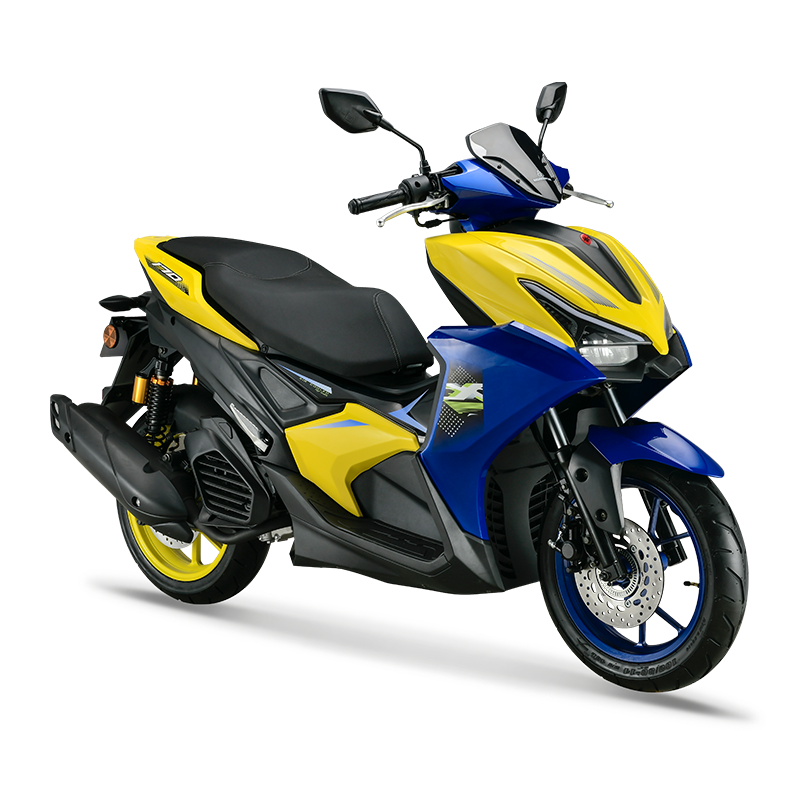
Smaller displacement options, like a Scooter Motorcycle 125cc model, show up in both hybrid and gas configurations, so this comparison stays relevant even at the lighter end of the range. A lightweight scooter built for city commuting might lean toward hybrid assistance for the fuel savings, while a similarly sized gas version offers simpler upkeep for buyers who'd rather skip the added maintenance complexity.
Whether buying for personal use or planning a larger order, a few questions help clarify which direction actually makes sense before committing to anything.
Working through these questions before finalizing an order helps avoid ending up with a vehicle type that looks appealing on paper but doesn't actually match real riding patterns or the service support available on the ground. Deciding between a Hybrid Scooter Motorcycle and a gas powered alternative comes down to how the vehicle will actually get used, what maintenance resources are realistically available, and how much weight a buyer puts on upfront cost versus fuel savings down the road. Hybrid systems offer real advantages for city stop-and-go riding, while gas models stay practical for longer distances and simpler servicing — neither wins across the board. Buyers and distributors evaluating both directions benefit from thinking through actual riding conditions and available technical support before committing either way. Taizhou Jiaojiang Zhiwei Motorbike Manufacture Co., Ltd. produces both hybrid and gas powered scooter and motorcycle models, giving buyers room to compare configurations directly and pick whichever option fits their specific riding needs or fleet requirements. Reaching out directly to discuss available models and specifications helps clarify what actually fits before the next order goes in.
E-mail: [email protected]
Tel: +86-13806579227/+86-576-88011088
ADD: Hongjiachaiyang Industrial Zone, Jiaojiang District, Taizhou City, Zhejiang Province, China
China Scooter Motorcycle Manufacturer & Factory