English
 中文简体
 русский
 Español
 عربى
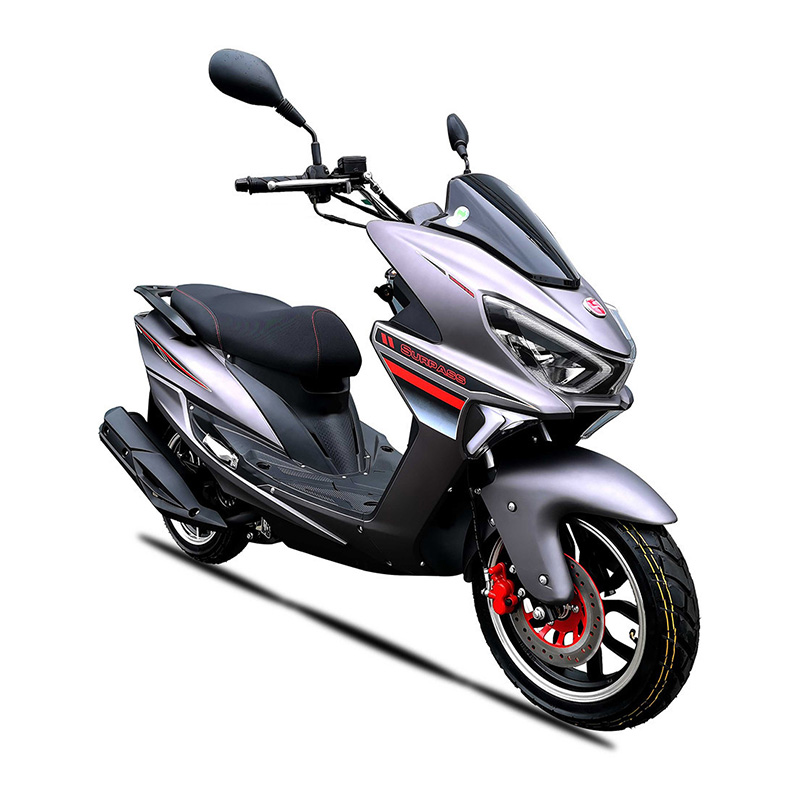
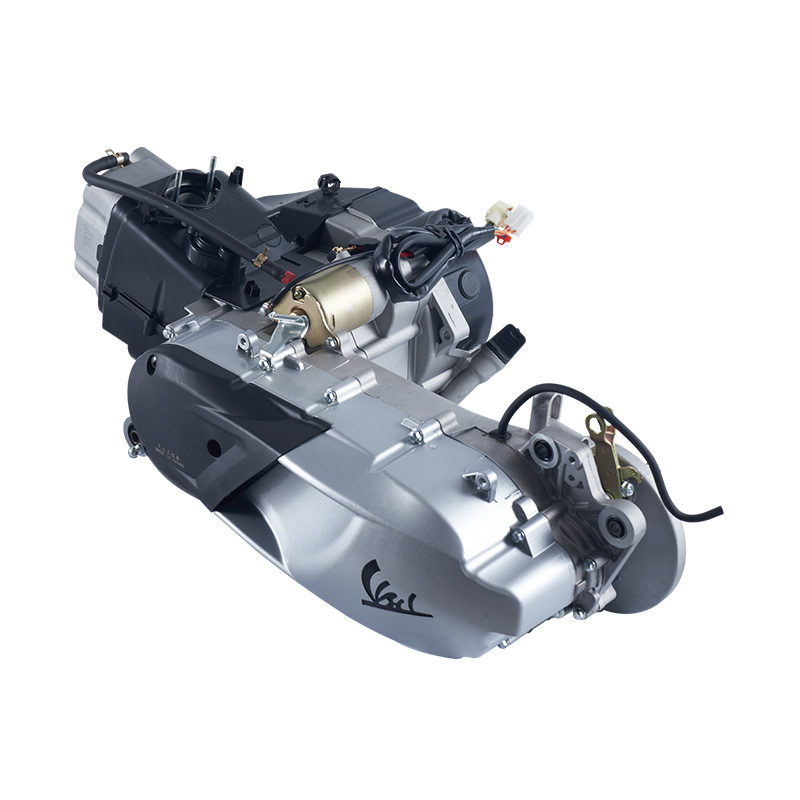
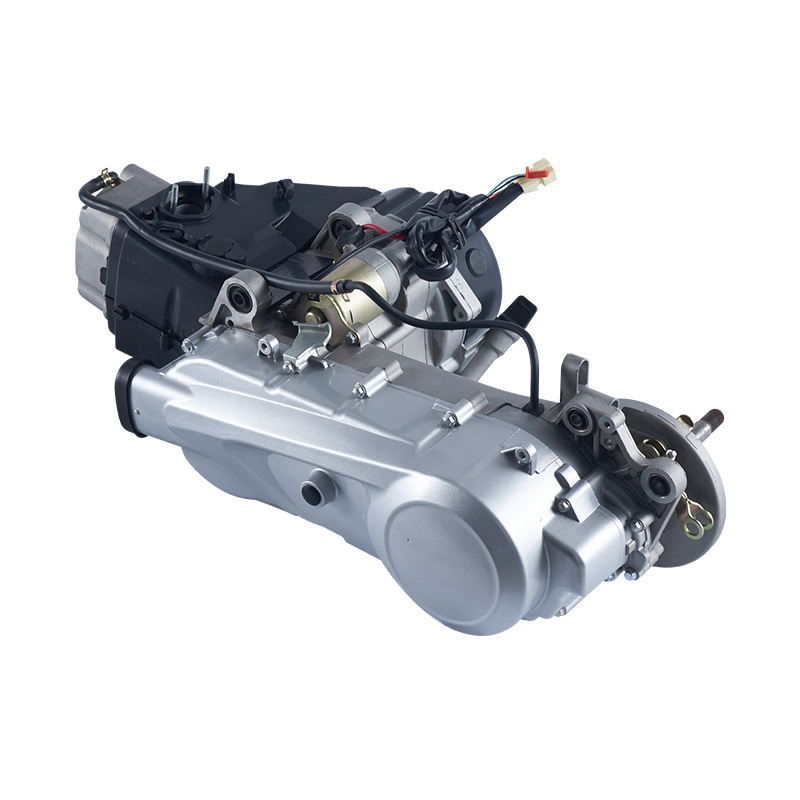
NVX 4th 150cc Liquid-Cooled Electronic Fuel Injection High-Performance Scooter Motorcycle
The 4th Generation NVX 150cc, a high-performance liquid-cooled fuel-injected scooter motorcycle has been meticulous...
CBS stands for Combined Braking System. On a scooter it means that operating one designated brake control applies force at more than one wheel through a mechanical linkage, according to the layout designed for that model. The linkage proportions how effort is shared between front and rear so that both ends of the machine participate in deceleration when the linked control is used.
That arrangement differs from fully independent controls, where each lever or pedal only works one brake until the rider deliberately uses both. With CBS, part of the braking work is coordinated by the mechanism itself. The exact split, which control is linked and whether a second control remains partly independent are defined by the product's brake design, not by a single industry template.
When the rider applies the designated CBS control, the linkage pulls or presses both the assigned rear and front brake actuators in a planned sequence or ratio. Force does not appear only at one wheel; the second wheel receives a share set by lever ratios, cable routing or equaliser geometry. Activation feels like one input, while the chassis receives a combined braking effect shaped by that geometry.
The linkage is the hardware that sets distribution. Longer or shorter effective levers, cable attachment points and any balance beam determine how much of the hand or foot effort becomes front braking and how much becomes rear braking. Design choices influence whether the scooter pitches gently or sharply and how stable it feels as speed drops. Distribution is fixed by parts and adjustment; it is not adapted electronically unless the model adds further systems beyond basic CBS.
In normal stops from urban speeds, coordinated braking helps both tyres contribute to slowing the scooter. Surface grip, tyre condition and speed still govern how much force the road can accept. Riders need to learn which control is linked on their machine and how the second control behaves, because emergency technique and parking-brake use may still depend on the unlinked or partially linked input. Reading the model's instructions avoids assuming that every scooter's CBS works identically.
Linked operation reduces the chance that only the rear brake is used out of habit, which can lengthen stopping distance and increase rear-wheel slide risk on mixed surfaces. Bringing the front into the stop through the linkage uses available grip at both ends of the wheelbase. The practical value is more even work from the brake system during everyday deceleration when the linked control is applied firmly and progressively.
Some riders find it simpler to develop one primary stopping habit when the linkage already involves both brakes. The designated control becomes the default for ordinary slowdowns, while understanding of the secondary control remains necessary. Simplified operation does not mean thoughtless operation; speed, traffic and surface still demand progressive input and attention.
Coordinated activation contributes to a steadier deceleration process when the system is correctly adjusted and the tyres grip. Loose cables, worn shoes or pads and seized linkage pivots undermine that coordination. Maintenance is therefore part of the benefit: CBS only distributes what the individual brakes are capable of producing. A 150 CC Moped Scooter in daily service relies on that upkeep as much as on the presence of the linkage.
Daily scooter use is full of stops: junctions, crossings, queues and driveway entries. Braking coordination is a lasting consideration because those events repeat hundreds of times between services. CBS on a 150cc-class scooter motorcycle is intended to support those routine decelerations by design rather than by requiring perfect two-control skill on every stop.
Linkage rods or cables, equalisers and the front and rear brake units must be compatible and correctly set. Actual product configuration defines free play, travel and the share of force. Incompatible or poorly adjusted parts can apply one brake too early or too late, which negates the point of combination. Consistent operation comes from matched components and correct setup.
Cables stretch, pivots dry and friction materials wear. Regular inspection according to the product design keeps the linkage moving freely and the brakes within effective stroke. A CBS system left unserviced can drift into uneven application. Maintaining the braking system in its specified condition preserves the behaviour the rider learned when the scooter was new. Scooter Motorcycle 150cc platforms used in commercial or family roles especially benefit from scheduled brake checks.
The Beyond CBS Linkage Brake 150cc Gasoline Scooter Motorcycle includes a CBS linkage arrangement as part of its brake specification. Linked front and rear application follows that model's design so that use of the designated control coordinates both ends of the machine within the limits of grip and component condition.
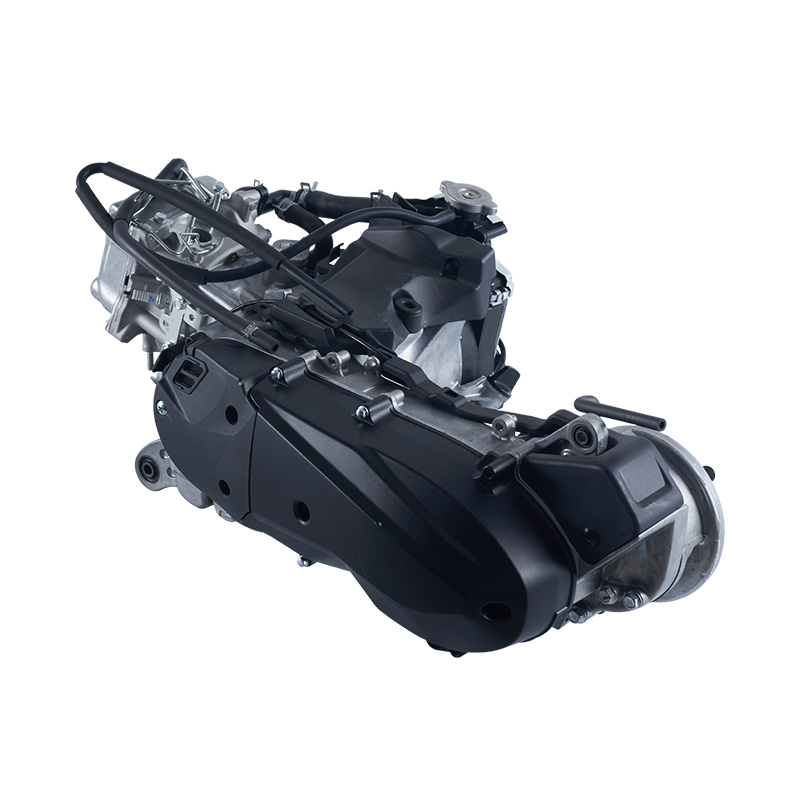
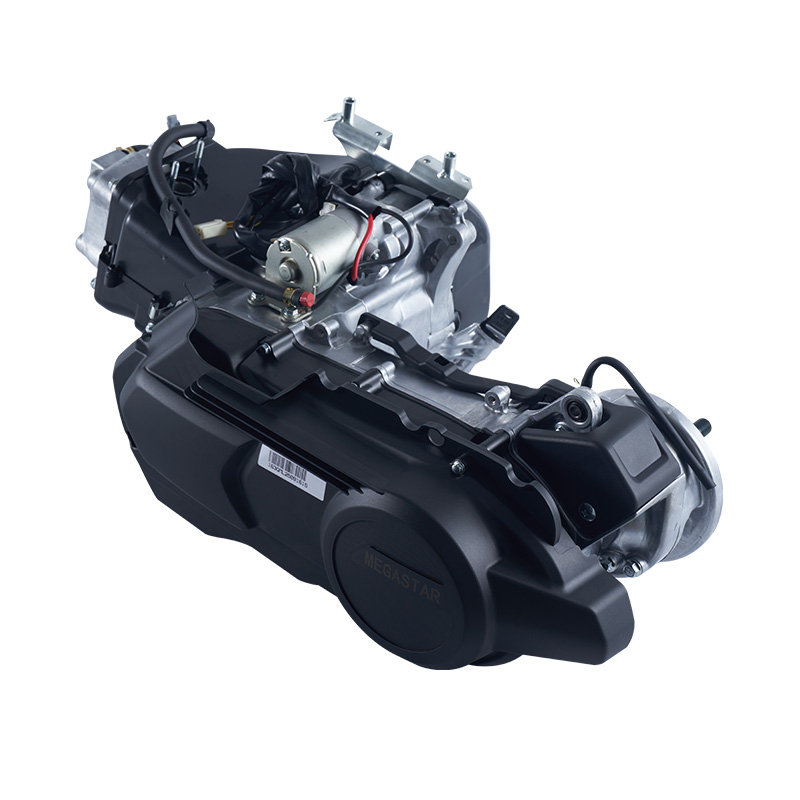
The same vehicle carries a 150cc-class gasoline engine for propulsion and the CBS layout for deceleration. Power and braking design sit on one scooter motorcycle so that everyday riding needs—moving off and slowing down—are addressed in the same product definition. 150cc Gas Motor Scooters with combined braking are often specified this way for urban duty.
The value of the arrangement is practical: ordinary stops engage both brakes through one learned input, subject to correct maintenance and rider understanding of the controls. That supports the vehicle's everyday riding pattern of frequent speed changes in mixed traffic.
| Aspect | System contribution | Rider / maintenance role |
|---|---|---|
| Linked activation | One control applies both brakes per design | Learn which control is linked |
| Force distribution | Geometry sets front/rear share | Keep adjustment within specification |
| Everyday stops | Both tyres can share deceleration work | Progressive input; watch surface grip |
| Independent or secondary control | May remain for balance or parking use | Know secondary control behaviour |
| Component wear | Linkage and friction parts age | Inspect cables, pivots, pads or shoes |
| Overall safety | Assists coordination; does not replace skill | Ride to conditions; service on schedule |
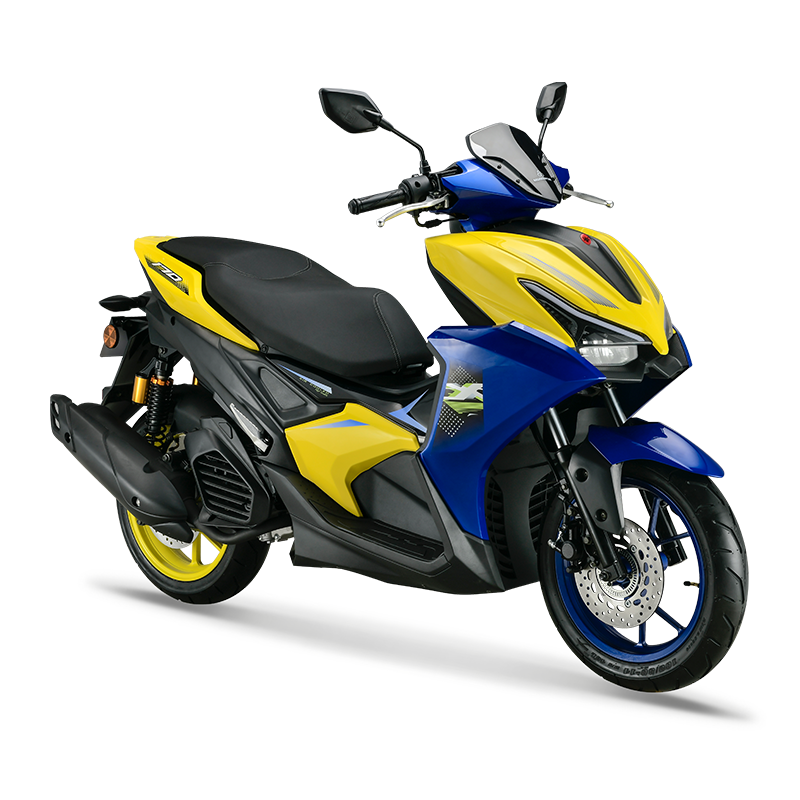
A CBS linkage brake system coordinates front and rear braking when the designated control is applied, which can simplify everyday stopping habits and support controlled deceleration on a scooter when the mechanism is correctly designed, adjusted and maintained. The Beyond CBS Linkage Brake 150cc Gasoline Scooter Motorcycle pairs that combined braking configuration with a 150cc gasoline power platform for daily riding use. Taizhou Jiaojiang Zhiwei Motorbike Manufacture Co., Ltd. produces scooter motorcycles including models with CBS linkage brake arrangements. Review of control layout, maintenance requirements and local riding conditions supports effective use of combined braking as part of ordinary scooter operation.
E-mail: [email protected]
Tel: +86-13806579227/+86-576-88011088
ADD: Hongjiachaiyang Industrial Zone, Jiaojiang District, Taizhou City, Zhejiang Province, China
China Scooter Motorcycle Manufacturer & Factory