English
 中文简体
 русский
 Español
 عربى
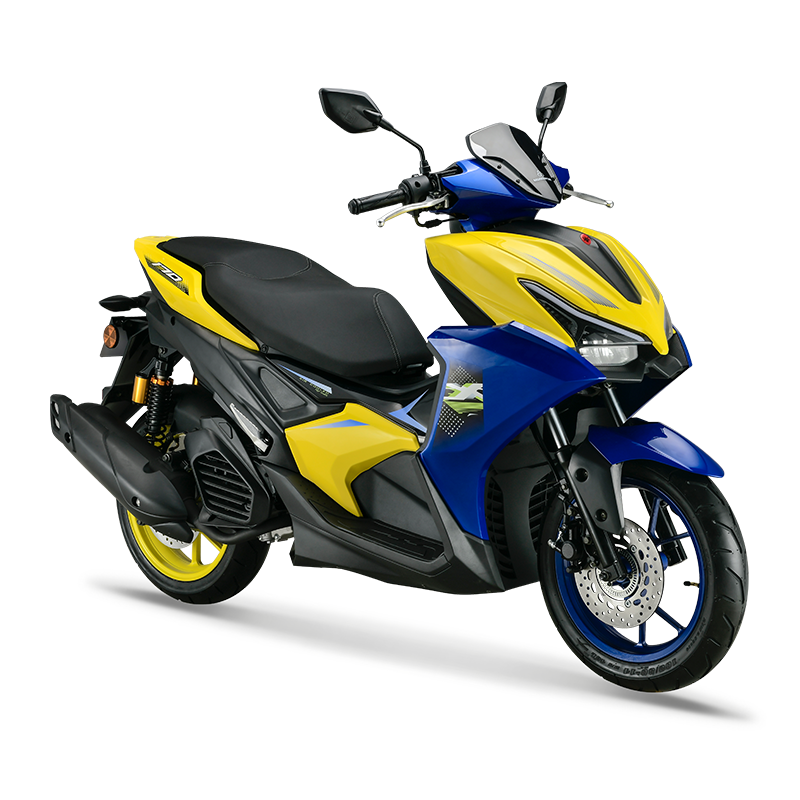
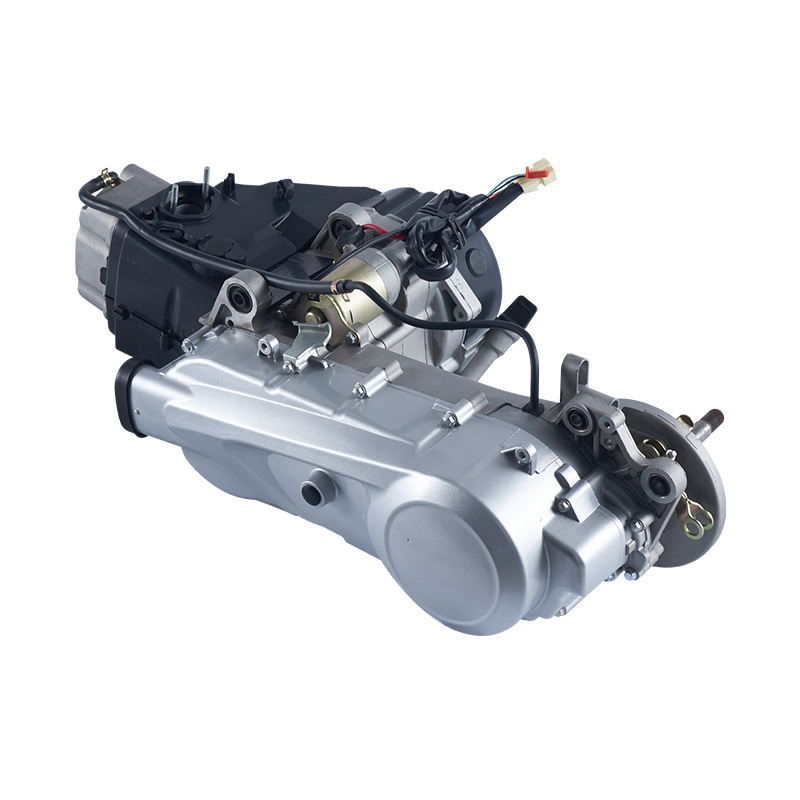
NVX 4th 150cc Liquid-Cooled Electronic Fuel Injection High-Performance Scooter Motorcycle
The 4th Generation NVX 150cc, a high-performance liquid-cooled fuel-injected scooter motorcycle has been meticulous...

Acceleration is the rate at which road speed rises after the throttle opens. On a scooter in the 150cc class, the gasoline engine is the source of the torque that must overcome inertia, rolling resistance and air drag. Displacement and the engine's power character set the ceiling for how quickly that torque can build once the continuously variable transmission begins to couple the crankshaft to the rear wheel. A responsive mid-range helps when pulling away from lights; a flat or delayed power delivery stretches the same manoeuvre.
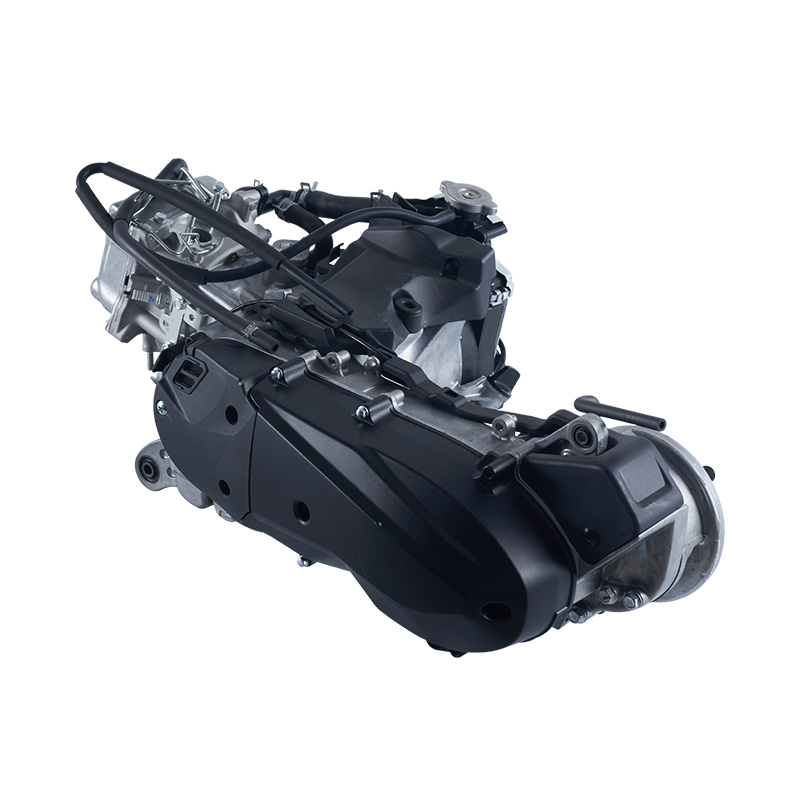
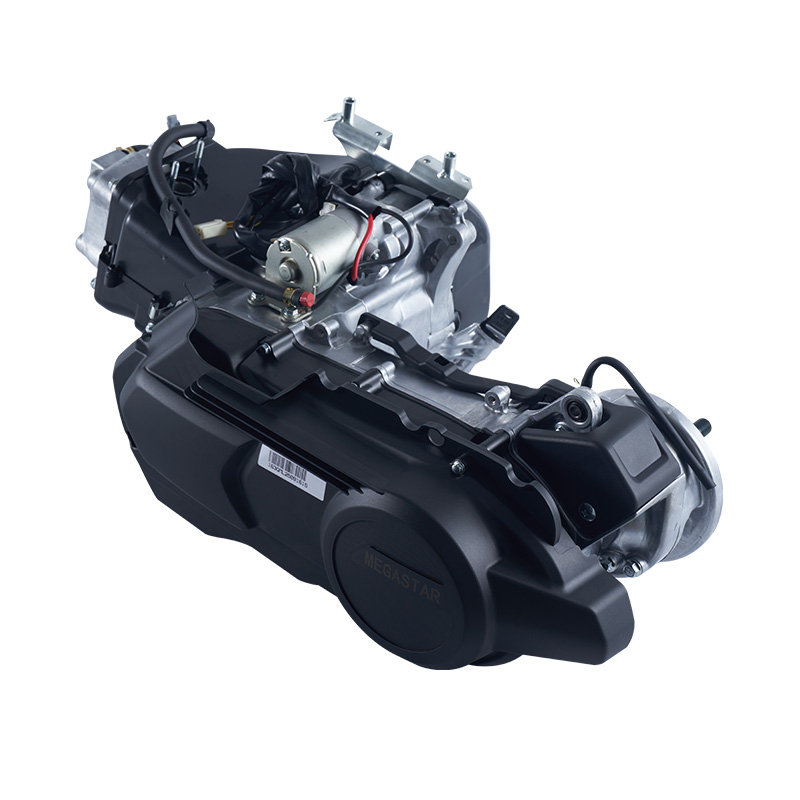
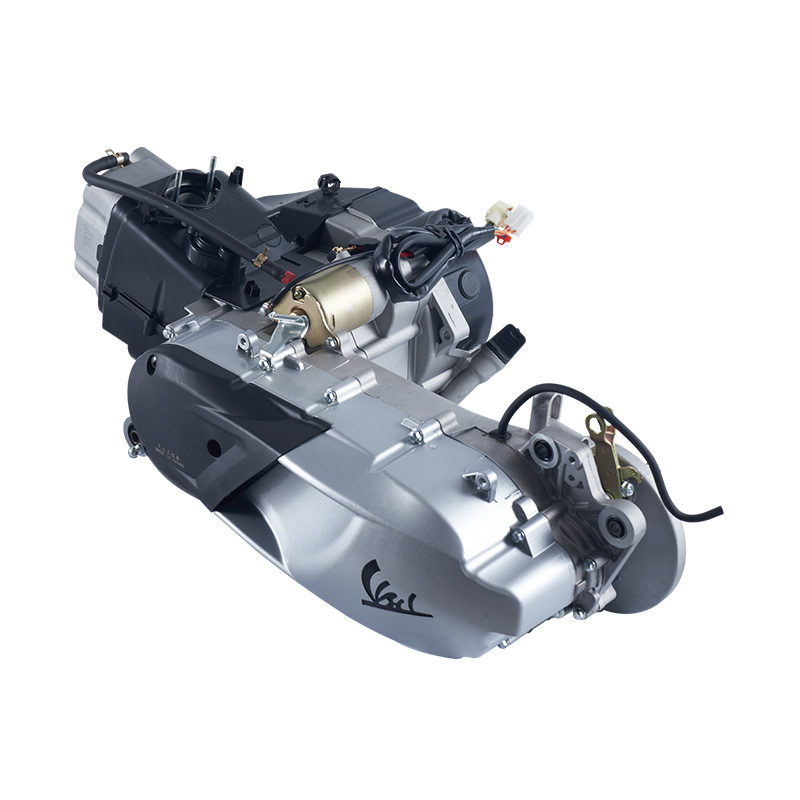
Starting from rest and rolling acceleration at urban speeds both depend on how cleanly the engine breathes, fires and delivers torque as revs rise. Maintenance state—clean air filter, correct fuel delivery, healthy ignition—matters as much as the nominal configuration. The Beyond CBS Linkage Brake Scooter Motorcycle uses a 150cc gasoline engine layout intended for scooter duty; real acceleration still tracks tune, load and road grade rather than displacement figures alone.
Most modern scooters use a belt-type continuously variable transmission. As the engine gains speed, the front pulley changes effective diameter, the belt rides on a new path and the rear pulley responds so that gear ratio shortens for pull-away and lengthens for cruising. That mechanical progression shapes how engine torque appears at the tyre. Sticky or worn belts, dry rails or weak rollers change the shift schedule and can make acceleration feel sluggish even when the engine itself is strong.
A transmission matched to the engine's torque curve transfers power without long flat spots or abrupt grabs. Correct assembly and periodic inspection keep the ratio change progressive. When the system is out of adjustment, the engine may flare without matching road-speed gain, which wastes acceleration. Smooth take-up from rest is a joint result of clutch or roller engagement and belt condition, not of the engine in isolation.
Heavier machines need more work to reach the same speed in the same distance. Design mass and how that mass is distributed influence both straight-line response and how settled the scooter feels as the rider opens the throttle. A 150 CC Moped Scooter package that keeps mass reasonable for its class leaves more of the engine's output available for acceleration rather than for simply moving its own structure.
A second person or luggage raises the demand on the engine at every throttle opening. The same scooter that feels eager with a light rider can feel muted when fully loaded, especially on rises. Evaluating acceleration only in an unloaded showroom state therefore understates what everyday use requires. Load also changes tyre contact and suspension pitch, which indirectly affect how cleanly power reaches the road.
Uphill grades add a continuous gravity component that the engine must overcome before speed can rise. Soft, wet or loose surfaces waste torque through slip. The power required to achieve a given acceleration climbs in those conditions, so the same throttle position produces a slower response than on level, high-grip pavement. Riders interpret that as weak acceleration when the limiting factor is the road rather than the machine.
Throttle input sets how quickly the engine is asked to produce torque. Smooth, progressive openings generally give cleaner CVT behaviour than abrupt twists that force the belt system through a wide ratio change at once. Regular care of engine oil, filters, spark delivery and transmission components helps the scooter keep the acceleration it had when properly set up. Neglect shows first as slow response and only later as hard failures. Scooter Motorcycle 150cc users who maintain the powertrain see more consistent pull-away than those who ignore service intervals.
The model's 150cc-class displacement places it in a common urban and commuting category. The gasoline power layout is intended for scooter applications—frequent stops, moderate speeds and mixed rider loads—rather than for specialised high-speed roles. Acceleration expectations should match that use case.
Engine and transmission are specified together so that power delivery is usable across the usual rev band. Matching components support coordinated response when the throttle opens, subject to the actual product specifications and maintenance state. Chassis and tyre choices further influence how that power becomes forward motion.
Everyday needs centre on clean starts, safe merging and confident slope climbs under realistic load. The 150cc configuration is aimed at those tasks when the scooter is ridden and maintained within design intent. Judging acceleration only by empty-machine feel on flat ground misses the conditions that matter on the way to work or the market. 150cc Gas Motor Scooters as a category are typically assessed the same way: useful response in real traffic, not laboratory peaks alone.
| Factor | Influence on acceleration | Practical note |
|---|---|---|
| Engine condition and tune | Torque available as revs rise | Keep filters, fuel and ignition in service |
| CVT / belt system | How power reaches the rear wheel | Inspect belt and rollers on schedule |
| Vehicle mass | Inertia to overcome | Design weight vs class expectations |
| Rider and cargo | Extra demand on every pull-away | Test with typical load |
| Road grade and surface | Added resistance or slip | Expect slower response uphill or on loose ground |
| Throttle and maintenance habits | Cleanliness of power delivery | Progressive throttle; regular service |
No single specification explains how a scooter leaves a junction. Engine, transmission, weight, load, road and rider input stack together. A well-kept 150cc scooter with a sound belt system and moderate load on level pavement will feel livelier than the same machine neglected, overloaded and pointed up a grade. Buyers and fleet managers who compare machines under similar conditions get a fairer picture than those who rely on isolated claims.
Acceleration of a 150cc scooter motorcycle depends on engine performance, transmission behaviour, vehicle and payload weight, road conditions and riding and maintenance habits. The Beyond CBS Linkage Brake 150cc Gasoline Scooter Motorcycle addresses everyday riding through its 150cc gasoline engine configuration and coordinated vehicle design when operated within those real-world factors. Taizhou Jiaojiang Zhiwei Motorbike Manufacture Co., Ltd. produces scooter motorcycles including 150cc-class gasoline models for daily transport. Review of engine and transmission layout, typical load and local road conditions supports a realistic view of acceleration before purchase and through the service life of the machine.
E-mail: [email protected]
Tel: +86-13806579227/+86-576-88011088
ADD: Hongjiachaiyang Industrial Zone, Jiaojiang District, Taizhou City, Zhejiang Province, China
China Scooter Motorcycle Manufacturer & Factory