English
  中文简体
中文简体 русский
 Español
 عربى
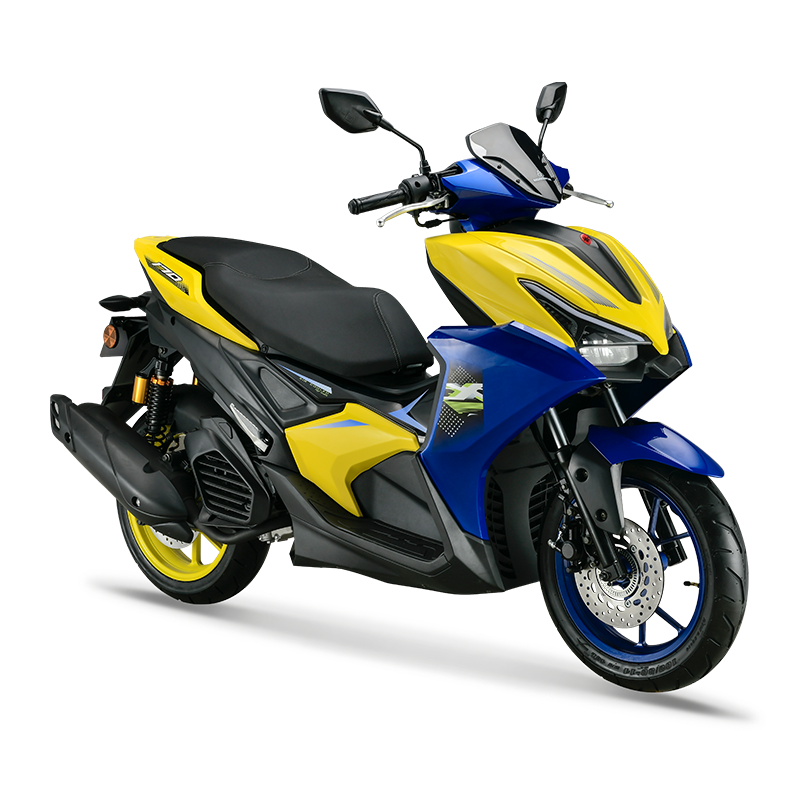
عربىNVX 4th 150cc Liquid-Cooled Electronic Fuel Injection High-Performance Scooter Motorcycle
The 4th Generation NVX 150cc, a high-performance liquid-cooled fuel-injected scooter motorcycle has been meticulous...
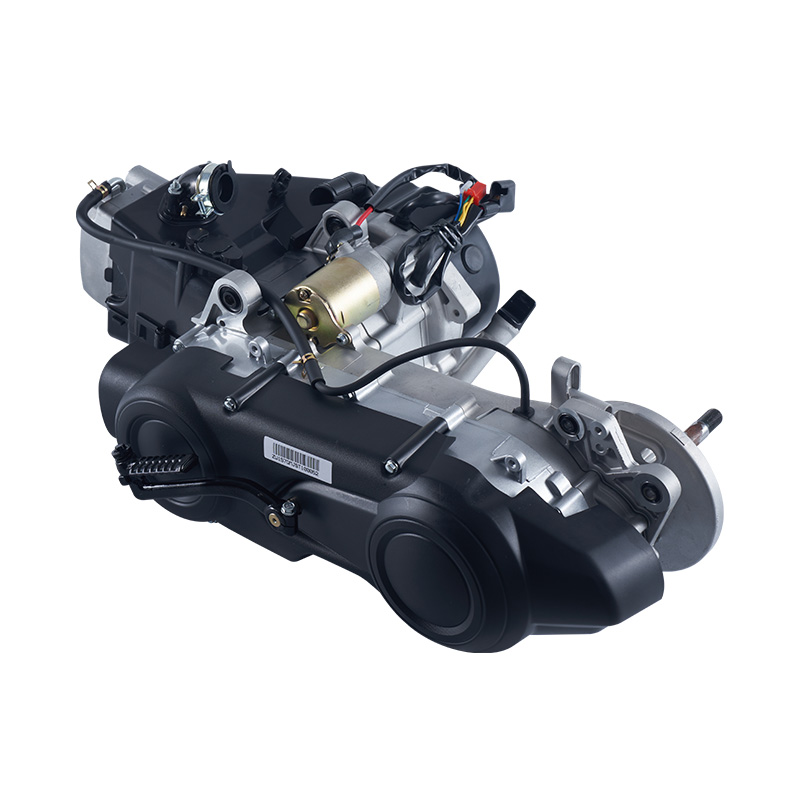
Keeping up with regular care helps a scooter engine stay closer to the conditions it was meant to run under. Wear builds slowly, oil that drops too low or turns dirty stops protecting the moving parts inside, and cooling surfaces covered in dirt lose their ability to let heat escape. City traffic with its constant stops, warm days, and heavier loads all put extra strain on the engine and make routine attention more useful. Following the schedule that comes with the unit is still the most practical way to support steady running. When an engine is being considered for daily city work, the way it is built, the upkeep it needs, and the technical information available matter just as much as the size range.
Cooling fins give the engine extra surface for air to touch so heat can leave the cylinder and head more easily. Dust, mud, and other debris that settle on those fins block the flow and should be cleared carefully so the surface stays open.
When air cannot move freely around the engine, heat leaves more slowly, especially during slow riding or long stops. Keeping the passages clear lets air reach the fins the way the design expects.
Unusual noise, a drop in response, or running that simply feels different can signal rising temperature. Signs that keep coming back call for inspection instead of continued use under the same conditions.
Oil level needs to be read the way the documentation describes. Using the proper method and keeping the level where it belongs supports internal lubrication.
The viscosity and specifications of the oil should match what the engine requires. The right choice depends on how the unit is built and the conditions it faces each day.
Change intervals follow the guidance that comes with the engine. Frequent short trips or more demanding use can make earlier changes practical.
A clean air filter helps keep proper airflow into the engine and supports steady combustion. In dusty surroundings the filter may need looking at more often.
The condition of the spark plug can point toward starting or combustion issues. Inspection and replacement should follow the intervals set out for the unit.
Loose fasteners, visible damage, or oil seepage around the cylinder head and connections deserve prompt attention. Fuel lines and electrical connectors that show wear or looseness should be corrected before they affect running.
Repeated acceleration and long periods of idling change the conditions the engine faces and can increase the heat that builds up.
High outside temperatures and heavier loads add thermal stress. The cooling surfaces work harder under those conditions and benefit from closer attention.
Short trips and long periods of storage each create different demands. Oil condition and the state of the cooling surfaces can shift in ways that call for adjusted care.
Following warm-up guidance, avoiding unnecessary strain, and responding early to warning signs help keep the engine within normal operating range.
Restricted airflow, insufficient lubrication, excessive load, or internal mechanical issues can all lead to rising temperature. Clearing the fins, confirming oil level, and reducing load are practical first steps before deeper inspection.
Difficulty starting may involve the battery, ignition components, fuel delivery, or compression. Checking these areas in turn helps isolate the source.
Loss of power can stem from restricted intake, ignition problems, fuel supply issues, or gradual mechanical wear. Addressing the more accessible items first often reveals the cause.
Persistent overheating, unusual mechanical sounds, or recurring performance drops call for professional diagnosis rather than continued operation.
| Area to Check | What to Look For | Why It Matters |
|---|---|---|
| Cooling fins | Dirt, mud, or blocked passages | Supports heat transfer |
| Engine oil | Level and condition | Protects internal parts |
| Air filter | Dirt or restricted flow | Maintains proper combustion |
| Visible connections | Loose fasteners, leaks, or damage | Prevents further issues |
Repeated mechanical failures and extensive internal wear can shift the balance toward replacement. Repair cost, parts availability, the overall condition of the scooter, and the intended use all enter the decision together.
Displacement alone does not determine whether a new unit will fit. Mounting points, transmission interfaces, electrical connections, and the requirements of the scooter frame need to be confirmed before any change.
Documented specifications for displacement, cooling method, and overall configuration provide a starting reference. Mounting dimensions, transmission interfaces, and electrical connections must align with the scooter. Recommended oil type, inspection steps, and service intervals show the upkeep the unit will need. Availability of installation notes, maintenance information, and replacement parts completes the picture needed for a practical choice.
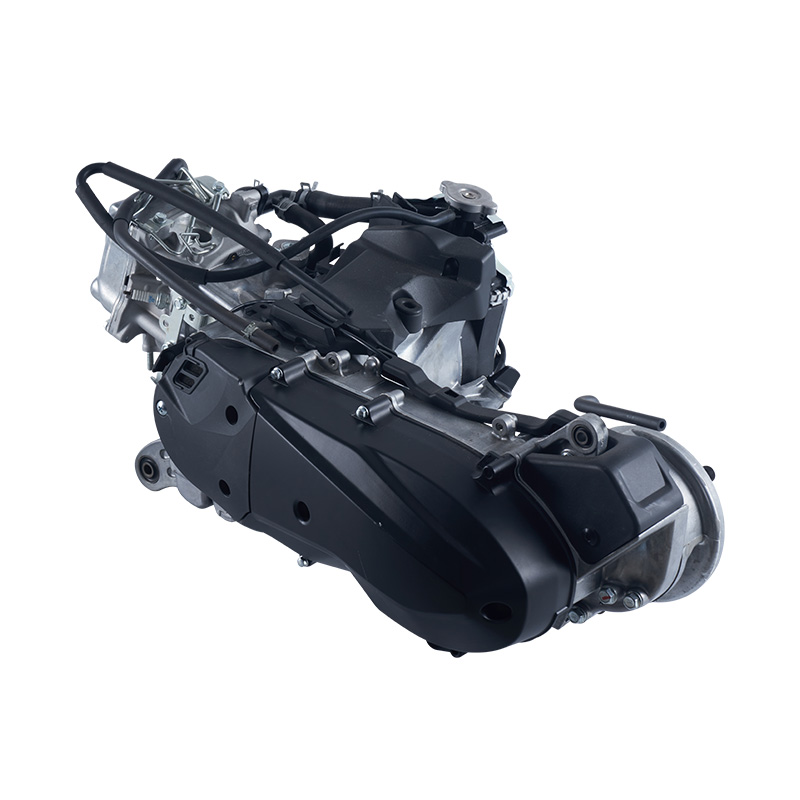
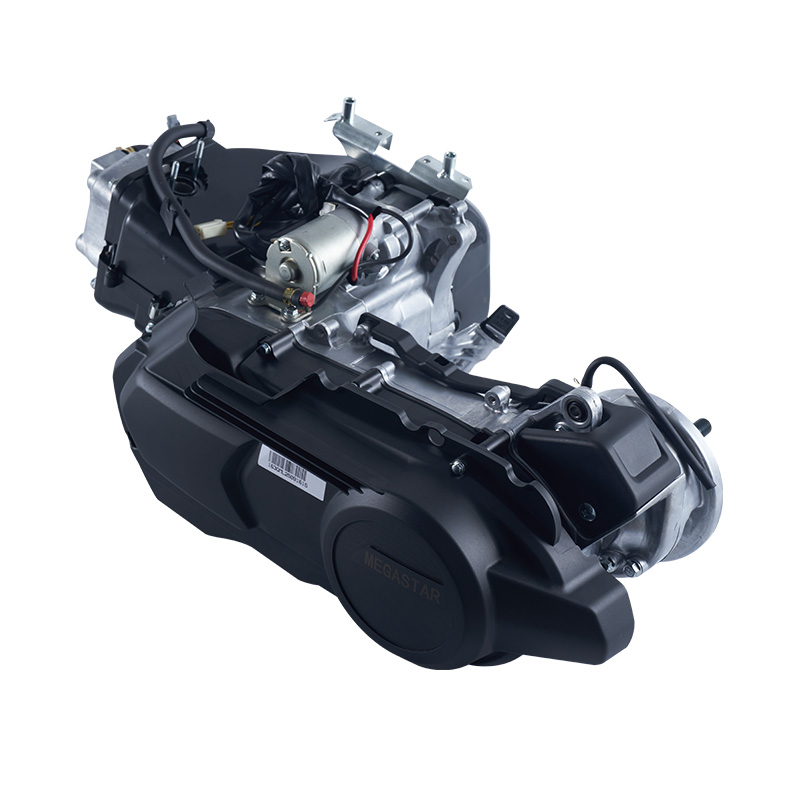
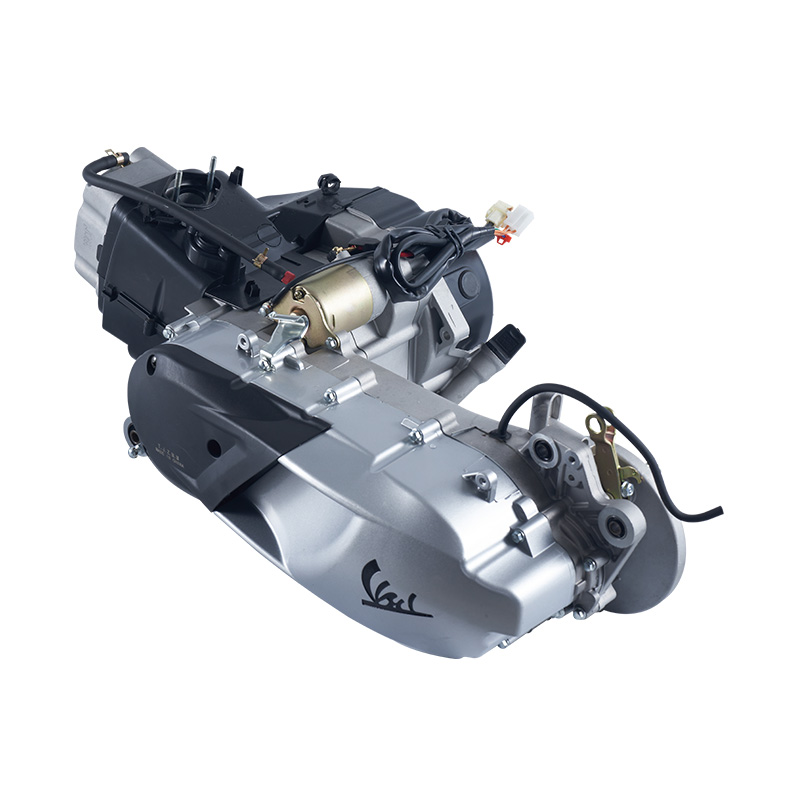
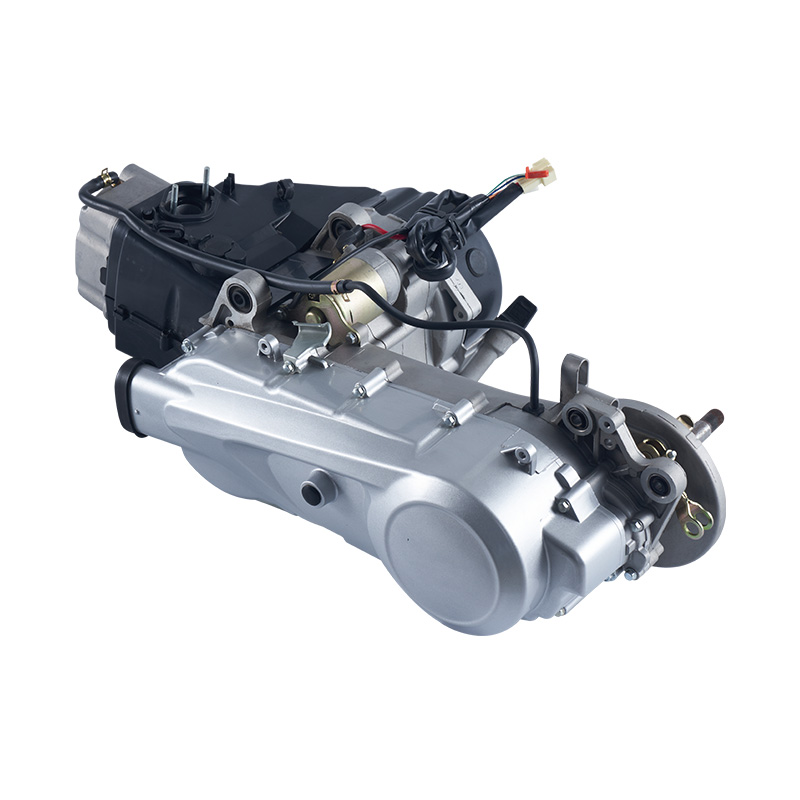
Cleaning the cooling fins, keeping lubrication correct, carrying out routine inspections, and adjusting riding habits all support reliable operation. Maintenance intervals should follow the guidance supplied with the engine. When replacement enters consideration, the condition of the current unit, compatibility with the scooter, and the intended use remain the central factors. The 170CC Air Cooling Overhead Suspension Scooter Engine stands as one configuration available for review when air-cooled scooter applications are under evaluation. Confirming the full set of product details and installation requirements supports a clearer decision.
Taizhou Jiaojiang Zhiwei Motorbike Manufacture Co., Ltd. supplies scooter engines and related parts used in everyday commuting.
E-mail: [email protected]
Tel: +86-13806579227/+86-576-88011088
ADD: Hongjiachaiyang Industrial Zone, Jiaojiang District, Taizhou City, Zhejiang Province, China
China Scooter Motorcycle Manufacturer & Factory