English
  中文简体
中文简体 русский
 Español
 عربى
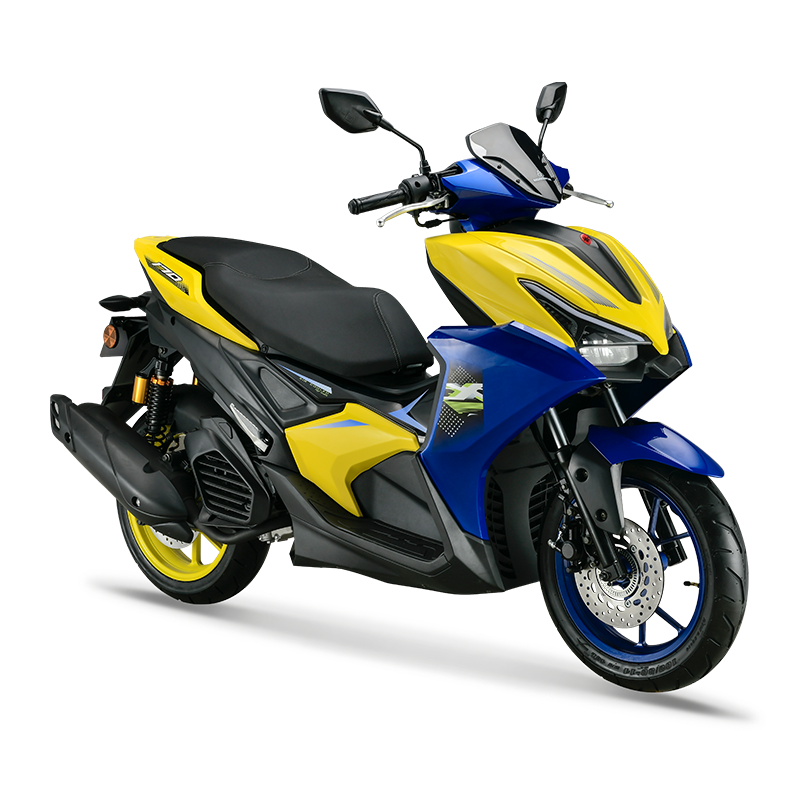
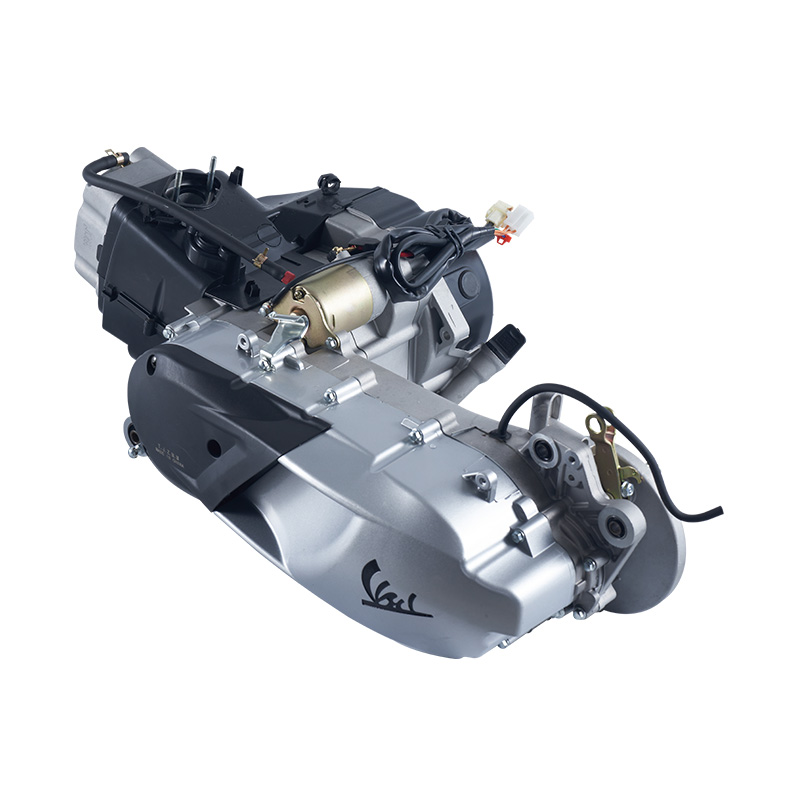
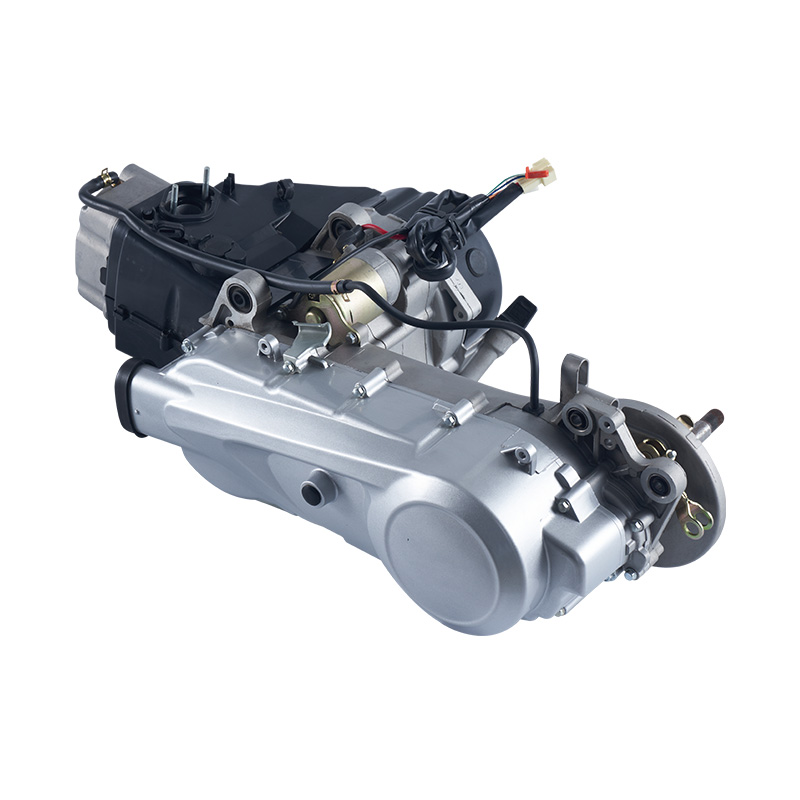
عربىNVX 4th 150cc Liquid-Cooled Electronic Fuel Injection High-Performance Scooter Motorcycle
The 4th Generation NVX 150cc, a high-performance liquid-cooled fuel-injected scooter motorcycle has been meticulous...
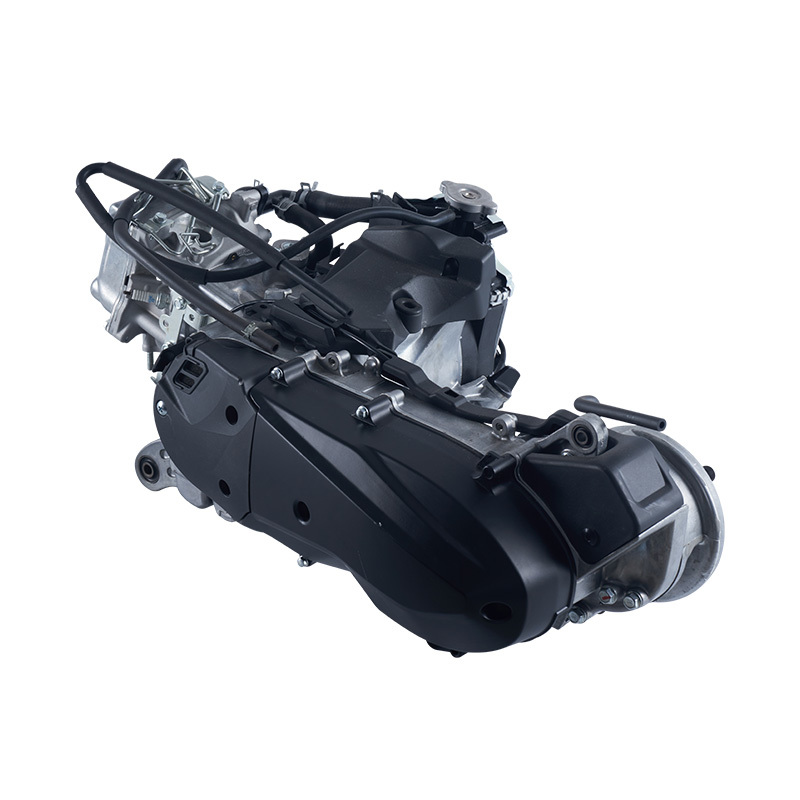
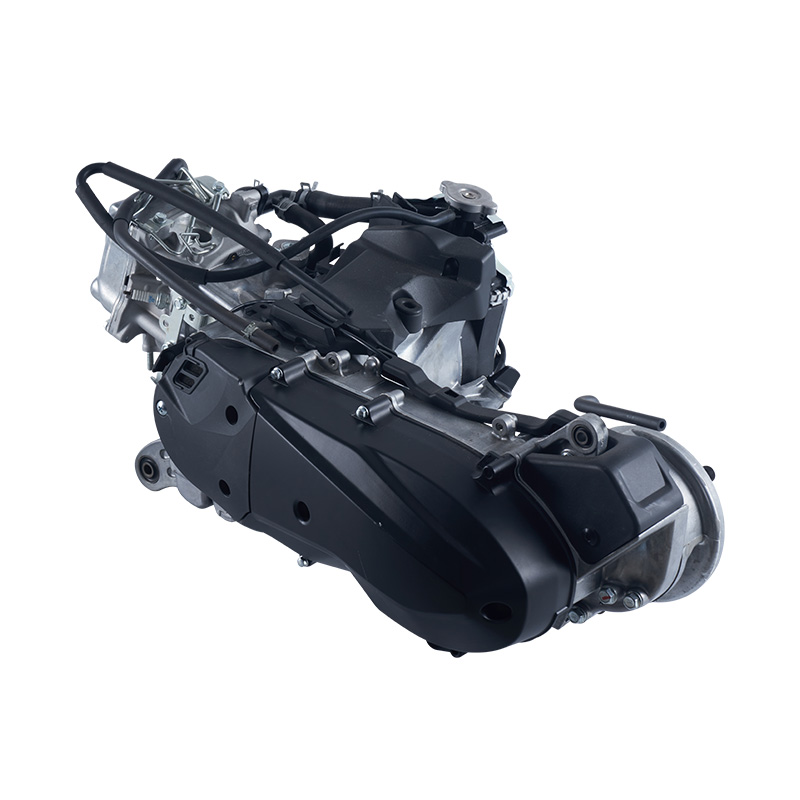
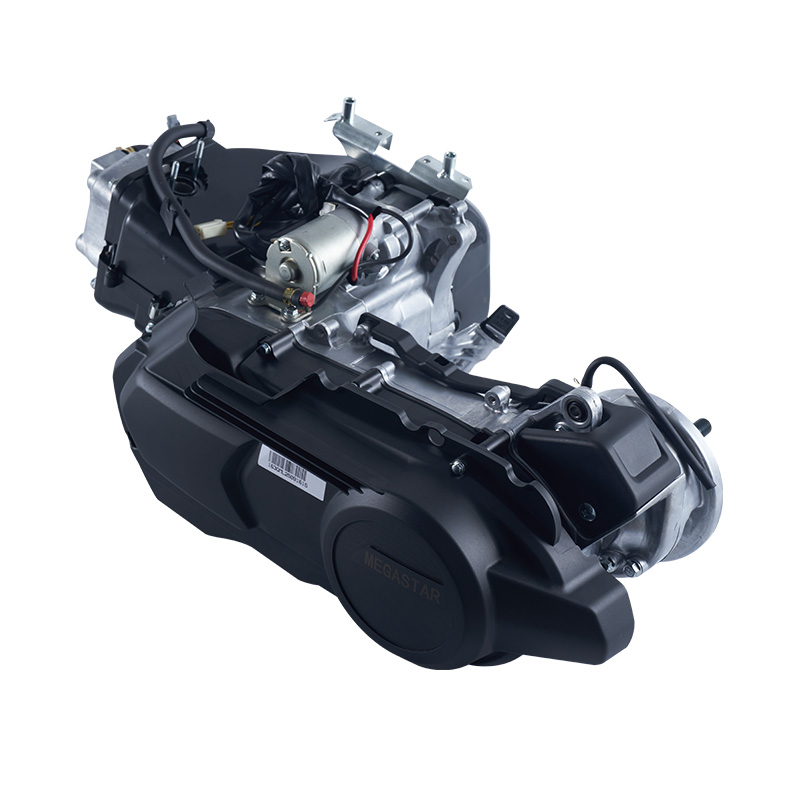
Burning fuel inside an engine always creates heat along with power. On a scooter that heat builds up in a small space and has to be moved away so the engine can keep running without trouble. If temperatures climb too high, performance drops, the ride feels less steady, and parts wear faster. A liquid cooling setup carries heat out of the engine and dumps it into the air through a radiator. Water Cooling Engine designs made for scooters rely on circulating coolant and a few supporting parts to hold temperatures in a workable range during normal use and longer trips.
Instead of depending only on air blowing over the outside, this type of engine uses a closed loop of coolant. The liquid travels through passages inside the engine, picks up heat, and carries it to a radiator. There the heat passes into the air, and the cooled liquid heads back to the engine. The main pieces are the internal passages, a water pump that keeps everything moving, the radiator itself, a fan that helps when the scooter is crawling or stopped, and a thermostat that decides when full flow should start. All of them work together so the engine can settle into a stable temperature.
Fuel burns in the combustion chamber and pushes the piston. That same burning heats the metal around it. If the heat just sat there, some spots would get much hotter than others and the engine would not run smoothly. Coolant flowing through the nearby passages soaks up the extra heat and moves on. As long as the liquid keeps circulating, no single area stays overheated for long.
The pump is what drives the coolant around the loop. Without it the liquid next to the hot parts would simply heat up and stay put. By pushing the coolant along, the pump lets heat travel from the engine to the radiator and then brings cooler liquid back again. Steady pump action is what makes the whole cooling cycle possible.
Hot coolant leaves the engine and enters the radiator. Inside, it spreads out across a large surface while air moves through the fins. Heat shifts from the liquid into the metal and then into the air stream. Once the coolant has lost much of its heat it flows back to the engine ready to collect more. The exchange keeps going as long as the engine runs and the system stays sealed.
When the engine is still cold the thermostat stays shut so the coolant can warm up faster. After the temperature rises the thermostat opens and lets the liquid flow freely through the radiator. The fan comes on when natural airflow is weak, for example in stop-and-go traffic. These two parts let the system adjust without constant attention.
Moving coolant around gives more even temperature control across different speeds and loads. On longer rides or during continuous running the system keeps carrying heat away. Stable temperatures help the engine stay in the range it was meant to operate in. In city traffic, where air moving over the engine changes all the time, the radiator and fan keep cooling active even when the scooter is barely moving. The setup does not remove every chance of overheating, but it does give tighter control than air cooling alone.
Air-cooled engines lose heat mainly through fins and the air that flows across the outside. The design is usually simpler and has fewer parts to look after. Liquid-cooled engines add a pump, radiator, hoses, and coolant, so there are more pieces and more maintenance points. In exchange they offer more deliberate temperature control. Which approach fits better depends on the scooter's overall design, the roads and traffic it will see, cost, and how much upkeep the owner wants to do.
Coolant level needs to be looked at according to the guidance that comes with the machine. The radiator and fan should stay free of dirt so air can pass through. Hoses and joints need checking for leaks. Coolant is changed at the intervals suggested for that engine, and only the right type is used. Any warning light or odd temperature reading should be looked into. The system should never be opened while the engine is still hot. Regular checks help the cooling stay effective and make small problems easier to catch.
How the scooter will be used matters. Short daily trips in traffic put different demands on cooling than longer continuous rides. The engine has to fit the scooter's layout and cooling arrangements. Build quality of both the engine and the cooling parts affects how long everything lasts. Easy access for maintenance and the chance of finding spare parts also count. Talking with suppliers about specifications, compatibility, quality practices, and later support helps confirm the engine matches the real needs of the job.
| Cooling Part | What It Does | What to Watch |
|---|---|---|
| Coolant passages | Let liquid collect heat from hot engine surfaces | Keep them clear of blockage |
| Water pump | Moves coolant through the whole loop | Steady flow prevents local hot spots |
| Radiator | Passes heat from coolant into the outside air | Fins need to stay clean |
| Thermostat | Controls when full coolant flow begins | Helps proper warm-up and running temperature |
| Cooling fan | Boosts airflow when the scooter is slow or stopped | Useful in traffic and long waits |
Coolant takes heat from the engine, the pump keeps the liquid moving, and the radiator dumps that heat into the air. The thermostat and fan help the system handle changing conditions. Controlled temperatures support steadier running on ordinary trips and longer ones. Maintenance still matters if the system is to keep working as intended. Water Cooling Engine setups built for scooters give a structured way to deal with the heat that comes from burning fuel. Matching the engine and its cooling system to the planned use, checking compatibility, and following the care schedule help the machine stay dependable.
Taizhou Jiaojiang Zhiwei Motorbike Manufacture Co., Ltd. develops practical scooter power units and remains available for further product inquiries.
E-mail: [email protected]
Tel: +86-13806579227/+86-576-88011088
ADD: Hongjiachaiyang Industrial Zone, Jiaojiang District, Taizhou City, Zhejiang Province, China
China Scooter Motorcycle Manufacturer & Factory