English
 中文简体
 русский
 Español
 عربى
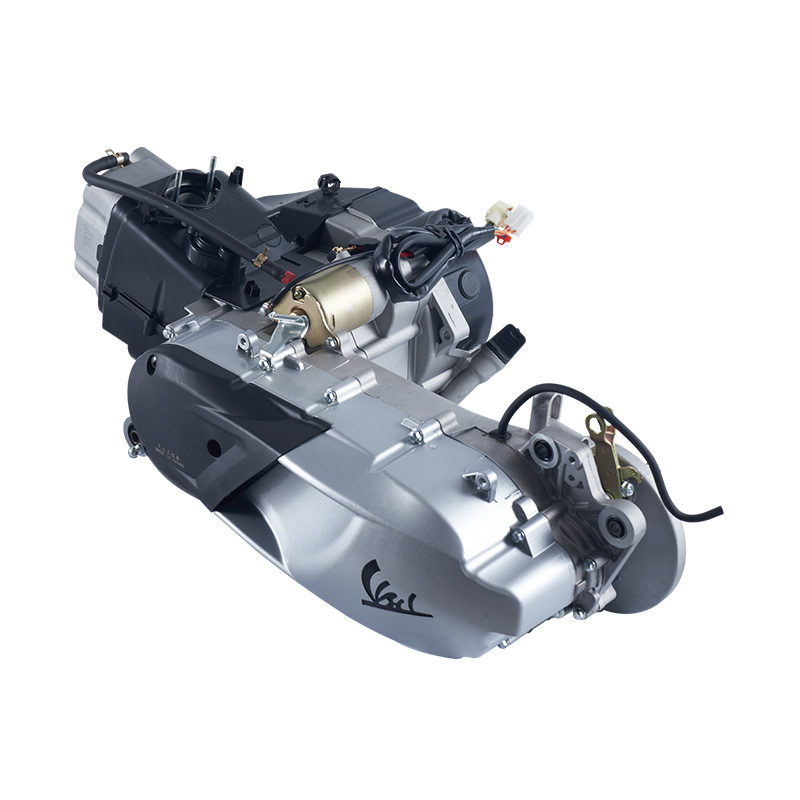
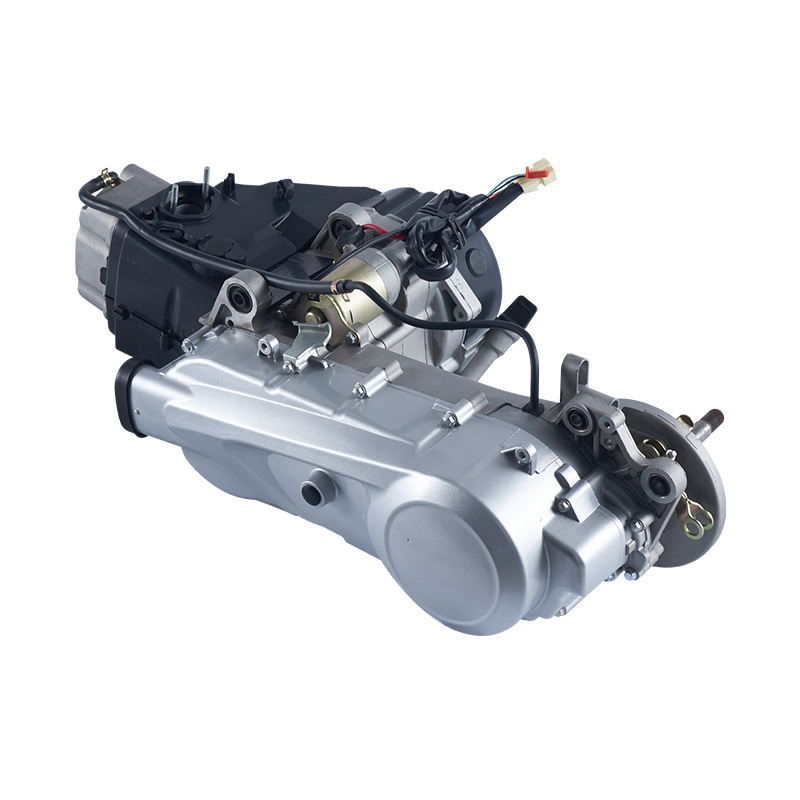
NVX 4th 150cc Liquid-Cooled Electronic Fuel Injection High-Performance Scooter Motorcycle
The 4th Generation NVX 150cc, a high-performance liquid-cooled fuel-injected scooter motorcycle has been meticulous...
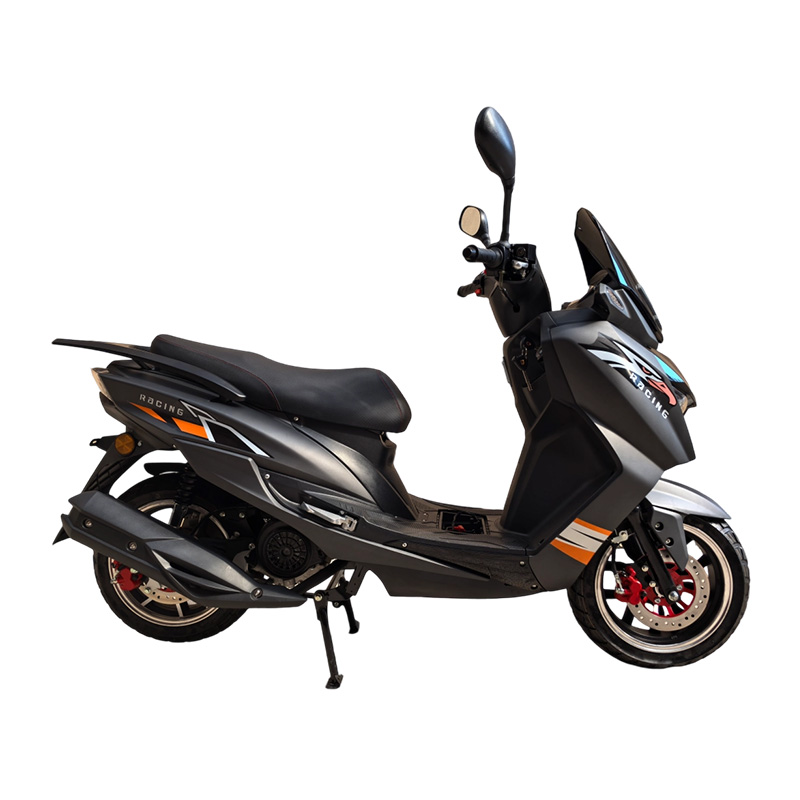
Engine displacement describes the working volume of the cylinders and sits among several factors that shape how a scooter feels on the road. Power delivery also depends on tune, transmission behaviour, vehicle weight and how the machine is loaded. In daily transport roles, 150cc gas scooters are often chosen for mixed urban and ordinary road use rather than for specialised sport riding.
Engine output influences how readily the scooter leaves a stop, how it builds speed in traffic and how it holds pace once cruising. Different environments ask for different responses: dense streets reward clean take-up from low speed; open sections reward steady pulling without constant gear fuss where a CVT is fitted.
Leaving junctions, merging into moving traffic and closing gaps all rely on initial response. In fluctuating city flow, the way power arrives—smoothly or in a sudden step—affects how secure the rider feels. Smooth acceleration supports finer control of spacing with other road users; abrupt response demands more careful throttle work.
Riding habits colour perception: progressive throttle use can make a moderate engine feel tractable, while constant full openings emphasise any limitation in mid-range pull. Practical value of a 150cc gas scooter for daily use lies in matching that response pattern to real commute patterns rather than in isolated peak claims. Alignment with commuting needs is clearer when test riding includes the same kinds of stops and restarts the rider faces every day.
Stop-and-go traffic repeatedly calls on low-speed response and heat management under short bursts of load. Steady travel on ordinary roads asks the engine to sit at a stable pace without strain. Climbs and descents change the demand on output and on braking discipline. A passenger or cargo increases mass and can stretch acceleration distances and affect balance.
Utility of 150cc gas motorcycles across these scenes depends on predictable delivery more than on any single dramatic figure. Riders who regularly carry a second person or packages should evaluate performance in that loaded state, not only solo on flat ground.
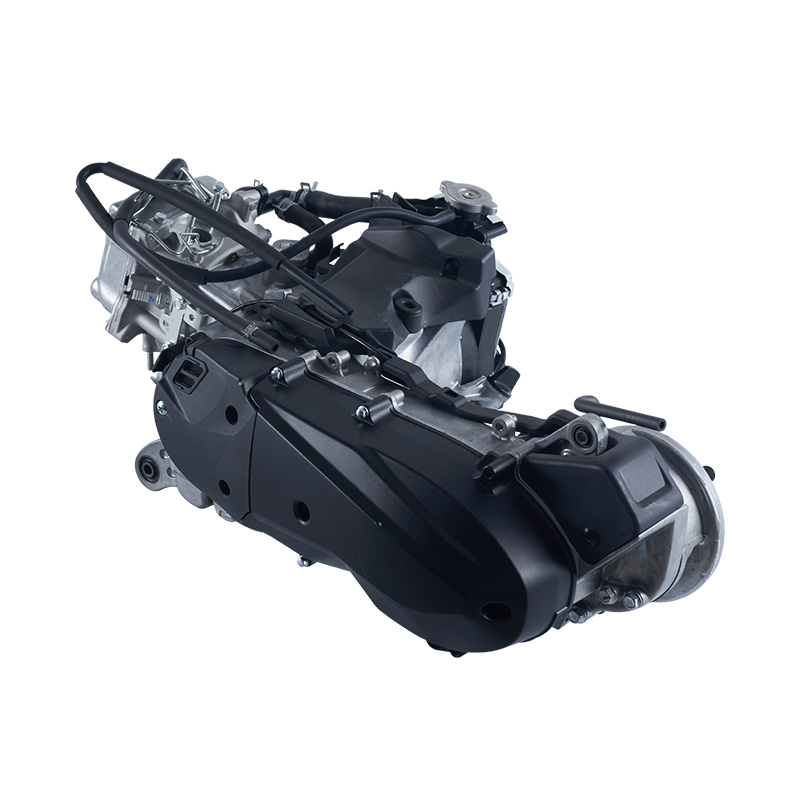
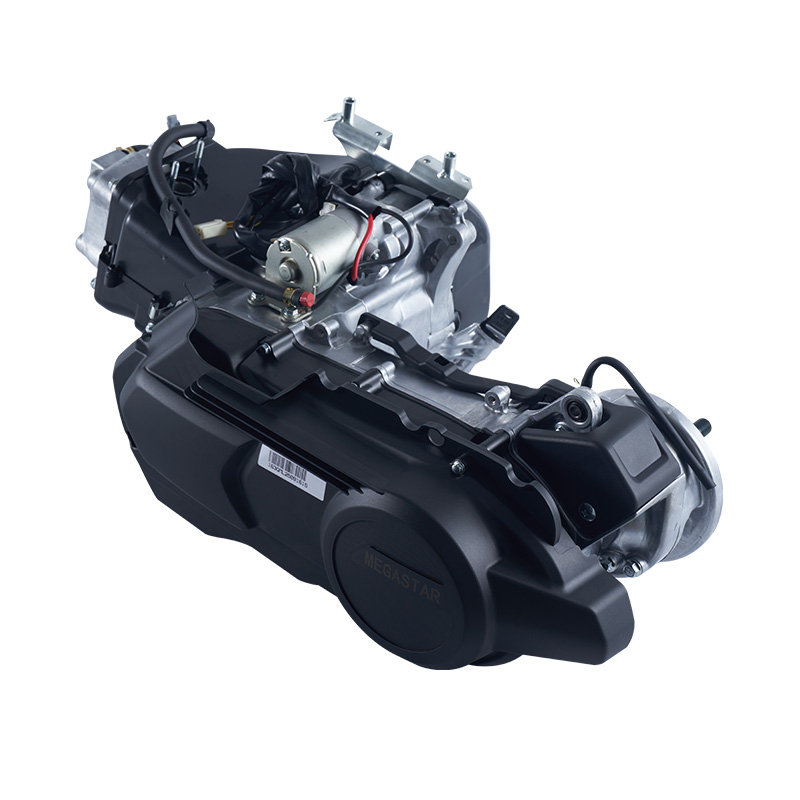
Engine condition—maintenance state, air intake cleanliness, fuel quality and service history—affects how much of the designed output is actually available. Overall vehicle weight and how load is distributed change how quickly speed builds. The drivetrain, including belt and variator behaviour on many scooters, shapes how engine speed maps to wheel thrust.
Tire condition and road surface alter grip and therefore how much throttle can be used effectively. Throttle control habits and upkeep of the whole machine further influence the felt acceleration. Judging a scooter only by the 150cc label misses these layers. A fuller view prevents disappointment when a well-kept lighter setup feels livelier than a neglected heavier one in the same class.
Output and control belong together. Smooth take-up from a stop makes it easier to keep the chassis settled. Throttle technique can soften or exaggerate the engine's character. Brakes and tire grip must be able to manage the speeds that power allows; strong acceleration with weak stopping or hard compound tires on wet roads reduces real-world confidence.
Different scenarios need different emphasis: tight parking-lot speeds reward finesse; open arterial roads reward stable mid-range behaviour. Product usefulness for daily riding rests on power and control working as a pair. Marketing that separates them gives an incomplete picture.
Urban commuting, short links between home and work and general road riding are common roles for this class. Engine character should match those distances and densities. When comparing machines, power-related behaviour at take-off, in traffic and at steady pace deserves attention alongside styling. Short trips, regular commute cycles and mixed ordinary roads are the reference, not occasional peak runs.
Overall value combines performance feel, ease of operation and practical ownership tasks such as routine care. A 150cc Gas Moped Scooter in this segment is often selected when that blend fits the rider's week rather than when a single specification dominates the decision.
Primary use should be stated clearly: city commute, mixed daily travel or occasional longer ordinary-road runs. Engine behaviour in those settings should guide selection. Startup response, acceleration in traffic and sustained riding comfort all belong in the evaluation. Handling, seating comfort and maintenance access complete the picture.
The 150cc fuel-powered engine is a central feature of the Beyond second-generation LCD instrument model line discussed here, yet it should be assessed through practical utility. A 150cc Gas Motorcycle or scooter purchase works better when real routes and loads frame the test, not only showroom impressions.
| Context | What power delivery should support | Extra factors to check |
|---|---|---|
| Leaving junctions in traffic | Clean, controllable take-up | Throttle smoothness; clutch or CVT behaviour |
| Dense stop-and-go streets | Repeatable response without fuss | Heat behaviour; ease of low-speed modulation |
| Steady ordinary-road pace | Stable holding of chosen speed | Vibration; ability to maintain pace with load |
| Hills with rider only | Adequate pull without constant full throttle | Gear or ratio behaviour on gradients |
| Rider plus passenger or cargo | Acceptable acceleration when mass increases | Balance; tire pressures; brake feel |
| Mixed weekly routine | Predictable character across the above | Maintenance state; tire grip |
Consistent service, correct tire pressures and sensible throttle use keep acceleration closer to what the design intended. Ignoring maintenance blames the displacement class for problems that belong to upkeep. Riders who adapt speed and load to conditions get more usable performance from the same engine than those who demand full output in every situation.
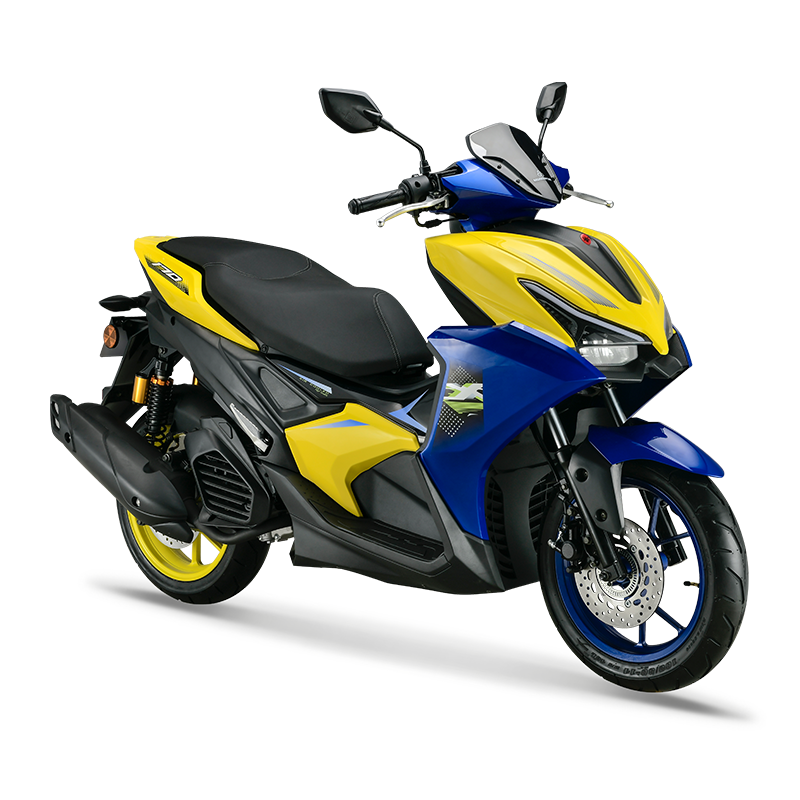
Acceleration and power of a 150cc scooter are best understood through response in traffic, behaviour under load and the balance between thrust and control, not through displacement alone. Taizhou Jiaojiang Zhiwei Motorbike Manufacture Co., Ltd. produces gas scooters and motorcycles including 150cc configurations such as the Beyond second-generation LCD instrument model range. Review of commute patterns, typical load and road types against how a scooter accelerates and pulls supports a practical choice for everyday transport.
E-mail: [email protected]
Tel: +86-13806579227/+86-576-88011088
ADD: Hongjiachaiyang Industrial Zone, Jiaojiang District, Taizhou City, Zhejiang Province, China
China Scooter Motorcycle Manufacturer & Factory