English
 中文简体
 русский
 Español
 عربى
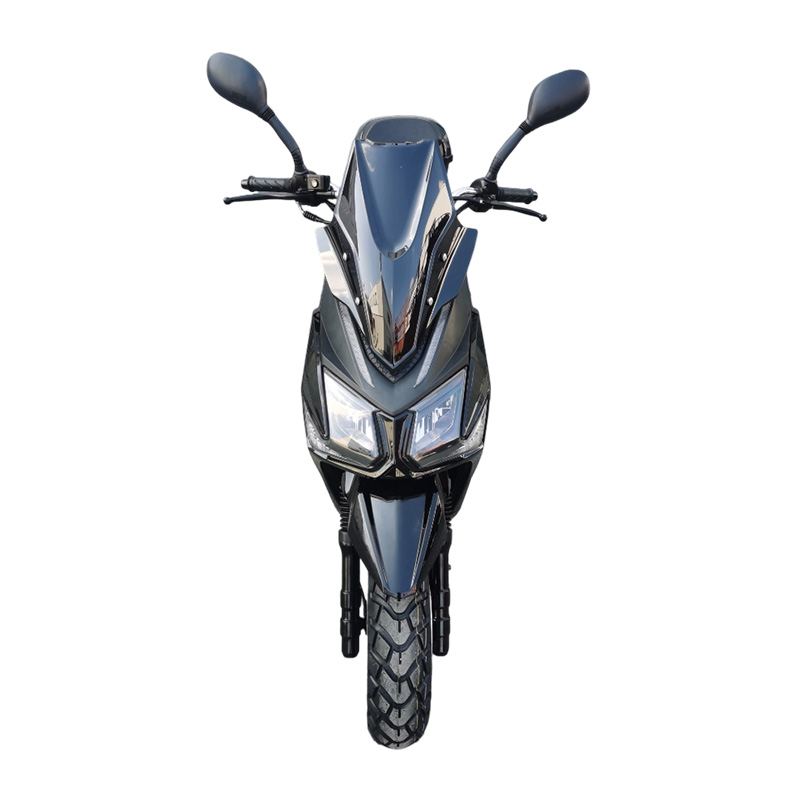
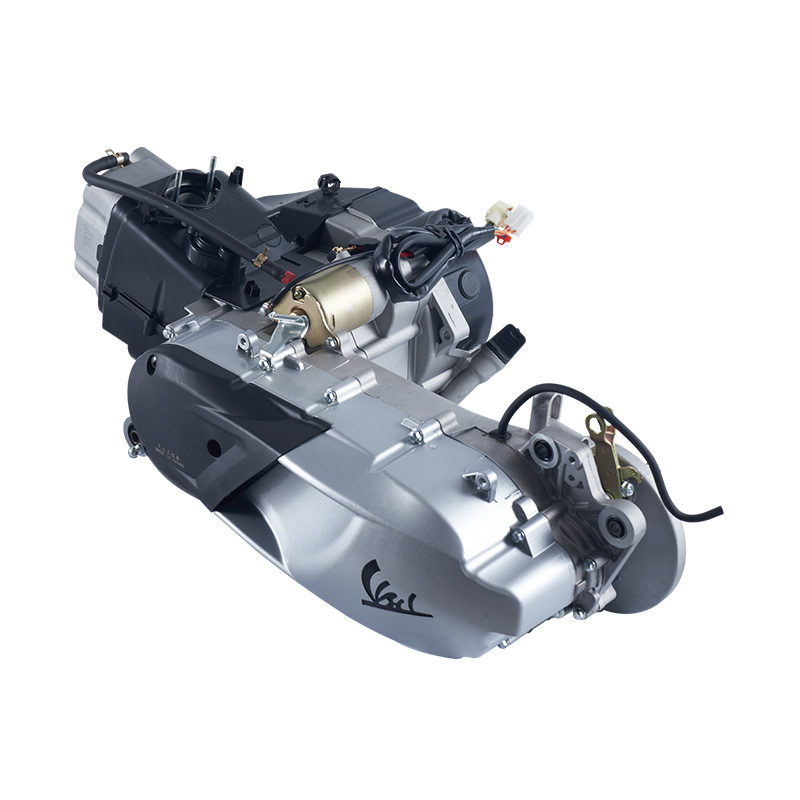
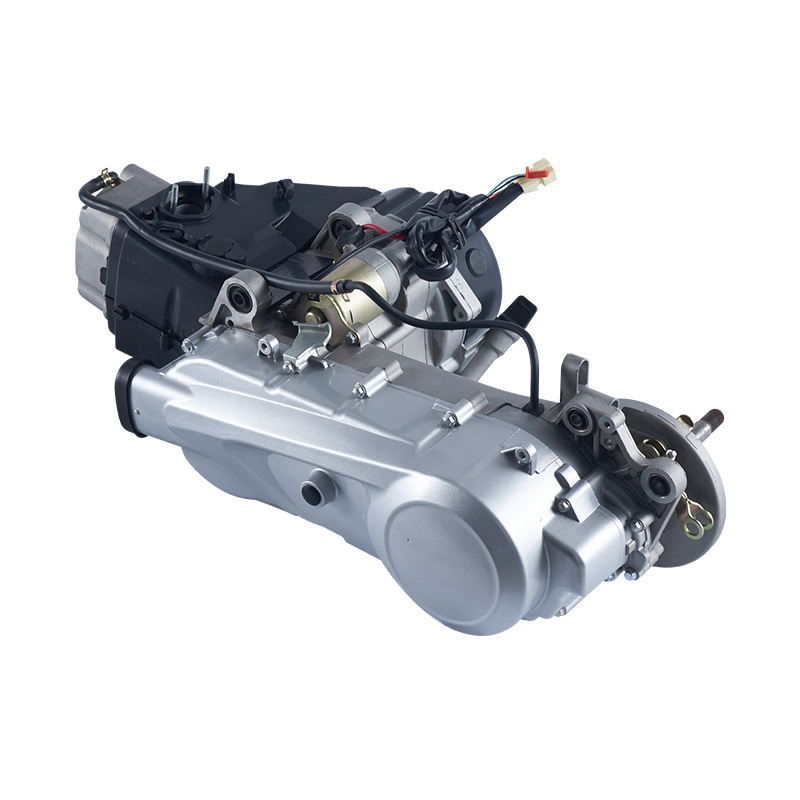
NVX 4th 150cc Liquid-Cooled Electronic Fuel Injection High-Performance Scooter Motorcycle
The 4th Generation NVX 150cc, a high-performance liquid-cooled fuel-injected scooter motorcycle has been meticulous...
Mechanical gauges served motorcycles for a long time with needles, fixed scales and a limited set of warning lamps. They are familiar, yet the amount of information and the way it is arranged stay constrained by physical dial space. Reading several separate dials quickly in traffic can demand extra glances.
LCD instrument panels change how riders receive vehicle status by grouping speed, distance, indicators and system messages on a single illuminated surface. Digital display has become a regular part of modern gas motorcycle design, not only a rare option. Buyers pay more attention to how the cluster looks, how easily numbers can be read and how straightforward the interface feels day to day. A 150cc gas scooter equipped with a second-generation LCD instrument uses that digital approach as part of a more contemporary overall design.
During a ride, the operator needs timely awareness of speed, distance related data, turn signals, fuel-related indication where provided and basic system alerts. An LCD layout can present those items in organised zones so the eye learns a stable pattern rather than hunting across scattered dials. Digit and icon placement influence how quickly information is recognised under real road conditions.
Light conditions change from bright midday sun to overcast skies and night streets. Display behaviour under those conditions affects whether the cluster remains helpful or becomes hard to use. Second-generation LCD instrument design on the product focuses on everyday readability so that routine riding benefits from clearer digital status information without forcing long looks away from the road.
The instrument cluster is both a tool and a visible piece of the front assembly. Its shape, bezel and screen proportion interact with the handlebar area, front cover and lighting layout. A digital panel can align with cleaner, more current body lines where a set of round analogue gauges might look dated on a newly styled scooter.
Screen layout and the graphic language of the interface contribute to the first impression when the vehicle is approached or photographed. Integrating a second-generation LCD instrument with the rest of the bike's design helps a traditional fuel-powered platform present a more modern face. Appearance and function meet at the cluster; neither fully replaces the other.
Commuting involves repeated short checks of speed and signals in dense traffic. A clear digital layout shortens the time needed to find the needed value. City roads, mixed weather and varied trip lengths all create moments when information must be taken in quickly.
Riders with different habits—some glance often, some prefer fewer but longer checks—benefit when icons and numbers stay in consistent places. Second-generation LCD instrumentation is treated as a product feature that links information design with daily use rather than as decoration alone. Usability on the regular route matters as much as showroom impact.
Display technology on motorcycles has moved from basic segmented readouts toward richer layouts that organise more status types on one surface. How that surface groups primary data versus secondary messages shapes the riding experience. Visual clarity, logical information hierarchy and interface restraint all influence whether the cluster feels calm or crowded.
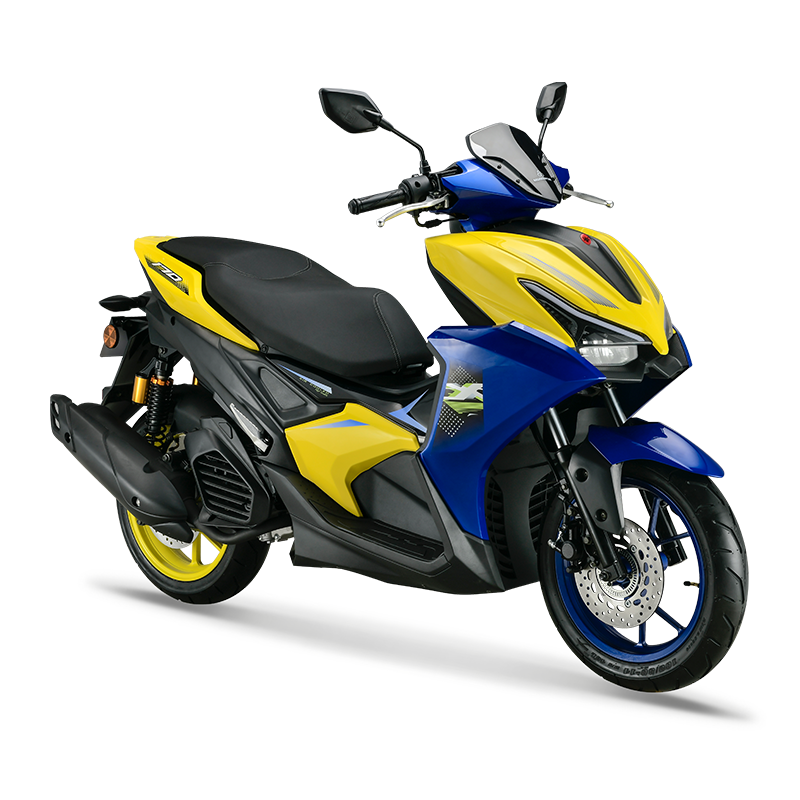
Buyers of modern machines often evaluate instruments as a package of function and style together. The product's second-generation LCD configuration is presented as part of that package: a defined step in digital display design for this scooter class, with attention to how content is arranged and how the panel sits in the overall front design. 150cc Gas Moped Scooter positioning includes that instrument character alongside engine and body choices.
Purchase decisions still centre on powertrain, practicality and look, yet the cluster affects every ride once the machine is in service. Comparing instrument types can include readability, information layout and how the panel contributes to the bike's visual identity. Digital clusters have become a recognised configuration highlight on modern fuel scooters.
Second-generation LCD instrumentation on a 150cc Gas Motorcycle in this segment supports product recognition and day-to-day usefulness when the display stays legible and the layout stays learnable. Choosing a machine partly on instrument quality is consistent with how much time the rider will spend using that interface.
| Aspect | Relevance to the rider | Design note |
|---|---|---|
| Information grouping | Faster location of speed and status | Stable zones for primary and secondary data |
| Readability in varied light | Usable checks by day and night | Contrast and layout that hold up outdoors |
| Visual integration | Cluster matches modern body design | Shape and finish aligned with front assembly |
| Learning effort | Shorter time to habitual glances | Consistent icon and number placement |
| Daily commute use | Quick status in traffic | Minimal clutter in the main field of view |
| Product identity | Digital cluster as a visible feature | Second-generation LCD as a defined design choice |
A well-resolved LCD panel should support the ride, not compete with it. Overloading the screen with rarely needed content can slow recognition. Second-generation design thinking emphasises prioritising what the commuting rider needs most often, while still allowing access to secondary information when required. Alignment between industrial design and interface layout keeps the front of the motorcycle coherent.
LCD instrument panels are popular on modern gas motorcycles because they organise vehicle information clearly, support contemporary styling and serve daily commuting checks. Taizhou Jiaojiang Zhiwei Motorbike Manufacture Co., Ltd. produces gas scooters and motorcycles with second-generation LCD instrument configurations among available specifications. Review of display layout, readability needs and overall vehicle design against instrument options supports selection of a modern fuel scooter that remains practical and visually consistent in regular use.
E-mail: [email protected]
Tel: +86-13806579227/+86-576-88011088
ADD: Hongjiachaiyang Industrial Zone, Jiaojiang District, Taizhou City, Zhejiang Province, China
China Scooter Motorcycle Manufacturer & Factory