English
  中文简体
中文简体 русский
 Español
 عربى
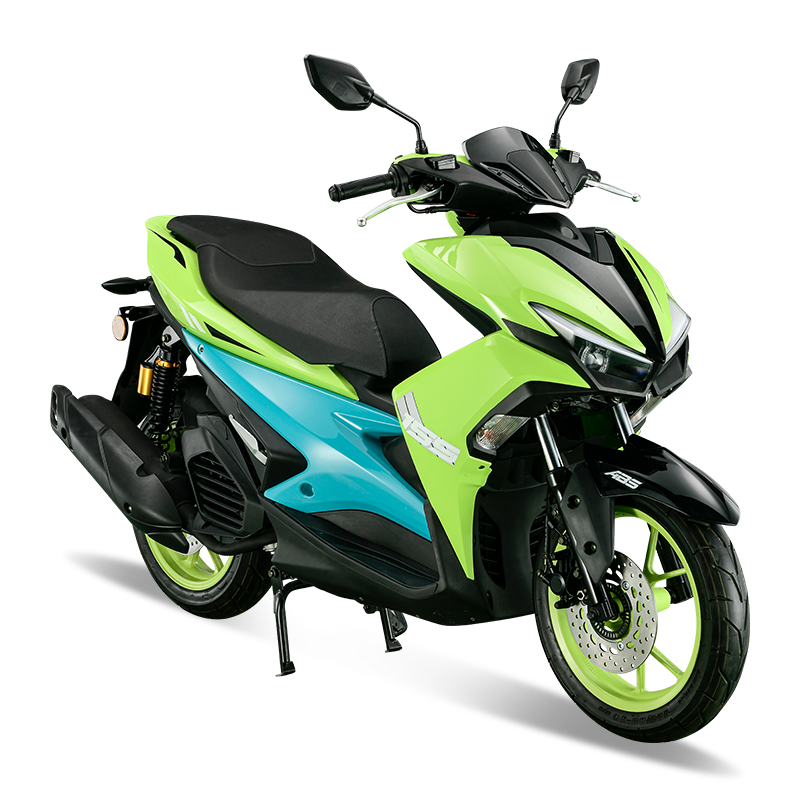
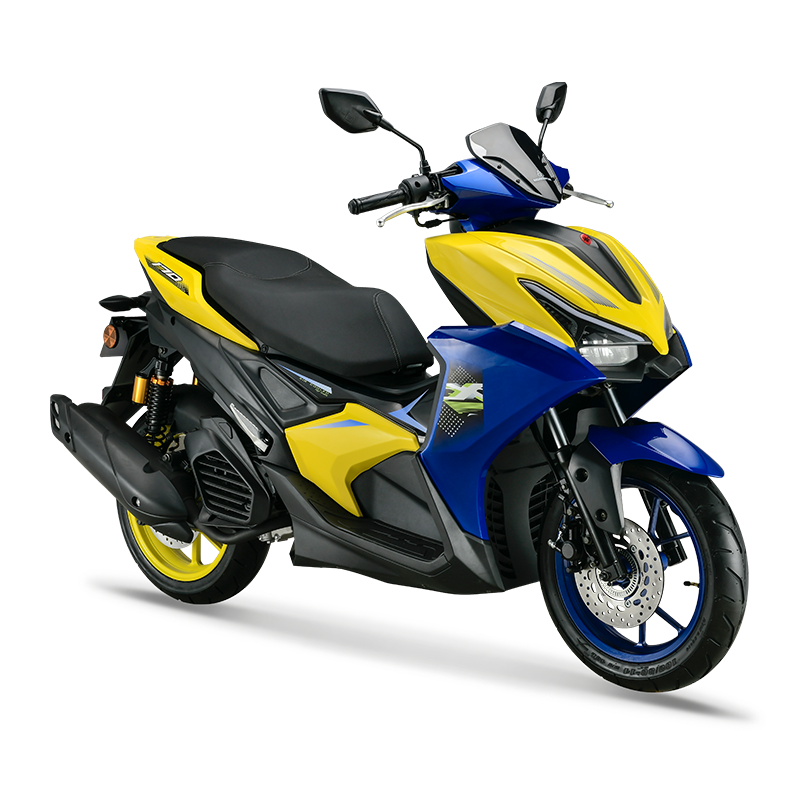
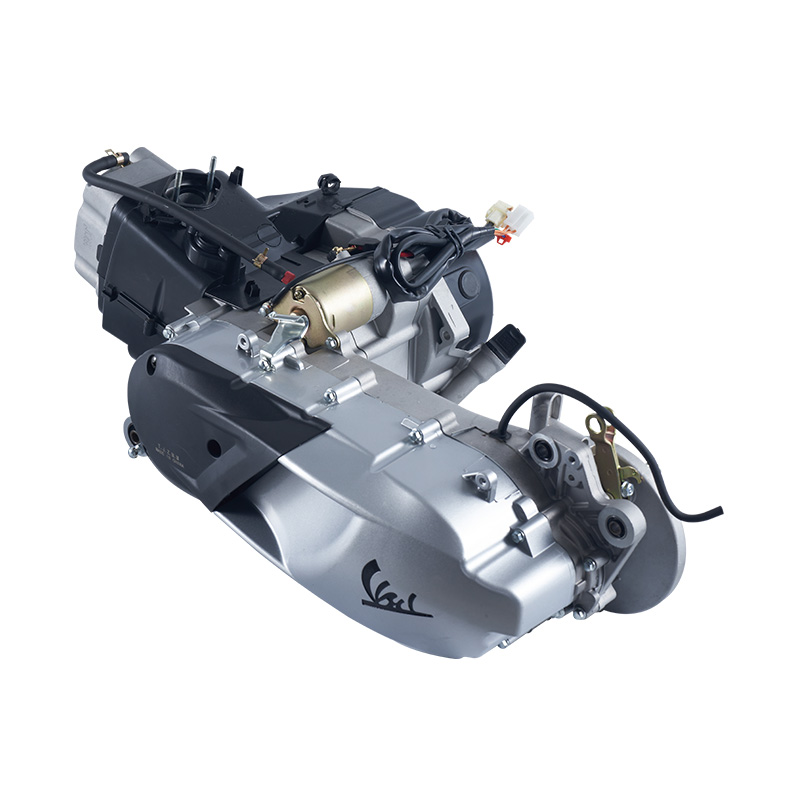
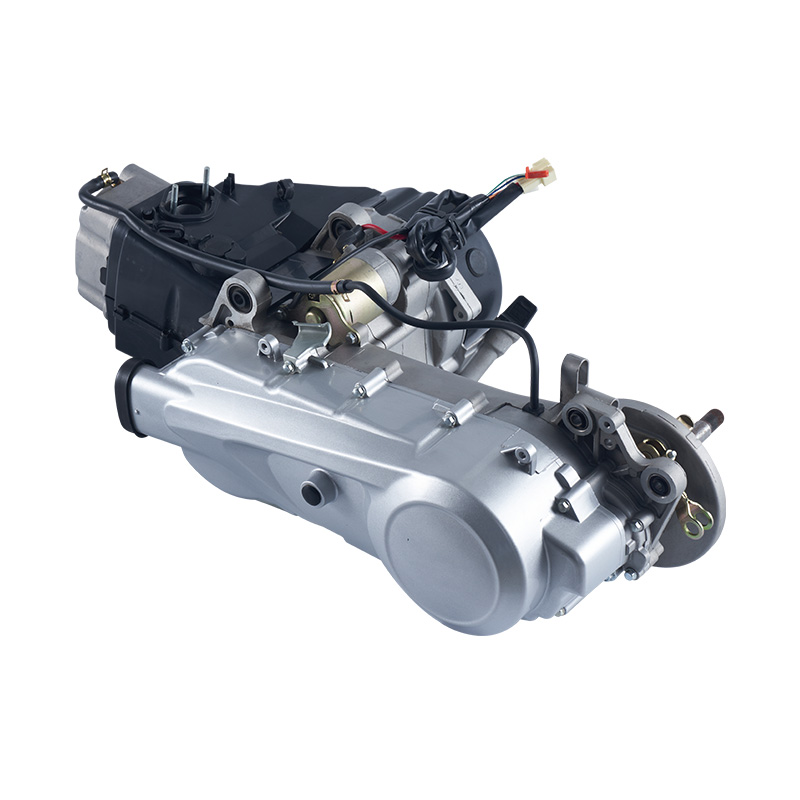
عربىNVX 4th 150cc Liquid-Cooled Electronic Fuel Injection High-Performance Scooter Motorcycle
The 4th Generation NVX 150cc, a high-performance liquid-cooled fuel-injected scooter motorcycle has been meticulous...
Urban transportation has changed a lot in recent years. In many cities, daily travel is no longer limited to cars or public transport. More people are starting to look at compact mobility options that feel flexible in traffic and easier to handle in daily routines.
An urban commuting scooter motorcycle sits between a scooter and a small motorcycle. It is designed for city use, where space, traffic flow, and convenience all matter at the same time.
But choosing one is not only about looks or basic function. In real use, different details can affect comfort, control, and long-term reliability.
City commuting today is not as predictable as before. Some routes are short, some are crowded, and some involve frequent stops. Because of this, many riders start looking for something more flexible.
An urban scooter motorcycle is often considered because it fits into daily movement patterns without requiring too much adjustment in behavior.
People usually choose it because:
It is less about replacing other transport and more about adding a practical option for daily use.
Before choosing any model, it helps to think about real usage instead of assumptions.
Different riders have different patterns. Some only travel a few blocks. Some move across busy city routes. Others combine multiple short stops in one trip.
What usually matters here is:
These small details often influence satisfaction more than technical specifications.
In real city roads, things change quickly. Traffic lights, pedestrians, narrow turns, and sudden stops are normal parts of riding.
Because of that, control and stability become very important.
A good urban commuting scooter motorcycle should feel:
Most riders notice comfort only after using it for daily commuting, not during a short test ride.
Comfort is not only about seat design. In real life, it is about how the whole system behaves over time.
If the structure is stable, riding feels easier even after repeated use. If not, small discomforts can slowly become noticeable.
Things that affect comfort include:
Comfort becomes more important the more frequently you ride.
Urban riding is not just about moving forward. It also includes parking, short stops, and quick changes in direction.
In daily use, people often think about:
These small situations happen more often than long continuous rides in city life.
Energy use is part of daily convenience. It is not only about type of system, but how it fits into real schedules.
Some riders prefer simple routines. Others need more flexible timing due to work or travel patterns.
Things to consider:
Convenience often matters more than technical description here.
Every vehicle needs maintenance, but the level of effort can be different.
In city use, people usually prefer something that does not require constant attention.
Key points include:
A simpler maintenance pattern usually makes long-term use more comfortable.
City traffic is not always stable. Sometimes it flows smoothly, sometimes it stops suddenly.
Safety in this context is not only about structure, but how the vehicle reacts in real situations.
Important aspects include:
Predictability is often what gives riders confidence in real traffic.
Urban commuting does not happen in perfect weather all the time. Rain, humidity, and uneven roads are part of daily experience.
Because of this, real-world adaptability matters.
People usually pay attention to:
This is especially important for daily riders who use it year-round.
There are many options in the market, and it can feel overwhelming.
Instead of focusing on too many technical details, it helps to compare based on daily needs.
| Area | What to Think About |
|---|---|
| Daily use | How often and how far you ride |
| Comfort | How it feels during repeated use |
| Control | How it behaves in traffic |
| Energy use | How it fits your routine |
| Maintenance | How easy it is to manage long term |
City riding is unpredictable. Conditions change daily, and no two rides feel exactly the same.
That is why many people rely more on:
Real experience often reveals more than short demonstrations.
Urban mobility is slowly changing. People want options that are flexible, simple, and suitable for different daily situations.
An urban commuting scooter motorcycle is not meant to replace every transport method. It is more like a practical option for specific daily patterns.
Its value comes from how well it fits into real routines rather than how it looks in theory.
Choosing an urban commuting scooter motorcycle is really about understanding your own daily life first.
Instead of focusing only on design or isolated features, it makes more sense to think about how it performs in real city conditions over time.
When comfort, control, and practicality come together, daily commuting becomes more manageable and less stressful.
As urban travel continues to evolve, flexible mobility solutions will likely remain an important part of everyday transportation choices.
E-mail: [email protected]
Tel: +86-13806579227/+86-576-88011088
ADD: Hongjiachaiyang Industrial Zone, Jiaojiang District, Taizhou City, Zhejiang Province, China
China Scooter Motorcycle Manufacturer & Factory