English
  中文简体
中文简体 русский
 Español
 عربى
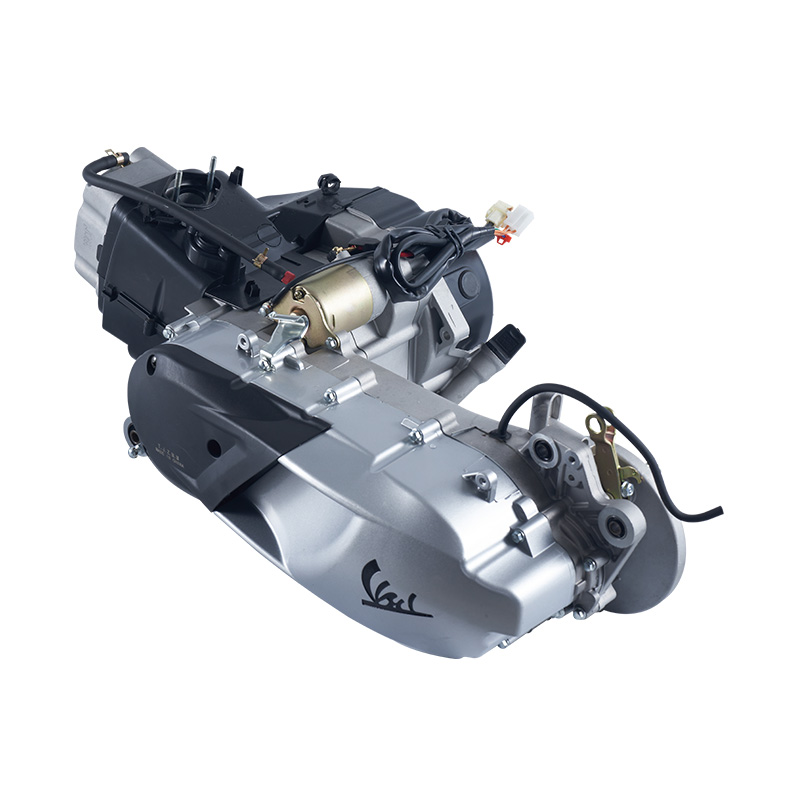
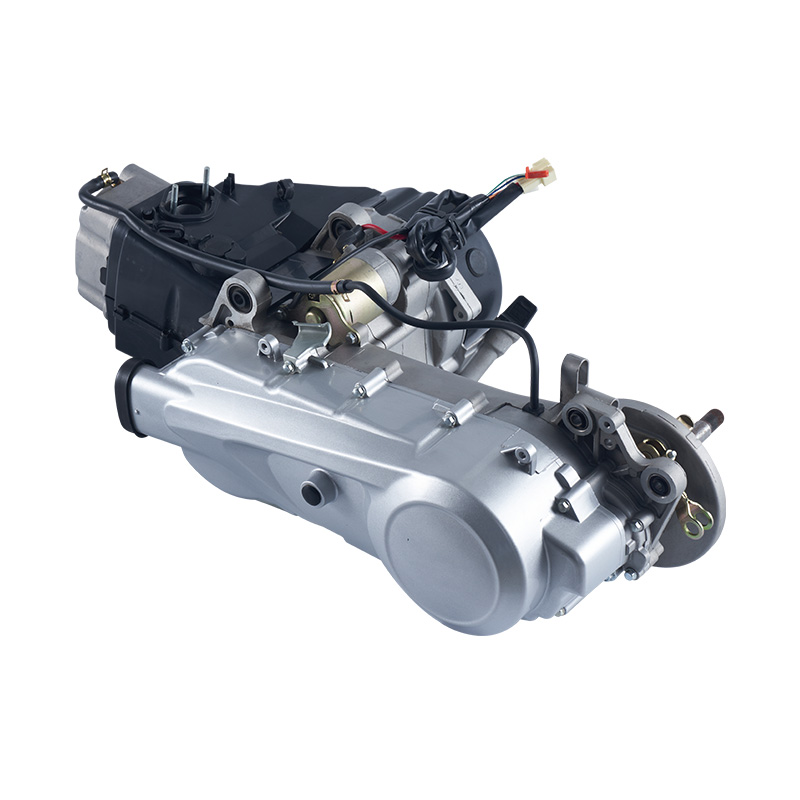
عربىNVX 4th 150cc Liquid-Cooled Electronic Fuel Injection High-Performance Scooter Motorcycle
The 4th Generation NVX 150cc, a high-performance liquid-cooled fuel-injected scooter motorcycle has been meticulous...
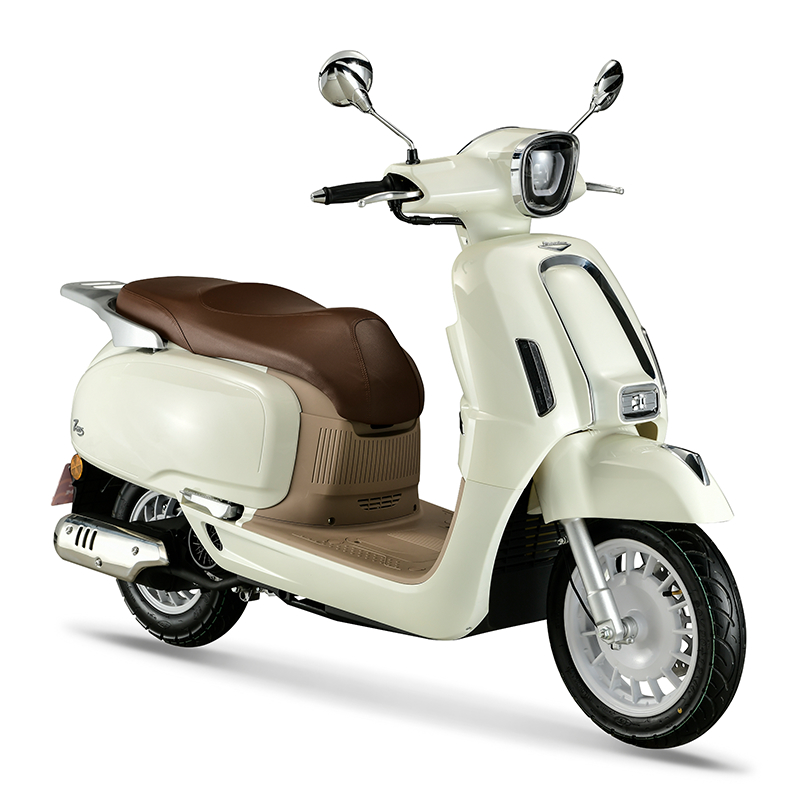
A scooter may spend more time carrying everyday items than people expect walking into a showroom. A commuter might leave home with a phone, keys, rainwear, a small bag, and a drink, all tucked somewhere before the ride even starts. A delivery worker may need room for work items throughout a shift, while another rider may simply want somewhere to place groceries on the way home from the store.
These habits are genuinely influencing how manufacturers approach new scooter layouts from the ground up. Storage is no longer something that can get considered after the main vehicle shape has already been decided. It interacts constantly with the seat, body panels, fuel system, frame arrangement, front area, and accessories bolted on later.
This is particularly noticeable across products such as Cheap New 125cc Scooters, Moped 125cc New models, and the wider Scooter Motorcycle 125cc category as a whole. Buyers may compare appearance and riding characteristics first, but practical storage can also influence how useful the vehicle actually feels during an ordinary day running errands.
For manufacturers, the challenge is creating useful places for belongings without making the vehicle awkward to handle or visually unbalanced once everything's been squeezed in.
Under-seat storage has become closely associated with practical scooter design, because it uses space that might otherwise remain unavailable to the rider entirely. The area can provide a place for personal belongings while keeping them away from the handlebars and foot area where they'd just get in the way.
The shape of this space depends heavily on the structure sitting beneath the seat itself. Designers have to work around other vehicle components tucked in there already, while also considering how easily a rider can place and remove belongings without a struggle.
A useful under-seat area needs to work with the kinds of objects people actually carry day to day.
| Everyday Item | Storage Consideration |
|---|---|
| Small bag | Opening should allow easy placement |
| Rainwear | Space should remain accessible |
| Groceries | Interior shape should accommodate flexible items |
| Personal accessories | Smaller items benefit from a defined area |
| Riding equipment | Storage needs depend on its shape |
The internal shape can matter just as much as the amount of available space overall. A deep but narrow compartment may work quite differently from a wider area with a lower profile, even if both measure out to similar volume on paper.
Seat movement also becomes part of the experience worth considering. If the seat needs to remain open while items are being arranged inside, its movement and surrounding clearance need thought during design, not left as an afterthought.
For Small 125 Motorbikes, where available body space can be a lot more limited than on bigger models, these relationships become especially important to get right. Designers may need to decide how much space should go to storage while still keeping the overall vehicle genuinely compact.
Under-seat storage cannot handle every item a rider carries through the day. Riders often want quick access to smaller belongings without opening the seat every single time they stop.
This is where front storage can become genuinely useful.
A front compartment can provide a convenient location for items that need reaching during a quick stop at a light or a shop. Depending on the design, it may hold personal accessories or other small objects that don't need to sit inside the main storage area under the seat.
The location matters a great deal here, because the front section is also part of the rider's visual and physical space while riding.
Designers need to consider several things at once.
A poorly positioned compartment can become genuinely difficult to use, even when it appears practical enough on a drawing back at the design studio.
The opening also matters quite a bit. A storage space that's easy to see and reach can feel a lot more useful during daily commuting, rather than becoming an afterthought riders forget exists.
For a Moped 125cc New design, front storage can therefore become part of the broader user experience as a whole. It isn't simply an extra compartment tacked onto the body. Its position genuinely affects how the rider interacts with the vehicle every single day.
Storage requirements often come from fairly ordinary routines, rather than unusual situations that only happen occasionally. A rider may leave home with several small items and gradually collect more throughout the day without planning for it. A commute can include a stop at a shop, a sudden change in weather, or a need to carry something that wasn't planned at the start of the journey at all.
This creates a genuine need for flexible storage that adapts.
Manufacturers can look at how different users actually organize their belongings, rather than designing compartments around one narrow, specific object that only fits one use case.
For example, a commuter may value having a place for rainwear tucked away. A student may carry personal items and books between classes. A worker may need space for tools or work accessories throughout a shift.
These different routines can influence compartment size, opening shape, and placement in ways worth mapping out early.
The challenge is avoiding storage that only works for one narrow use case and falls apart the moment someone's routine varies slightly.
Flexible space can be genuinely useful, because the same compartment can serve different purposes throughout the day depending on what's needed. This is particularly relevant to Cheap New 125cc Scooters, where buyers may still expect practical everyday features despite the compact vehicle format and modest price tag.
The word "cheap" describes a purchasing category, but it doesn't remove the need for thoughtful storage planning behind the scenes. Manufacturers still need to consider how people will actually use the available space day after day.
Storage design doesn't end with built-in compartments molded into the body at the factory. Many riders add accessories after purchasing a scooter, once they figure out what their actual routine demands.
A rear carrier, top box, bag, hook, or other storage accessory can change how the vehicle gets used quite a bit. This means manufacturers may need to consider accessory compatibility during the original design stage, rather than treating it as a separate problem for later.
A rear storage accessory, for example, can expand carrying options without requiring a major change to the main body itself. However, its mounting position can still affect the seat, passenger area, rear body shape, and overall appearance once it's actually installed.
Front hooks and similar features can also provide simple ways to carry items that don't need a full compartment.
| Accessory Type | Layout Consideration |
|---|---|
| Rear storage box | Needs suitable mounting space |
| Rear carrier | Must fit the rear structure |
| Front hook | Should remain accessible without disturbing the rider |
| Side storage option | Needs clearance from surrounding parts |
| Bag support | Should match the intended carrying position |
Accessories can also influence production decisions further up the chain. A manufacturer designing a new Scooter Motorcycle 125cc may need to decide whether storage should come mainly through integrated compartments, or whether accessories should handle additional carrying needs instead.
This creates a genuine balance between built-in functionality and flexible customization that buyers can add later.
Every storage compartment takes up genuine physical space somewhere on the frame. That space may already be needed for other vehicle components, structural parts, wiring, or access areas that mechanics need to reach. Moving one component can create room for storage, but it may also affect another part of the design in ways that ripple outward.
This makes storage a layout issue as a whole, rather than an isolated feature bolted on wherever there's room.
The under-seat area provides a clear example of this tension. Designers may want a larger compartment, but the available space depends heavily on what sits beneath the seat already. Changing the seat shape may create more room, yet it can also affect rider comfort or the appearance of the body in ways that weren't intended.
The front area presents a similar challenge worth working through carefully. A larger compartment may require changes to the surrounding body panels. Those changes can affect leg clearance, handlebar movement, or the visual proportions of the scooter as a whole once it's assembled.
For Small 125 Motorbikes, the available space often has to serve several purposes at once, with very little room to spare anywhere.
Manufacturers can therefore review storage during early layout work, rather than waiting until the exterior design has already been locked in and fixed. This allows storage, rider position, vehicle structure, and accessories to get considered as connected elements from the start, not bolted together after the fact.
The seat is closely linked to storage, because the space beneath it often gets used for carrying belongings throughout a ride. Changing the seat length or shape can alter the available compartment below it quite a bit. The hinge location can also affect how the storage area actually gets accessed once someone's standing beside the bike.
At the same time, the seat needs to support the rider and, where applicable, another passenger riding along. Storage cannot get designed without considering the seating arrangement it's built into.
Body panels create another layer of interaction worth tracking. A larger storage area may require a different outer body shape entirely. Designers have to consider whether the new shape remains practical for the rider, while still creating a coherent vehicle appearance that doesn't look bolted together.
Several design relationships may need review during this process.
A change in one area can create a chain of adjustments elsewhere that weren't expected going in. This is why storage expectations can influence the overall design of a 125cc 4 Stroke Moped, rather than simply resulting in one additional compartment tacked on somewhere convenient.
A compartment can have genuinely useful internal space and still be inconvenient, if it's difficult to actually access when needed. Riders usually interact with storage while standing beside the vehicle, or while preparing to leave in a bit of a hurry.
The opening needs to work naturally with these movements, not fight against them. Under-seat storage provides a good example of this issue. A large compartment may not feel practical at all, if the opening makes it genuinely difficult to place flexible bags inside without wrestling with them.
Front storage has its own accessibility concerns worth thinking through separately. A compartment should be reachable without requiring awkward movement around the handlebars or body panels crowding the space.
Manufacturers can consider accessibility from several viewpoints worth checking during design.
| Storage Feature | Practical Question |
|---|---|
| Opening shape | Can common items be placed inside easily? |
| Position | Can the rider reach it naturally? |
| Interior shape | Does the space suit different belongings? |
| Seat movement | Can items be accessed without unnecessary obstruction? |
| Accessory location | Does added storage remain usable? |
This perspective shifts the discussion from simply asking how much space is available, toward asking how the rider will actually use it day to day. That distinction can influence product development quite a bit once teams start thinking this way.
Not every rider uses a scooter the same way from one owner to the next. A short urban commute can involve genuinely different storage needs from a full day's travel between several stops and locations.
Manufacturers therefore need to think carefully about usage patterns across their buyer base. A commuter may want quick access to small belongings throughout the ride. A family user may need room for shopping items picked up along the way. A worker may depend on additional carrying capacity for tools or supplies. Another rider may rarely use storage at all but still value having a place for rainwear or personal items tucked away just in case.
These different habits can influence whether a scooter uses one larger compartment, several smaller spaces, or a combination of built-in storage and accessories added later.
The Moped 125cc New category can reflect these differences clearly, because compact scooters are often expected to fit into varied daily routines across a broad range of owners. Product development can respond by making storage genuinely flexible, rather than assigning every space to one fixed object that only suits a narrow use case.
This can also affect how manufacturers communicate with buyers browsing options. Storage should get described through realistic use cases, rather than simply presented as another feature line stuck on a spec sheet.
Storage planning works a lot more effectively when it begins with the complete vehicle layout in mind from the start, rather than getting bolted on near the end of development. Manufacturers can examine the rider's daily activities, likely belongings, available internal space, and accessory requirements before deciding how compartments should actually get arranged.
A practical design process may consider several questions worth working through.
These questions can guide development across different product categories in genuinely different ways. For Small 125 Motorbikes, compact packaging may require careful use of every available area, with little room for waste. For a 125cc 4 Stroke Moped, storage may need to work alongside seating and body layout that's already fairly tight. For a Scooter Motorcycle 125cc, manufacturers may have a lot more flexibility in how built-in storage and accessories get combined together.
The result is a design process where storage gets treated as part of the vehicle as a whole, rather than an afterthought squeezed in wherever space happened to remain. Under-seat compartments, front storage, rear accessories, seat shape, and body panels all interact constantly with the way riders carry everyday belongings through their routines.
As commuting habits continue changing over time, these practical storage needs can influence how new 125cc scooters get arranged from the inside out, long before the final body panels ever get painted.
E-mail: [email protected]
Tel: +86-13806579227/+86-576-88011088
ADD: Hongjiachaiyang Industrial Zone, Jiaojiang District, Taizhou City, Zhejiang Province, China
China Scooter Motorcycle Manufacturer & Factory