English
  中文简体
中文简体 русский
 Español
 عربى
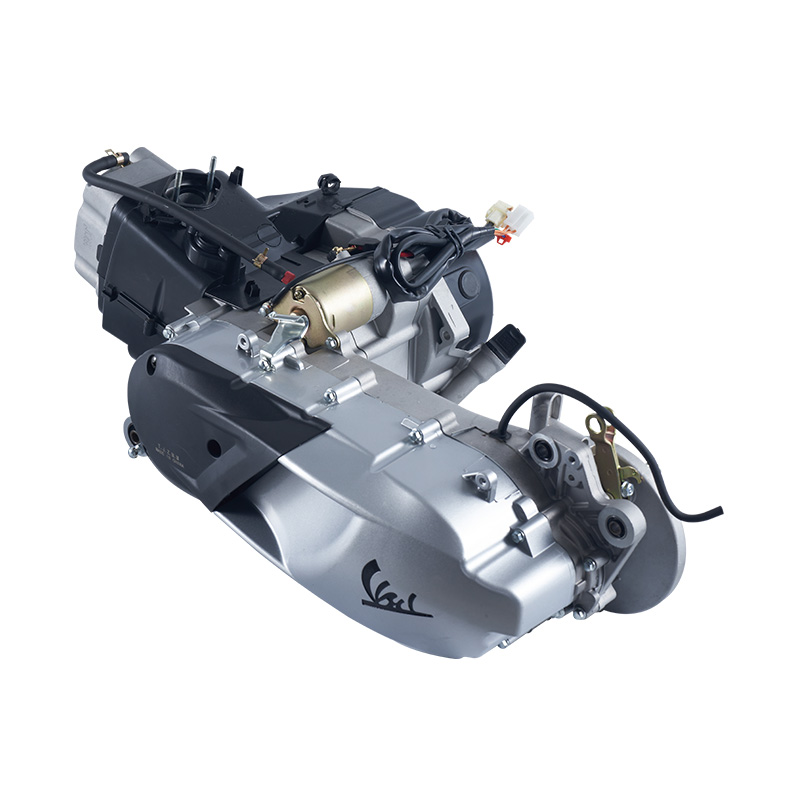
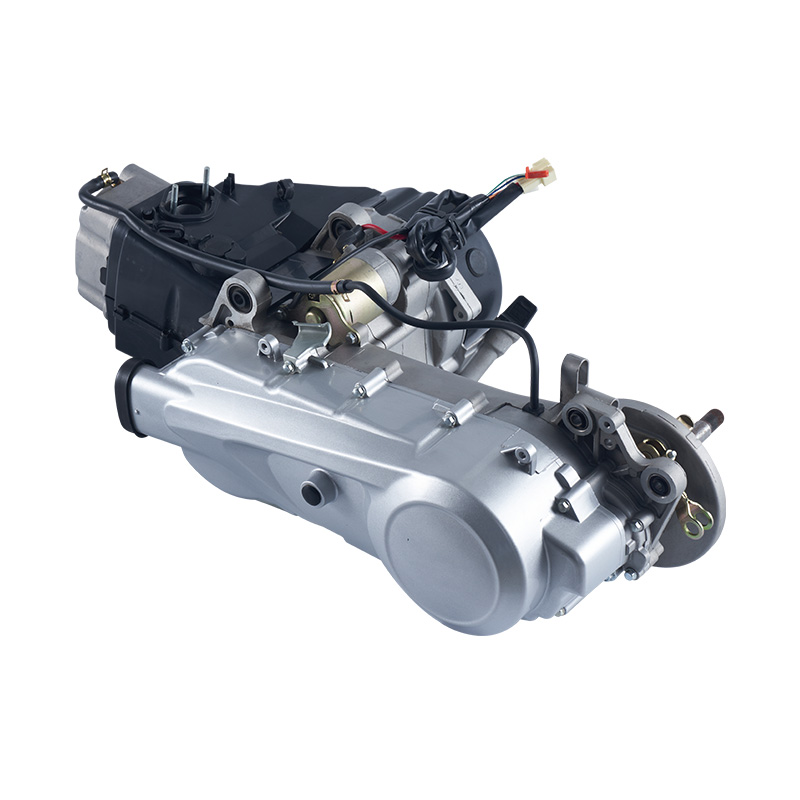
عربىNVX 4th 150cc Liquid-Cooled Electronic Fuel Injection High-Performance Scooter Motorcycle
The 4th Generation NVX 150cc, a high-performance liquid-cooled fuel-injected scooter motorcycle has been meticulous...
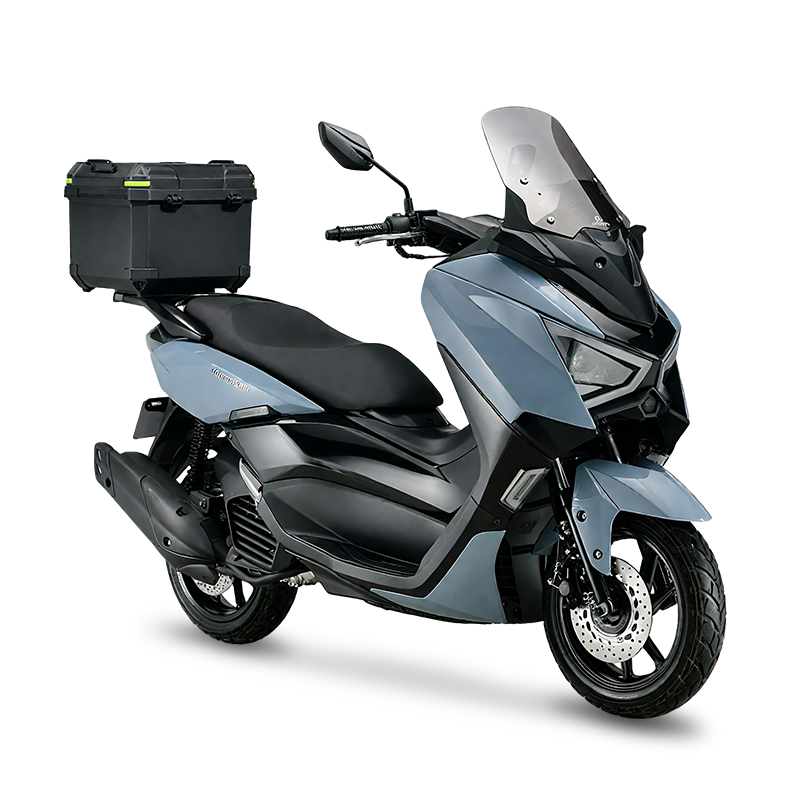
The scooter motorcycle market serves people with very different daily needs, from a student weaving through campus traffic to a parent running errands across town. Some riders want a simple vehicle for short urban trips that gets them to work and back without fuss. Others need something for commuting, shopping, leisure riding, or longer local travel that covers more ground in a single outing. This makes model planning a genuinely important task for any Scooter Motorcycle Company trying to serve all of them well.
A useful product range shouldn't simply contain many models stacked on a showroom floor. Each model needs a clear purpose and a reason to exist beyond filling a gap in a lineup. A Scooter Motorcycle Producer must understand how people use scooters in real life, day after day, then turn those habits into sensible product positions that make sense on a sales floor. This approach can help manufacturers avoid unnecessary overlap between models that confuse rather than clarify. It can also make product selection a lot easier for dealers and riders standing in front of five similar-looking scooters. Instead of asking only what a scooter looks like, buyers can quickly see which model fits their daily routine.
Riders don't all use scooters in the same way, even when they're buying from the same dealership on the same afternoon. A person traveling through busy streets may care about easy handling and simple parking near a crowded market. Another rider may place more attention on carrying space, comfort, or travel range for a longer daily commute across town.
This is why Scooter Motorcycle Types can be planned around use scenarios rather than appearance alone printed on a brochure. Urban commuting, neighborhood travel, delivery work, recreational riding, and mixed-use transportation can each create genuinely different product expectations from the rider climbing on.
A Scooter Motorcycle Company can divide its product planning into several practical groups worth mapping out.
| User Scenario | Main Product Focus | Suitable Model Direction |
|---|---|---|
| Daily urban commuting | Easy handling and convenience | Compact scooter |
| Short local trips | Simple operation and storage | Lightweight scooter |
| Longer daily travel | Comfort and riding stability | Mid-size scooter |
| Leisure use | Styling and riding experience | Lifestyle-oriented scooter |
| Mixed transport needs | Flexibility and practicality | Multi-purpose scooter |
| Lower-emission mobility | Energy-conscious operation | Hybrid or alternative model |
This kind of grouping gives product teams a much clearer starting point before a single sketch gets drawn. It also prevents every new model from becoming a slightly different version of an existing one already on the lot. Market planning can then move from a simple question such as "What scooter should we build?" to a more useful question worth sitting with: "What problem should this scooter solve for the person riding it?"
The 125cc Scooter Motorcycle category can appeal to riders who want a practical balance between daily mobility and manageable vehicle size, something that fits between a bicycle and a full-size motorcycle in feel. It can fit naturally into commuting, shopping, school travel, and other regular urban journeys that make up most of a rider's week.
For a Scooter Motorcycle Producer, this category can serve as a useful part of a broader product family rather than a standalone bet. The focus doesn't need to sit on one narrow rider group alone. Instead, the design can support several common situations where convenience and easy daily use matter more than raw performance numbers.
Storage also becomes important in this type of model, since a commuter rarely rides empty-handed. Riders may carry personal items, shopping bags, work equipment, or other small loads on a typical trip, so practical storage can influence the overall ownership experience a lot more than it might seem on paper.
Seat design and riding position also deserve attention here. A scooter used every day needs to feel natural during repeated trips, especially when riders spend time moving between residential streets, commercial areas, and busy roads within the same short ride. The surrounding controls should follow the same idea of everyday ease. Clear operation can reduce unnecessary distraction and make the vehicle easier for different users to understand, whether it's a first-time rider or someone switching from a different brand.
For manufacturers, the value of this category comes from its broad application across many rider types. A well-positioned model can speak to commuters without becoming limited to commuting alone, leaving room for weekend use too.
A Lightweight Scooter Motorcycle can be attractive when riders regularly deal with crowded streets, tight parking spaces, and frequent stops at every other block. Its value comes from how easily it can fit into everyday movement rather than sitting heavy and awkward at a red light.
Urban riders often make many small decisions during a single trip. They may turn into a narrow street, stop beside a store for a quick errand, move through traffic, or park in a limited space between two parked cars. A scooter designed around manageable handling can make these ordinary tasks a lot less demanding on a rider's patience.
Weight is also connected with storage and parking habits in ways worth considering. A lighter vehicle can be a lot easier to position when entering or leaving a parking area packed with other bikes. A compact body can help riders make better use of limited urban space that a larger machine simply can't squeeze into.
A Scooter Motorcycle Company can also use this model category to reach newer riders stepping onto two wheels for the first time. People who are unfamiliar with larger motorcycles may feel a lot more comfortable with a vehicle that appears approachable and easy to manage from the first test ride.
However, lightweight design shouldn't mean stripping away practical features just to save weight. A useful urban scooter still needs to support daily transportation needs, including seating comfort, storage, lighting, protection from weather, and straightforward controls a rider can trust. The product message should therefore focus on everyday freedom, rather than simply describing the vehicle as small on a spec sheet. Small size becomes meaningful only when it helps solve real problems during daily travel a rider actually faces.
A Hybrid Scooter Motorcycle gives manufacturers another way to approach riders who are interested in flexible energy use without giving up familiar scooter habits. Its appeal can come from combining familiar scooter use with a different approach to everyday operation under the hood.
For product planners, the important point isn't simply adding a new power concept to check a box. The model still needs to work within the habits of its target users who just want to get to work on time. Riders expect convenient starting, stopping, parking, storage, and routine use regardless of the vehicle's power arrangement underneath the seat.
A hybrid model can therefore be positioned around specific use cases rather than marketed as a novelty. Urban commuting is one possibility, since riders may experience frequent changes in traffic conditions and travel patterns throughout a single week. Another opportunity is mixed daily travel that varies day to day. A rider may use the scooter for short errands during the week and longer local trips at other times, like a weekend visit across town. A flexible product position can help the model appeal to users who don't want a vehicle designed for only one situation and nothing else.
The visual design can also support the product message in a showroom. A modern appearance may communicate a change in mobility without making the scooter look difficult to use or intimidating to a first-time buyer. For a Scooter Motorcycle Producer, hybrid development should remain connected to practical customer needs rather than chasing a trend. New power concepts become a lot more meaningful when they fit naturally into familiar riding routines a rider already trusts.
A Gas Scooter Motorcycle can remain relevant for riders who are familiar with conventional scooter use and prefer established refueling habits they've relied on for years. Its position can be connected with availability, familiarity, and the needs of users who travel regularly without wanting to rethink how they fuel up.
This doesn't mean every rider wants the same gas-powered model rolled off one assembly line. Product planning still needs to consider different body sizes, riding environments, storage requirements, and styling preferences that vary from one buyer to the next. For example, one model may focus on compact city travel through tight streets, while another may offer a more comfortable layout for riders who spend more time on the road covering longer distances. Both can use a familiar power approach while serving genuinely different purposes.
A Scooter Motorcycle Company can also consider regional use patterns when planning such models across different markets. Roads, parking conditions, commuting habits, and local preferences can affect which product features matter most to a particular buyer in a particular city. The key is avoiding treating the gas category as a single product group lumped together carelessly. It can contain several positions based on how people actually ride from one region to the next.
This approach gives manufacturers room to maintain familiar products while also developing new directions alongside them. Product variety becomes a lot more useful when each model has a clear role, rather than simply adding another name to a catalog page.
A Street Legal Scooter Motorcycle is designed around normal road use and can therefore address a broad range of transportation situations a rider encounters day to day. Its potential applications include commuting, personal errands, local travel, and recreational trips where road access is part of the user's routine rather than an occasional treat.
Road-oriented models need to consider more than appearance alone in a photo. Lighting, visibility, rider comfort, controls, and practical equipment all influence how naturally the scooter fits into everyday traffic moving at real speed. Legal use also shapes product communication in ways worth taking seriously. Manufacturers should describe intended road use accurately and avoid claims that could confuse buyers about local requirements they'll need to meet. Regulations can differ between markets, so product information should stay clear and responsible rather than vague.
For a Scooter Motorcycle Producer, this category can connect recreational interest with practical transportation in a single vehicle. A rider may purchase the vehicle for weekend riding but later use it for regular commuting once they realize how convenient it is. That wider application can strengthen the model's market position considerably. Instead of being designed around one occasion, it can become part of several parts of a rider's routine spread across the week.
Manufacturers can also develop different visual identities within the road-legal category to suit different tastes. Some riders may prefer a clean urban appearance that blends into traffic. Others may want a more active or sporty character that stands out at a stoplight. The common point across both is road usability. Product design should make the intended use easy to understand before the rider even considers detailed specifications buried in a manual.
A balanced range begins with clear product roles assigned before development starts. If two scooters solve almost the same problem, buyers may find it genuinely difficult to understand why both exist side by side on a lot.
A Scooter Motorcycle Company can organize its range by several practical dimensions worth separating out.
Daily use: Models can focus on commuting, errands, and routine transportation that fills most of a rider's week.
Rider preference: Different body styles, seating layouts, and visual designs can address different user expectations walking through the door.
Travel environment: Urban streets, residential areas, mixed local roads, and recreational routes may require different product positioning entirely.
Power preference: Gas and hybrid approaches can serve different expectations without forcing every model into the same product structure.
Vehicle size: Compact and larger models can create clearer choices for different riding habits a buyer already has in mind.
This structure helps manufacturers create a family rather than a random collection of products thrown together. Each model can have its own identity while still sharing a common brand strategy that ties the lineup together. It also makes product updates a lot easier to plan down the road. Instead of redesigning the entire range whenever customer preferences shift, manufacturers can adjust the model that's most closely connected to a particular use case without touching the rest.
| Planning Area | Question for Manufacturers | Possible Model Direction |
|---|---|---|
| Urban mobility | Is easy daily movement the main need? | Compact commuter |
| Comfort | Will users spend longer periods riding? | Comfort-oriented model |
| Portability | Is parking or movement a major concern? | Lightweight design |
| Energy preference | Are users seeking another power approach? | Hybrid model |
| Road use | Is regular public-road travel important? | Street-oriented model |
| Lifestyle | Does appearance influence purchase decisions? | Leisure-focused model |
Such planning can also help sales teams communicate a lot more clearly on the showroom floor. A buyer can be guided toward a model according to use, rather than being asked to compare a long list of similar products that all look the same at a glance.
Customer needs can shift as cities develop, commuting habits change, and people rethink personal transportation in response to traffic, cost, or convenience. A Scooter Motorcycle Producer needs a product strategy that can respond to these shifts without losing a clear structure underneath.
One useful approach is monitoring use scenarios rather than chasing every short-term trend that pops up online. Daily commuting, convenient parking, flexible local travel, and practical storage are recurring needs that can continue to influence product decisions for years, regardless of passing fads. Manufacturers can also pay attention to how riders combine transportation methods throughout a normal week. Some people may use a scooter as their main local vehicle for everything. Others may use it alongside public transportation, cars, bicycles, or walking depending on the day.
This creates opportunities for products that are easy to integrate into different routines rather than replace them wholesale. A scooter does not always need to replace another form of transportation entirely. It can simply make certain parts of a daily journey easier, like the last mile from a train station to an office.
Design teams should also keep feedback connected to actual product decisions made on the drawing board. If riders repeatedly mention storage, seating, visibility, or handling in reviews and surveys, these comments can guide future model planning a lot more effectively than general market assumptions pulled from a trend report. Product positioning should remain equally clear across the lineup. A Lightweight Scooter Motorcycle should not be presented in the same way as a comfort-focused road model, even if both belong to the same broader category on paper.
The same principle applies to a Hybrid Scooter Motorcycle and a Gas Scooter Motorcycle sitting side by side in a catalog. Each can have a distinct role, while the overall range remains easy to understand for a buyer walking in cold. As model planning becomes more closely tied to user scenarios rather than guesswork, scooter development can move beyond simply adding new designs to a lineup. The stronger opportunity lies in building products around the different ways people actually move through their daily lives.
A well-planned scooter range should reflect the different ways riders use two-wheel transportation in everyday life. From compact urban models and 125cc scooters to lightweight, hybrid, gas-powered, and street-legal options, each product can serve a clear role when its design starts with a real user scenario. For a Scooter Motorcycle Company or Scooter Motorcycle Producer, the goal is not simply to expand the catalog, but to create understandable choices that connect vehicle design with commuting habits, comfort, mobility, energy preferences, and changing urban needs.
E-mail: [email protected]
Tel: +86-13806579227/+86-576-88011088
ADD: Hongjiachaiyang Industrial Zone, Jiaojiang District, Taizhou City, Zhejiang Province, China
China Scooter Motorcycle Manufacturer & Factory