English
  中文简体
中文简体 русский
 Español
 عربى
عربىNVX 4th 150cc Liquid-Cooled Electronic Fuel Injection High-Performance Scooter Motorcycle
The 4th Generation NVX 150cc, a high-performance liquid-cooled fuel-injected scooter motorcycle has been meticulous...
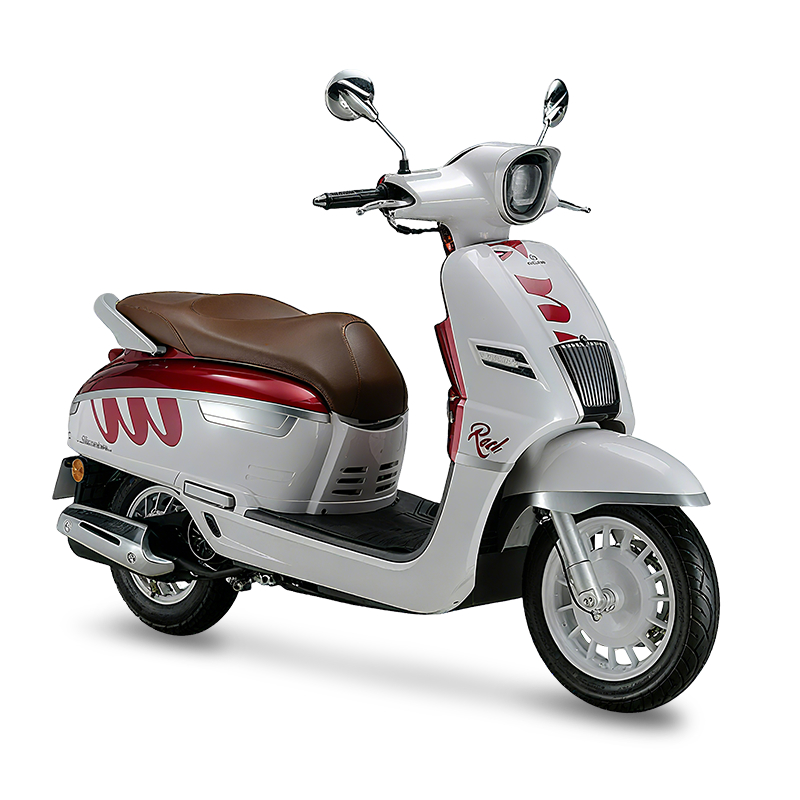
A scooter sitting idle in a service bay because the right wrench or the correct filter wasn't on hand costs more than the part itself ever would have. Multiply that across a delivery fleet, a rental operation, or a dealership network handling several scooter types at once, and the gap between having a basic tool kit and spare parts inventory actually planned versus assembled reactively becomes the difference between predictable uptime and a maintenance schedule that's always playing catch-up. Whether the fleet runs on 125cc engines, gas-powered units, or a mix that includes hybrid scooter motorcycle models, the underlying problem is the same: maintenance only runs smoothly when the tools and parts it depends on were thought through in advance, not scrambled together after something breaks.
Fixing a problem the moment it surfaces, without the right tool or part already on the shelf, almost always takes longer and costs more than the same repair would under planned conditions. A technician improvising with the wrong wrench size or waiting on a part shipped overnight loses hours that a stocked kit would have saved outright. Across a fleet operating daily, those lost hours compound into real downtime that eats directly into whatever revenue the scooters were supposed to be generating.
Not every issue happens in a workshop. Flat tires, loose fasteners, and minor electrical faults often happen mid-route, and a rider or technician without a basic kit on hand has no way to address them without towing the vehicle back for something that would have taken ten minutes on the spot. This is particularly relevant for delivery and rental operations, where a stranded scooter represents lost time for the rider and a service gap for the customer waiting on the other end.
Even a well-scheduled preventive maintenance program falls apart if the filters, brake pads, or belts due for replacement aren't actually in stock when the scheduled service date arrives. A maintenance calendar without a matching parts inventory is really just a list of intentions rather than a system that functions.
A functional basic kit doesn't need to be elaborate, but it does need to cover the repairs that come up most often across routine scooter maintenance.
Tools that fit poorly or wear out quickly slow down repairs and increase the risk of damaging fasteners or components during routine work. A kit built around reasonably durable tools, even if it costs somewhat more upfront, tends to pay for itself through faster turnaround and fewer secondary repairs caused by tools slipping or stripping fasteners during use.
A fleet running only one scooter model can standardize its tool kit tightly around that model's specifications. A mixed fleet that includes 125cc scooter motorcycle units alongside lightweight scooter motorcycle models or gas and hybrid variants needs a kit broad enough to cover the range of fastener sizes, electrical systems, and engine types actually present across the fleet, rather than assuming one standard kit will cover every vehicle equally well.
Certain parts wear out predictably and should always be available rather than ordered reactively once a technician notices they're needed.
| Component Category | Typical Wear Pattern | Inventory Priority |
|---|---|---|
| Brake Pads | Wears with usage frequency and braking style | High — always keep stock available |
| Air and Oil Filters | Degrades with mileage and operating conditions | High — schedule-driven replacement |
| Drive Belts or Chains | Stretches and wears with accumulated distance | Moderate to high, depending on engine type |
| Spark Plugs | Gradual degradation affecting starting reliability | High — especially for gas scooter/motorcycle units |
| Tires and Inner Tubes | Wears with mileage and road conditions | High — critical for fleets with long daily distances |
| Electrical Connectors and Fuses | Fails intermittently rather than predictably | Moderate — useful to keep on hand in smaller quantities |
Not every part needs the same inventory depth. Critical parts, meaning those whose absence stops a vehicle from operating safely or at all, deserve priority stock levels that prevent any gap between a part failing and a replacement being available. Non-critical parts, such as cosmetic trim or minor accessories, can be ordered on a longer lead time without disrupting fleet operations in the meantime.
Parts inventory that sits too long risks degradation, particularly rubber and electrical components that have a shelf life even when unused. Parts inventory that runs too lean risks the exact downtime problem the whole system was meant to prevent. Tracking actual usage rates over a few maintenance cycles gives a more accurate basis for setting reorder points than guessing based on general assumptions about how often parts typically wear out.
It does, meaningfully. A Gas Scooter Motorcycle depends on a combustion engine with its own set of wear parts — spark plugs, air filters, oil, exhaust components — that a kit and inventory plan needs to account for directly. A hybrid scooter motorcycle introduces an additional layer of electrical and battery-related components alongside whatever combustion elements remain in its specific configuration, meaning the tool kit and spare parts list for hybrid units typically needs to be broader than for a purely gas-powered equivalent.
Mid-displacement units in the 125cc scooter motorcycle category tend to see a fairly predictable maintenance rhythm tied to engine size and typical usage patterns, with regular service intervals covering oil changes, filter replacement, and standard wear component checks. Fleets running primarily this category benefit from inventory planning built around that predictable rhythm rather than over-stocking parts that won't be needed at the volume a smaller or larger displacement vehicle might require.
A lightweight scooter motorcycle typically sees lower mechanical load per trip but often higher trip frequency in urban delivery or short-commute applications. This usage pattern shifts wear toward components affected by frequent starts and stops — brakes, tires, and drivetrain components specifically — more than toward the kind of engine wear that accumulates primarily through sustained higher-load operation.
A Street Legal Scooter Motorcycle carries specific equipment requirements tied to road use, including functioning lighting, mirrors, and signaling components that need to remain in working order for legal operation, not just mechanical reliability. Spare parts inventory for fleets operating street legal units should account for these compliance-related components specifically, since a vehicle taken out of service for a missing mirror or non-functional signal light represents a different kind of operational gap than a purely mechanical failure.
Working with an established Scooter Motorcycle Producer that maintains consistent part specifications across production runs makes inventory planning considerably more reliable, since fleet operators can count on replacement parts matching original specifications without the variation that sometimes comes from less consistent manufacturing sources. This consistency matters particularly for fleets planning to scale, where parts standardization across a growing number of units depends on the manufacturer maintaining the same specifications over time rather than shifting components between production batches.
Beyond the vehicles themselves, a capable Scooter Motorcycle Company typically offers documented parts catalogs, consistent component availability, and technical support that helps fleet operators plan inventory accurately rather than guessing at what each model actually requires. Confirming parts lead times and minimum order quantities during initial sourcing conversations avoids discovering supply gaps only after a fleet is already operating and dependent on consistent replacement availability.
Fleets that include multiple scooter types from the same manufacturer often benefit from shared components across models wherever the manufacturer's design allows for it, since shared parts reduce the total inventory complexity compared to maintaining entirely separate parts stock for every individual model in the fleet.
Rather than setting inventory levels based on general assumptions, tracking actual parts consumption across a fleet over several maintenance cycles gives a far more accurate basis for ongoing reorder planning. This data-driven approach catches patterns that generic guidance can't anticipate, such as a specific route or usage pattern wearing certain components faster than the general expectation for that scooter type.
Larger fleet operations spread across multiple locations face a choice between centralizing spare parts inventory at one location or distributing smaller stocks across each service point. Centralized stock reduces total inventory cost but increases the time needed to get a part to wherever it's actually required. Distributed stock improves response time but requires managing inventory accuracy across multiple locations simultaneously, which adds its own administrative burden.
A spare parts strategy built once and never revisited tends to drift out of alignment with actual fleet needs as vehicle age, usage patterns, and fleet composition change over time. Building in a periodic review, comparing actual consumption against planned inventory levels and adjusting reorder points accordingly, keeps the system responsive rather than letting it calcify around assumptions that no longer reflect current operations.
A basic tool kit and spare parts inventory built specifically around the scooters actually in operation, rather than assembled generically and hoped to be sufficient, is what keeps a fleet running with minimal disruption regardless of whether it consists of 125cc units, lightweight scooter motorcycle models built for high-frequency urban use, gas-powered vehicles with their own engine-specific wear patterns, or hybrid scooter motorcycle configurations carrying additional electrical complexity. The planning work involved — identifying critical versus non-critical parts, setting realistic inventory rotation, and matching tool selection to the actual fleet composition — pays for itself through reduced downtime and faster repairs every time it prevents a vehicle from sitting idle waiting on something that should have already been on the shelf. Taizhou Jiaojiang Zhiwei Motorbike Manufacture Co., Ltd. supports fleet operators and service networks with consistent component specifications and documented parts support across its scooter motorcycle range, helping operators build the kind of maintenance and inventory system that keeps vehicles in service rather than waiting in the bay.
E-mail: [email protected]
Tel: +86-13806579227/+86-576-88011088
ADD: Hongjiachaiyang Industrial Zone, Jiaojiang District, Taizhou City, Zhejiang Province, China
China Scooter Motorcycle Manufacturer & Factory