English
  中文简体
中文简体 русский
 Español
 عربى
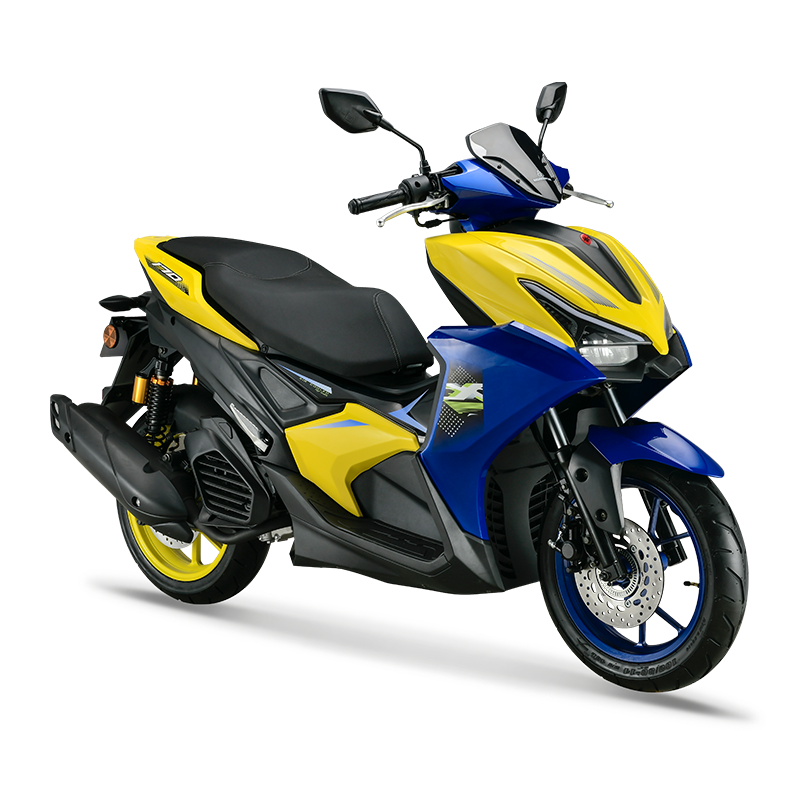
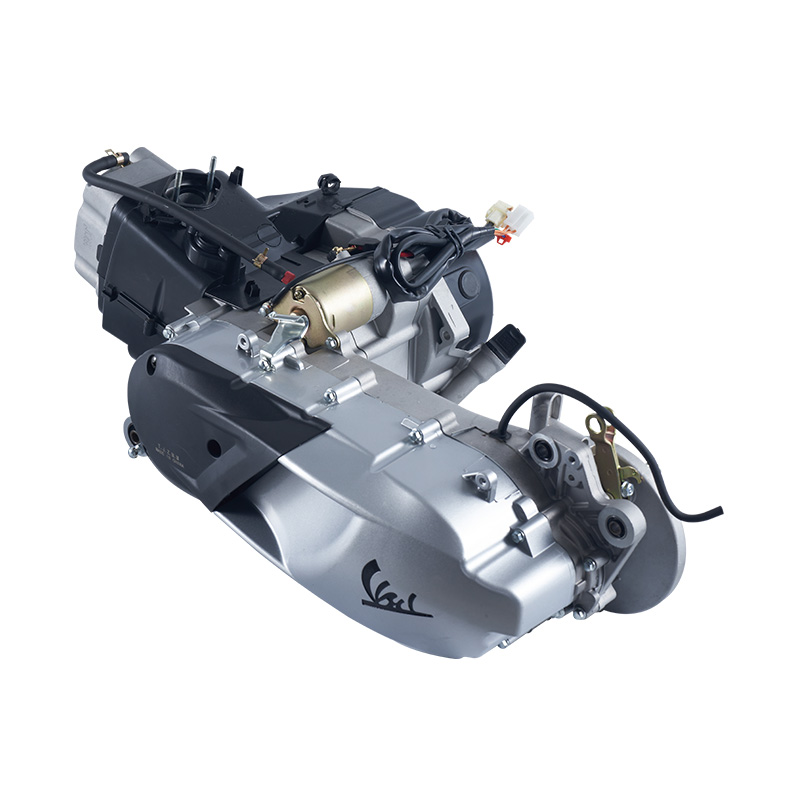
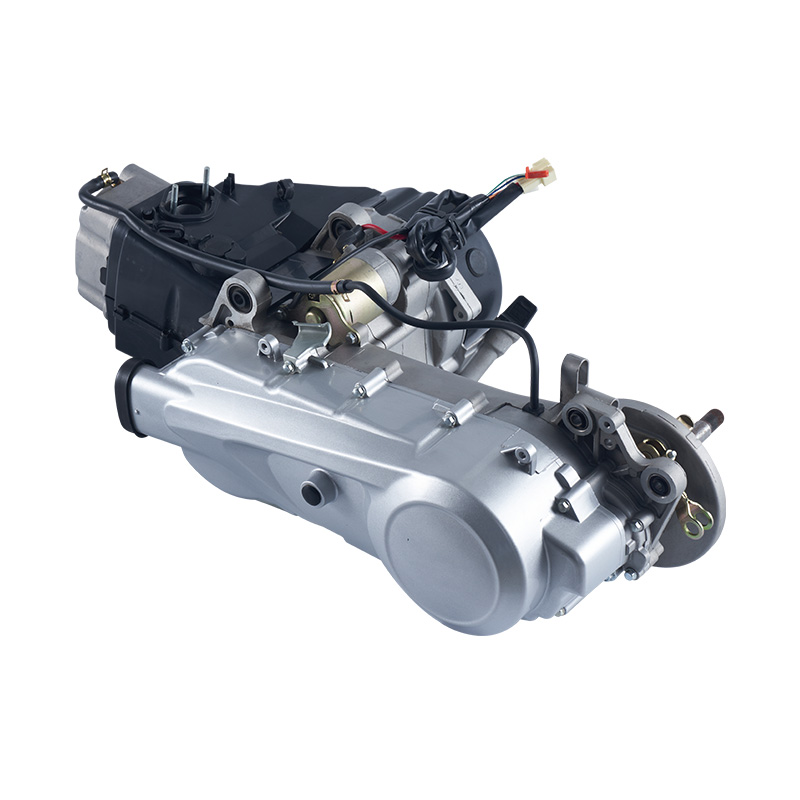
عربىNVX 4th 150cc Liquid-Cooled Electronic Fuel Injection High-Performance Scooter Motorcycle
The 4th Generation NVX 150cc, a high-performance liquid-cooled fuel-injected scooter motorcycle has been meticulous...
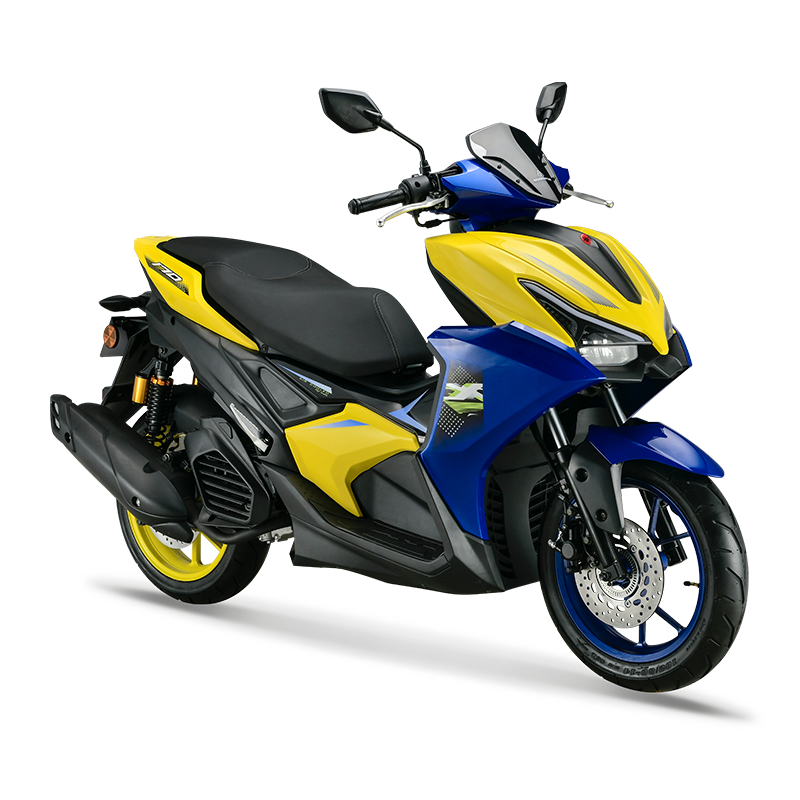
A rider climbing the same steep hill every morning notices the engine straining a little more each week, while a commuter in a coastal heat belt watches the dashboard temperature gauge creep higher every summer afternoon. Neither problem shows up in a showroom test ride, and that is exactly why so many buyers end up with a Scooter Motorcycle that performs fine on a flat, mild-weather demo lap but struggles once it meets the rider's actual daily route. Hot climate and hilly terrain riding conditions place specific, compounding demands on a machine, and understanding what those demands actually are — rather than just picking a popular model — determines whether the bike holds up over years of real use rather than months.
This matters for individual riders replacing an underperforming machine, but it matters just as much for dealers stocking inventory suited to a specific region's climate and topography, and for fleet operators and importers sourcing at volume from a manufacturer that understands these environmental stresses. Getting the engine displacement, cooling design, weight balance, and braking system right for the actual riding environment is the difference between a vehicle that earns trust over years and one that generates recurring complaints and warranty claims.
Heat does not affect a scooter evenly across every component. It concentrates stress in a few specific areas, and understanding where helps explain why some machines hold up in hot regions while others develop recurring problems.
None of these issues are visible during a short test ride. They surface gradually, after weeks or months of cumulative heat exposure, which is exactly why specifying the right cooling and component durability upfront matters more in hot climates than buyers often assume.
Not entirely, though it plays a significant role. Hilly terrain tests a scooter's power delivery, braking performance, and structural stability in ways that flat-road riding never reveals.
Common challenges specific to hilly or mountainous riding:
A Scooter Motorcycle 125cc model, common in many urban commuter segments, can handle moderate hills without difficulty in most cases, but sustained steep grades, especially with additional passenger or cargo weight, push smaller displacement engines closer to their performance ceiling than flat-road riders typically expect.
It genuinely is, and this combination receives far less attention than it deserves in general scooter buying guidance. Many regions present both challenges simultaneously: a hot coastal city built across hilly terrain, or a mountain region that experiences intense seasonal heat. In these environments, the engine faces the compounding stress of working harder to climb while simultaneously fighting reduced cooling efficiency from the heat itself.
This combination calls for deliberate prioritization rather than addressing each factor in isolation:
Buyers and dealers operating in these combined-stress regions benefit from treating the riding environment as a single integrated challenge rather than evaluating heat tolerance and climbing ability as separate, unrelated specifications.
| Riding Environment | Key Performance Priority | Recommended Configuration Focus |
|---|---|---|
| Hot coastal city, flat terrain | Cooling efficiency, rider comfort | Efficient cooling system, breathable seating design |
| Mountain village, moderate heat | Climbing torque, braking reliability | Higher torque output, reinforced brake components |
| Urban hills, frequent stops | Maneuverability, easy handling | Lightweight Scooter Motorcycle with moderate power |
| Combined heat and steep terrain | Sustained cooling under load | Reinforced cooling paired with adequate torque reserve |
| Long-distance hilly commuting | Comfort, fuel range, stability | Comfortable seating, larger fuel tank, stable chassis |
Reading across this table, the consistent theme is that no single specification solves every environment equally well. A lightweight Scooter Motorcycle that handles urban hills with ease may lack the sustained cooling capacity needed for a hot mountain route covering longer distances, while a heavier, more powerful machine built for sustained climbing may feel less nimble in dense city traffic.
In many combined-demand scenarios, yes, though the advantage depends on the specific riding pattern. A hybrid Scooter Motorcycle pairs a combustion engine with electric assist, and that assist can provide additional torque during climbing without placing the full thermal and mechanical burden on the combustion engine alone. This can translate into improved fuel efficiency and smoother acceleration when navigating frequent grade changes, particularly valuable in stop-and-start hilly urban environments.
A standard Gas Scooter Motorcycle remains a dependable choice where fuel availability is a higher priority than maximum efficiency, since combustion-only models tend to have simpler maintenance requirements and rely on infrastructure that is universally available, an important factor in regions where charging access for hybrid or electric components may be inconsistent.
Considerations for choosing between these power configurations:
Neither extreme is automatically correct, and this is one of the more common misunderstandings in scooter selection for demanding terrain. A larger displacement engine provides more climbing power but adds weight and often increases fuel consumption, while a lightweight Scooter Motorcycle improves handling and maneuverability but may sacrifice some load-carrying capacity and sustained climbing performance under heavier loads.
The right balance depends on actual use patterns:
It does, in ways that often outweigh the upfront price difference between configurations. Riders and fleet operators in hot or hilly regions who select an underpowered or poorly cooled machine frequently face higher long-term costs than those who invest in a configuration matched to their actual conditions from the start.
Cost factors affected by proper configuration matching:
For dealers and fleet operators, communicating these long-term cost implications to buyers, rather than focusing only on upfront price, supports better customer satisfaction and fewer warranty-related complaints over the life of the product.
It does, considerably. A Scooter Motorcycle producer with genuine engineering experience across diverse climate and terrain conditions is far more likely to deliver components — cooling systems, suspension tuning, brake specifications — actually suited to demanding environments than a manufacturer producing a single generic configuration for all markets.
Practical evaluation points for assessing a Scooter Motorcycle company before committing to a purchase or distribution agreement:
Choosing the right Scooter Motorcycle for hot climate or hilly terrain riding conditions comes down to recognizing that these environments place compounding, specific demands on cooling systems, engine torque, braking performance, and overall weight balance that flat, temperate-climate riding never reveals. Whether the priority is a lightweight, maneuverable model suited to urban hill commuting, a higher-torque configuration built for sustained mountain climbing, or a hybrid Scooter Motorcycle balancing efficiency with climbing assistance, matching the machine to the actual riding environment produces better safety, reliability, and long-term cost outcomes than defaulting to a popular or generically specified model. Taizhou Jiaojiang Zhiwei Motorbike Manufacture Co., Ltd. produces a range of Scooter Motorcycles engineered for varied climate and terrain demands, supporting both individual buyers and dealers seeking OEM or bulk supply arrangements — contact the team to discuss configuration options suited to your specific riding environment or distribution needs.
E-mail: [email protected]
Tel: +86-13806579227/+86-576-88011088
ADD: Hongjiachaiyang Industrial Zone, Jiaojiang District, Taizhou City, Zhejiang Province, China
China Scooter Motorcycle Manufacturer & Factory