English
  中文简体
中文简体 русский
 Español
 عربى
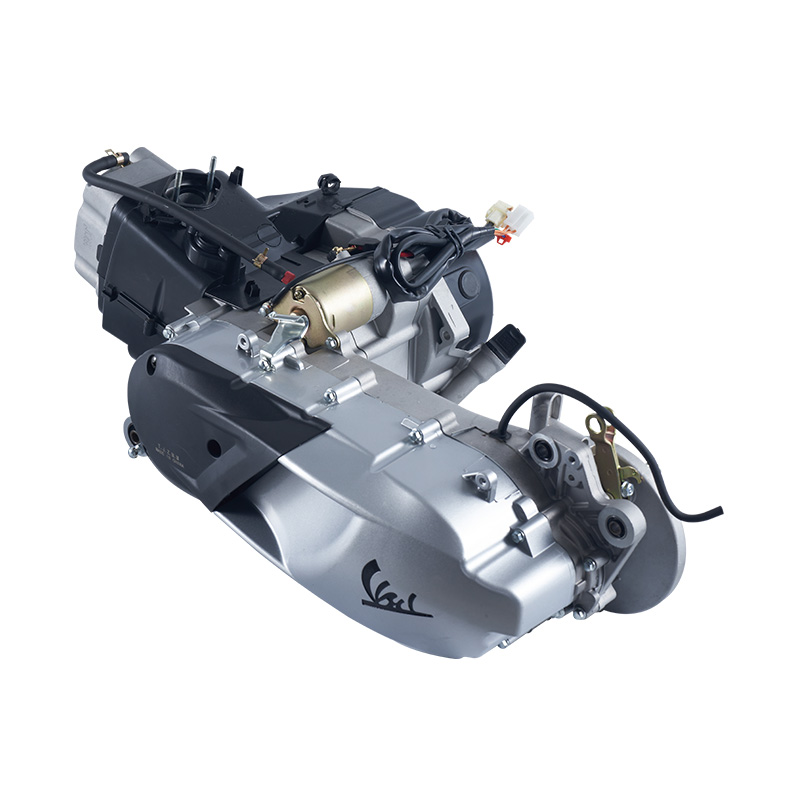
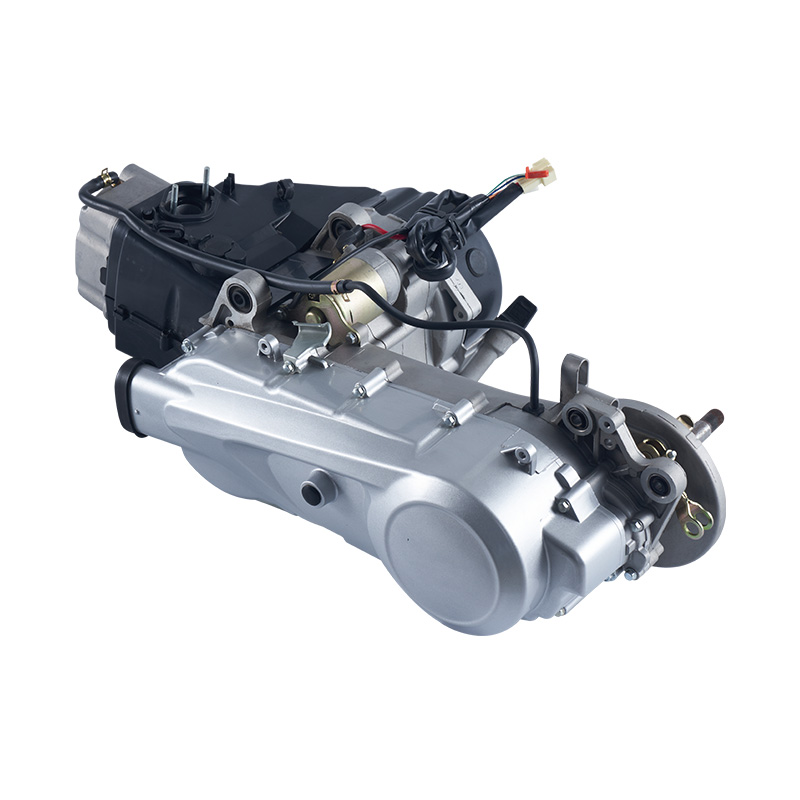
عربىNVX 4th 150cc Liquid-Cooled Electronic Fuel Injection High-Performance Scooter Motorcycle
The 4th Generation NVX 150cc, a high-performance liquid-cooled fuel-injected scooter motorcycle has been meticulous...
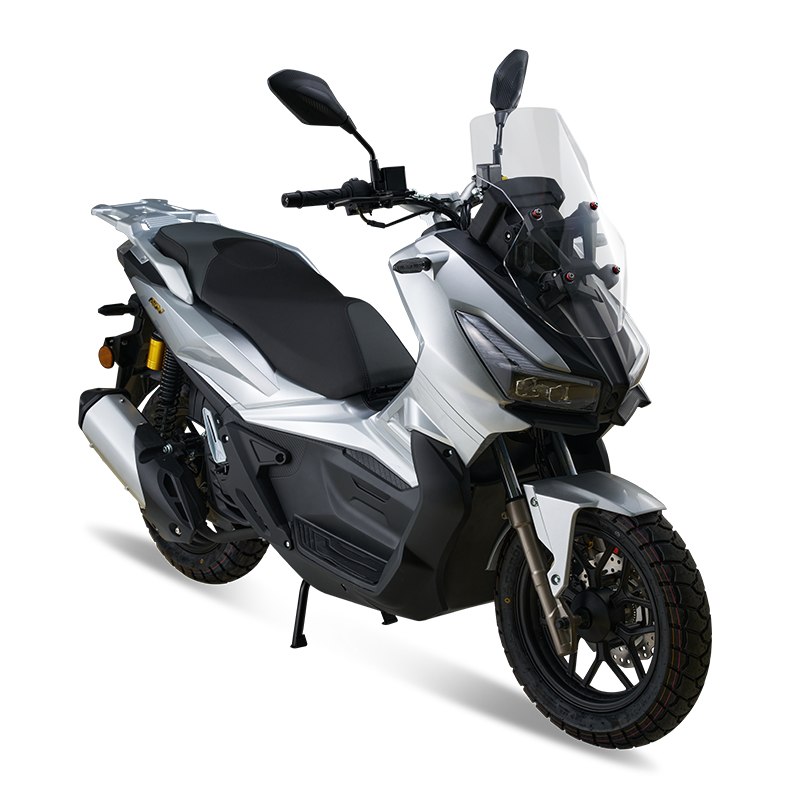
A delivery rider circling the same block for the third time, looking for anywhere to leave a car-sized vehicle, is a scene that plays out constantly wherever parking has failed to keep pace with how many people now live and work downtown. Most city centers were never laid out with the assumption that every household or small business would need its own dedicated vehicle footprint. The squeeze that results hits commuters, delivery operators, and fleet managers in slightly different ways, but the underlying frustration is the same one. A scooter motorcycle sidesteps that problem entirely — not by making parking magically more available, but by needing so little of it that the shortage stops mattering day to day.
City centers built decades or centuries before mass vehicle ownership were never going to anticipate today's parking demand. Narrow streets, tightly packed building footprints, and limited available land combine into a structural shortage that new construction rarely closes at anything close to the speed vehicle ownership keeps growing.
Density makes it worse. As more people move into urban cores chasing work and lifestyle advantages, the ratio of vehicles to available spots keeps tightening. Mixed-use neighborhoods feel this hardest, since residential, retail, and commercial parking demand all compete for the same stretch of curb and the same handful of lots.
Infrastructure expansion moves at a different pace entirely — slowly, and at real cost. New parking structures take years to plan and build, while the number of vehicles on the road can climb considerably faster than that. Cities end up perpetually behind, and that mismatch is a large part of why personal and commercial transport choices have drifted toward smaller, less space-hungry vehicles. Necessity, more than preference, is doing most of the driving here.
A standard car occupies a parking footprint that could comfortably fit several scooters side by side. That gap is not marginal. It is the kind of space efficiency that genuinely changes whether someone can find parking near home, near the office, or near a delivery stop in the middle of a busy shift.
Fuel use adds a second, quieter advantage stacked on top of the parking one. Smaller engines covering short urban hops burn considerably less fuel than a car making an identical trip, and across a full day of brief delivery stops, that gap compounds fast enough to matter on a balance sheet.
Then there is traffic itself. A compact two-wheeled vehicle threads through congestion, slips past slow-moving lanes, and reaches a destination a car might need three loops of the block just to approach. For commuters and commercial riders, that is real time recovered on every trip — not an occasional perk, but something that happens daily, predictably.
This engine class strikes a working balance between power and economy for ordinary city commuting. It handles standard urban speed limits, moderate cargo, and stop-and-go traffic without much strain, while staying light enough to slide into tight spots a larger motorcycle simply could not reach.
Less weight translates into easier handling at low speed, simpler parking in cramped corners, and generally lower fuel use per trip. Riders working the densest parts of a city — where maneuverability counts for more than raw power — tend to get along better with something light than with a machine built for longer-distance or higher-speed riding.
Pairing a combustion engine with electric assistance suits riders chasing lower fuel consumption without giving up the range flexibility a gas-powered system still provides. It fits commuters mixing short urban hops with the occasional longer run, where pure electric range might fall short.
Conventional combustion scooters remain widely used for a fairly obvious reason — refueling is simple, the maintenance network is everywhere, and performance holds steady regardless of what local charging infrastructure looks like. Riders and fleets operating where charging access is thin tend to run into fewer headaches sticking with gas.
The choice between these two often comes down to the actual shape of someone's day rather than a spec sheet. A 125cc unit generally handles varied terrain, moderate cargo, and slightly longer commutes with more ease, which suits riders whose route is not confined entirely to a city's densest core.
A lightweight model pulls ahead for riders who care about ease of parking and maneuverability above nearly everything else. Someone navigating narrow alleys, packed residential blocks, or buildings with barely any dedicated parking will likely find the lighter machine easier to live with over months of daily use. Price plays a role too — lighter, simpler builds usually land at a more accessible price point than their higher-displacement counterparts.
| Factor | Hybrid Scooter Motorcycle | Gas Scooter Motorcycle |
|---|---|---|
| Fuel Efficiency | Generally higher | Moderate, depends on engine size |
| Maintenance Complexity | Slightly higher, dual systems | Simpler, widely understood mechanics |
| Range Flexibility | Strong, blends electric and combustion | Tied directly to fuel availability |
| Upfront Cost | Often higher | Generally more accessible |
| Best Fit | Mixed urban and longer-distance riders | Riders who value simplicity and familiarity |
Neither side wins this one outright. It comes down to how a rider weighs upfront cost against fuel savings later, and how much mechanical simplicity is worth set against the efficiency a hybrid setup can deliver over time.
A Street Legal Scooter Motorcycle has to meet whatever safety, equipment, and registration expectations apply in the place it will actually be ridden before it has any business on a public road. Those expectations vary by location — covering things like lighting, mirror placement, noise limits, and which licensing category matches a given engine size.
Anyone sourcing scooters for personal or commercial use should confirm compliance directly with the relevant local authority, or with a supplier who genuinely understands that specific market, rather than assuming a model is automatically road-ready somewhere just because it was road-ready somewhere else. Standards shift from one region to the next and change over time, so checking current requirements beats leaning on outdated assumptions.
Reduced parking demand is the most visible payoff, but the benefits ripple outward from there. Streets and lots that would otherwise sit jammed with full-size vehicles open up noticeably once a meaningful share of commuters and delivery riders make the switch to compact two-wheeled transport.
Commuting speed tends to improve as well, especially during the worst congestion windows, when a smaller and nimbler vehicle can keep moving while a car sits stuck in the same gridlock. Lower transportation cost compounds across daily use too — less fuel burned, a lower purchase price relative to a car, and simpler upkeep all stack up across months and years of regular riding.
Buyers comparing supply options sometimes use these terms as if they are interchangeable, but the distinction matters once real sourcing decisions are on the table. A scooter motorcycle producer generally refers to the operation actually handling design, engineering, and production at scale. A scooter motorcycle company might operate more broadly across branding, distribution, and sales, without necessarily controlling every stage of manufacturing directly.
For buyers chasing OEM customization, private label production, or wholesale volume, working straight with a producer that runs its own manufacturing tends to deliver more consistency and flexibility than going through layers of distribution that add cost and put distance between the buyer and the actual factory floor.
Cost efficiency at scale stands out as one of the clearer advantages a well-established manufacturing operation offers, particularly on wholesale or fleet-volume orders. Mass production capability lets a factory hold steady component quality and pricing across large runs in a way smaller, lower-volume operations rarely manage to replicate.
Export experience and OEM service capability matter just as much for buyers sourcing internationally. A manufacturer comfortable handling documentation, shipping logistics, and customization requests for overseas markets removes a great deal of the friction that trips up producers less familiar with cross-border trade.
Daily commuters covering moderate distances with the occasional bit of cargo generally do fine with a 125cc unit. Riders staying almost entirely within a city's densest sections, where parking space and maneuverability outweigh raw power, tend to gravitate toward lightweight options instead. Anyone focused mainly on cutting fuel cost over time — particularly across a mix of urban and longer-distance riding — often leans hybrid. Fleet operators and commercial riders who care most about simplicity, an established maintenance network, and dependable refueling access tend to stick with conventional gas-powered units.
Picking the right scooter for city use comes down to matching the vehicle to the actual conditions it will face, rather than defaulting to whatever option happens to be trending at the moment. Parking constraints, commute length, cargo needs, and budget all pull in slightly different directions, and the right answer for a downtown delivery fleet rarely matches the right answer for someone riding occasionally on weekends. Taizhou Jiaojiang Zhiwei Motorbike Manufacture Co., Ltd. produces scooter motorcycles across several engine and drivetrain categories, supporting individual buyers and commercial fleet operators alike with OEM customization and export capability suited to varied urban mobility needs. Sharing typical riding distance, cargo requirements, and intended use case is a practical way to narrow down which scooter category will actually solve a specific parking and commuting problem rather than just look good on paper.
E-mail: [email protected]
Tel: +86-13806579227/+86-576-88011088
ADD: Hongjiachaiyang Industrial Zone, Jiaojiang District, Taizhou City, Zhejiang Province, China
China Scooter Motorcycle Manufacturer & Factory