English
  中文简体
中文简体 русский
 Español
 عربى
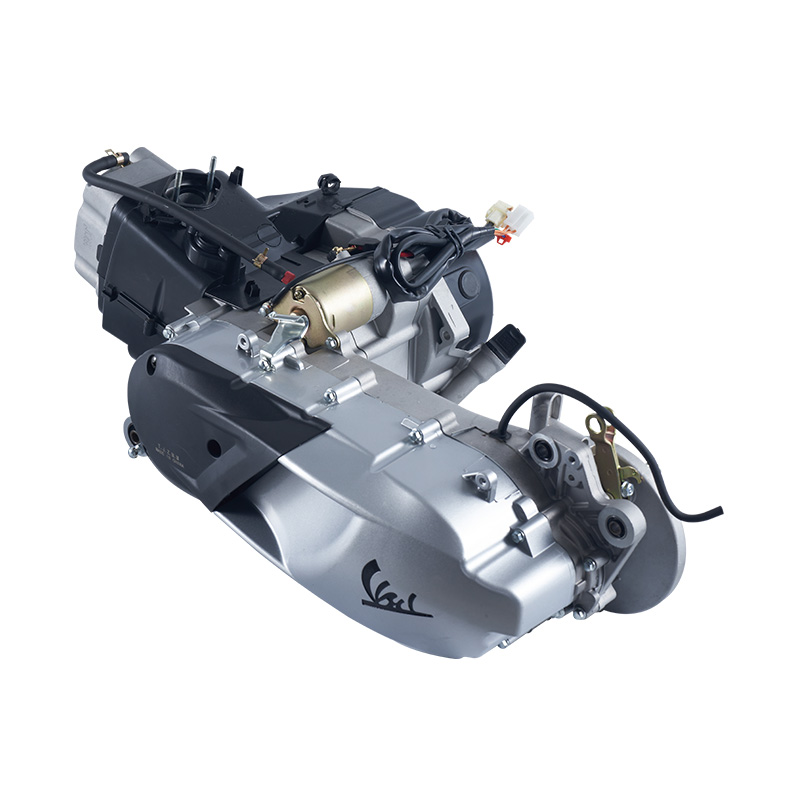
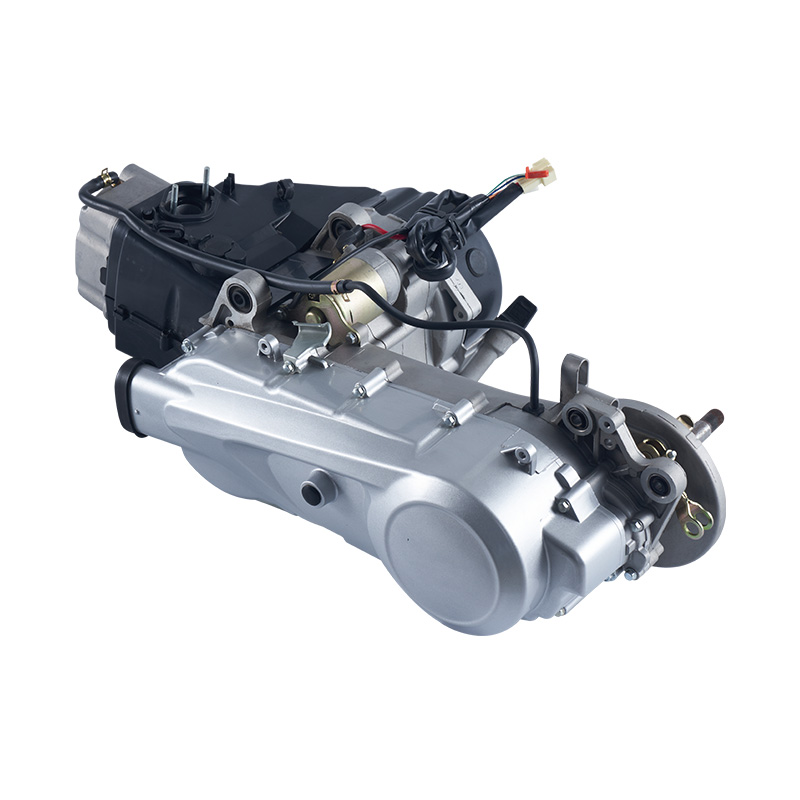
عربىNVX 4th 150cc Liquid-Cooled Electronic Fuel Injection High-Performance Scooter Motorcycle
The 4th Generation NVX 150cc, a high-performance liquid-cooled fuel-injected scooter motorcycle has been meticulous...
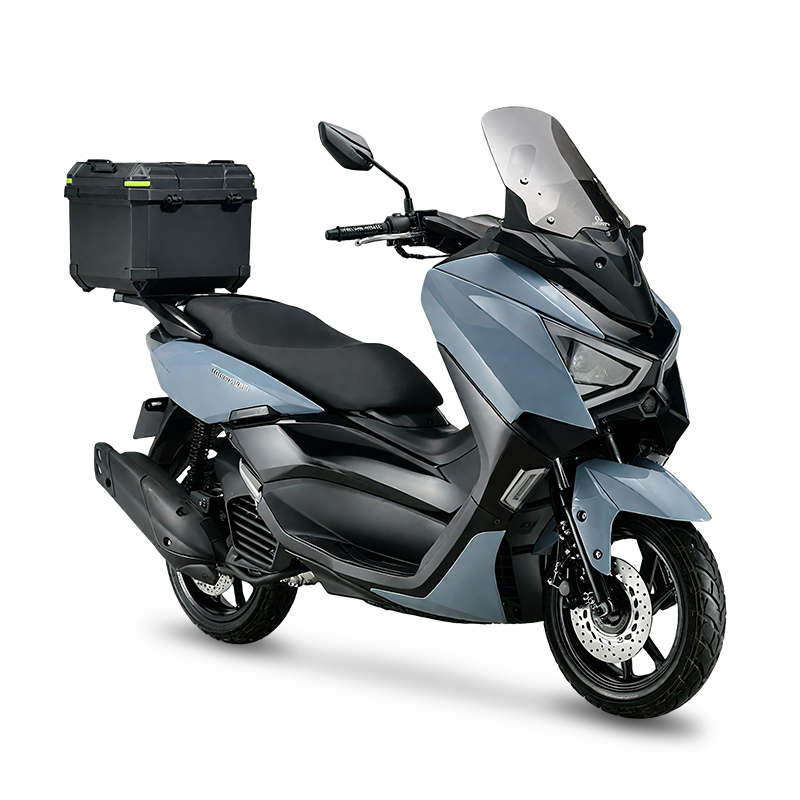
A scooter that handles a ten-minute commute without issue can behave noticeably differently after forty minutes of riding in summer heat — the throttle response softens, the engine note changes, fuel consumption climbs. Riders who use their machines for delivery work, longer daily commutes, or touring routes in warm climates encounter this pattern regularly, and it is not simply a matter of riding harder or carrying more load. The physics of internal combustion and electrical systems under sustained thermal stress explain what is happening, and understanding those mechanisms is what makes it possible to choose the right vehicle for the conditions. For procurement teams, distributors, and fleet operators evaluating a scooter motorcycle producer or sourcing specific configurations, the engineering decisions that determine heat and endurance performance are the variables that separate adequate vehicles from reliable ones across a full product lifecycle.
Scooter motorcycles, like all internal combustion or hybrid-electric vehicles, operate within thermal limits defined by their design. When ambient temperature rises or when riding duration extends those limits, performance changes in consistent, explainable ways. The problem is not typically a malfunction — it is the system operating at or near the boundaries of its design envelope.
Several overlapping mechanisms drive the performance decline:
Understanding which system is the constraint in a given situation makes it easier to diagnose performance issues and to evaluate which design choices matter most in a scooter intended for hot-climate or extended-use operation.
Air-cooled engines:
The majority of small-displacement scooters use air cooling. The engine relies on airflow over finned cylinder and head surfaces to remove heat. At low speeds — in traffic, during hill climbs, or at idle — airflow is reduced and heat accumulates rapidly. Sustained low-speed operation in high ambient temperatures is the most challenging scenario for an air-cooled engine. The design works well under most urban conditions but has a narrower margin in tropical climates or when the vehicle is loaded close to its rated capacity.
Liquid-cooled engines:
Found in higher-specification models and some larger-displacement scooters, liquid cooling circulates coolant through the engine block and cylinder head before passing it through a radiator. This provides significantly more consistent temperature regulation across different riding conditions. A well-designed liquid-cooling system maintains engine temperature within a much tighter range regardless of ambient temperature or riding speed. The trade-off is additional weight, complexity, and maintenance requirements.
Fuel delivery systems:
Carbureted systems are sensitive to ambient conditions. The float needle and jet calibration that works well at moderate temperatures may deliver a slightly rich or slightly lean mixture at elevated temperatures, contributing to both performance variation and increased emissions. Fuel injection systems continuously adjust delivery based on sensor feedback, which makes them more consistent across temperature ranges. For fleets or riders operating in hot climates regularly, fuel injection represents a meaningful reliability advantage over carbureted alternatives.
Battery and electrical systems in hybrid models:
Hybrid Scooter Motorcycles incorporate a battery pack that can be affected by sustained heat exposure. Lithium-based batteries lose capacity as temperature rises above their rated operating range, and very high temperatures accelerate cell degradation over time. Hybrid systems designed for hot-climate operation include thermal management strategies — passive heat shielding or active cooling of the battery enclosure — that standard hybrid designs may not incorporate. This is a specification point worth verifying when evaluating hybrid models for tropical or summer-dominant operating environments.
The baseline performance available from any scooter under thermal stress depends partly on how well-maintained the vehicle is before those conditions are encountered.
Engine oil management:
Hot riding accelerates oil degradation. Using oil at the viscosity grade recommended for high-temperature operation — rather than the grade specified for temperate conditions — reduces the rate at which protective film thickness decreases as temperature climbs. Changing oil more frequently during summer riding seasons maintains the lubricant quality that buffer heat-related wear.
CVT belt and roller inspection:
A worn belt or worn variator rollers will show performance degradation at normal temperatures, but that degradation becomes more pronounced under thermal stress. Inspecting these components at the service intervals specified by the manufacturer — and replacing them proactively rather than waiting for failure — ensures the transmission is operating within its designed efficiency range when conditions are demanding.
Air filter condition:
A partially clogged air filter restricts intake airflow and reduces the oxygen available for combustion. This compounds the power reduction already caused by hot, low-density air. Cleaning or replacing the air filter before summer riding seasons maintains the intake system's ability to deliver maximum airflow.
Cooling system check (liquid-cooled engines):
Coolant concentration, coolant volume, and radiator fin cleanliness all affect how effectively a liquid-cooled engine manages its thermal load. Degraded coolant has lower boiling point and heat transfer efficiency. A radiator with partially blocked fins reduces airflow through the cooling circuit. Both issues are addressable through straightforward servicing.
Tire pressure adjustment:
Tire pressure increases with temperature. A tire inflated to the correct pressure in cool morning conditions will be overpressured after sustained riding in hot conditions. Over-inflation reduces contact patch size and can contribute to handling changes. Checking pressure under riding conditions, rather than only when cold, accounts for this effect.
| Scooter Type | Heat Resistance | Long Ride Endurance | Fuel Efficiency | Typical Use Case |
|---|---|---|---|---|
| Scooter Motorcycle 125cc | Moderate | Moderate — suited to shorter urban routes | Good in city conditions | Daily urban commuting |
| Lightweight Scooter Motorcycle | Lower — less thermal mass | Limited — fatigues earlier under sustained load | Good | Short trips, easy maneuverability priority |
| Gas Scooter Motorcycle | Higher — larger engines manage heat better | Strong — designed for sustained operation | Variable by displacement | Extended commuting, delivery, touring |
| Hybrid Scooter Motorcycle | Moderate — depends on thermal management design | Moderate to good | High in urban stop-start conditions | Mixed urban and suburban use |
| Street Legal Scooter Motorcycle | Variable — depends on engine configuration | Moderate to good | Varies | Road-legal configurations across use types |
The table reflects general category tendencies. Within each category, the specific engineering choices made by the manufacturer — cooling system type, engine displacement, transmission quality, and materials specification — determine how an individual model performs relative to category averages.
A Scooter Motorcycle 125cc is engineered for urban environments: congested traffic, frequent stops, moderate speeds, and daily distances that rarely extend beyond what an urban commuter covers. Within that operating envelope, the 125cc configuration is efficient and practical.
Under sustained high-speed operation or in very hot conditions, a 125cc engine is working closer to its capacity limit than a larger displacement unit would be doing the same work. The engine has less thermal reserve — less mass to absorb heat before temperatures reach critical thresholds — and the cooling system is sized for the engine's normal load range rather than sustained maximum output.
This does not make 125cc scooters unsuitable for warm climates. Urban 125cc scooters operate effectively in hot countries where traffic conditions keep average speeds moderate. The concern arises in specific scenarios: extended highway riding near the engine's power ceiling, continuous uphill grades at sustained throttle, or heavy load in peak summer conditions. In those scenarios, a 125cc engine reaches thermal stress faster than larger displacement alternatives.
For riders or fleet operators whose usage includes regular extended rides, delivery routes outside urban areas, or operation in consistently high ambient temperatures, moving to a larger displacement Gas Scooter Motorcycle provides a more comfortable operating margin.
A Lightweight Scooter Motorcycle reduces physical fatigue for the rider on longer journeys, improves fuel efficiency through reduced rolling resistance, and is easier to maneuver in tight urban conditions. These are genuine advantages that make lightweight designs popular for commuting applications.
Under thermal and endurance stress, the characteristics that produce lightness create some trade-offs. Lighter engines typically have less thermal mass — they heat up faster and have less buffer capacity before temperatures reach operating limits. Lighter construction may mean smaller cooling fins, smaller coolant capacity in liquid-cooled systems, or lighter CVT components that reach temperature limits more quickly during sustained operation.
For delivery riders, rental fleet operators, or any application where the vehicle is in near-continuous use across a working day, the operating conditions test these limits regularly. The practical guidance is that Lightweight Scooter Motorcycles are well-matched to their intended use case — urban mobility with moderate daily distances — but are less suited to the demanding end of the endurance spectrum than heavier, more robustly built alternatives.
The Gas Scooter Motorcycle and Hybrid Scooter Motorcycle represent different engineering philosophies with different performance profiles under heat and endurance conditions.
Gas Scooter Motorcycles benefit from decades of thermal management refinement. Air and liquid cooling systems, oil formulation, and engine material specifications have been developed to handle the sustained combustion heat generated across long riding sessions. The power delivery is consistent across a wider temperature range than hybrid systems, and fuel availability for extended journeys is predictable and straightforward.
Hybrid Scooter Motorcycles offer meaningful fuel efficiency gains in urban stop-start conditions where the electric motor handles low-speed movement and the combustion engine handles higher-speed cruising. The efficiency advantage narrows on sustained highway-speed riding where the electric motor contribution is minimal and the combustion engine carries full load — which is also the scenario most associated with heat stress.
The battery component of a hybrid system introduces a thermal sensitivity that pure gas designs do not have. Batteries perform well within their rated temperature range, but performance degrades and long-term cell health is affected when operating temperature exceeds that range for extended periods. Hybrid models designed for hot climates incorporate thermal management for the battery pack; models designed for temperate conditions may not. This specification point matters for buyers sourcing Hybrid Scooter Motorcycles for deployment in tropical or summer-dominant regions.
For procurement teams and fleet operators selecting a scooter motorcycle for a specific deployment context, matching vehicle specifications to operating conditions produces more reliable outcomes than selecting based on general popularity or unit price alone.
Evaluation framework:
A Street Legal Scooter Motorcycle in a warm climate carrying a delivery load across a full working day needs to be specified differently from the same category of vehicle used for short urban commutes in temperate conditions, even if the intended use sounds similar.
The performance characteristics discussed throughout — cooling system design, fuel delivery type, transmission quality, hybrid thermal management — are all determined at the manufacturing stage. A scooter motorcycle company that prioritizes these specifications for demanding operating environments builds vehicles that perform differently in the field from producers focused primarily on cost reduction at the unit level.
Key manufacturing indicators relevant to heat and endurance performance:
Selecting a scooter for hot-weather or long-ride operation is fundamentally a specification exercise: matching the engineering of the vehicle to the thermal and mechanical demands of the intended use. A 125cc city scooter and a Gas Scooter Motorcycle designed for extended highway use are both legitimate products, but they are designed for different operating envelopes, and deploying either outside that envelope produces the performance problems described throughout. The same logic applies at the procurement level — selecting a scooter motorcycle producer based on comprehensive evaluation of their engineering choices and manufacturing standards, rather than on unit price or catalog presentation, is what produces reliable fleet performance across seasons and operating conditions. Taizhou Jiaojiang Zhiwei Motorbike Manufacture Co., Ltd. produces a range of scooter motorcycle configurations including gas, hybrid, lightweight, and street legal variants across multiple displacement categories. Their manufacturing process covers engine thermal specifications, transmission component quality, and fuel system configurations relevant to both urban and extended-use deployment conditions. For distributors, fleet operators, or OEM buyers evaluating scooter motorcycle sourcing for warm-climate or demanding operating environments, reaching out to their engineering and sales team to discuss specifications, thermal management design, and available configurations is a practical starting point for finding vehicles that perform consistently in the field.
E-mail: [email protected]
Tel: +86-13806579227/+86-576-88011088
ADD: Hongjiachaiyang Industrial Zone, Jiaojiang District, Taizhou City, Zhejiang Province, China
China Scooter Motorcycle Manufacturer & Factory