English
  中文简体
中文简体 русский
 Español
 عربى
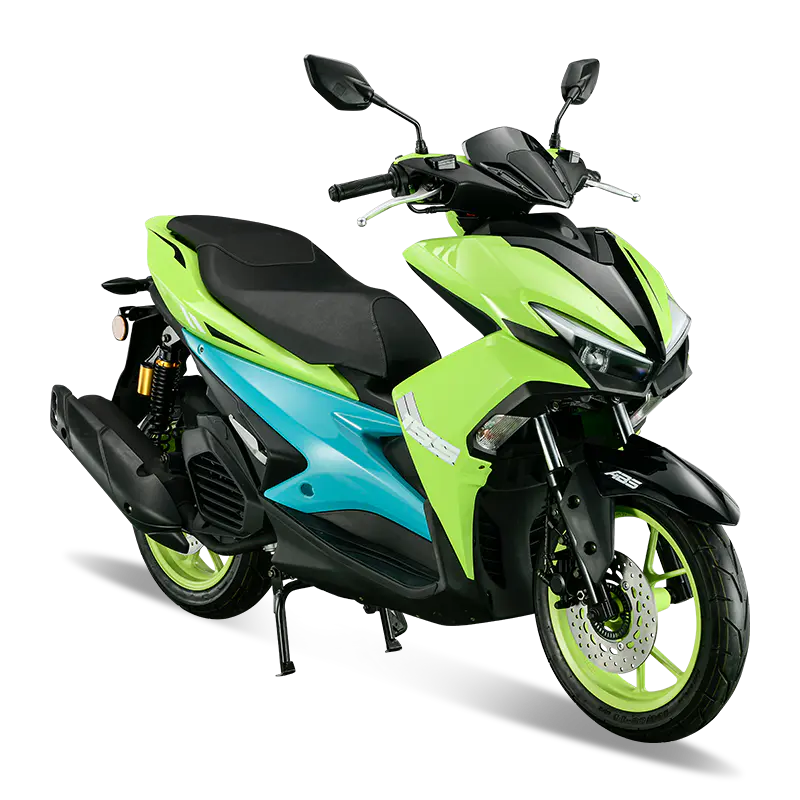
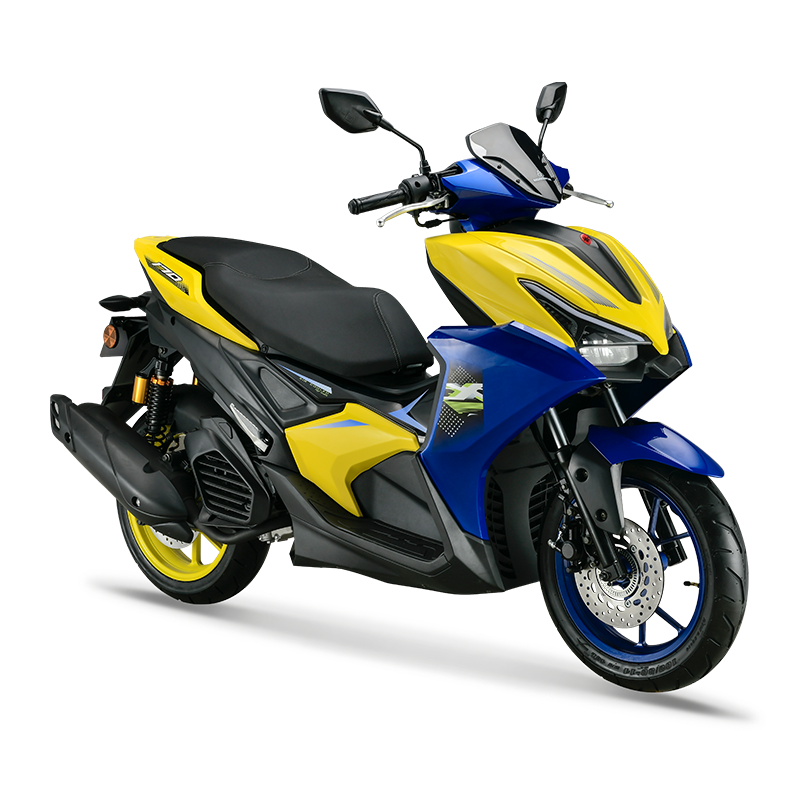
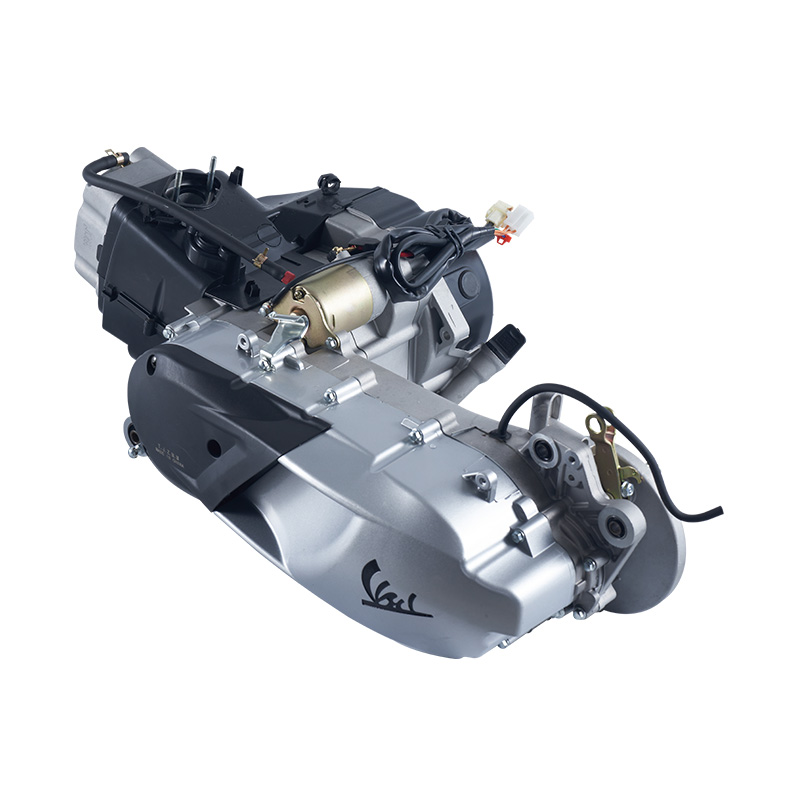
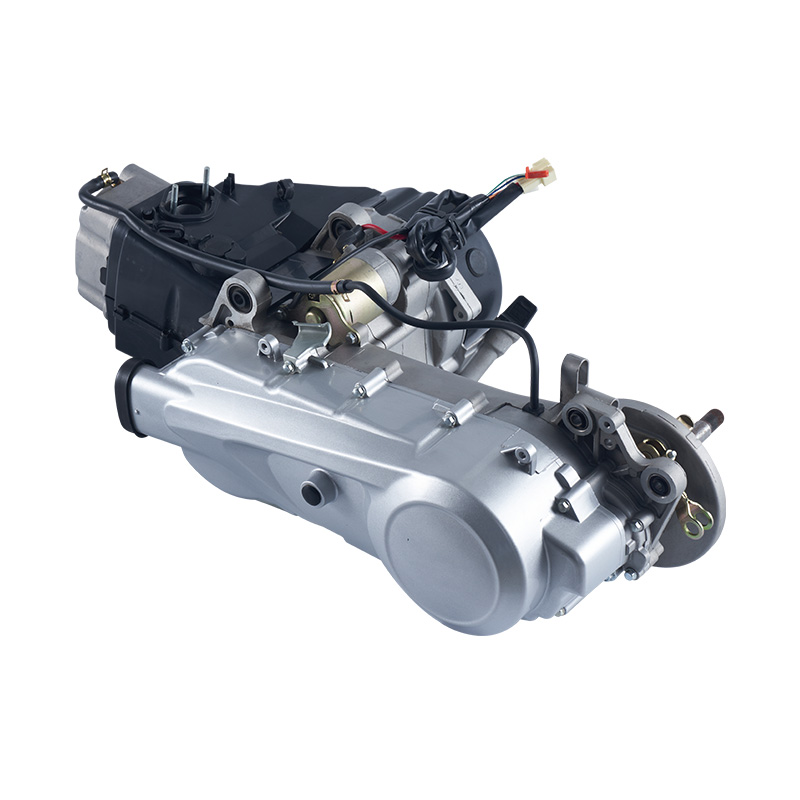
عربىNVX 4th 150cc Liquid-Cooled Electronic Fuel Injection High-Performance Scooter Motorcycle
The 4th Generation NVX 150cc, a high-performance liquid-cooled fuel-injected scooter motorcycle has been meticulous...
Before any discussion of octane ratings or mixing ratios makes sense, the engine type needs to be clearly established. Two-stroke and four-stroke engines manage lubrication in fundamentally different ways, and confusing them leads directly to engine damage — sometimes quickly, sometimes gradually, but always eventually.
A two-stroke engine does not have a separate oil reservoir for internal lubrication. The oil that protects internal components is delivered through the fuel itself. Without oil mixed into the gasoline, metal surfaces inside the engine run against each other with no lubrication. The result is rapid wear, overheating, and seizure.
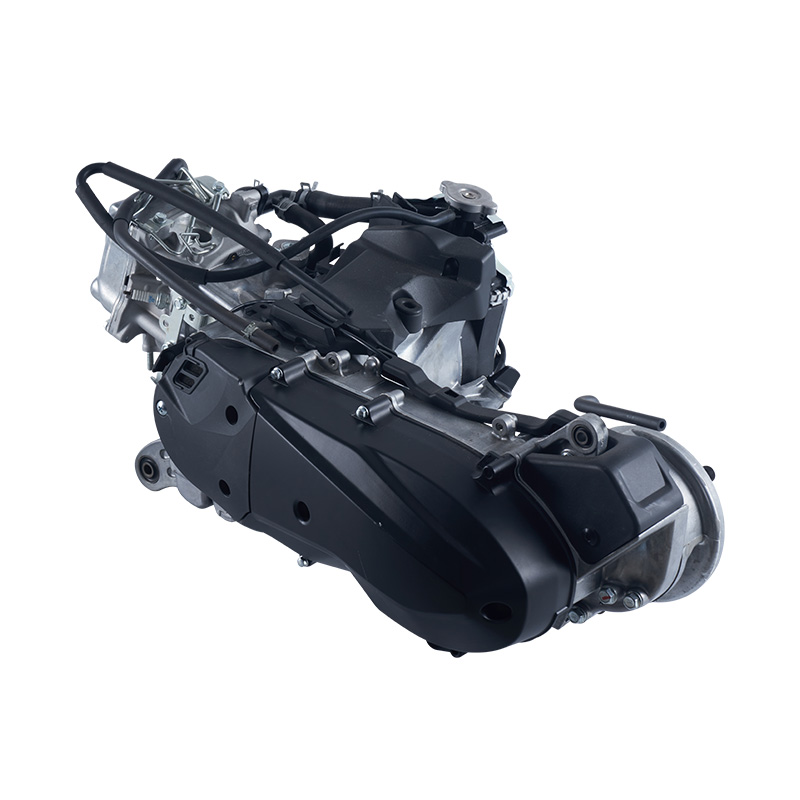
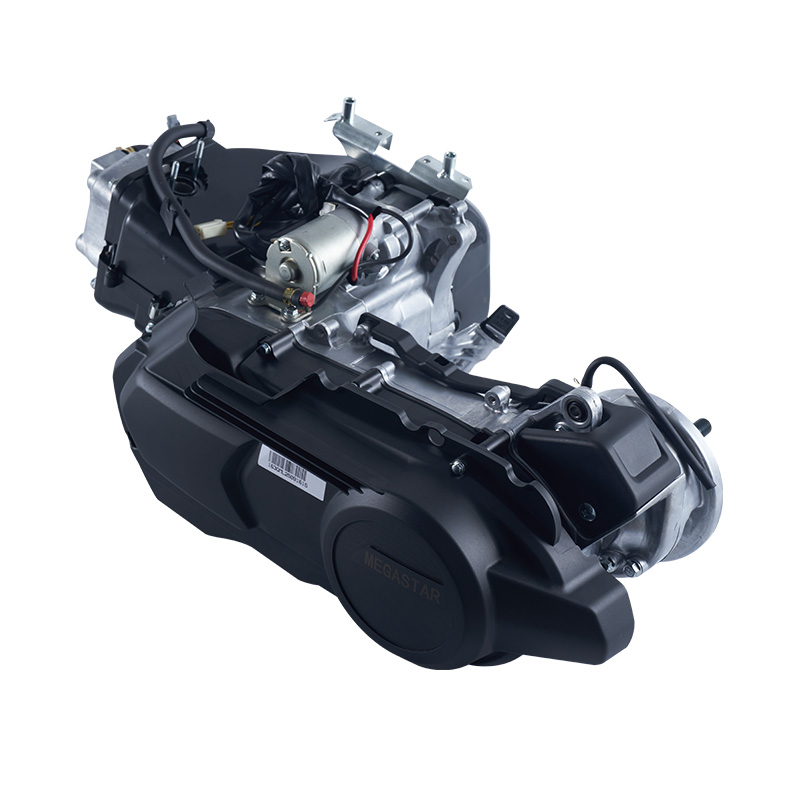
A four-stroke engine has a dedicated oil system — a crankcase that holds engine oil separately from the fuel supply. The fuel goes in the tank; the oil goes in the oil reservoir. Mixing oil into the gasoline of a four-stroke engine does not improve anything. It fouls the spark plug, deposits residue in the combustion chamber, and causes smoke.
Scooter Motorcycle 125cc models are almost always four-stroke in current production, though older two-stroke versions still circulate. Checking the owner's manual or the engine specification label is the definitive way to confirm which type you are working with.
The octane rating of gasoline measures resistance to premature detonation — the tendency of fuel to ignite before the spark plug fires, which causes a characteristic knocking or pinging sound and puts stress on engine components. Higher octane fuel resists this premature ignition more effectively.
Here is where the common misunderstanding enters: a higher octane rating does not deliver more energy or improve power output in an engine not designed for it. The benefits of premium fuel are only realized when an engine's compression ratio and ignition timing are calibrated to take advantage of it. Most scooters — including lightweight scooter motorcycle models designed for urban commuting — run compression ratios that match standard-grade gasoline comfortably.
Using higher-octane fuel in an engine calibrated for regular-grade fuel produces no performance benefit. The combustion characteristics simply do not interact with the engine design in a way that generates more power or cleaner combustion. The manufacturer's recommended octane level, stated in the owner's manual, is the number to follow.
When to consider higher octane:
In most everyday riding scenarios, the recommended fuel grade is the right choice — not a lower one to save money, and not a higher one based on the assumption that premium automatically means better.
Getting the oil-to-fuel ratio right matters more than most riders realize. Too little oil means inadequate lubrication and accelerated wear. Too much oil means incomplete combustion, fouled spark plugs, excessive smoke, and carbon buildup in the exhaust and combustion chamber. The ratio specified by the engine manufacturer exists because it has been determined through engineering to balance lubrication adequacy against combustion cleanliness.
Common mixing ratios for two-stroke engines fall within a specific range, but the correct one for a given engine is stated in its documentation. Using a different ratio because it was recommended for a different engine or by an informal source introduces unnecessary risk.
Steps for correct two-stroke fuel mixing:
The grade rating on a fuel pump reflects octane content, but it does not fully describe what else is in the gasoline. Ethanol content, detergent additives, and contamination levels vary between suppliers and can vary at the same station depending on delivery conditions. These differences affect how fuel behaves in small engines, where tolerances are tighter and fuel system components are often more sensitive than in larger vehicles.
For street legal scooter motorcycle use in urban environments, where fuel stops are frequent and tanks are small, the cumulative effect of fuel quality compounds faster. A small tank cycled through more frequently means that whatever is in the fuel — good or bad — affects the engine and fuel system more rapidly.
Practical guidelines for fuel source selection:
The goal is not to become paranoid about fuel sourcing — it is to develop consistent habits that reduce the chance of introducing contamination or degraded fuel into a small engine where the consequences show up quickly.
Ethanol is blended into gasoline in many markets as a renewable fuel component, and it is now effectively unavoidable in most regions. For large automotive engines, the effects of standard ethanol blending are generally well-managed. For smaller engines — including Scooter Motorcycle 125cc models, lightweight scooter motorcycle designs, and particularly any two-stroke engine — ethanol introduces considerations worth knowing about.
Ethanol absorbs moisture from the atmosphere. In a fuel tank that sits with partially used fuel for days or weeks, ethanol can draw enough water into the fuel to cause phase separation — a condition where the water-ethanol mixture drops to the bottom of the tank, away from the gasoline layer above. The separated layer, if drawn into the engine, causes rough running, poor starting, or damage to fuel system components.
Ethanol also acts as a solvent on certain materials. Rubber seals, fuel line compounds, and some plastic components in older fuel systems were not designed with high-ethanol blends in mind.
Managing ethanol-related risks:
Gasoline degrades. It is not a stable substance indefinitely — it oxidizes, light fractions evaporate, and the combustion characteristics shift over time. Fuel that has been sitting in a tank for several months is noticeably different from fresh fuel, and running degraded fuel through a small engine causes residue buildup, varnish deposits in the carburetor or injector, and difficult starting.
For seasonal riders or anyone who parks a hybrid scooter motorcycle or lightweight scooter motorcycle for more than a few weeks, fuel management at storage time prevents the majority of starting and running problems encountered when returning to ride.
Storage fuel protocol:
Understanding fuel requirements across different scooter configurations simplifies decision-making at the pump and during maintenance planning.
| Engine / Scooter Type | Fuel Type Required | Oil Mixing Required | Ethanol Sensitivity | Storage Consideration |
|---|---|---|---|---|
| Two-stroke engine | Gasoline per manufacturer spec | Yes, at specified ratio | Higher sensitivity | Drain carb for extended storage |
| Four-stroke 125cc | Gasoline per manufacturer spec | No | Moderate | Stabilizer recommended for long storage |
| Lightweight scooter (4T) | Standard grade unless spec states otherwise | No | Moderate | Full tank plus stabilizer |
| Hybrid scooter motorcycle | Per manufacturer — may differ by mode | No (gasoline component) | Moderate | Consult manufacturer documentation |
| Street legal scooter | Standard or per manual recommendation | No | Moderate | Standard storage practices apply |
Several recurring errors show up consistently in small engine maintenance contexts.
The way a rider manages fuel — what grade they choose, whether they mix correctly for a two-stroke, how they handle storage, which stations they use — directly determines how the engine ages. This is not a dramatic claim; it is a mechanical reality. Small engines respond quickly to fuel quality changes, and the scooter motorcycle category, with its compact displacement and often high-rev operating range, is particularly sensitive to what flows through the fuel system.
For fleet operators, distributors, or retailers sourcing scooters in volume, the fuel compatibility specifications of the models they carry are worth communicating clearly to end users. A well-informed rider who manages fuel correctly extends the service life of their vehicle, reduces warranty claims rooted in misuse, and represents a lower total support cost over time. Taizhou Jiaojiang Zhiwei Motorbike Manufacture Co., Ltd. manufactures a range of gas-powered and hybrid scooter models built to defined fuel specifications, and the engineering behind those specifications is designed to support long-term reliable operation when the right fuel practices are followed. If you are evaluating scooter models for distribution or fleet purposes and want to discuss fuel system design, model specifications, or volume sourcing, reaching out directly is the practical next step.
E-mail: [email protected]
Tel: +86-13806579227/+86-576-88011088
ADD: Hongjiachaiyang Industrial Zone, Jiaojiang District, Taizhou City, Zhejiang Province, China
China Scooter Motorcycle Manufacturer & Factory