English
  中文简体
中文简体 русский
 Español
 عربى
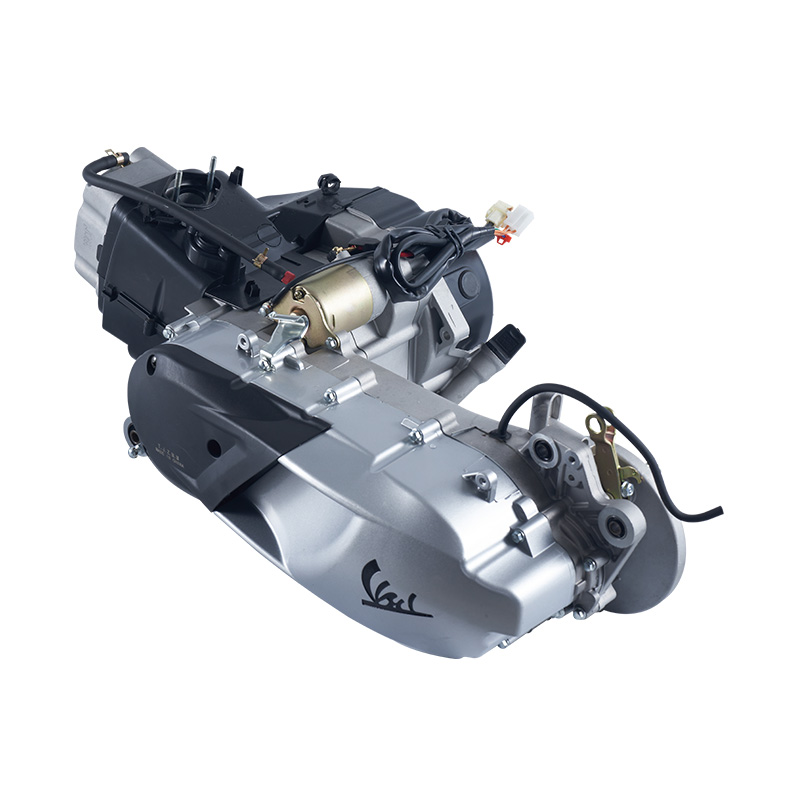
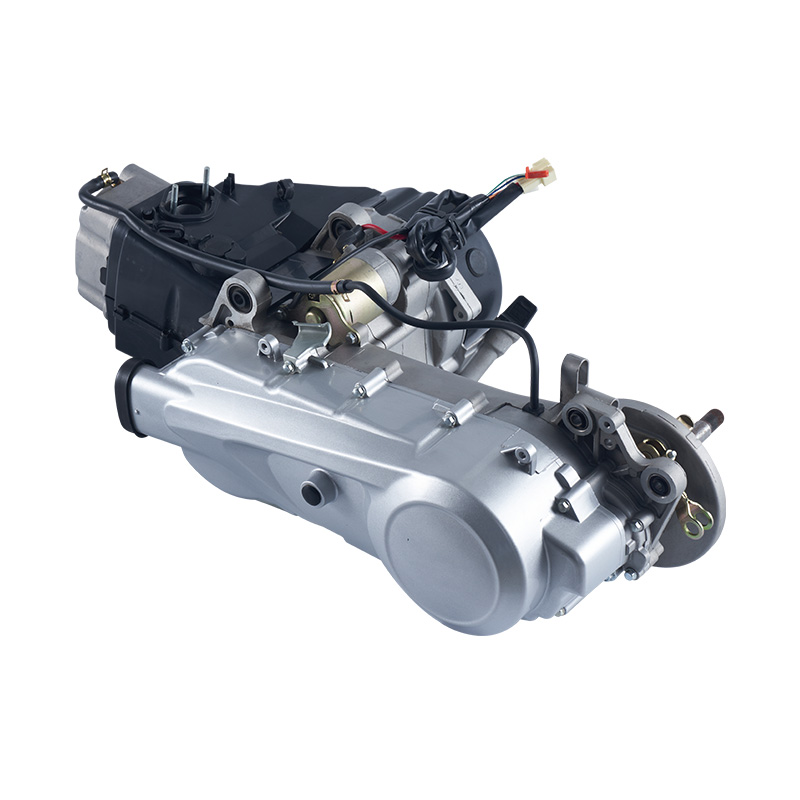
عربىNVX 4th 150cc Liquid-Cooled Electronic Fuel Injection High-Performance Scooter Motorcycle
The 4th Generation NVX 150cc, a high-performance liquid-cooled fuel-injected scooter motorcycle has been meticulous...
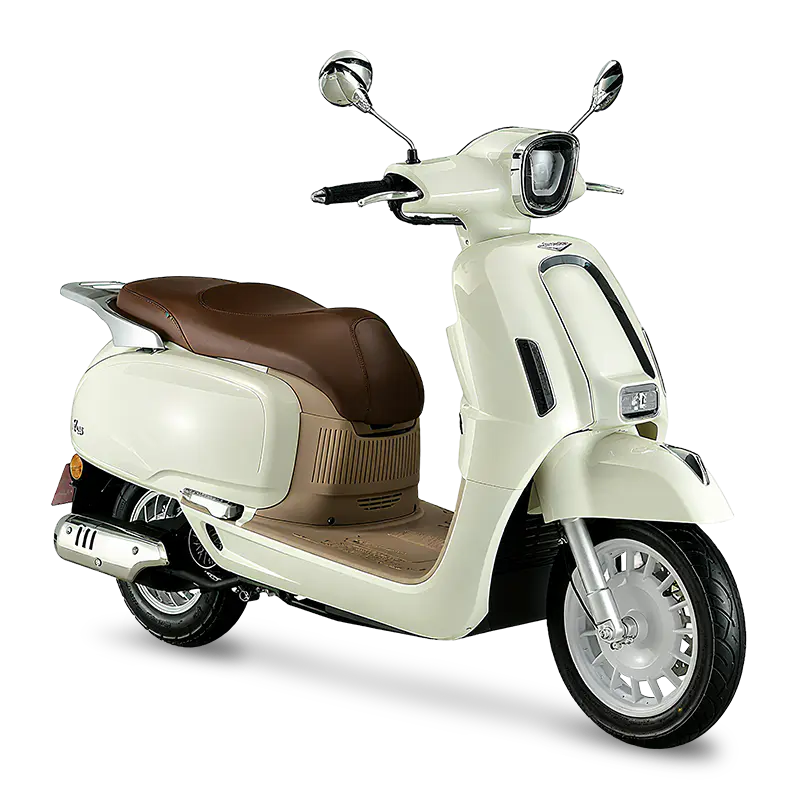
Traffic is sitting still again. The parking garage costs more per month than it should. The bus left two minutes ago, and the next one is not for another fifteen. If this is a recognizable picture of your daily commute, a Gas Scooter Motorcycle has probably crossed your mind — whether you have admitted it seriously or not. The question is whether it actually solves the problem, or just trades one set of frustrations for another. Urban commuting has specific demands: predictable travel time, manageable running costs, somewhere to park at the end of it. A two-wheeled gas-powered commuter handles all three in ways that most car owners underestimate until they try it. This is not a simple decision, though. The right scooter for a twenty-minute city commute looks different from what works for a rural or suburban route. Engine size, street legal compliance, weight, and fuel economy all factor into whether a given model genuinely fits a daily use pattern. Understanding those variables — and how they connect to real commuting scenarios — is what turns a browsing decision into a confident purchase.
City driving is stop-and-start by nature. Traffic lights, pedestrian crossings, delivery vehicles blocking lanes, school zones in the morning — these conditions punish large, heavy vehicles and reward small, nimble ones. A car burns fuel sitting in traffic. A Gas Scooter Motorcycle idles through the same stretch at a fraction of the cost per kilometer.
Beyond fuel, there is the spatial reality of city streets. Urban parking is expensive, scarce, and time-consuming to find. A scooter can be parked in gaps that a car cannot reach — in many cities, two-wheeled vehicles have dedicated parking zones or can use motorcycle bays that are closer to destinations than car parks. Over a working week, the time saved on parking alone is meaningful.
There is also the lane filtering question. In jurisdictions where it is legal, lane filtering — moving between stationary traffic — is one of the genuine time advantages of a scooter over a car on congested urban routes. A Lightweight Scooter Motorcycle slips through gaps that a car cannot, shaving minutes off a commute that would otherwise be spent staring at brake lights.
This is the calculation most potential buyers want to run before committing. The honest answer is that the comparison is strongly favorable to a scooter on a pure fuel basis, but the margin depends on the vehicle being replaced and the specific commuting distance.
Gas Scooter Motorcycles, particularly in the Scooter Motorcycle 125cc engine class, are designed for efficient low-speed operation. The engine is small enough that urban stop-and-start traffic does not significantly reduce its efficiency compared to open-road riding. A car engine, sized for highway capability, operates inefficiently at the low speeds and frequent stops typical of city commuting. That mismatch is where the scooter gains its running cost advantage.
Running cost factors that favor a scooter for daily urban use:
The upfront cost of a scooter is also lower than most cars, which affects the total cost of ownership calculation over a typical ownership period.
Not automatically, no. A Street Legal Scooter Motorcycle needs to meet the regulatory standards of the market it will be ridden in. These vary by country and region, but the common requirements include registered headlights, turn signals, mirrors, a horn, and compliance with local emissions standards. Engine displacement also affects licensing requirements — a Scooter Motorcycle 125cc typically sits in a category that allows riding on a standard motorcycle license or, in some markets, a specific learner or restricted license.
Buyers evaluating a scooter for city commuting should confirm:
For buyers sourcing through distributors or evaluating models from manufacturers, confirming street legal compliance documentation before purchase is a step that avoids post-purchase complications around registration and insurance.
For the majority of urban and short-work-trip use cases, yes. A Scooter Motorcycle 125cc produces enough power to match urban traffic flow, handle moderate inclines, and maintain highway-adjacent speeds on ring roads or urban arteries where limits are in the moderate range. It is not a motorway vehicle — merging into fast-moving highway traffic is not where this engine class is at home — but for the specific scenario of city streets, suburban roads, and short cross-town runs, the power output is well-matched.
The 125cc class also has practical advantages beyond the engine itself. Lower engine displacement typically means:
For riders whose commute includes occasional sections of faster road — a short stretch of dual carriageway, for example — a 150cc or 200cc variant provides more comfortable cruising speed reserve without moving into a significantly different cost or license category. The choice between 125cc and the next size up is often a practical question about the specific route rather than a general preference.
On an open road, weight affects fuel consumption and handling at speed. In a city, it affects almost everything: how easily the scooter can be maneuvered in tight spaces, whether it can be pushed by hand when needed, how confidently a newer rider handles it in slow-moving traffic, and how stable it feels on wet road surfaces at low speed.
A Lightweight Scooter Motorcycle — typically found in the 125cc class and in compact scooter body styles — handles urban conditions with less physical effort than a heavier commuter bike. For riders who store their scooter in a building, navigate a narrow parking gate, or need to occasionally reverse into a space, the weight difference between a compact scooter and a full-sized motorcycle is felt every day.
Practical weight considerations for commuters:
The Hybrid Scooter Motorcycle category — combining a small combustion engine with an electric assist system — is a growing option in urban markets where emissions regulations are tightening and fuel costs are a primary concern. In the specific context of stop-and-start city commuting, hybrid systems offer a practical match with the use case: the electric assist reduces fuel draw during the frequent acceleration phases of city riding, and the combustion engine maintains range without the charging dependency of a fully electric alternative.
For commuters who need the flexibility of refueling on long days or during irregular schedules — rather than returning to a charging point — a hybrid scooter offers lower running costs than a pure combustion model without the range anxiety of a fully electric one. The trade-off is a higher purchase price and slightly more complex servicing compared to a standard gas scooter.
Whether a hybrid makes practical sense depends on the commuting pattern:
Different commuting patterns call for different specifications. A student riding a few kilometers to campus has different needs than a delivery rider covering a city in a full working day.
| Commuter Type | Typical Route Profile | Suitable Scooter Format |
|---|---|---|
| Office worker, short urban route | Short distance, stop-and-start, parking needed | Lightweight scooter motorcycle, 125cc |
| Student commuter | Moderate distance, mixed urban/suburban | 125cc or 150cc, compact format |
| Delivery or logistics rider | High daily distance, frequent stops | Durable 125cc–150cc, storage capacity |
| Multi-stop work trip | Several destinations per day, parking varied | Street-legal scooter motorcycle, low weight |
| Occasional commuter, longer route | Mixed city and arterial roads | 150cc–200cc, hybrid option viable |
| Urban rider in emission-restricted zone | City center routes with clean air requirements | Hybrid scooter motorcycle, verified certification |
Reading across these profiles, the Scooter Motorcycle 125cc class covers the widest range of typical urban commuter needs with the lowest entry cost and running expense. Riders whose routes include regular higher-speed sections or who carry passengers should evaluate larger displacement options before committing to the entry class.
The decision to switch a daily commute to two wheels is practical rather than emotional, and the checklist before buying reflects that.
Items worth confirming before purchasing a commuter scooter:
For buyers sourcing at volume — fleet managers, corporate transport coordinators, or distributors evaluating models for a market — adding specification verification for street legal compliance, emissions certification, and parts availability strengthens the purchasing case.
Urban commuting with a Gas Scooter Motorcycle is not a solution for every rider or every route. But for the specific conditions of city traffic — short to medium distances, frequent stops, parking scarcity, and a desire to reduce daily transport costs — it addresses the core frustrations more directly than most alternatives in the same price range. A Street Legal Scooter Motorcycle in the 125cc class handles most urban commuting scenarios without requiring a significant license upgrade or a large financial commitment, and the Lightweight Scooter Motorcycle format makes daily use genuinely practical rather than effortful. For buyers evaluating commuter scooter options or distributors looking to expand their urban mobility product range, Taizhou Jiaojiang Zhiwei Motorbike Manufacture Co., Ltd. produces a full line of Gas Scooter Motorcycles — including street legal and hybrid variants — designed for urban and short-distance work use. Contact the team to discuss specifications, compliance documentation, or wholesale sourcing options suited to your market.
E-mail: [email protected]
Tel: +86-13806579227/+86-576-88011088
ADD: Hongjiachaiyang Industrial Zone, Jiaojiang District, Taizhou City, Zhejiang Province, China
China Scooter Motorcycle Manufacturer & Factory