English
  中文简体
中文简体 русский
 Español
 عربى
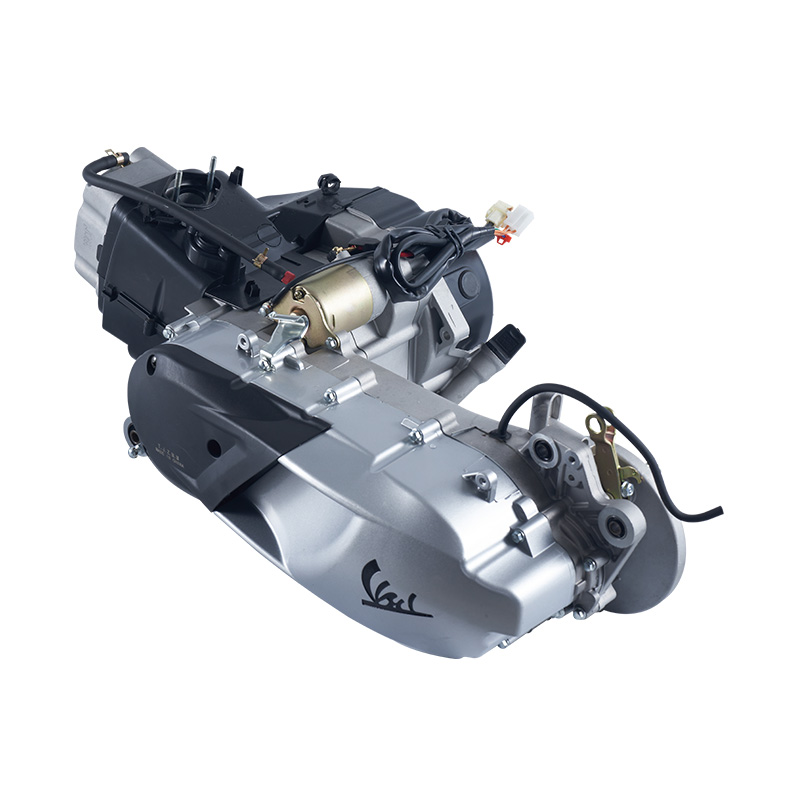
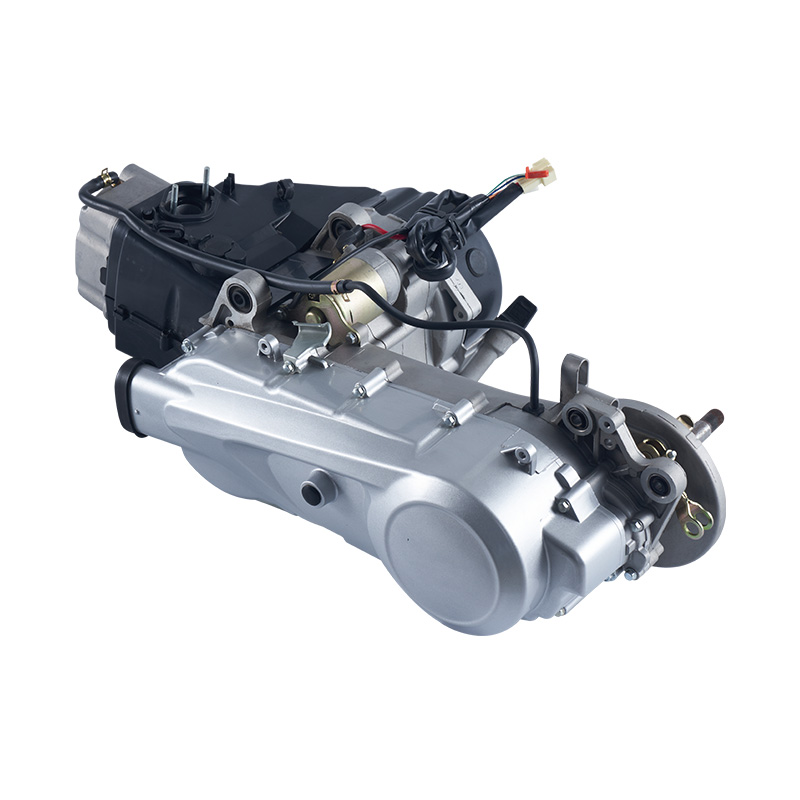
عربىNVX 4th 150cc Liquid-Cooled Electronic Fuel Injection High-Performance Scooter Motorcycle
The 4th Generation NVX 150cc, a high-performance liquid-cooled fuel-injected scooter motorcycle has been meticulous...
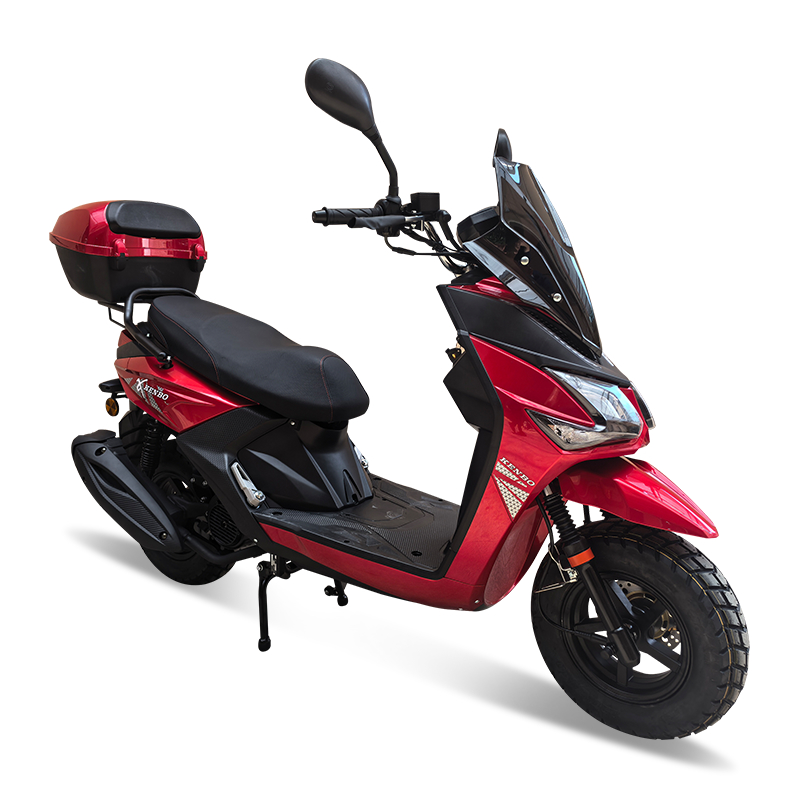
The daily commute has become one of the more expensive and time-consuming parts of urban life for a growing number of people. Fuel prices shift without warning, traffic in city corridors extends travel time beyond what maps predict, and the cost of owning and running a full-size car for a route that is often under twenty kilometers starts to feel harder to justify. For commuters, gig workers, and small-scale distributors who are weighing their transport options, a Gas Scooter Motorcycle represents a practical shift in how the cost and efficiency equation can be rebalanced — not by eliminating the problem, but by using a vehicle format that is genuinely suited to urban and peri-urban conditions.
The cost of commuting by car is not just the fuel. It includes the insurance premium, the parking fee, the maintenance schedule, and the depreciation on a vehicle that spends much of its day stationary in traffic rather than moving. When all of these are added up, the daily cost of a car commute is substantially higher than the number at the fuel pump suggests.
Traffic congestion adds a different kind of cost. Time spent in stationary or slow-moving traffic does not reduce the fuel consumption proportionally — in stop-start urban driving, fuel efficiency drops significantly compared to open-road conditions. The longer the commute sits in traffic, the higher the per-kilometer fuel cost becomes. Urban commuters in high-density areas often find that the total time cost of a car commute, door to door, is not meaningfully better than alternatives.
A lightweight scooter motorcycle with a small-displacement engine covers urban distances with a fraction of the fuel that a passenger car requires for the same route. The engine is sized for the load — a single rider or rider with light cargo — rather than being oversized for occasional highway performance. That right-sizing is the source of the fuel efficiency advantage, not the vehicle category itself.
The fuel cost difference compounds quickly for commuters who cover the same route every working day. What appears as a modest saving per trip becomes a meaningful monthly and annual figure for people who commute regularly.
Beyond fuel, the operating cost structure of a small commuter vehicle is simpler:
In many urban environments, yes — and meaningfully so. A two-wheeled vehicle occupies a fraction of the road footprint of a car. In traffic that has slowed to a crawl, a scooter or lightweight motorcycle can use road space that is unavailable to four-wheeled vehicles. In markets where lane filtering or lane splitting is legally permitted, this difference becomes a direct time saving.
Even where filtering is not permitted, the smaller footprint of a two-wheeled vehicle means it reaches the front of queues faster, takes less space in moving traffic, and can exit side streets and alternative routes that a car cannot practically use.
The practical effect for a commuter:
A side-by-side look at how different commuter vehicle types compare across the cost dimensions that matter for daily use:
| Cost Factor | Full-Size Car | Gas Scooter Motorcycle | Hybrid Scooter Motorcycle | Electric Scooter |
|---|---|---|---|---|
| Fuel / energy cost per km | Higher | Low | Lower than gas | Variable by electricity rate |
| Vehicle purchase price | High | Low to moderate | Moderate | Moderate to high |
| Insurance cost | High | Low | Low to moderate | Low to moderate |
| Parking cost | High in urban areas | Low or free | Low or free | Low or free |
| Maintenance complexity | High | Low | Moderate | Low (fewer moving parts) |
| Refueling convenience | High (widespread fuel) | High (widespread fuel) | High | Depends on charging access |
| Traffic navigation | Limited in congestion | Good | Good | Good |
The Hybrid Scooter Motorcycle category — combining a small combustion engine with an electric assist system — addresses the fuel efficiency dimension further while retaining the refueling convenience of a fuel-based system. For commuters who want reduced fuel consumption without committing to a fully electric vehicle that depends on charging infrastructure, this format offers a useful middle position.
A commuter scooter needs to handle the full range of conditions a daily route involves — acceleration from stops, sustained speed on open stretches between urban areas, maneuverability in slow traffic, and stability on varied road surfaces. The engine displacement that works for a short flat urban route may not be adequate for a longer route with inclines or faster traffic sections.
Key factors when evaluating a gas-powered commuter scooter for regular use:
The growth of delivery and logistics services that operate through individual riders has expanded the use case for fuel-efficient two-wheeled vehicles well beyond personal commuting. Delivery riders who cover many kilometers per day on urban routes have the same economic sensitivity to fuel cost as regular commuters, but at a higher scale — the daily fuel cost for a delivery rider is a direct business expense that affects their effective hourly earnings.
For this segment, a gas scooter or lightweight motorcycle with reliable fuel efficiency, low maintenance requirements, and adequate cargo capacity is a business tool rather than a personal transport choice. The economics are more acute, and the decision to switch from a less efficient vehicle to a more fuel-efficient one can directly change the financial viability of delivery work in markets where margins are tight.
Scooter motorcycle producers that develop vehicles with gig economy use in mind — durable frames, reliable engine systems, practical cargo mounting points — address a market segment that purchases on practicality and running cost rather than brand or aesthetics.
Purchase price is visible and easy to compare. Running cost over the full ownership period is less visible but more significant for a vehicle used daily. A scooter that costs less upfront but requires more frequent servicing, has higher fuel consumption, or has more expensive replacement parts may cost more over two or three years than a slightly more expensive unit with better long-term economics.
Factors worth evaluating beyond the purchase price:
For distributors and fleet operators sourcing commuter scooters for business use or resale, the supply chain relationship with the scooter motorcycle company matters as much as the vehicle specification. Consistent product quality across batches, reliable delivery schedules, and accessible technical support affect the operational reliability of the product in the field.
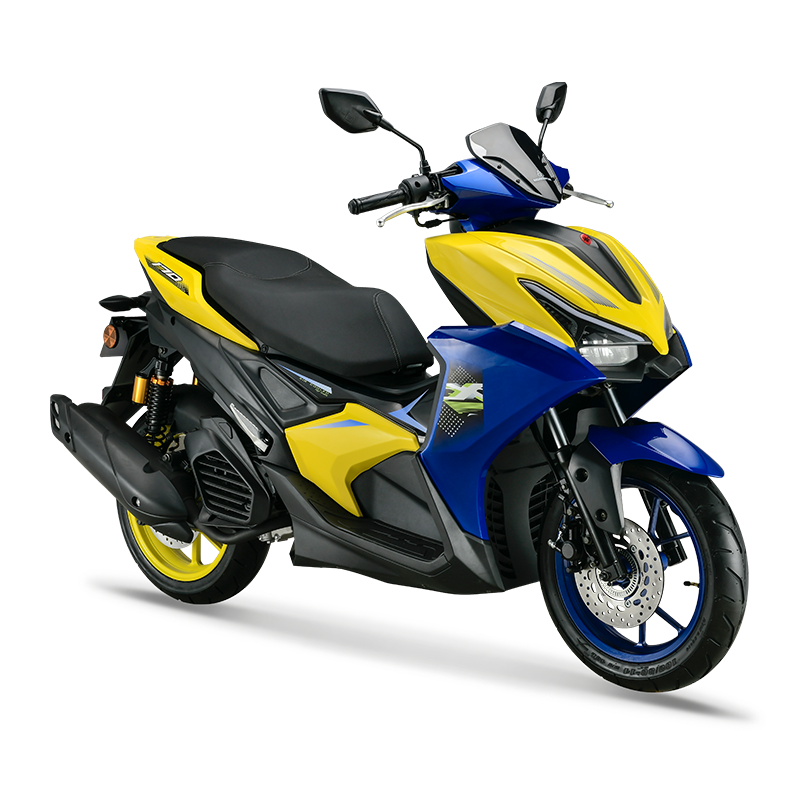
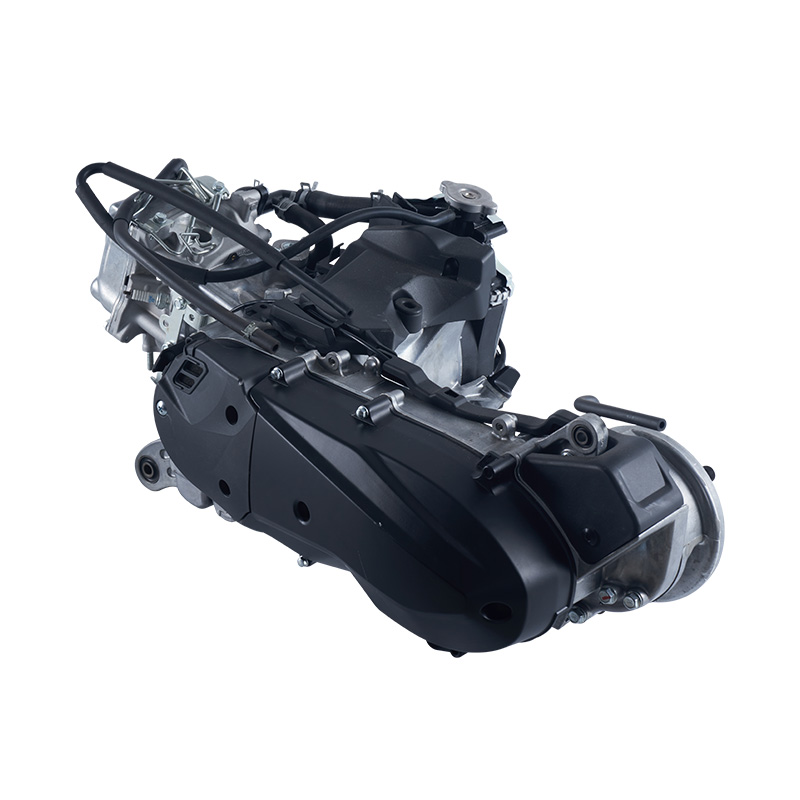
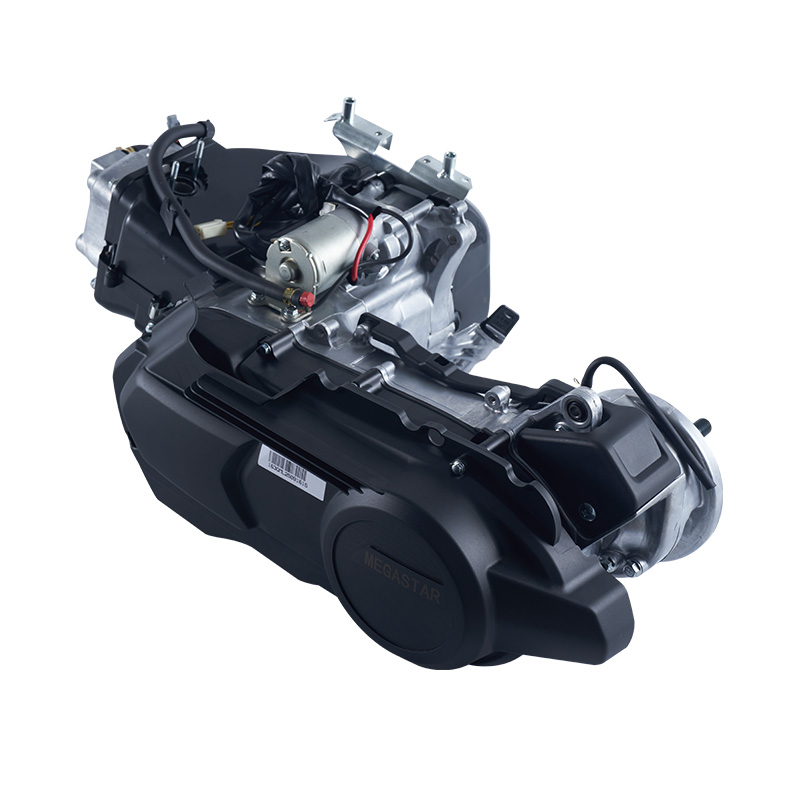
High fuel costs and traffic congestion are structural features of urban commuting in many markets, not temporary conditions. The commuters, delivery riders, and small business operators who adapt their transport choices to these conditions — rather than waiting for them to resolve — are the ones who capture the running cost and time efficiency advantages that appropriately specified two-wheeled vehicles provide. For individual buyers evaluating their commuting options, for distributors building a product range for urban transport markets, and for fleet operators sourcing reliable commuter vehicles in volume, Taizhou Jiaojiang Zhiwei Motorbike Manufacture Co., Ltd. produces Gas Scooter Motorcycles and related commuter vehicles across a range of engine sizes and configurations suited to urban and peri-urban use. Contacting their team to discuss vehicle specifications, volume supply arrangements, or OEM options is a practical way to find a configuration that fits the specific commuting conditions and cost requirements of your market.
E-mail: [email protected]
Tel: +86-13806579227/+86-576-88011088
ADD: Hongjiachaiyang Industrial Zone, Jiaojiang District, Taizhou City, Zhejiang Province, China
China Scooter Motorcycle Manufacturer & Factory