English
  中文简体
中文简体 русский
 Español
 عربى
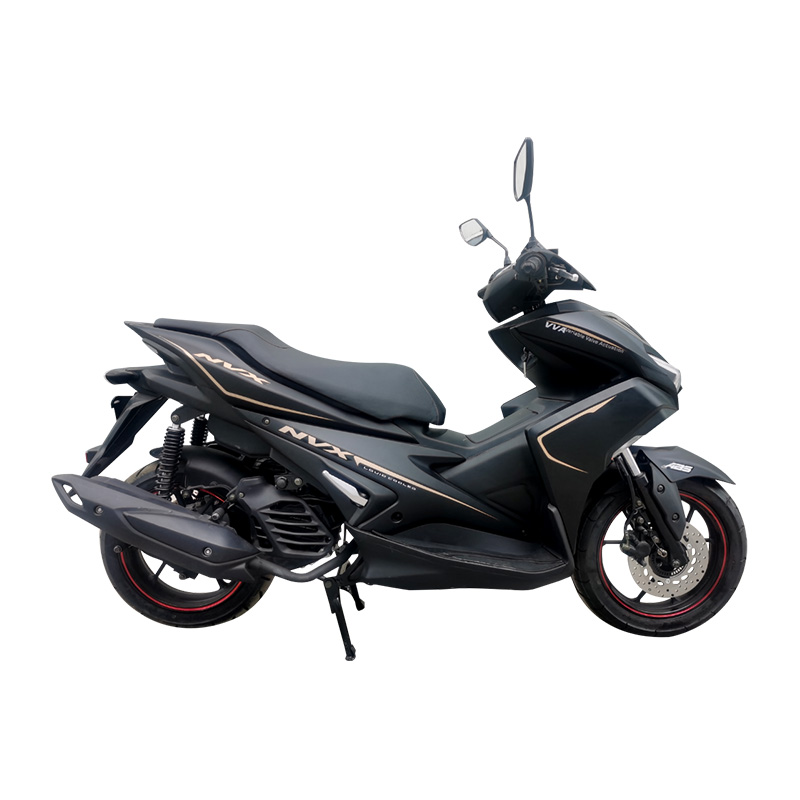
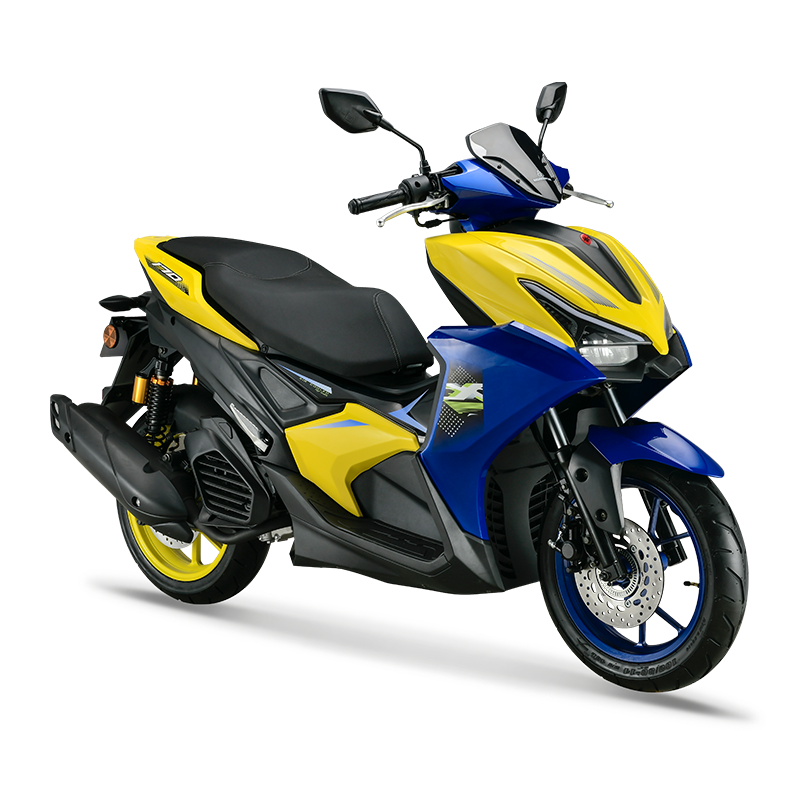
عربىNVX 4th 150cc Liquid-Cooled Electronic Fuel Injection High-Performance Scooter Motorcycle
The 4th Generation NVX 150cc, a high-performance liquid-cooled fuel-injected scooter motorcycle has been meticulous...
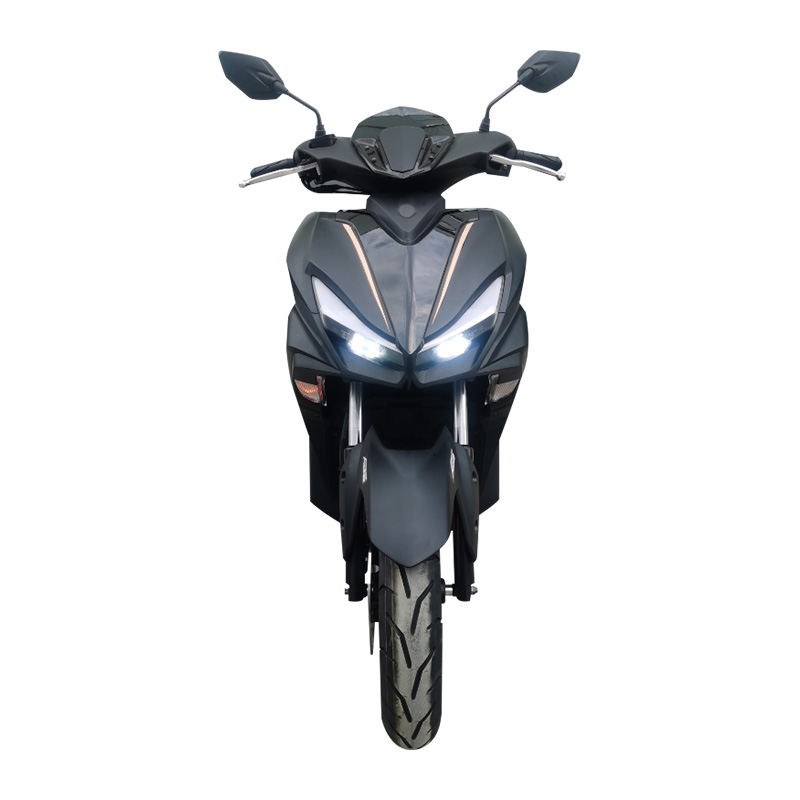
In the US motorcycle industry, emission control is closely tied to how vehicles are designed, tested, and allowed on the road. The term US EPA Certified Motorcycle is often used when a model has gone through a federal review process related to exhaust emissions before it can be sold or registered.
For manufacturers, this affects early engineering decisions. For riders, it often becomes part of basic checks when comparing different models or planning a purchase across different regions.
At its core, certification is about how a motorcycle behaves when it is actually being ridden, not just under controlled conditions.
A US EPA Certified Motorcycle is generally expected to show:
In the US market, this influences how easily a motorcycle can be distributed and registered. Some states follow additional requirements, so certification often becomes a basic reference point for whether a model can move smoothly through sale and registration processes.
Certification is usually not a single checkpoint at the end of production. It is more like a process that runs alongside development.
| Stage | Focus | Purpose |
|---|---|---|
| Early design | Engine structure and control approach | Set direction for emission behavior |
| Prototype stage | Real engine operation | Observe how emissions behave in practice |
| Adjustment phase | Fine tuning of engine and fuel system | Improve stability across conditions |
| Final review | Full operational check | Confirm overall compliance behavior |
During this process, a US EPA Certified Motorcycle is shaped through repeated adjustments. Even small changes in fuel delivery or airflow design can influence how the engine responds during testing, so development often goes through several cycles before reaching a stable result.
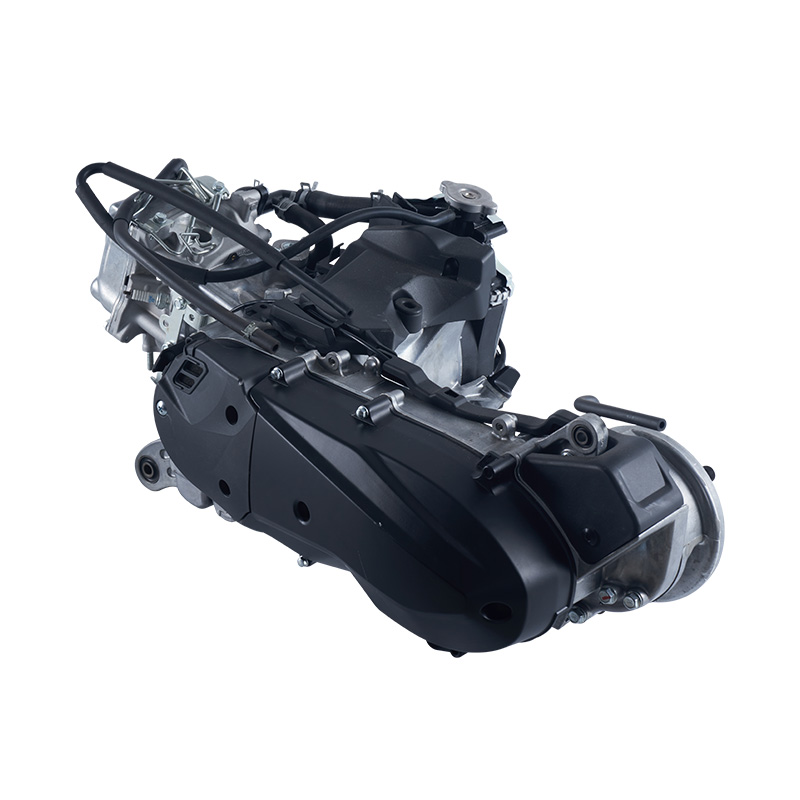
Emission behavior in a motorcycle is not the result of a single part working alone. It is more like several systems influencing each other while the engine is running. The combustion system is usually the starting point, since it decides how fuel and air are mixed and how the energy release takes place inside the engine. From there, the exhaust treatment system plays a role in reducing certain byproducts before they exit the vehicle, while the fuel delivery setup affects how consistently fuel is supplied when riding conditions change. The electronic control unit also contributes by adjusting engine responses based on operating signals, and the air intake system influences how smoothly air enters and blends with fuel. In a US EPA Certified Motorcycle, these parts are generally calibrated to work in coordination, because a small change in one area can shift the overall emission behavior in real use.
Emission testing for motorcycles is based on repeated riding patterns rather than a single fixed condition. The idea is to reflect how the vehicle behaves during everyday use, where speed and engine load naturally change over time. During testing, the motorcycle may go through phases that resemble idle running, gradual acceleration, steady movement, and periods of speed variation before returning to more stable operation. Each of these stages shows a different type of engine response, especially in how fuel use and exhaust output shift under changing load. For a US EPA Certified Motorcycle, the evaluation focuses on how consistent these responses are across the full sequence, since real riding rarely stays in one condition for long periods and often moves between different levels of demand on the engine.
Modifying a motorcycle often looks straightforward from the outside, but in real use it usually affects more than one system at the same time. A change in exhaust parts, for example, does not only influence sound or airflow, it can also shift how the engine handles combustion under different riding loads. Fuel-related adjustments and electronic tuning changes tend to have similar side effects, especially when the motorcycle moves between low-speed and higher-load conditions.
Before making adjustments, riders often focus on a few practical points:
A US EPA Certified Motorcycle is generally tuned as a complete system rather than separate components working independently. Once one part is changed, the overall behavior can feel different even if the modification seems small.
Before purchase, verification is usually based on simple physical inspection and document comparison rather than technical testing. Most motorcycles carry an emission label that provides an initial reference point, often placed on the frame or near the engine area.
After that, attention usually shifts to whether the documentation matches the actual configuration of the motorcycle. Engine layout, exhaust structure, and control system details are often compared to confirm consistency.
| Check area | What to observe | Why it matters |
|---|---|---|
| Emission label | Presence and placement | Basic compliance indication |
| Documentation | Specification match | Confirms identity consistency |
| Engine setup | Factory configuration | Direct effect on emissions |
| Exhaust system | Structural condition | Influences output behavior |
| Control system | Calibration state | Affects engine response stability |
When motorcycles enter the US market, emission status becomes part of the basic review during import and registration. The main focus is whether the vehicle meets expected emission conditions and whether its configuration matches approved specifications.
The process generally includes reviewing documents, checking engine and exhaust setup, and confirming that the motorcycle has not been significantly altered from its original structure. If everything is consistent, the registration process is often more direct, although local requirements may still introduce additional steps depending on the region.
In production and supply planning, emission compliance is usually considered early in development to reduce later adjustments. In this context, Taizhou Jiaojiang Zhiwei Motorbike Manufacture Co., Ltd. is associated with manufacturing and assembly activities where configuration planning takes regulatory requirements into account, helping ensure the motorcycle structure remains aligned with different market expectations without requiring major redesign during later stages.
E-mail: [email protected]
Tel: +86-13806579227/+86-576-88011088
ADD: Hongjiachaiyang Industrial Zone, Jiaojiang District, Taizhou City, Zhejiang Province, China
China Scooter Motorcycle Manufacturer & Factory