English
  中文简体
中文简体 русский
 Español
 عربى
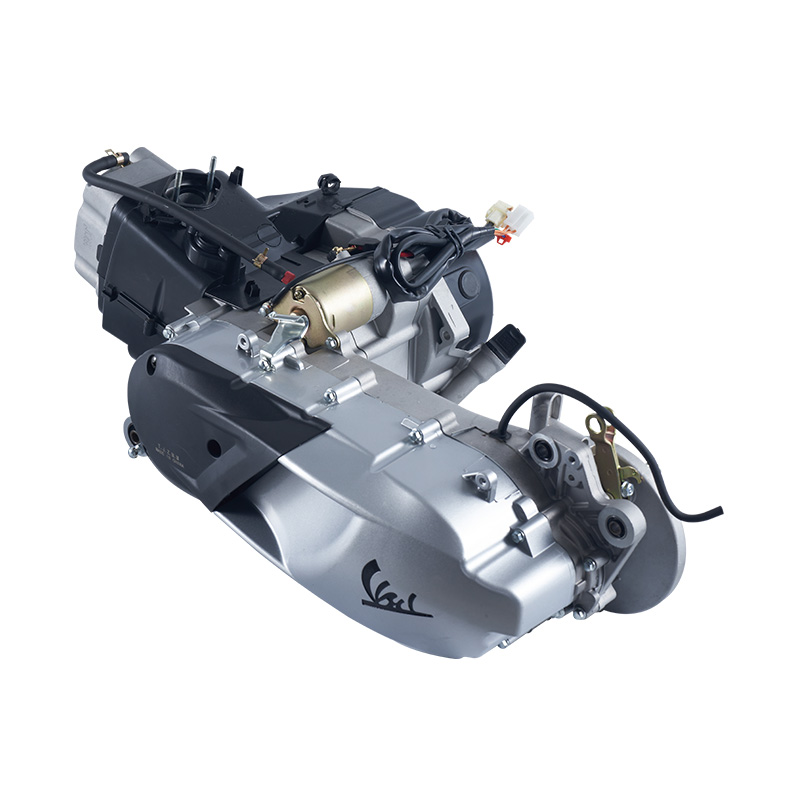
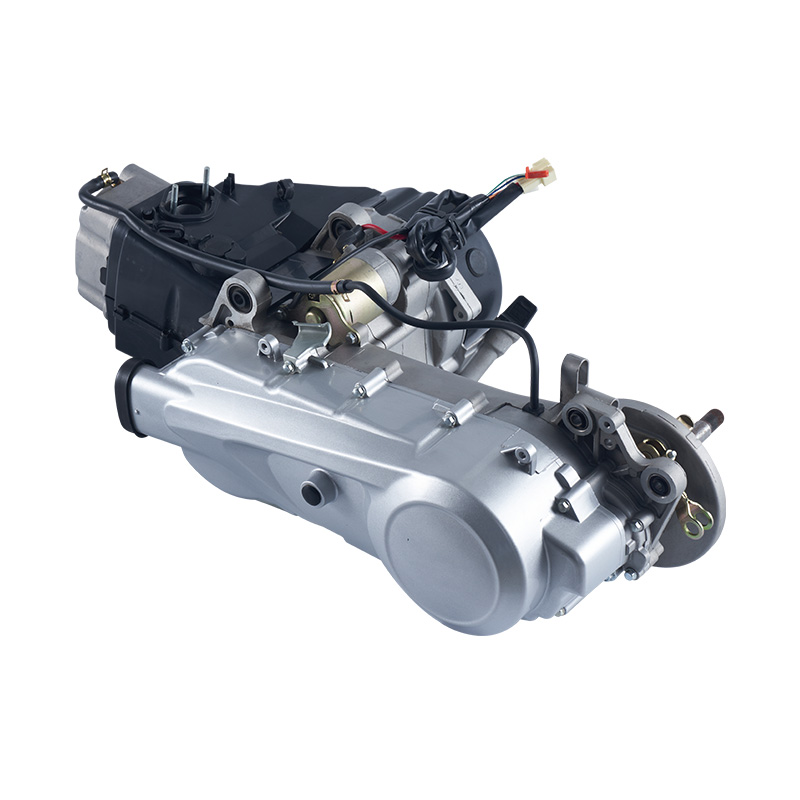
عربىNVX 4th 150cc Liquid-Cooled Electronic Fuel Injection High-Performance Scooter Motorcycle
The 4th Generation NVX 150cc, a high-performance liquid-cooled fuel-injected scooter motorcycle has been meticulous...
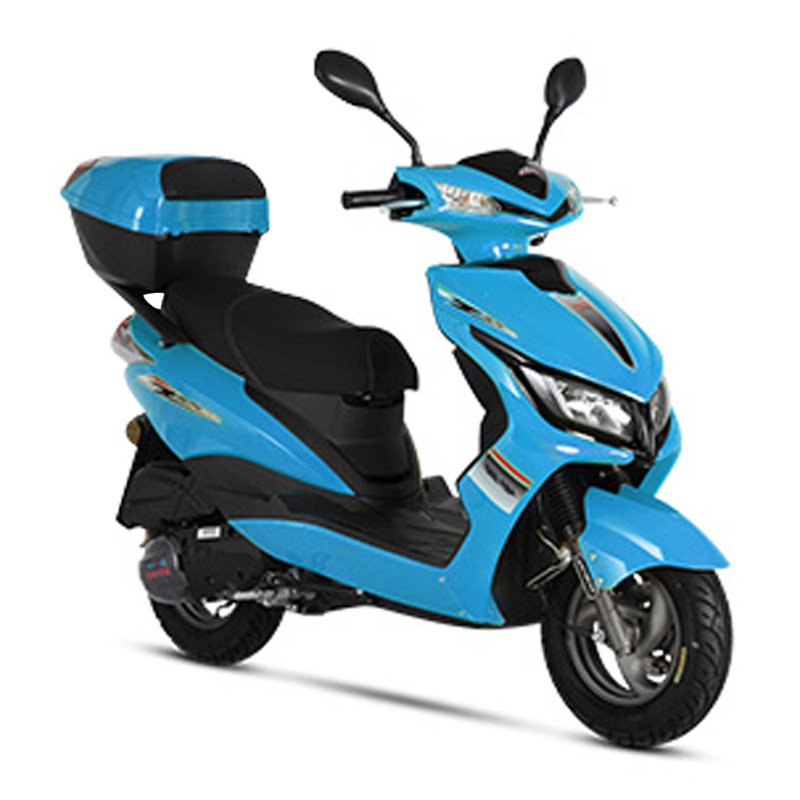
Rattling panels after a few months of daily commuting, a suspension that transmits every pothole straight into your wrists, brakes that feel spongy right when you need them to bite, buyers evaluating a Scooter Motorcycle 125cc for fleet purchase or retail distribution have usually run into at least one of these complaints from a previous model. Build quality is not an abstract marketing phrase in this segment. It shows up directly in how a scooter handles daily wear, rough roads, and the thousands of stop and go cycles that come with regular commuting. For importers, dealers, fleet operators, and OEM procurement teams sourcing scooters for various markets, understanding what actually separates a well built model from one that will generate warranty complaints matters more than comparing spec sheets side by side.
Frame construction determines how a scooter holds together under repeated stress, vibration, and the small impacts that come from everyday road conditions. A well welded, properly reinforced frame resists flexing under load, keeping the ride stable whether the scooter carries one rider or two, and whether it travels over smooth pavement or uneven urban streets.
Panel fit and material thickness matter here too, even though they get less attention than mechanical components. Loose panels that rattle after a short period of use signal assembly shortcuts, and thin bodywork that dents easily under minor contact suggests cost cutting in areas that affect long term durability and resale value.
It does, particularly around handling stability. A frame that flexes under cornering or braking pressure changes how predictable the scooter feels to ride, which matters for both rider confidence and actual safety. Riders navigating dense traffic or making quick maneuvers benefit from a rigid frame that responds consistently rather than introducing unexpected flex during sudden movements.
Suspension absorbs road irregularities before they reach the rider, and the quality of that system directly affects comfort over a long commute or delivery route. A scooter with a well tuned suspension setup smooths out potholes, speed bumps, and uneven pavement, reducing fatigue for riders spending hours on the road daily.
Lightweight Scooter Motorcycle models often pair a leaner frame with a suspension tuned specifically for lower overall weight, which changes how the system responds compared to a heavier build carrying the same components. Matching suspension calibration to the actual weight and intended use of the scooter avoids a mismatch where the ride feels either too stiff or too soft for typical road conditions.
Absolutely, and this is where buyers evaluating fleet purchases or retail lineups should think carefully about end use. A scooter intended for smooth city commuting can run a softer suspension tuned for comfort, while a delivery focused model carrying heavier cargo loads regularly benefits from a firmer setup that resists bottoming out under added weight. Treating suspension tuning as one size fits all across different use cases tends to leave riders dissatisfied in at least one scenario.
Braking performance sits at the center of rider safety, and inconsistent or underperforming brakes create risk that no amount of comfort or styling can offset. A dependable braking system responds predictably every time, without excessive lever travel or delayed engagement that leaves riders uncertain about stopping distance in traffic.
Street Legal Scooter Motorcycle models sold into regulated markets typically need to meet specific braking standards as part of compliance requirements, which makes brake quality not just a performance consideration but a regulatory one for importers bringing products into markets with strict road safety enforcement.
| Category | Frame Priority | Suspension Focus | Braking Emphasis |
|---|---|---|---|
| Lightweight Scooter Motorcycle | Reduced weight, agile handling | Softer tuning for comfort | Responsive, lighter lever feel |
| Gas Scooter Motorcycle | Standard frame reinforcement | Balanced comfort and load capacity | Consistent stopping power under regular use |
| Street Legal Scooter Motorcycle | Compliance focused reinforcement | Tuned to regulatory ride height standards | Meets required stopping distance regulations |
| Hybrid Scooter Motorcycle | Reinforced for added battery weight | Firmer setup to handle extra mass | Enhanced braking to manage increased overall weight |
Looking across this comparison, no single configuration works universally well. Matching frame, suspension, and braking priorities to the target market and intended rider use tends to produce a more satisfied end customer than defaulting to a single generic build across every product line.
To some extent, yes. A Gas Scooter Motorcycle typically carries a more traditional weight distribution built around a fuel tank and combustion engine, while a Hybrid Scooter Motorcycle needs to account for added battery weight positioned differently within the frame. That shift in weight distribution influences suspension tuning and braking requirements, since heavier or differently balanced scooters demand adjustments to keep handling predictable and stopping distances consistent.
Buyers sourcing scooters for import, fleet use, or retail distribution benefit from a structured evaluation process rather than relying solely on spec sheets.
Skipping these checks tends to surface complaints only after units reach end customers, at which point warranty claims and reputation damage cost far more than a thorough evaluation would have during sourcing.
Choosing a dependable scooter model comes down to more than comparing engine displacement or styling, since frame integrity, suspension tuning, and braking response together determine how the vehicle actually performs across daily use, whether that means weaving through city traffic, handling delivery routes, or covering long commutes. A well engineered Scooter Motorcycle 125cc balances these three systems according to its intended use case, rather than treating any single component as an afterthought behind styling or price point. Taizhou Jiaojiang Zhiwei Motorbike Manufacture Co., Ltd. works with importers, dealers, and fleet buyers evaluating exactly these build priorities, whether the conversation centers on Scooter Motorcycle Producer capabilities or a broader Scooter Motorcycle Company partnership for ongoing supply, and sharing your target market, intended use case, and regulatory requirements is a practical way to start narrowing down the right configuration for your order.
E-mail: [email protected]
Tel: +86-13806579227/+86-576-88011088
ADD: Hongjiachaiyang Industrial Zone, Jiaojiang District, Taizhou City, Zhejiang Province, China
China Scooter Motorcycle Manufacturer & Factory