English
  中文简体
中文简体 русский
 Español
 عربى
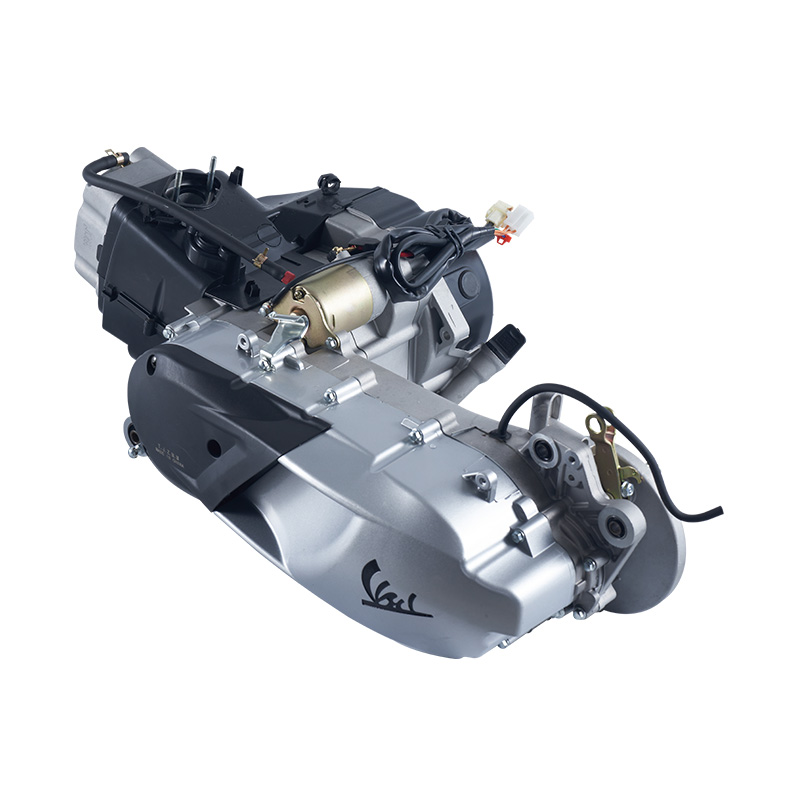
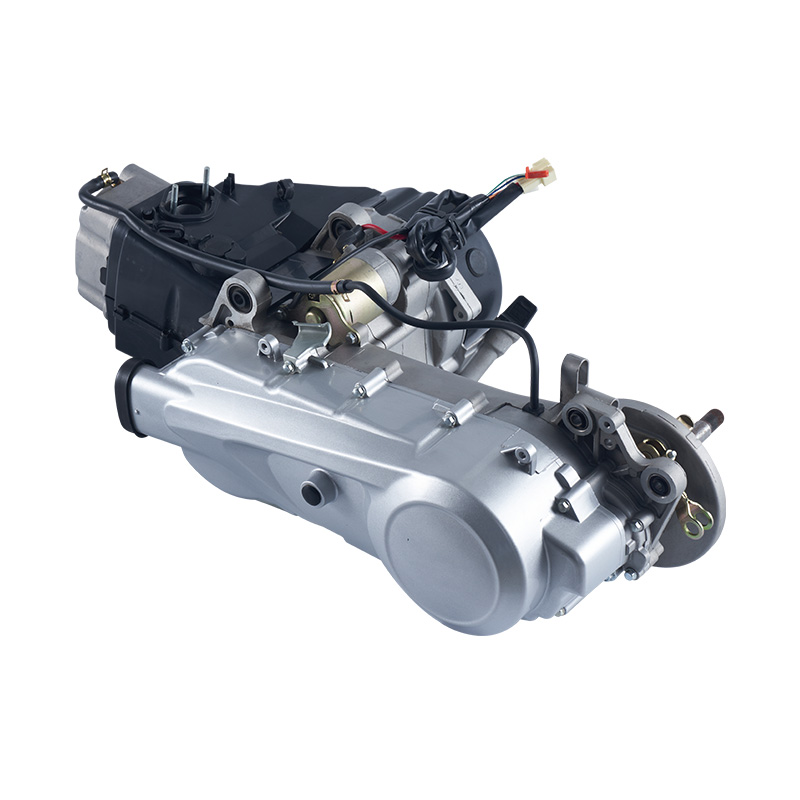
عربىNVX 4th 150cc Liquid-Cooled Electronic Fuel Injection High-Performance Scooter Motorcycle
The 4th Generation NVX 150cc, a high-performance liquid-cooled fuel-injected scooter motorcycle has been meticulous...
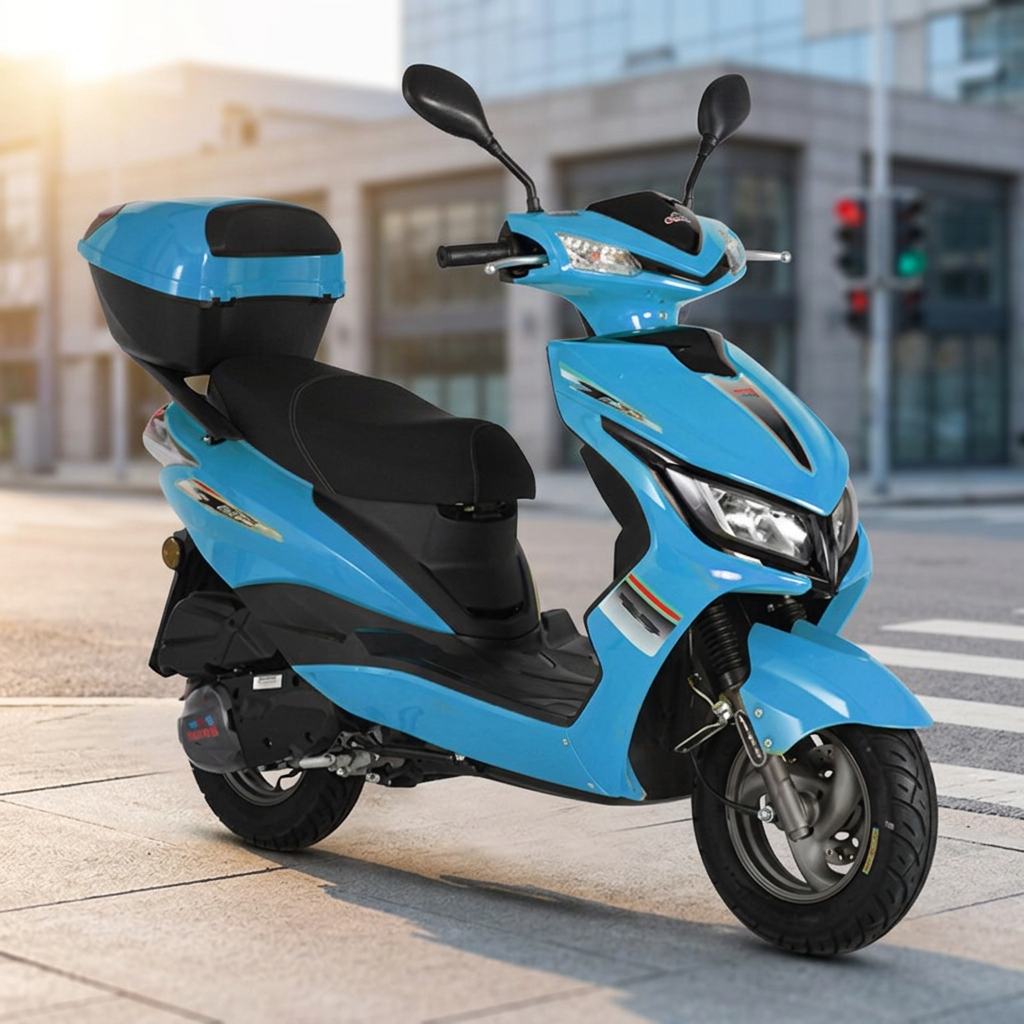
The scooter motorcycle market is changing as riders look for practical transportation that fits different daily needs. Fuel use, riding comfort, maintenance, storage, and urban mobility are all genuinely part of the buying decision made at a dealership. As manufacturers explore new ways to improve these areas, hybrid technology is becoming a genuinely interesting direction for scooter motorcycle design.
A Hybrid Scooter Motorcycle combines a conventional engine with an electric drive system working alongside it. This changes how power can get delivered during different parts of a ride through busy streets. It also creates genuinely new possibilities for manufacturers that want to respond to changing expectations without moving entirely away from familiar scooter designs riders already trust.
The effect of hybrid technology goes genuinely beyond the engine area alone. It can influence starting behavior, acceleration, riding feel, fuel use, component arrangement, and even the way customers compare different scooter models parked side by side in a showroom.
A Hybrid Scooter Motorcycle uses more than one source of propulsion within the same vehicle frame. A conventional engine can work together with an electric motor to support movement under different riding conditions encountered on a commute.
The exact design can vary genuinely between products on the market. Some systems may use electric assistance during acceleration alone, while others may allow the engine and electric system to work together according to riding conditions as they change block to block.
This arrangement gives manufacturers another way to balance familiar engine operation with electric assistance layered on top.
| Hybrid Element | General Role |
|---|---|
| Conventional engine | Provides familiar engine-based propulsion |
| Electric motor | Adds electric assistance when required |
| Energy storage system | Stores electrical energy for the drive system |
| Control system | Coordinates the different power sources |
| Battery management components | Help monitor electrical operation |
The rider doesn't necessarily need to understand how every component works under the seat. What genuinely matters from a user perspective is how the combined system affects everyday riding through traffic.
Scooters are often used in environments where frequent starting, stopping, and speed changes are genuinely common throughout a commute. These conditions create genuine opportunities for different power systems to work in different ways depending on the moment.
Electric assistance can prove useful during situations where smooth and controlled movement genuinely matters, like easing off a light. The conventional engine can continue providing propulsion when longer travel or sustained operation genuinely requires it out on the open road.
This combination may give manufacturers genuinely more flexibility when designing scooters for different riding environments across a city.
Urban riders may value smooth movement weaving through busy streets. Commuters may pay attention to operating convenience during a daily grind. Other users may focus on storage, maintenance, or overall ownership requirements over the years they keep the bike.
Hybrid technology gives the scooter industry another design path for addressing these genuinely varied expectations.
The riding experience is one of the areas where hybrid technology can become genuinely noticeable to the person on the seat. A conventional scooter depends mainly on its engine for propulsion at every stage. A hybrid model can use electric assistance to support certain parts of the ride instead.
This may change how the scooter responds when moving away from a stop or adjusting speed in traffic weaving between cars.
Smooth power delivery can also affect rider comfort considerably over a long ride. A scooter that responds naturally to throttle input can feel genuinely easier to control during routine travel through a busy intersection.
The change doesn't necessarily mean every rider will experience the same benefits, though. Riding habits, road conditions, vehicle design, and the way the hybrid system gets configured all influence the final experience felt on the seat.
Manufacturers therefore need to consider the complete riding environment, rather than focusing only on the addition of an electric motor bolted in.
Urban transportation creates a genuinely particular set of challenges for any vehicle. Traffic can involve repeated stops, short journeys, crowded roads, and changing speeds block by block. Scooters already fit many of these conditions because of their compact form and easy handling through tight gaps.
A hybrid system can add another layer of flexibility on top of that. Electric assistance may get used during certain low-speed or starting situations at a light, while the engine can support continued travel when conditions change on an open stretch.
This approach can help manufacturers develop scooters that suit genuinely mixed urban routes covering both crawling traffic and open roads.
| Urban Situation | Potential Hybrid Role |
|---|---|
| Frequent stops | Electric assistance may support smoother movement |
| Starting from intersections | Motor assistance can support initial movement |
| Slow traffic | Different power sources can respond to changing conditions |
| Open urban roads | Engine operation can support continued travel |
| Mixed routes | The system can combine different forms of propulsion |
The value of this approach depends genuinely on how the vehicle is designed and how riders actually use it day to day.
Fuel consumption is a genuinely important consideration for many scooter buyers weighing options at a dealership. Hybrid technology can influence this area by allowing electric assistance to share some of the work normally handled by the engine alone.
The potential effect depends genuinely on riding conditions and system design chosen by the manufacturer. Frequent acceleration, stopping, and changes in speed create genuinely different operating demands from steady travel down a highway.
A hybrid system can respond to these changing conditions by using the available power sources in different ways depending on the moment.
This doesn't mean every Hybrid Scooter Motorcycle will provide the same fuel-use experience across the board. Product design, riding behavior, vehicle weight, road conditions, and maintenance all remain genuinely relevant to the outcome.
For buyers, it can prove genuinely more useful to consider how the complete vehicle is intended to operate, rather than focusing on the word "hybrid" printed on a brochure alone.
For a Scooter Motorcycle Company, hybrid technology can influence product development across several areas of the design process. Manufacturers need to consider how the engine, electric motor, battery system, frame, cooling arrangement, controls, and storage areas genuinely work together under one frame.
This can affect the layout of the entire scooter considerably. A hybrid model may require genuinely different internal space planning from a conventional scooter built around one power source. Designers also need to consider access for maintenance and inspection down the road.
Product development may therefore become genuinely more focused on system integration rather than individual parts.
| Development Area | Design Consideration |
|---|---|
| Power system | How different propulsion sources work together |
| Frame layout | Where additional components can be positioned |
| Battery placement | How storage space and balance are affected |
| Cooling | How heat from different components is managed |
| Controls | How the rider interacts with the combined system |
| Maintenance | How technicians can inspect relevant components |
These decisions can genuinely shape the practical character of the finished scooter riders eventually take home.
Hybrid technology can genuinely influence more than propulsion alone. A scooter has genuinely limited space under its body, so adding new components requires genuinely careful arrangement worked out early in development. Battery placement, motor location, wiring, cooling parts, and control units all need to fit within the vehicle without making everyday use unnecessarily complicated for the rider.
Storage is another genuine consideration worth weighing carefully. Many scooter riders genuinely value under-seat storage and other convenient carrying areas for groceries or a helmet. If internal components occupy space that was previously available for storage, manufacturers may need to genuinely rethink the layout from scratch.
Weight distribution can also genuinely influence handling out on the road. Designers need to consider how the added electrical system interacts with the existing structure holding it together. A well-planned arrangement can help maintain a familiar scooter form while accommodating genuinely new technology underneath.
A Liquid Cooled Scooter uses a liquid-based cooling system to help control engine temperature during operation on a hot day. Hybrid technology can genuinely exist alongside this type of engine design without conflict. The two concepts address genuinely different areas of vehicle operation entirely.
Liquid cooling focuses on managing engine heat generated during a ride. Hybrid technology focuses on combining different sources of propulsion working together. This means a hybrid scooter can use a liquid cooled engine while also incorporating an electric motor and battery system alongside it.
The combination may prove useful when manufacturers want to maintain a familiar engine architecture while introducing electric assistance on top of it.
The cooling system still needs to genuinely match the overall vehicle design chosen. Additional electrical components may also create their own heat-management requirements, depending on the system installed. This makes internal layout and thermal management genuinely important parts of hybrid scooter development from the start.
Maintenance may become genuinely more varied as scooter systems become genuinely more complex under the hood. A conventional scooter already requires attention to its engine, brakes, tires, transmission components, fluids, and electrical parts during a routine service. A hybrid model can add additional components that require genuine inspection on top of that.
This doesn't automatically mean maintenance becomes genuinely difficult for a shop to handle. Much depends on product design, component access, service procedures, and technician training already in place.
Manufacturers can make maintenance genuinely more practical by considering service access during product development from the earliest sketches. Component access matters so technicians can reach relevant parts without unnecessary disassembly during a routine visit. Clear system separation helps too, so different components can get inspected according to their functions on the bike. Suitable protection around electrical components supports normal vehicle use through rain or dust. Service information that helps technicians understand the system layout rounds out the list worth building in.
These considerations can genuinely influence ownership experience as much as the propulsion system itself does.
Hybrid technology can add genuinely new questions to the scooter buying process at a dealership. A buyer may want to understand how the vehicle behaves in city traffic, how the two power sources interact under the seat, how maintenance gets handled down the road, and whether the design still provides the storage and comfort expected from a scooter.
Different buyers may also have genuinely different priorities shaping their decision. A commuter may focus on everyday convenience getting to work on time. A delivery user may care genuinely about repeated operation across a long shift. A recreational rider may pay genuinely more attention to riding feel and handling on a weekend ride.
| Buyer Consideration | Question to Ask |
|---|---|
| Riding environment | Where will the scooter normally be used? |
| Power delivery | How does the vehicle respond during acceleration? |
| Storage | Does the hybrid layout preserve useful carrying space? |
| Maintenance | Can service points be accessed conveniently? |
| Comfort | Does the vehicle suit regular riding habits? |
| System operation | How do the engine and electric drive work together? |
This type of evaluation can help buyers genuinely look beyond the hybrid label printed on a brochure alone.
Manufacturing processes may also genuinely change as hybrid systems become part of scooter production on the assembly line. A conventional scooter assembly process is built around established engine, frame, electrical, and body components moving down the line in sequence. Hybrid models require genuinely additional coordination between mechanical and electrical systems working side by side.
Assembly teams may need to manage genuinely different component relationships not present before. Quality checks can also cover areas that were genuinely less important in conventional scooter production previously. Electrical connections, battery installation, control components, and system communication may become genuinely part of routine inspection on the line.
For a Scooter Motorcycle Company, this can encourage genuinely closer cooperation between design, production, quality control, and service teams working across departments.
The manufacturing process therefore becomes genuinely part of the wider shift toward integrated scooter technology across the industry.
Technology doesn't develop separately from consumer behavior observed on the street. People use scooters in genuinely many different ways depending on their day. Some riders travel short distances through busy streets to a nearby office. Others combine urban roads with longer routes out to the suburbs. Some use scooters for work deliveries, while others use them mainly for personal transportation on weekends.
These habits can genuinely influence what manufacturers choose to develop next season. A hybrid system that works well for stop-and-go traffic may have a genuinely different appeal from one designed around longer journeys on the highway.
Manufacturers can therefore study how riders actually use scooters day to day and consider which situations create genuinely meaningful opportunities for electric assistance to shine. This user-focused approach can help prevent unnecessary features from becoming part of a vehicle simply because the technology happens to be available on paper.
Hybrid technology can create genuine opportunities across several parts of the scooter market worth exploring. Manufacturers can explore different combinations of engine types, electric assistance, vehicle layouts, and user-focused features tailored to real riding habits.
This may also encourage genuinely new product categories sitting between conventional scooters and fully electric vehicles on the showroom floor. For companies, the challenge isn't simply adding an electric system and calling it done. The complete vehicle needs to remain genuinely practical for its intended users riding it every day.
A successful product concept depends genuinely on how well propulsion, comfort, storage, maintenance, handling, and design work together as one whole. This creates genuine room for manufacturers to develop different approaches, rather than following one fixed formula copied across the lineup.
The development of hybrid scooters may gradually change how people think about everyday motorcycle transportation across a city. A scooter can continue using familiar engine technology while adding electric assistance where it genuinely fits the riding situation encountered that day.
This creates a genuine middle ground between traditional engine-powered scooters and fully electric models sitting at opposite ends of the lot. For riders, the change may appear through smoother operation, different control behavior, new maintenance considerations, and changes in vehicle layout noticed the first time they take it out.
For manufacturers, the shift can influence product planning, manufacturing processes, service requirements, and buyer communication across every department involved.
The Hybrid Scooter Motorcycle therefore represents genuinely more than a combination of two power sources bolted together. It reflects a genuinely broader change in how scooter manufacturers can approach everyday transportation, giving the market another way to connect familiar vehicle designs with evolving mobility needs on the street.
E-mail: [email protected]
Tel: +86-13806579227/+86-576-88011088
ADD: Hongjiachaiyang Industrial Zone, Jiaojiang District, Taizhou City, Zhejiang Province, China
China Scooter Motorcycle Manufacturer & Factory