English
  中文简体
中文简体 русский
 Español
 عربى
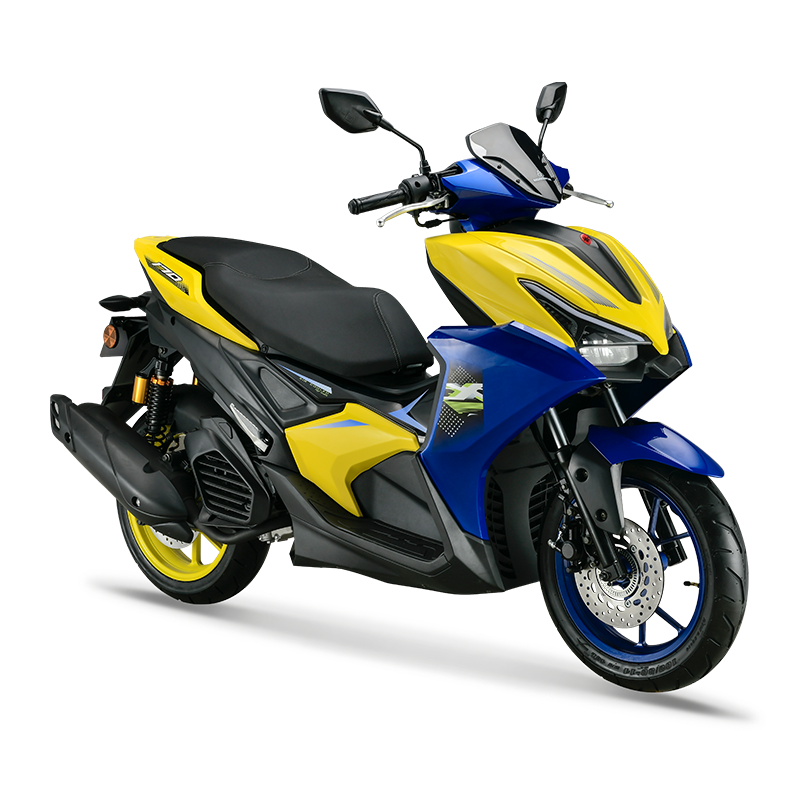
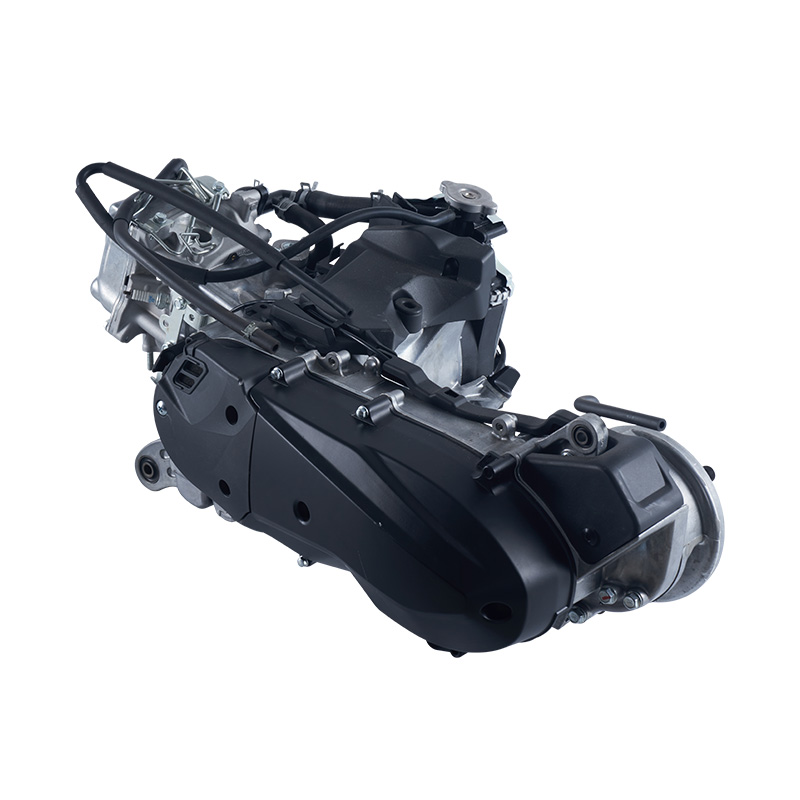
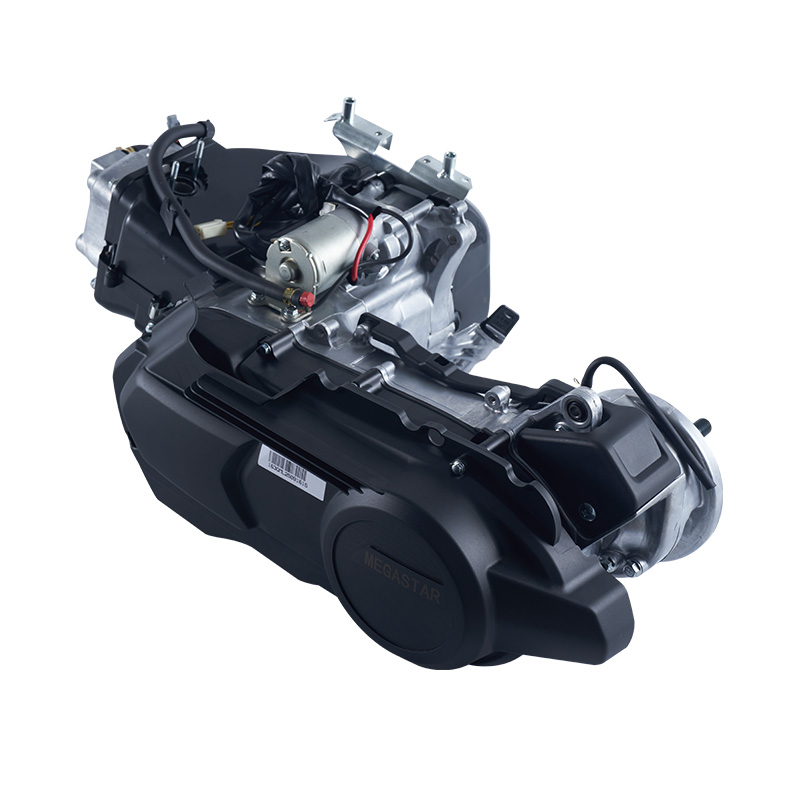
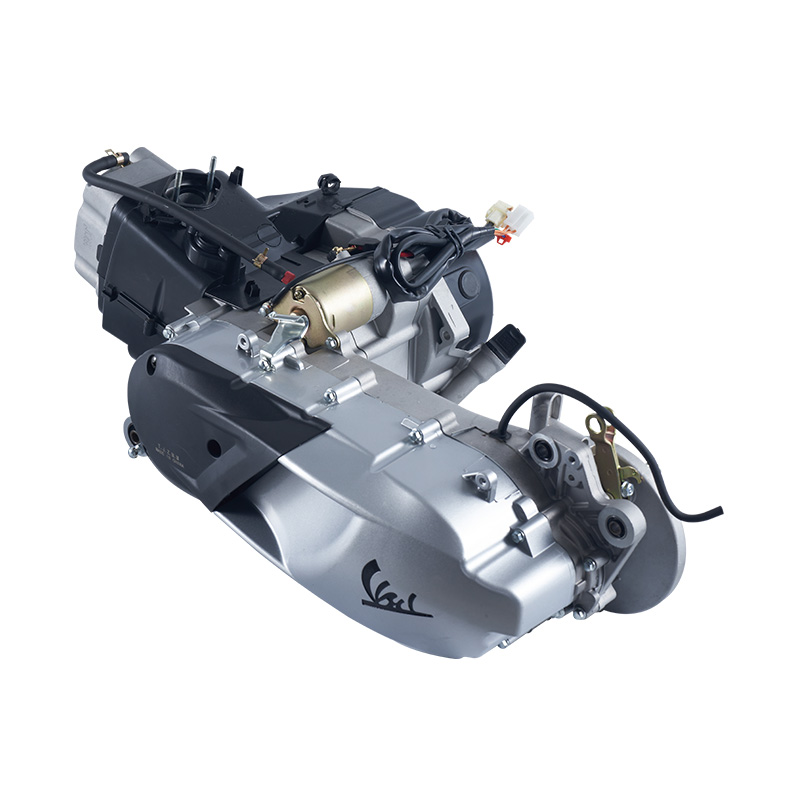
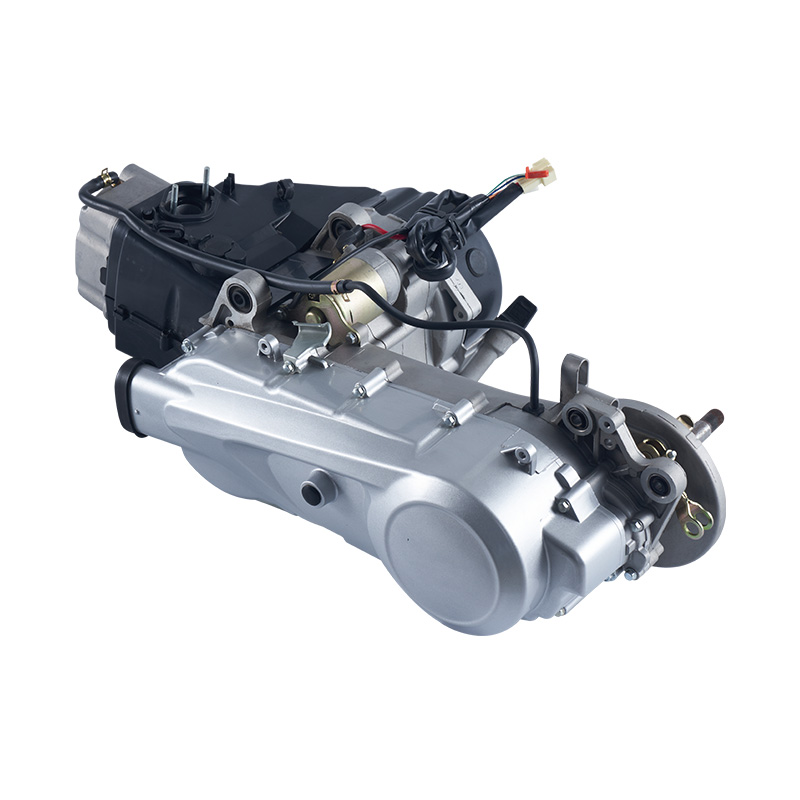
عربىNVX 4th 150cc Liquid-Cooled Electronic Fuel Injection High-Performance Scooter Motorcycle
The 4th Generation NVX 150cc, a high-performance liquid-cooled fuel-injected scooter motorcycle has been meticulous...
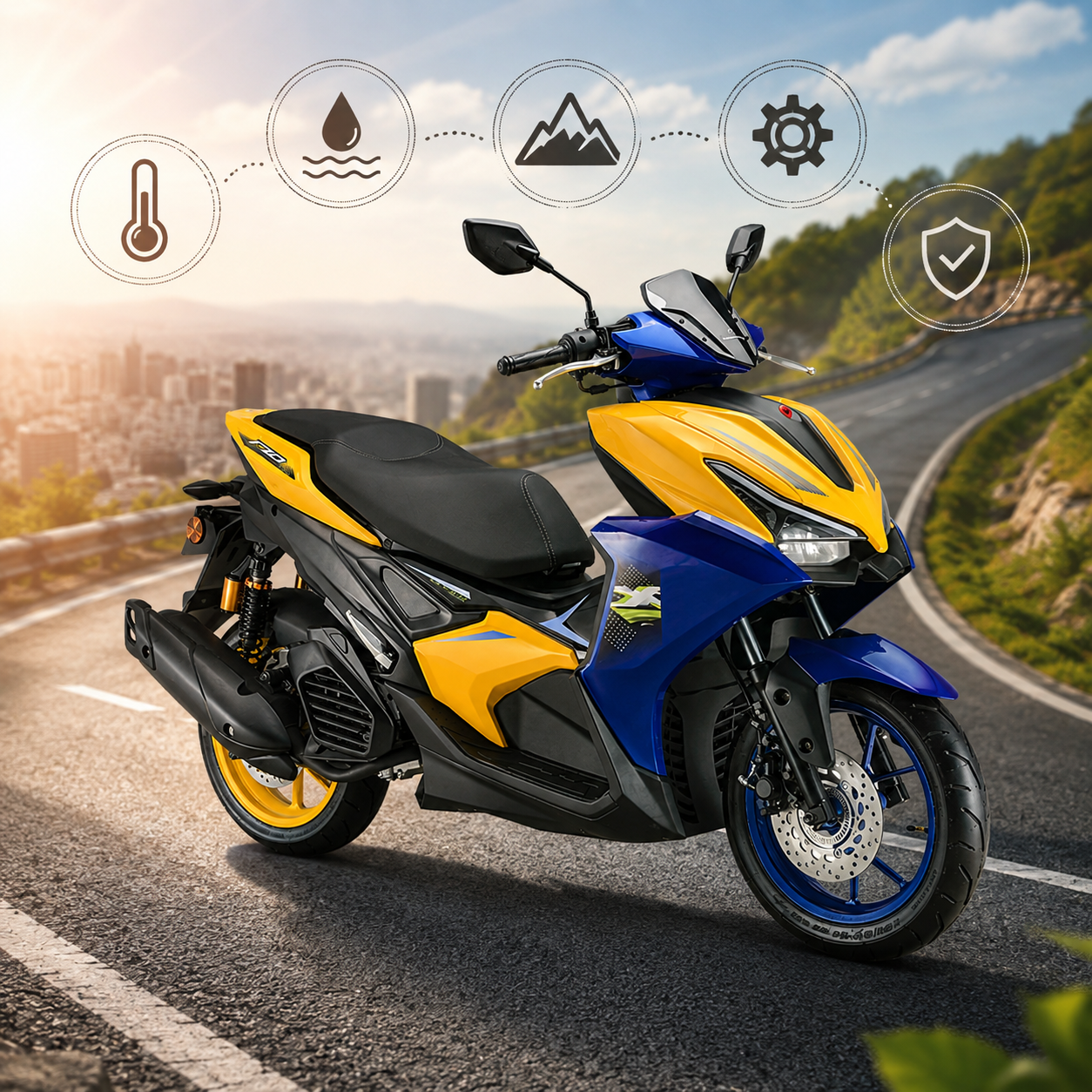
A scooter needs to overcome gravity while moving uphill, so the engine generally has to work a lot harder than it would on a similar level road. The effect becomes a lot more noticeable when the rider carries additional weight or travels with another passenger tucked behind them.
The scooter's speed may shift as the road rises, particularly when the rider tries to maintain a steady pace through the climb. Urban hills can create another challenge entirely, since riders may need to stop and start repeatedly instead of climbing at a steady speed the whole way up.
Traffic lights, intersections, pedestrians, parked vehicles, and other road users can interrupt the climb at almost any point. This creates a pattern of acceleration, slowing, and acceleration again that repeats block after block.
| Hill Riding Condition | Possible Riding Effect |
|---|---|
| Gentle slope | Gradual increase in engine effort |
| Steeper road | Greater demand during climbing |
| Stop-and-go traffic | Repeated acceleration |
| Passenger riding | Increased overall load |
| Long uphill section | Continued engine operation |
| Short steep section | Quick change in riding demand |
The important point is that hill riding isn't one single condition applied everywhere the same way. A short urban slope and a long mountain road can place genuinely different demands on the exact same scooter. Riders should therefore pay attention to how the scooter actually behaves, rather than assuming every hill will feel identical to the last one.
Engine operation creates heat, and sustained climbing can increase the amount of heat that needs managing at any given moment. A liquid cooling system helps transfer heat away from areas around the engine, so the operating temperature can remain within its intended range even under strain.
The system generally works quietly in the background while the rider focuses on the road ahead. This means riders don't need to manually control the cooling process during ordinary operation on their commute.
Instead, they should make sure the cooling system receives appropriate maintenance on a regular schedule. The coolant level, hoses, radiator area, and related components can all form part of routine inspection, depending on the scooter design in question.
A cooling system that's dirty, damaged, or poorly maintained may not work as intended once the scooter comes under sustained demand climbing a long grade. Hill riding can make an existing maintenance issue a lot more noticeable, since the engine may remain under greater load for a longer stretch of time.
| Cooling-Related Area | Why It Matters |
|---|---|
| Coolant condition | Supports normal heat transfer |
| Cooling passages | Help move heat away from the engine |
| Radiator area | Allows heat to leave the cooling system |
| Hoses | Carry coolant through the system |
| Airflow area | Supports heat release |
| Warning indicators | Can alert the rider to an abnormal condition |
The exact maintenance requirements vary between scooter designs from one model to another. Riders should follow the manufacturer's instructions and avoid opening a hot cooling system under any circumstances. If a temperature warning or other unusual sign appears during a climb, finding a safe place to stop and checking the scooter according to its instructions is a lot more appropriate than continuing to push the vehicle further uphill.
A hill changes the balance between speed, throttle input, and engine effort in ways that become obvious pretty quickly. On a level road, a scooter may maintain speed with relatively modest engine demand cruising along.
During a climb, the rider may need to apply more throttle just to maintain similar movement forward. If the road becomes steeper still, the scooter may lose speed even when the rider increases throttle input to compensate.
This is a normal result of the increased demand placed on the vehicle, not a sign something's wrong. The rider's response matters here, since aggressive throttle changes may make the ride a lot less smooth than a measured approach.
A steady input usually makes it a lot easier to manage the scooter through a continuous slope without jerky movement. The situation becomes more noticeable still when the road combines a hill with heavy traffic packed together.
A rider may need to slow down behind another vehicle and then accelerate again once space opens up ahead. Repeated changes create a genuinely different workload from a steady uphill journey with nothing in the way.
| Riding Pattern | Effect on the Scooter |
|---|---|
| Steady climb | Continuous engine effort |
| Slow traffic | Repeated speed changes |
| Stop and restart | Frequent acceleration |
| Heavy rider load | Increased climbing demand |
| Changing slopes | Variable engine effort |
For frequent hill riders, learning to anticipate these changes can make daily travel feel a lot more controlled overall. Rather than waiting until the scooter loses significant speed, riders can observe the road ahead and adjust their speed earlier, before it becomes necessary. This reduces the need for sudden reactions later on.
The scooter doesn't carry only its own weight up that hill. The rider, passenger, luggage, and other carried items all contribute to the total load the vehicle needs to move uphill against gravity.
A heavier load can make acceleration feel a lot slower and may require greater engine effort during a climb than usual. This doesn't necessarily indicate a problem with the scooter itself, though.
It reflects the basic relationship between the load and the energy required to move it forward. Riders who frequently carry luggage should also consider how the load gets positioned on the scooter.
A poorly balanced load can affect handling even when the total weight isn't particularly large in itself. The same logic applies when carrying a passenger along for the ride.
Passenger movement can influence balance during starts, stops, and changes in road direction unexpectedly. A practical approach is keeping carried items secure and distributed according to the scooter's own instructions.
| Load Situation | Riding Consideration |
|---|---|
| Rider only | More predictable handling |
| Rider with luggage | Consider load position |
| Rider with passenger | Allow for changed balance |
| Frequent heavy carrying | Monitor scooter behavior |
| Unevenly packed storage | May affect handling |
Hill riding makes these differences a lot easier to notice, since the scooter is already working against the slope on its own. The rider may therefore need to allow more space and time when accelerating or changing speed on a climb.
City hills rarely exist in isolation from everything else going on around them. They're often combined with intersections, traffic lights, narrow lanes, pedestrians, parked vehicles, and frequent changes in road direction all at once.
This means an urban slope can require constant attention, even when the climb itself is relatively short in distance. A rider may approach a hill at normal city speed and then discover traffic has slowed near the middle of the climb without warning.
The scooter then needs to maintain controlled movement at a lower speed than planned. Starting again on an incline can also feel quite different from starting on level ground at a stoplight.
The rider needs to coordinate throttle and braking smoothly, while paying attention to nearby traffic at the same time. This is where experience genuinely becomes useful on a daily commute.
Instead of focusing only on the engine, riders can look farther ahead and anticipate changes in traffic before they arrive. Good road awareness can reduce unnecessary acceleration and braking throughout the climb. It can also make the ride a lot more comfortable for passengers sitting behind. Urban hill riding therefore involves both vehicle behavior and rider decision-making working together. The scooter's cooling system may help manage heat during continued engine operation, but safe riding still depends on speed control, road awareness, and proper maintenance kept up over time.
A scooter that's regularly used on hills may feel genuinely different from one that spends most of its time on flat roads. The rider may notice more frequent throttle adjustments, slower acceleration, or greater use of the brakes on a typical trip.
These differences can influence comfort over time as they add up. A rider who expects the scooter to respond exactly the same way on every road may become frustrated when climbing starts to feel like work.
Understanding the reason for the change makes the experience a lot easier to manage day to day. Smooth control proves particularly useful when the road shifts between flat and uphill sections back and forth.
The rider can gradually adjust speed instead of making large changes in response to every shift in slope. The descent also requires attention once the top of the hill's behind them.
After climbing a hill, riders may be tempted to rely heavily on the brakes while traveling downhill on the other side. Continuous braking can create additional heat in the braking system, so riders should follow safe downhill riding practices and avoid unnecessary speed picking up.
The road surface also matters quite a bit here. Wet pavement, loose material, road repairs, or uneven surfaces can reduce available traction right when it's needed most. A hill can make these conditions a lot more noticeable, since the scooter is already responding to changes in elevation on top of everything else.
| Road Condition | Rider Focus |
|---|---|
| Dry uphill road | Smooth speed control |
| Wet slope | Reduced speed and careful braking |
| Uneven surface | Stable steering |
| Downhill section | Controlled speed |
| Busy urban hill | Traffic awareness |
The goal isn't eliminating every change in riding feel that comes with a slope. It's understanding what the scooter is doing underneath and responding calmly instead of reacting.
Frequent hill riding gives riders a genuinely good reason to pay attention to routine scooter maintenance on a regular basis. The engine, cooling system, brakes, tires, and drive components all contribute to how the vehicle handles changing loads out on the road.
A problem that seems minor during flat-road travel may become a lot more noticeable during a climb, when everything's working harder. Cooling system checks deserve particular attention here, since the engine may experience longer periods of sustained effort than on a flat commute.
The rider should follow the scooter's maintenance schedule, rather than creating some unrelated service routine of their own. Visual checks can still prove useful between scheduled services, though.
Riders can look for visible leaks, unusual sounds, damaged hoses, abnormal warning indicators, or changes in normal scooter behavior on a short ride. The tires also deserve attention, since climbing and descending both depend on suitable traction underneath.
Brakes carry equal importance, since downhill travel can place different demands on the braking system than flat roads do.
| Maintenance Area | Reason for Regular Attention |
|---|---|
| Cooling system | Supports engine heat management |
| Tires | Supports traction and handling |
| Brakes | Supports controlled slowing |
| Drive components | Transfers engine movement to the wheels |
| Battery and electrical parts | Supports normal vehicle operation |
| General inspection | Helps identify visible problems |
Maintenance should become part of normal scooter ownership, rather than something done only after a problem shows up on the road. This proves particularly useful for riders whose daily routes include repeated slopes along the way. A scooter that behaves normally on a flat road should still get inspected according to its regular service requirements, hill or no hill.
Hill riding becomes a lot easier to manage when riders plan around the road, instead of reacting to every change as it happens. Checking the route in advance can help identify long climbs, steep streets, busy intersections, or sections where stopping may prove difficult mid-slope.
Riders can then choose a suitable speed before ever reaching the slope itself. Keeping a reasonable distance from other vehicles also gives the rider more room to respond once traffic slows unexpectedly.
Sudden acceleration is rarely helpful when approaching a crowded uphill section packed with cars. Smooth throttle control can make the scooter feel a lot more predictable through the whole climb.
The same principle applies once the road becomes level again at the top. There's no need to accelerate sharply simply because the climbing demand has ended for now.
Allowing the scooter to return gradually to normal road speed can create a genuinely more comfortable transition for everyone aboard. Riders should also avoid carrying unnecessary items on regular hill routes they travel often.
Reducing unnecessary load can make the scooter a lot easier to handle on a familiar climb. If a route contains repeated steep sections, riders may benefit from choosing a path that allows more consistent movement and fewer abrupt stops along the way.
| Riding Habit | Practical Benefit |
|---|---|
| Look ahead | Allows earlier speed adjustment |
| Maintain space | Provides more reaction room |
| Use smooth throttle input | Supports stable acceleration |
| Avoid unnecessary load | Keeps handling more manageable |
| Monitor warning signs | Helps identify unusual conditions |
| Maintain the scooter | Supports reliable daily use |
Frequent hill riding doesn't mean every ride needs to feel demanding or stressful. A well-maintained Liquid Cooled Scooter can get used across changing road conditions once the rider understands how slope, load, engine effort, cooling, braking, and road conditions interact with one another. The most useful habit is treating each hill as part of the overall journey, rather than as some separate challenge to overcome, adjusting speed and riding style according to the road ahead while keeping the scooter properly maintained along the way.
E-mail: [email protected]
Tel: +86-13806579227/+86-576-88011088
ADD: Hongjiachaiyang Industrial Zone, Jiaojiang District, Taizhou City, Zhejiang Province, China
China Scooter Motorcycle Manufacturer & Factory