English
  中文简体
中文简体 русский
 Español
 عربى
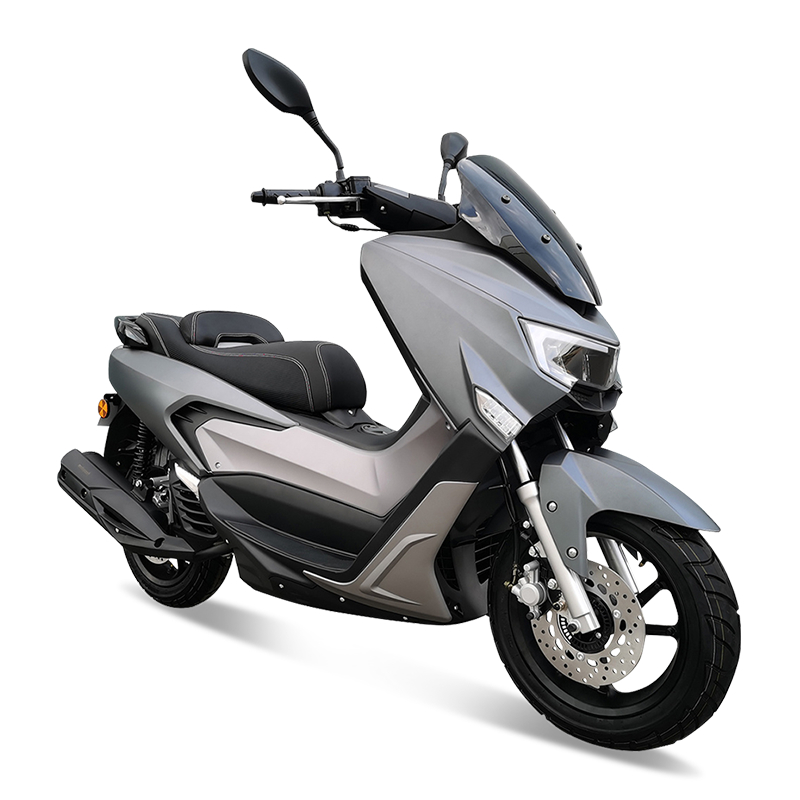
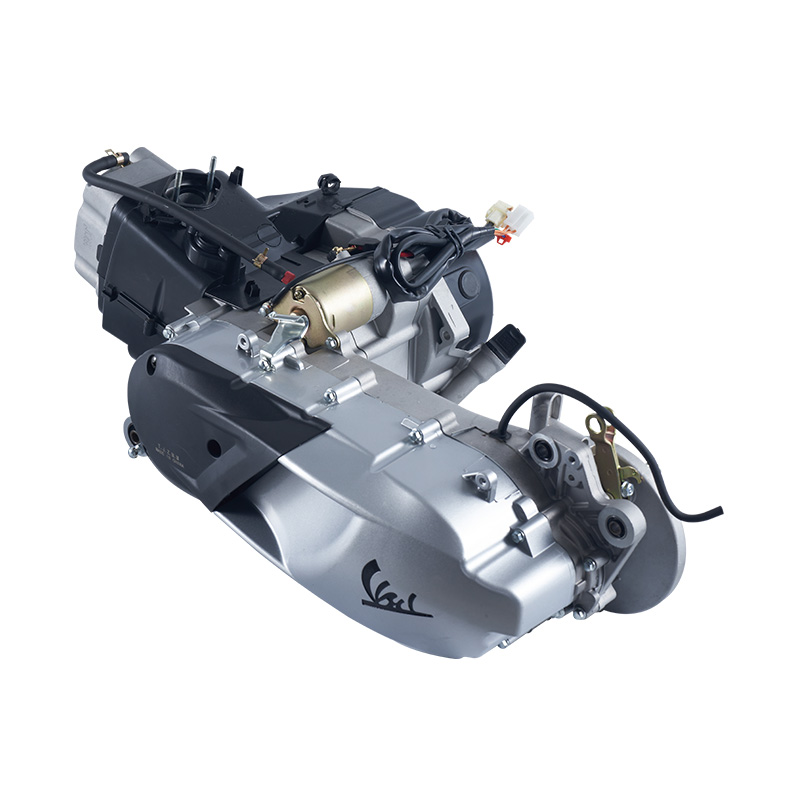
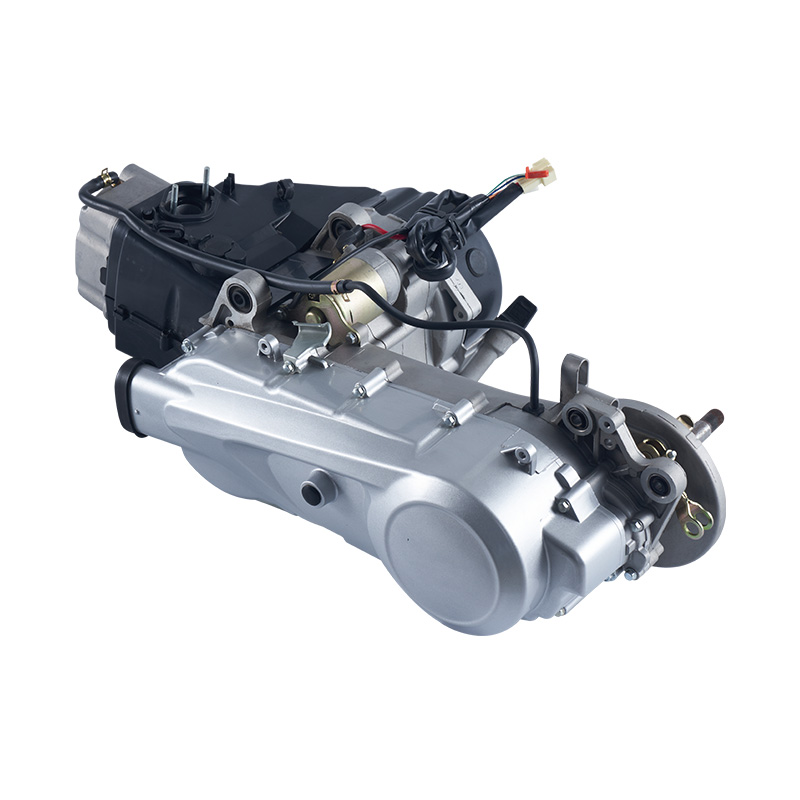
عربىNVX 4th 150cc Liquid-Cooled Electronic Fuel Injection High-Performance Scooter Motorcycle
The 4th Generation NVX 150cc, a high-performance liquid-cooled fuel-injected scooter motorcycle has been meticulous...
Fuel injection and carburetors perform a similar basic task by supplying fuel to the engine, but they manage that task in genuinely different ways under the tank. A carburetor relies on the movement of air and mechanical components to draw fuel into the engine system as it runs.
Fuel injection uses a controlled delivery system that responds to operating conditions and determines exactly when fuel should enter the engine. The difference becomes noticeable on the road, since the two approaches can create genuinely different riding characteristics from the saddle.
| Area | Fuel Injection | Carburetor |
|---|---|---|
| Fuel delivery | Controlled through an injection system | Managed through mechanical fuel mixing |
| Rider experience | Often provides consistent response | Can provide a direct mechanical feel |
| Starting | Designed for convenient starting behavior | May require more attention in some conditions |
| Adjustment | Usually managed through the vehicle system | Can involve mechanical adjustment |
| Maintenance | Focuses on the injection components and related system | Often centers on cleaning and adjustment |
Neither system deserves judgment based only on its basic construction on paper. The more useful question is how each approach fits the motorcycle's intended use out on actual roads.
Fuel delivery shapes how an engine responds the moment a rider opens or closes the throttle. A rider may notice this most during starting, acceleration, low-speed movement through a parking lot, or sudden changes in riding conditions.
A motorcycle used for daily commuting needs predictable behavior, since the rider may repeatedly cycle between stopping at lights, slowing for turns, and accelerating back into traffic. A fuel delivery system that matches these patterns can make the motorcycle feel a lot easier to operate through a typical commute.
This doesn't mean every motorcycle using the same fuel system will feel identical once you're actually riding it. Engine design, transmission arrangement, vehicle weight, throttle setup, and plenty of other factors also shape the riding experience together.
For a Fuel Injection Carburetor Motorcycle, the fuel system should therefore get considered as part of a larger vehicle design, rather than as some standalone feature listed on a spec sheet. The practical difference becomes clearer once you look at how riders actually use the motorcycle during normal trips to work or the store.
| Riding Situation | Fuel Delivery Consideration |
|---|---|
| Starting from a stop | Smooth fuel response can support easier acceleration |
| Urban traffic | Consistent response can help during repeated speed changes |
| Open-road riding | Stable delivery supports steady operation |
| Frequent stopping | Predictable throttle behavior can make riding more natural |
| Changing conditions | The system needs to respond appropriately to operating changes |
The rider doesn't usually sit there thinking about fuel delivery during every single movement of the ride. Instead, the system quietly becomes part of how the motorcycle feels beneath the rider, mile after mile.
Starting is one of the clearest moments where riders directly interact with an engine's fuel delivery system. A motorcycle may get started repeatedly during commuting, shopping trips, short errands, and other daily activities packed into one week.
Convenience at this stage can genuinely affect how the vehicle fits into a rider's routine at seven in the morning. Fuel injection systems get designed to manage fuel delivery according to the engine's operating condition, which can support a more controlled starting process on a cold morning.
Carburetor motorcycles can also provide dependable starting behavior once the system is properly maintained and adjusted for its intended application. The difference is often less about one system being universally suitable and more about how the rider actually interacts with the motorcycle day to day.
A motorcycle ridden only occasionally may have different priorities from one that starts and stops many times during a normal workday. The starting experience can also shape how riders perceive the overall vehicle sitting in their driveway.
A smooth start makes it easier to slot into traffic right away, while an inconsistent start can demand extra attention before the ride even begins. For a 150cc Gas Motorcycle, this practical aspect matters quite a bit, since smaller motorcycles get commonly tied to everyday transportation and frequent short trips around town.
Urban riding drops motorcycles into constantly shifting situations block by block. A rider may accelerate away from a traffic light, slow down for a pedestrian crossing, wait through a jam, and move again within a matter of seconds.
These repeated changes place a lot more importance on predictable engine response than a highway cruise ever would. Fuel injection can support this type of riding by managing fuel delivery as operating conditions shift underneath the rider.
The rider can focus more on reading traffic rather than fiddling with manual adjustments to the fuel system mid-ride. This becomes particularly relevant for motorcycles used for daily commuting through crowded streets.
A 150cc Gas Motorcycle intended for city travel needs to balance responsive operation with practical everyday handling on tight streets. The fuel system contributes to that experience, but it works alongside the transmission, throttle, engine design, and overall vehicle layout as a whole.
Carburetor motorcycles can also serve urban riders well, particularly where owners feel comfortable with regular mechanical care on weekends. The choice may therefore depend on the expected maintenance routine just as much as on the riding environment itself. For manufacturers, this creates an important design question worth sitting with: should the motorcycle prioritize simplified daily operation, or offer a more mechanically direct ownership experience instead? The answer depends on the intended market and how the vehicle is expected to get used week after week.
Carburetors remain genuinely relevant because they offer a straightforward mechanical approach to fuel delivery that owners can actually see and touch. Their operation ties closely to airflow, fuel flow, and physical adjustment under the seat.
This gives some motorcycles a distinctive mechanical character that riders notice right away. For riders who enjoy understanding and maintaining their own vehicles, that quality can become part of the ownership experience itself.
A carburetor also makes certain adjustments more accessible to users already familiar with mechanical maintenance from other projects. That said, this doesn't mean carburetor motorcycles require constant fiddling to stay running well.
A properly maintained system can support normal operation without the rider needing to interfere with it continually every ride. The main difference is that the rider or mechanic may have more direct involvement whenever the system actually needs attention.
| Ownership Style | Carburetor Consideration |
|---|---|
| Hands-on maintenance | Provides a familiar mechanical system |
| Simple motorcycle use | Can suit riders comfortable with basic care |
| Older vehicle maintenance | May fit existing mechanical practices |
| Personal adjustment | Allows certain mechanical settings to be changed |
| Routine commuting | Requires appropriate maintenance for consistent use |
This mechanical character is one reason carburetors keep showing up in conversations about motorcycle design at bike meets and forums alike. They represent a genuinely different approach, rather than simply an outdated stand-in for fuel delivery.
Every fuel delivery system needs appropriate maintenance, but the type of attention it calls for can differ quite a bit. Fuel injection places more attention on the injection components, electrical connections, fuel system condition, and related vehicle controls tucked under the fairing.
Carburetor systems tend to place more attention on mechanical cleanliness, fuel passages, adjustment, and physical components a mechanic can actually get hands on. The maintenance process should match the system in front of you, rather than follow some generic motorcycle routine copied from another bike.
For daily riders, this distinction can genuinely affect ownership convenience over the life of the bike. A motorcycle spending much of its time in traffic may benefit from a maintenance plan focused on consistent engine response and reliable starting every morning.
A motorcycle used mainly for recreational riding may give the owner more time to inspect and adjust mechanical components on a lazy Sunday. The key issue isn't how much maintenance one system supposedly demands compared with the other.
It's whether the rider understands what the selected system actually needs and follows the appropriate care routine for it. Manufacturers and suppliers can support this process by providing clear maintenance information and making service points practical to reach without a full teardown. For a Scooter Motorcycle Engine, this consideration becomes especially important, since scooters often handle repeated short journeys where convenient operation makes up a major part of the ownership experience.
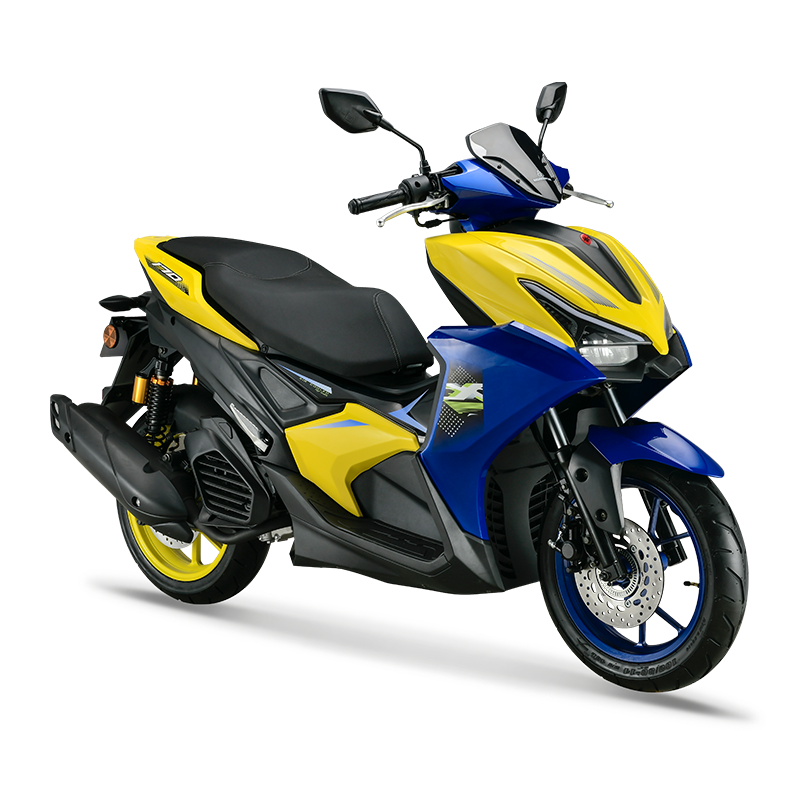
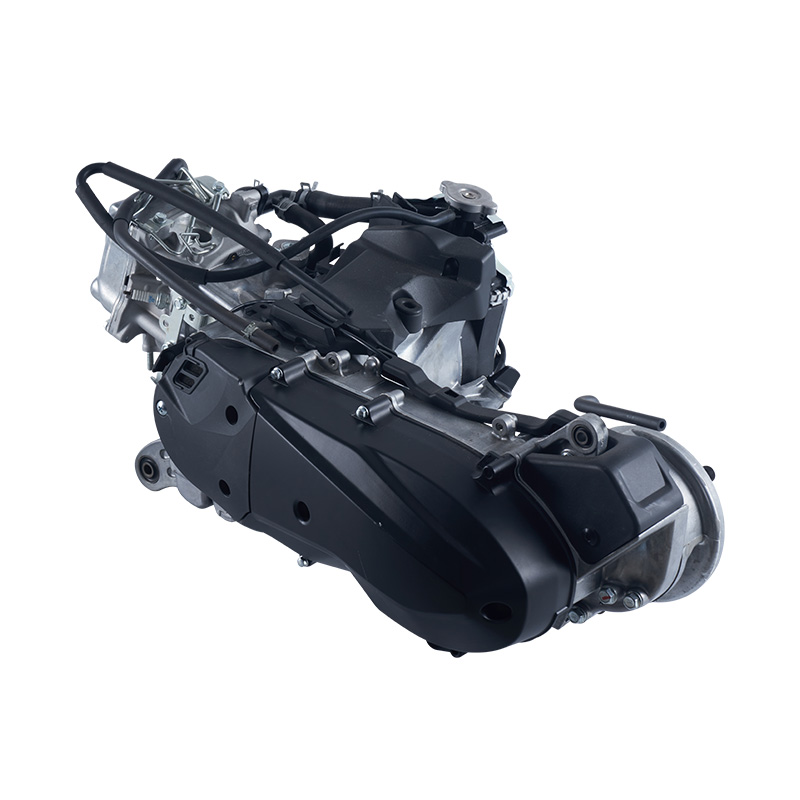
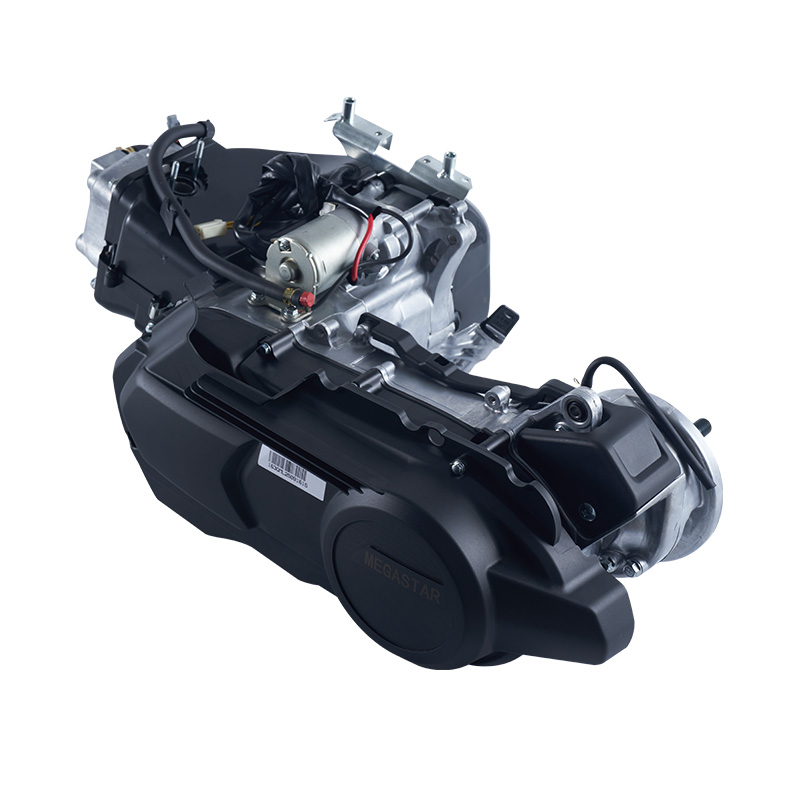
Scooters have their own operating patterns, so fuel delivery needs to fit the way these vehicles actually get ridden through city streets. A Scooter Motorcycle Engine commonly gets integrated into a vehicle designed around easy starting, frequent acceleration, stopping, and practical urban movement between errands.
The rider usually expects the vehicle to respond without needing much attention paid to the engine itself while weaving through traffic. This places emphasis on smooth interaction between the throttle, fuel delivery, engine, and transmission working together.
Fuel injection can fit this type of use well, since the system can manage fuel delivery as the engine operates under constantly changing conditions on a busy street. Carburetors can also work fine where the overall vehicle design and maintenance expectations support them properly.
The important point is that the fuel system should work with the scooter's complete operating pattern, not against it. A scooter intended for short urban journeys has genuinely different priorities from a motorcycle designed mainly for open-road travel on weekend rides.
| Vehicle Use | Fuel System Design Consideration |
|---|---|
| Daily commuting | Predictable operation during frequent stops |
| Short trips | Convenient starting and response |
| Urban mobility | Smooth changes in engine operation |
| Recreational riding | Rider feel and maintenance preferences |
| Shared vehicle use | Simple and consistent operation |
This broader view helps explain why fuel system choices vary across motorcycle categories sold in showrooms. The engine may share a similar basic purpose across models, but the surrounding vehicle changes how that engine actually gets used day to day.
Comparing motorcycles by fuel system alone can leave buyers with an incomplete picture before signing anything. A Fuel Injection Carburetor Motorcycle should get evaluated according to how the fuel system fits the engine, riding environment, maintenance expectations, and personal rider preferences.
A commuter may care mostly about easy starting and predictable response through morning traffic. A mechanically inclined owner may place more value on accessible adjustment and direct interaction with the fuel system on a weekend project.
A buyer considering a 150cc Gas Motorcycle may also need to think through whether the motorcycle will mainly handle city trips, mixed riding, or occasional weekend travel. The same comparison applies just as well to scooters parked outside an apartment.
A Scooter Motorcycle Engine needs to work naturally with the scooter's controls and transmission arrangement, rather than getting judged only through the fuel delivery method on a spec sheet. A useful comparison can focus on several practical questions worth asking a dealer directly.
How does the motorcycle respond during normal acceleration away from a stop?
How does it behave during repeated stopping and starting in traffic?
What type of maintenance does the fuel system actually require?
How comfortable is the owner with mechanical adjustment on weekends?
Does the fuel system suit the intended riding environment?
Is the motorcycle designed around the rider's expected daily routine?
These questions shift attention away from simple labels printed on a brochure. They also help buyers understand why two motorcycles with similar engine sizes can deliver noticeably different ownership experiences once the miles start adding up.
Motorcycle manufacturers continue balancing rider expectations with the practical demands of vehicle design on the drawing board. Fuel delivery plays a part in this process, since it affects how the engine interacts with the rider on every single ride.
Product development therefore looks well beyond the fuel system on its own. Engine response, throttle feel, starting behavior, maintenance access, vehicle packaging, and everyday usability all need to work together as one coherent package.
For a 150cc Gas Motorcycle, this can mean selecting a fuel delivery approach that fits the vehicle's intended role, rather than simply following a general market preference of the moment. For scooters, the same thinking applies to the Scooter Motorcycle Engine and its surrounding systems built around it.
Manufacturers also need to weigh the expectations of different ownership groups walking into a showroom. Some riders want a straightforward commuting experience with no fuss involved. Others genuinely enjoy a more hands-on relationship with their motorcycle out in the garage. Some buyers prioritize easy daily operation above all else, while others pay closer attention to mechanical design and service routines they can perform themselves.
This variety keeps both fuel injection and carburetor systems relevant in ongoing discussions about motorcycle development. The fuel system remains only one part of the vehicle, but its influence can be felt every single time the motorcycle starts, accelerates, slows, and moves through changing riding conditions on the road.
Fuel injection and carburetors offer different approaches to motorcycle fuel delivery, but neither should be considered in isolation from the vehicle around it. Starting behavior, throttle response, maintenance routines, riding conditions, engine design, and rider preferences all shape how a motorcycle feels in everyday use. Whether the vehicle is a Fuel Injection Carburetor Motorcycle, a 150cc Gas Motorcycle, or a scooter built around a Scooter Motorcycle Engine, the practical choice comes down to matching the fuel system with the way the motorcycle is expected to operate and the type of ownership experience the rider wants.
E-mail: [email protected]
Tel: +86-13806579227/+86-576-88011088
ADD: Hongjiachaiyang Industrial Zone, Jiaojiang District, Taizhou City, Zhejiang Province, China
China Scooter Motorcycle Manufacturer & Factory