English
  中文简体
中文简体 русский
 Español
 عربى
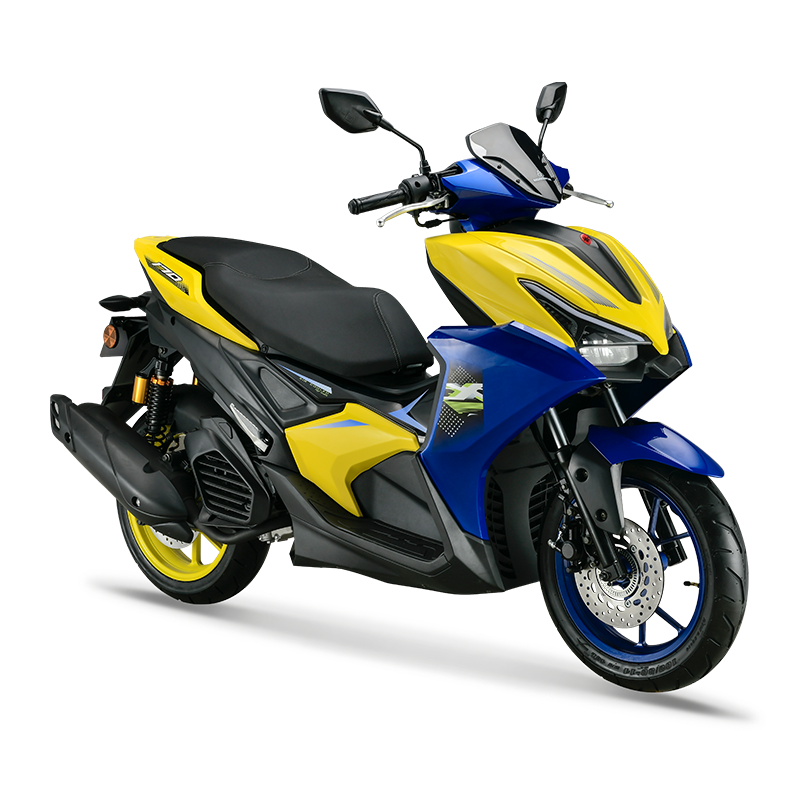
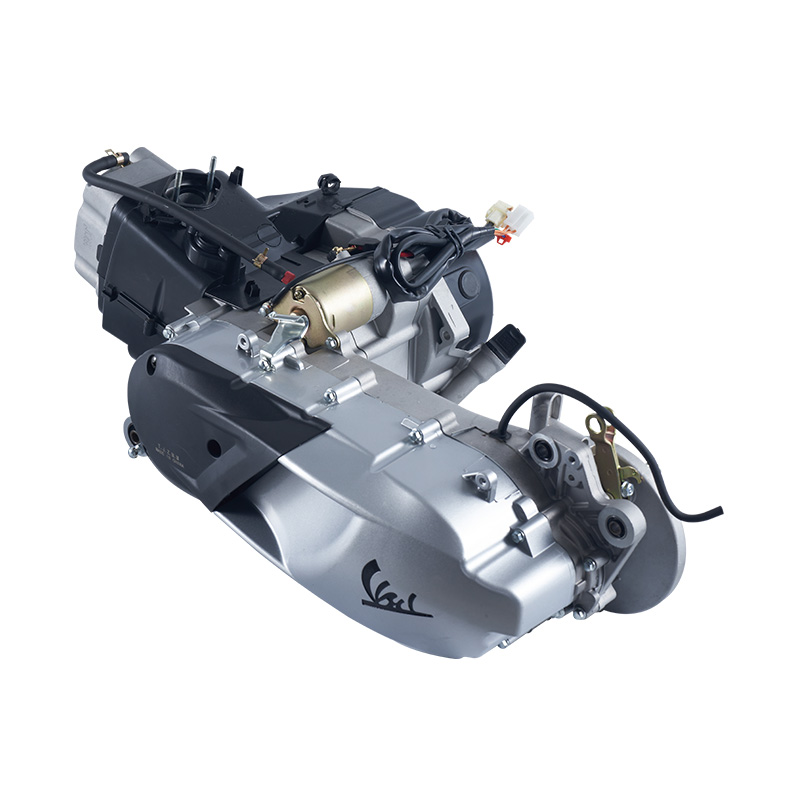
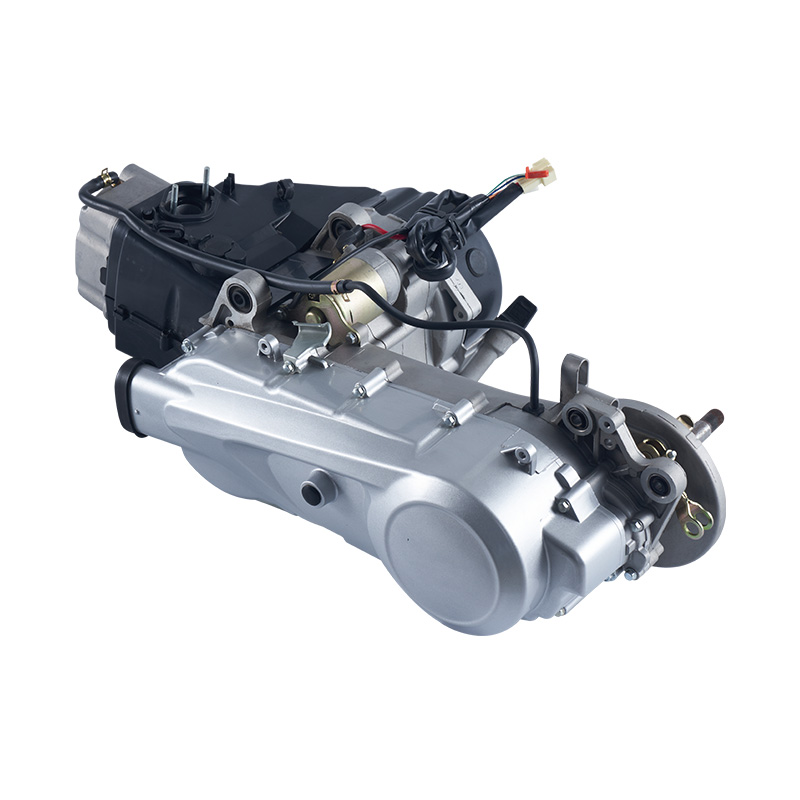
عربىNVX 4th 150cc Liquid-Cooled Electronic Fuel Injection High-Performance Scooter Motorcycle
The 4th Generation NVX 150cc, a high-performance liquid-cooled fuel-injected scooter motorcycle has been meticulous...
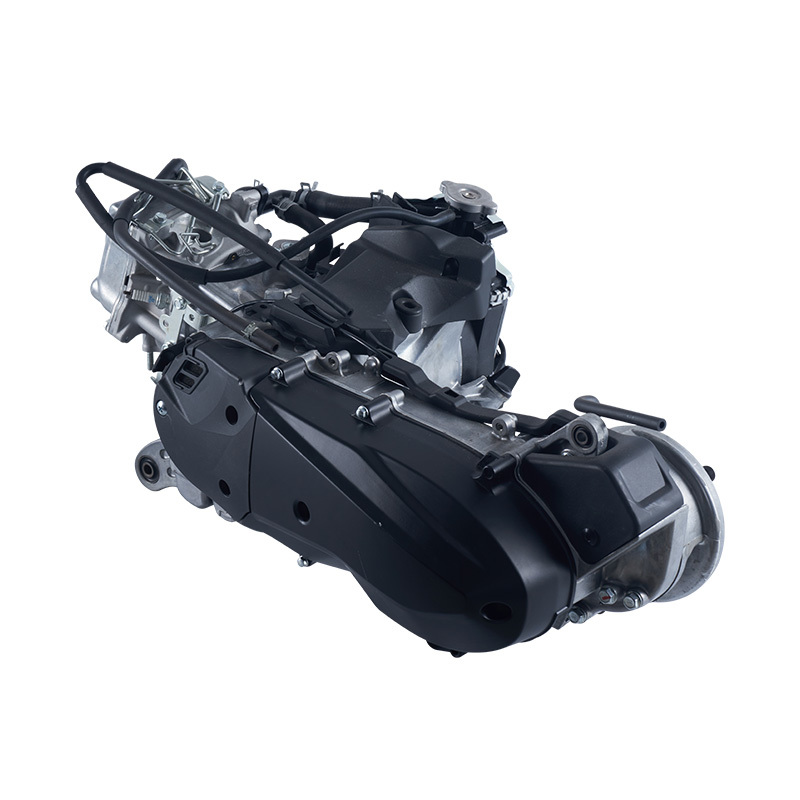
Modern scooters get built around more than just engine size on a spec sheet. A scooter has to balance daily mobility, rider comfort, storage space, body shape, cooling needs, and how easy it is to maintain, all within one compact vehicle that fits between cars in a traffic jam.
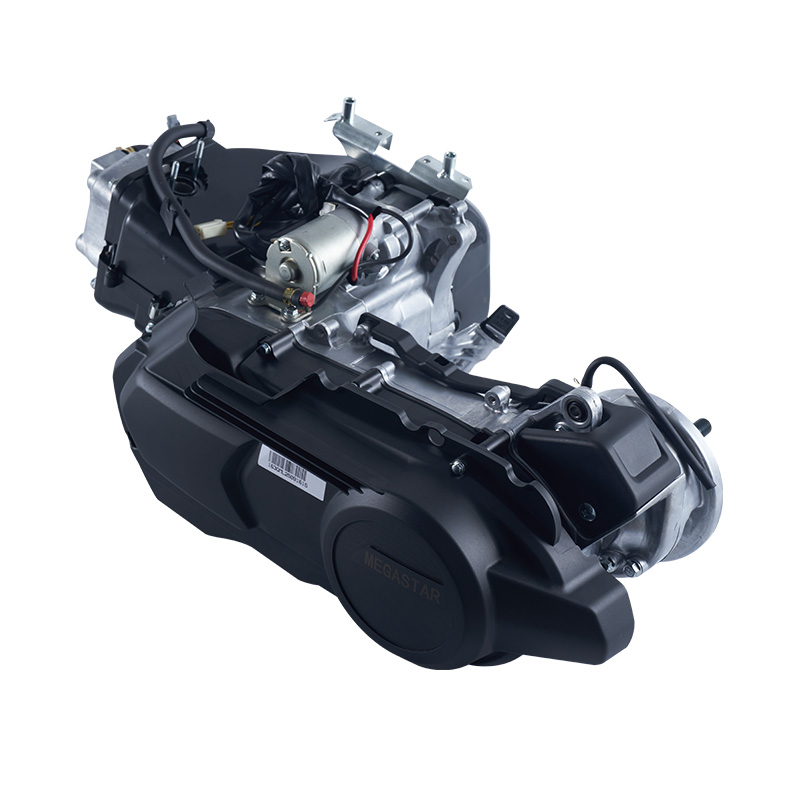
The engine sits at the center of that arrangement, but its shape and supporting systems ripple outward into how the rest of the scooter gets designed. A 150cc Water Cooled Engine fits this kind of vehicle by pairing a moderate engine displacement with a liquid cooling system, producing a layout that suits everyday commuting and general urban travel.
Liquid cooling changes how designers think about available space too. The engine needs supporting parts for coolant circulation and heat management, and those parts have to squeeze into the existing frame and body without turning routine riding into a hassle.
This makes engine integration a genuinely important part of scooter development rather than an afterthought. The engine, cooling system, frame, body panels, intake arrangement, exhaust system, and rider position all need to work as one coordinated system instead of getting bolted together as separate pieces.
Engine displacement shapes how a scooter gets positioned for daily use. A 150cc engine sits comfortably between smaller urban scooters and larger motorcycles, giving designers room to build something aimed squarely at regular commuting through mixed road conditions.
A 150cc Water Cooled Engine works well where a vehicle needs both a practical size and usable performance for stop-and-go traffic. The actual riding feel still depends on the complete vehicle design, including transmission choice, overall weight, gearing, and how the engine gets calibrated.
| Design Area | Role in Scooter Development |
|---|---|
| Engine displacement | Influences vehicle positioning |
| Engine layout | Determines available installation space |
| Cooling system | Helps manage engine heat |
| Frame structure | Supports major vehicle components |
| Body design | Provides protection and visual form |
| Rider position | Influences comfort and control |
This displacement class supports a range of different scooter concepts. Some models lean toward straightforward commuting, while others get styled for longer urban rides or a riding feel closer to a small motorcycle, so the engine needs to fit the intended use rather than dictate the entire vehicle concept on its own.
A compact engine area also frees up room for designers around the seat, floor space, storage compartments, and body panels. That relationship between components matters a lot in scooters specifically, since available space stays tight and every part needs to fit without adding unnecessary weight or eating into practical usability.
A liquid cooling system relies on a cooling medium to carry heat away from the engine, which works differently from designs that depend mostly on airflow passing around the engine block. Think of the difference between a car radiator and a lawnmower engine cooling in open air — the approach changes everything downstream.
For a Liquid Cooled Scooter, the cooling system becomes woven into the vehicle layout from the start. The engine needs to connect properly with cooling components, and designers have to carve out suitable routes for coolant along with space for related parts.
The arrangement can include areas such as:
The exact layout shifts from one scooter design to the next. The radiator needs access to decent airflow, while the engine and other components still need protection from road debris kicked up during a rainy commute.
Body panels can get shaped to guide air toward the cooling area while keeping the scooter's overall look intact. That creates an interesting design tension, since the cooling system has to actually work while staying visually out of the way rather than dominating the scooter's appearance.
Designers often tuck these components behind or within the bodywork so the finished vehicle looks clean from the outside. Placement still needs to allow reasonable access for inspection and routine maintenance, though, since a compact layout that looks great in photos becomes a headache if a mechanic has to disassemble half the scooter just to check the coolant level.
A Water Cooled Scooter juggles two competing needs at once. The cooling system needs enough room to actually do its job, while the scooter itself needs to stay compact enough to squeeze through city traffic and fit into a tight parking spot.
That tension shapes where the radiator and related components can realistically go.
| Layout Requirement | Design Question |
|---|---|
| Airflow | Can cooling components receive suitable airflow? |
| Protection | Are exposed parts reasonably protected? |
| Space | Can components fit without crowding the vehicle? |
| Service access | Can routine checks be performed conveniently? |
| Body integration | Can cooling parts fit naturally into the exterior? |
The answer depends heavily on the frame and body structure underneath. A scooter built around a liquid cooled engine might use front body openings or internal air channels to feed the cooling system, and these areas can blend into the overall styling instead of sticking out as obvious add-ons.
Radiator position also shapes front-end design in ways that ripple outward. If cooling components take up space near the front section, designers need to think through how the radiator relates to steering movement, body panels, and front suspension all at once, since these parts practically compete for the same real estate.
The same balancing act plays out around the engine itself. It needs enough surrounding room for movement, heat management, wiring, hoses, and future maintenance work, so designers can't just drop the engine wherever there happens to be an open gap. Modern scooter design ends up being partly an exercise in fitting many small, competing spaces into one functional vehicle that still rides smoothly.
Urban riding means constant changes in speed and direction throughout a normal commute. Riders weave through narrow streets, stop at every other intersection, squeeze into compact parking spots, and crawl through heavy traffic during rush hour.
A 150cc Water Cooled Engine fits into a scooter built for these conditions by keeping the overall vehicle practical for everyday transportation rather than optimized for track days. Engine placement touches several parts of the daily riding experience in ways that aren't always obvious at first glance.
Where the engine sits affects the vehicle's weight distribution, floor design, seat height, and how much storage space remains available. These details matter a lot for commuters, since they interact with the same scooter every single day, not just on weekends.
| Urban Requirement | Related Design Area |
|---|---|
| Easy maneuvering | Vehicle balance and layout |
| Comfortable seating | Seat and frame arrangement |
| Daily carrying | Storage design |
| Frequent stops | Engine and cooling integration |
| Easy parking | Overall vehicle dimensions |
Commuters value convenience above almost everything else. A scooter needs to start easily, respond predictably, park without drama, and stay manageable to maintain over the years, and the engine layout shapes how the rest of the vehicle can be arranged around all of that.
A liquid cooling system tends to add a few more components compared to a simpler air-cooled setup, so designers have to use the available space with real care. The end result, done well, is a scooter where the cooling system feels baked into the body from the start rather than tacked on after the basic vehicle was already finalized.
The phrase Scooter Liquid Cooled describes a cooling approach rather than locking designers into one particular scooter style. A liquid cooled engine can slot into different body shapes and riding concepts depending on what the manufacturer is actually going for.
A commuter scooter might use a practical, upright layout built for comfort on daily rides, while another model built on the same cooling principle might lean toward a sportier appearance and riding feel. The underlying cooling requirements stay fairly similar across both, but how the components get arranged can shift quite a bit.
Bodywork might route airflow differently depending on where the radiator sits, and storage areas can change based on the frame and engine layout chosen for that particular model.
| Scooter Style | Possible Design Focus |
|---|---|
| Urban commuter | Practical storage and easy handling |
| Sport-oriented scooter | Integrated body styling |
| Touring-oriented scooter | Rider comfort and carrying space |
| Utility scooter | Simple access and everyday practicality |
A Liquid Cooled Scooter can develop around genuinely different user expectations this way. Engine displacement plays into that flexibility too, since a 150cc engine supports a scooter that stays approachable for city riding while still standing apart from smaller displacement models on the market.
The finished result comes down to many decisions made at the whole-vehicle level. Engine size alone doesn't decide how a scooter feels or handles — transmission design, chassis layout, tire choice, suspension tuning, rider position, and overall vehicle weight all shape the final product together.
Body panels do more than just look good in a showroom. On a modern scooter, the body protects internal components, guides airflow where it needs to go, provides storage space, and shapes how the rider physically interacts with the vehicle every ride.
When a 150cc Water Cooled Engine gets used, body design also has to make room for cooling components without disrupting everything else. Air needs a clear path to the relevant cooling area, while the openings that let air through still need to match the scooter's overall look and offer reasonable protection against road grime.
Designers often use body channels and openings to steer airflow through selected zones rather than leaving it to chance.
| Body Design Element | Possible Function |
|---|---|
| Front openings | Allow airflow toward cooling components |
| Side panels | Cover internal components |
| Lower body | Protect mechanical areas |
| Seat section | Integrate rider and storage needs |
| Rear body | Complete the vehicle structure |
The body still needs to stay practical when it's time for maintenance. A technician might need to reach the engine area, coolant-related parts, electrical connections, or other service points during a routine check-up, and body panels that are a pain to remove turn a quick job into a much longer one.
Good scooter design goes beyond surface appearance for exactly this reason. The exterior needs to genuinely support the mechanical layout hiding underneath it, and when both layers get planned together from the start, the finished scooter can look cohesive while still giving mechanics practical access to the parts that actually need attention.
A liquid cooling system brings additional components that riders need to understand at least at a basic level. The system includes coolant-related parts and connections that require attention as part of normal vehicle care, and the exact maintenance schedule depends on what the scooter manufacturer actually recommends in the owner's manual.
For everyday riders, awareness matters more than deep mechanical knowledge. Paying attention to unusual temperature behavior, visible leaks, warning lights on the dash, or any change in how the scooter normally runs can catch small problems before they turn into expensive ones.
| Maintenance Area | General User Consideration |
|---|---|
| Coolant system | Follow the manufacturer's care guidance |
| Visible connections | Watch for unusual leakage |
| Radiator area | Keep suitable airflow paths clear |
| Engine area | Look for unusual signs during inspection |
| Warning indicators | Respond according to the owner's manual |
Maintenance shapes the vehicle's long-term practicality more than most riders think about upfront. A scooter used for commuting nearly every day benefits from systems that stay understandable and accessible, and designers support this by thinking through service access during the original development process rather than as an afterthought.
The cooling system shouldn't get viewed as something that only exists to manage engine heat behind the scenes. It becomes part of the whole ownership experience, and its placement, accessibility, protection, and maintenance needs all affect how pleasant or frustrating the scooter is to actually live with day after day.
Fitting a 150cc Water Cooled Engine into a scooter involves a lot more than squeezing an engine into whatever empty frame space happens to exist. The engine needs to cooperate with the transmission, cooling system, exhaust arrangement, electrical system, suspension, bodywork, seat, storage areas, and rider position, since each of these components takes up space and shapes what's happening around it.
A practical layout comes together through several connected considerations:
These considerations reveal why scooter development works best as a system-level process rather than a checklist tackled one item at a time. A Water Cooled Scooter isn't just a regular scooter with a swapped-in engine — its frame, body, cooling arrangement, and service layout all shift based on the engine and cooling method chosen from the outset.
The same logic applies to Scooter Liquid Cooled designs across different market segments. The underlying concept stays fairly consistent while the vehicle layout adjusts depending on the intended use, whether that's weaving through city traffic or handling longer weekend rides.
For urban commuters, the finished vehicle needs to make sense as one complete package rather than a collection of separately optimized parts. Engine displacement, liquid cooling, body design, storage, riding position, and maintenance access all have to coexist within a genuinely compact form.
That ongoing relationship between mechanical layout and everyday usability keeps shaping how modern scooters get designed for practical road travel, one commute at a time.
E-mail: [email protected]
Tel: +86-13806579227/+86-576-88011088
ADD: Hongjiachaiyang Industrial Zone, Jiaojiang District, Taizhou City, Zhejiang Province, China
China Scooter Motorcycle Manufacturer & Factory