English
  中文简体
中文简体 русский
 Español
 عربى
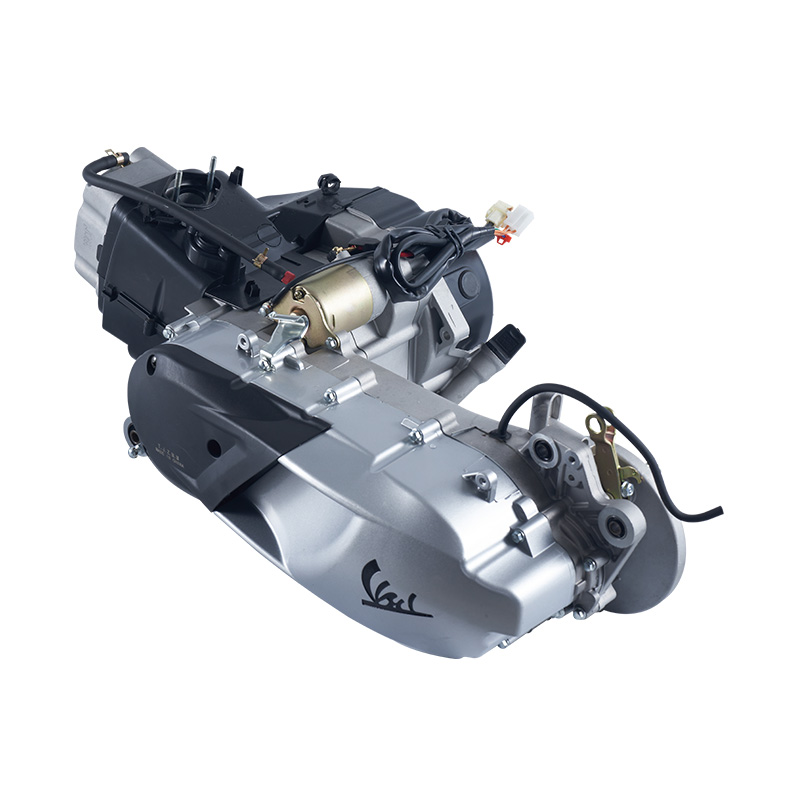
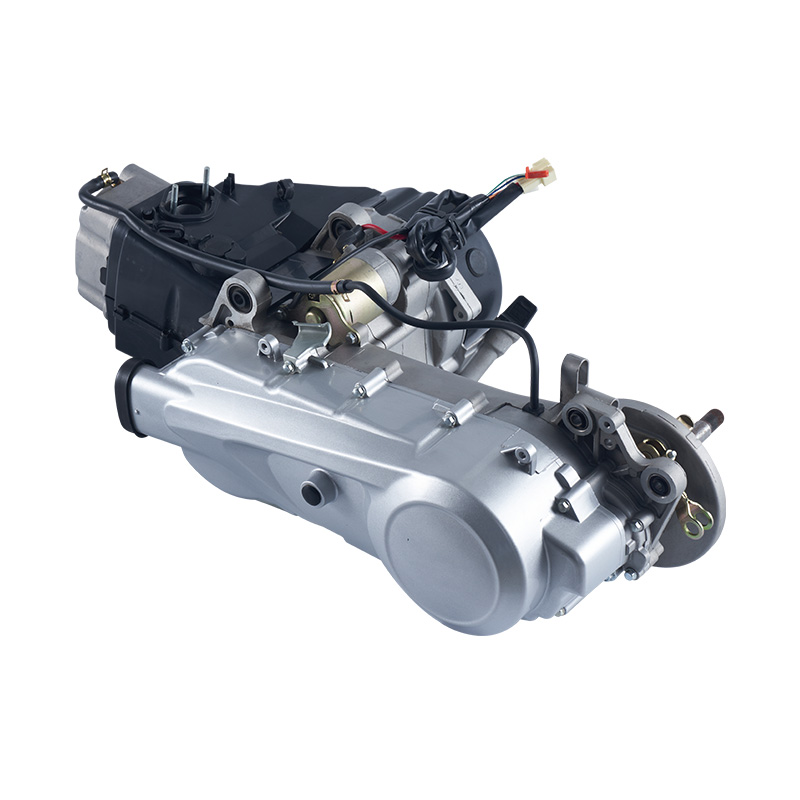
عربىNVX 4th 150cc Liquid-Cooled Electronic Fuel Injection High-Performance Scooter Motorcycle
The 4th Generation NVX 150cc, a high-performance liquid-cooled fuel-injected scooter motorcycle has been meticulous...
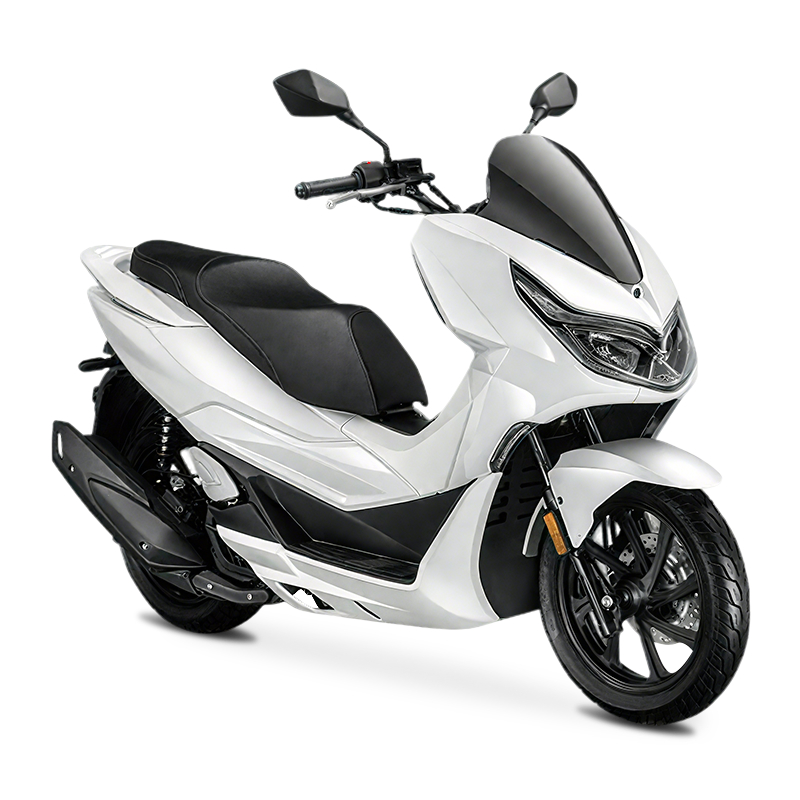
Urban travel usually involves more than just getting from one place to another in a straight line. A daily rider deals with busy streets, short hops across town, traffic lights, narrow parking spots, shifting weather, and roads shared with cars, bicycles, and pedestrians all at once.
These conditions push practicality to the front of scooter motorcycle design rather than leaving it as an afterthought. A Street Legal Scooter Motorcycle needs to fit both the rider's routine and the rules that govern road use in whatever place it operates.
It also needs a configuration that feels manageable on an ordinary Tuesday commute, not just on a showroom floor. Lighting, braking, mirrors, seating, storage, cooling, and controls all shape how the ride actually feels once someone is out in traffic.
For urban riders, the real value of a scooter often sits in these small, unglamorous details. A vehicle that's easy to operate, suited to local road requirements, and simple to keep maintained tends to slot naturally into everyday life.
A scooter ridden on public roads answers to local transportation rules, whether the rider thinks about it or not. These requirements can touch lighting, braking equipment, mirrors, registration, rider licensing, protective equipment, and other conditions the vehicle has to meet.
The exact rules shift from one place to another, so riders and businesses need to check what applies wherever the scooter will actually be used. A set of requirements that works in one city might not carry over cleanly to another.
| Road Use Area | Practical Consideration |
|---|---|
| Vehicle equipment | Should correspond with local road requirements |
| Lighting | Supports visibility in traffic |
| Braking system | Helps the rider respond to changing road conditions |
| Mirrors | Improve awareness of surrounding vehicles |
| Registration | May be required for public-road use |
| Rider requirements | May include licensing or protective equipment |
A scooter built mainly for private property doesn't necessarily carry the same configuration as one meant for public streets. That distinction matters to manufacturers, distributors, and buyers alike, not just to whoever writes the regulations.
A Street Legal Scooter Motorcycle is worth thinking of as a complete road-use product rather than simply a small motorcycle with convenient dimensions. The vehicle's equipment, paperwork, and intended use all belong in the purchasing decision together.
Urban riding tends to involve repeated starts, stops, and stretches of slower movement rather than long open roads. The engine keeps running while the vehicle threads through traffic, waits at intersections, or crawls along a busy street during rush hour.
Cooling ends up as part of the vehicle's overall operating picture because of that stop-and-go rhythm. A Liquid Cooled Scooter uses a liquid-based cooling arrangement to help manage engine temperature while all of this is happening around it.
The cooling system does its work quietly in the background while the rider focuses on traffic and vehicle control instead.
| Urban Riding Situation | Cooling-Related Consideration |
|---|---|
| Stop-and-go traffic | Engine operation may continue during slower movement |
| Daily commuting | Consistent system condition matters |
| Longer urban trips | Cooling supports normal engine operation |
| Warm surroundings | Cooling system condition becomes relevant |
| Frequent use | Routine maintenance remains important |
Having liquid cooling doesn't mean every scooter feels identical in every situation someone might ride through. Overall performance still comes down to the complete vehicle configuration, not one part alone.
For the rider, the practical point is simpler than it sounds: the cooling system is just part of the vehicle's normal operating environment. Following the manufacturer's maintenance instructions keeps it in reasonable condition over time.
A Water Cooled Scooter can appeal to riders who want a vehicle built around regular urban use rather than occasional weekend outings. The cooling arrangement works alongside the engine, transmission, electrical components, and other systems that support everyday travel.
That kind of integration tends to produce a more coordinated vehicle overall. Daily practicality also comes down to how easy the scooter actually is to live with.
A rider tends to care about starting the vehicle without fuss, finding a comfortable riding position, handling traffic calmly, parking after arriving somewhere, and carrying whatever they need for the day.
| Daily Requirement | Useful Vehicle Consideration |
|---|---|
| Commuting | Comfortable riding position |
| Parking | Manageable overall form |
| Traffic | Predictable controls |
| Errands | Convenient storage |
| Daily maintenance | Accessible service areas |
| Changing weather | Suitable road equipment |
These details might sound ordinary on their own, but they add up once a scooter gets used again and again over months. A vehicle built for occasional recreation can afford a different kind of experience entirely.
An urban commuter generally gets more out of a configuration built around repeated short trips and routine handling day after day. The Water Cooled Scooter idea, then, is worth viewing through the larger question of how well the vehicle fits someone's actual daily pattern.
Vehicle configuration shapes how a scooter behaves in the situations a city throws at it. Seat position, handlebar arrangement, wheel design, braking controls, storage areas, lighting, and body shape all play into how a rider actually interacts with the machine.
No single configuration suits every city equally well. A rider navigating a dense downtown may care more about easy handling and finding a parking spot without hassle.
Someone traveling farther between a residential neighborhood and a commercial district might pay closer attention to seating comfort and how much storage the scooter offers.
| Configuration Area | Urban Use Consideration |
|---|---|
| Seating | Supports comfortable daily travel |
| Handlebar layout | Influences rider control |
| Storage | Helps carry personal items |
| Lighting | Supports visibility |
| Mirrors | Help monitor surrounding traffic |
| Body design | Affects handling and parking |
Manufacturers can respond to these differences by building scooters aimed at distinct usage patterns rather than one universal design. That also gives buyers a reason to look past appearance alone when comparing models.
A stylish exterior can catch the eye in a showroom, but practical features are what determine whether the vehicle actually fits into someone's daily life afterward. For a Scooter Liquid Cooled design, the cooling system is only one piece of this larger configuration puzzle.
The complete vehicle needs to work together as a coordinated product, not as a collection of separately impressive parts.
Urban traffic shifts constantly and rarely gives much warning. Cars pull out from side streets, pedestrians step into crosswalks without much notice, and cyclists can share the same lane space as the scooter itself.
Good visibility helps a rider read the road ahead and helps other road users actually notice the scooter is there. Lighting, because of this, is a meaningful part of any road-oriented scooter configuration.
| Visibility Feature | Everyday Role |
|---|---|
| Headlight | Helps illuminate the road |
| Tail light | Makes the scooter more noticeable from behind |
| Turn signals | Communicate intended direction |
| Reflective elements | Can improve visibility in suitable conditions |
| Mirrors | Support awareness around the vehicle |
Lighting equipment also has to comply with the rules that apply wherever the vehicle will actually be sold and ridden. Manufacturers selling into different regions often need to account for different road-use requirements as part of product development, not as an afterthought before shipping.
For urban riders, the practical benefit is fairly plain. Clear communication between everyone sharing the road tends to make everyday travel less stressful to manage.
Not every trip through a city looks the same. A commuter might travel from home to work in the morning, stop by a store on the way home, and make another short hop out in the evening.
A student might use the scooter mainly to shuttle between home and school on a predictable schedule. A delivery worker, meanwhile, could spend most of the day moving between many different stops in a row.
These situations place different demands on what is basically the same vehicle underneath.
| Travel Scenario | Important Practical Consideration |
|---|---|
| Daily commuting | Comfortable and predictable operation |
| Short errands | Easy handling and convenient storage |
| Longer urban travel | Rider comfort and consistent operation |
| Delivery work | Practical carrying arrangements |
| Mixed city routes | Adaptability to changing traffic |
A Street Legal Scooter Motorcycle can support all of these uses when its configuration actually matches the road environment and the rider's real needs. The key isn't piling on every feature imaginable.
Too many unnecessary features can make a product harder to understand or keep maintained over time. A more focused design tends to be easier for riders to use since each component has a clear job to do rather than competing for attention.
This same approach is useful for manufacturers planning different scooter models aimed at different customer groups rather than one design meant to cover everyone.
Cooling has become a more visible part of conversations around scooter configuration than it used to be. A liquid cooling arrangement needs more supporting components than a basic air-based setup, so the manufacturer has to think through how the system fits within the complete vehicle.
Space, maintenance access, protection, and how the system connects with surrounding components all matter here.
| Development Area | Design Question |
|---|---|
| Engine area | How does the cooling system fit the vehicle? |
| Body structure | Is the system appropriately protected? |
| Maintenance access | Can routine checks be performed conveniently? |
| Component layout | Are related parts arranged logically? |
| Daily operation | Does the system suit the intended riding pattern? |
For a Scooter Liquid Cooled model, this means cooling belongs in the conversation from early in vehicle development rather than getting bolted on as a separate feature afterward. The manufacturer also needs to provide clear maintenance guidance alongside the product.
Riders should understand that a liquid cooling system carries components that need routine attention according to the product instructions, not something that runs forever untouched. A well-planned configuration tends to make those checks easier for both owners and service personnel down the line.
Choosing a scooter for urban use takes more than comparing how the vehicles look side by side. The buyer needs to think about where the vehicle will actually be ridden, how often it will see use, and which local requirements apply in that area.
The intended travel pattern can then steer the rest of the selection process.
A practical evaluation may include:
Confirm that the vehicle configuration and documentation actually correspond with the rules for public-road use in the intended location.
Think through commuting, errands, parking, traffic conditions, and the typical length of a journey.
Look at seating, controls, storage, lighting, mirrors, braking equipment, and other features relevant to regular riding.
If choosing a Liquid Cooled Scooter, learn about its maintenance requirements and how the system fits into the vehicle as a whole.
A scooter used often needs a practical maintenance arrangement so routine checks don't become an unnecessary chore.
The rider's experience, physical comfort, and intended road environment all deserve consideration before any purchase.
A Water Cooled Scooter may suit one commuting pattern while a different rider ends up preferring another configuration entirely. The real point is to evaluate the whole vehicle rather than fixating on one standout feature.
For manufacturers and distributors, that same principle carries over when developing or sourcing a Street Legal Scooter Motorcycle for different urban markets. Local regulations, everyday riding habits, vehicle configuration, and maintenance expectations all shape how a scooter fits into real-world transportation.
E-mail: [email protected]
Tel: +86-13806579227/+86-576-88011088
ADD: Hongjiachaiyang Industrial Zone, Jiaojiang District, Taizhou City, Zhejiang Province, China
China Scooter Motorcycle Manufacturer & Factory