English
 中文简体
 русский
 Español
 عربى
NVX 4th 150cc Liquid-Cooled Electronic Fuel Injection High-Performance Scooter Motorcycle
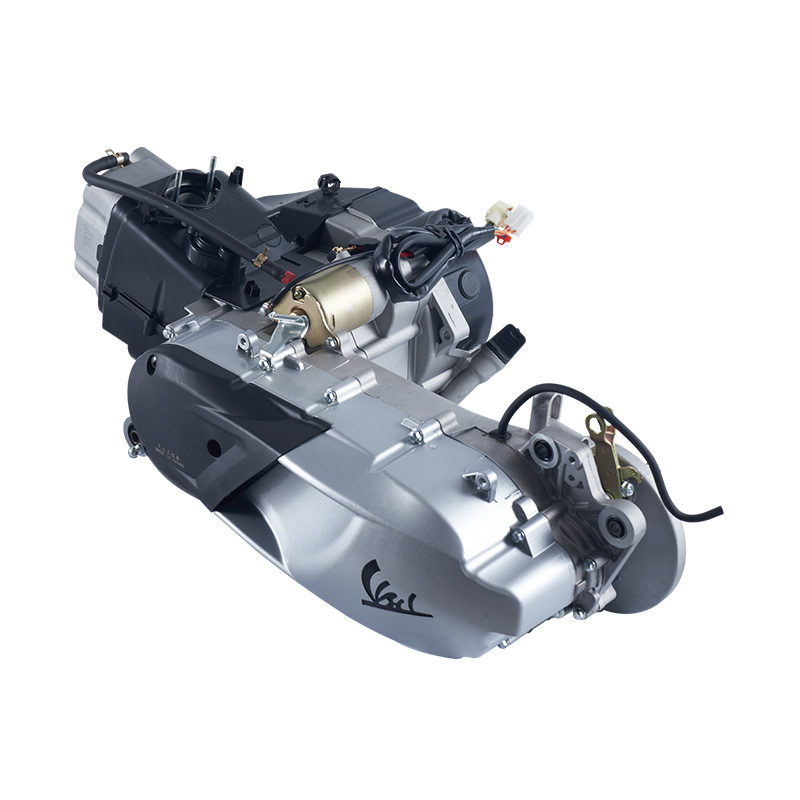
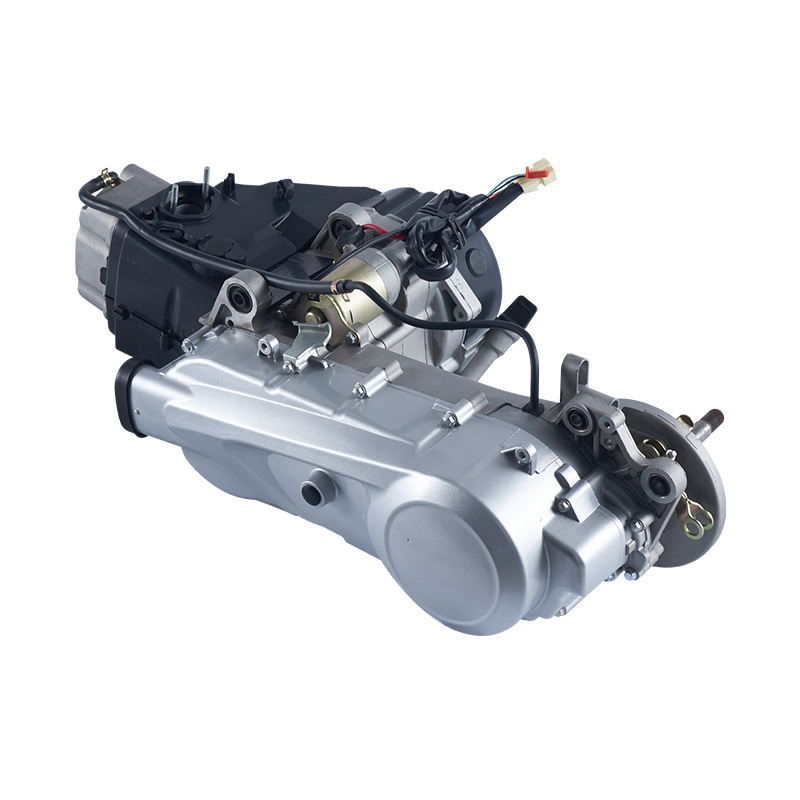
The 4th Generation NVX 150cc, a high-performance liquid-cooled fuel-injected scooter motorcycle has been meticulous...
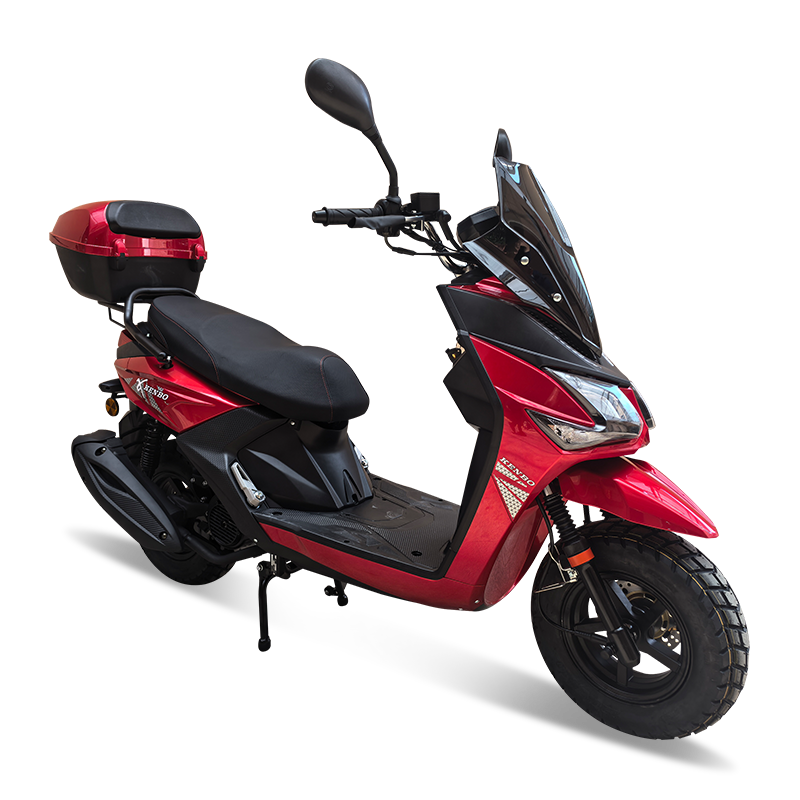
Fuel efficiency remains a central consideration when selecting a compact scooter for daily commuting or short-distance travel. The method used to deliver fuel into the engine directly affects how completely that fuel is burned and how much is consumed under varying loads. Electronic systems that meter fuel according to real-time engine conditions differ from older mechanical approaches in both precision and response. A Gas Moped Scooter 150cc equipped with electronic fuel injection illustrates one practical application of this technology in the small-displacement category.
An electronic fuel-injection system meters fuel through a nozzle that opens and closes under electronic control. Sensors monitor factors such as throttle position, engine speed, intake-air temperature and oxygen content in the exhaust. An electronic control unit processes these signals and determines the duration of each injection pulse so that the amount of fuel matches the current demand of the engine. The result is a continuously adjusted mixture rather than a fixed mechanical setting. Because the calculation occurs for every combustion cycle, the system can lean or enrich the mixture as conditions change without requiring manual intervention.
When the throttle is opened, the control unit lengthens the injection pulse to supply additional fuel for acceleration. When the load decreases, the pulse shortens so that less fuel is delivered. In stop-and-go traffic the system can reduce fuel flow during brief closed-throttle periods, limiting the amount of unburned mixture that would otherwise pass through the engine. Steady throttle positions at moderate speeds allow the mixture to remain close to the stoichiometric ratio, supporting more complete combustion. Riding style still influences the final result: abrupt throttle movements increase instantaneous demand, while gradual changes keep the system within its most efficient operating range.
Injector cleanliness and correct fuel pressure determine whether the calculated quantity actually reaches the combustion chamber in the intended spray pattern. A clogged injector or a weak pump can produce incomplete atomization and raise consumption. The air filter must remain free of restriction so that the measured airflow corresponds to the actual mass of air entering the engine. Spark-plug condition affects the completeness of combustion once the mixture arrives. Outside the fuel system, tire pressure, total vehicle load and road gradient alter the power required to maintain speed and therefore the amount of fuel the injection system is asked to supply. Regular attention to these items keeps the electronic metering system working with accurate inputs.
A carburetor relies on the pressure drop created by airflow through a venturi to draw fuel from a float bowl. The mixture ratio is set by fixed jets and needle positions that cannot change once the vehicle is in motion. An electronic system, by contrast, recalculates the fuel quantity for each cycle on the basis of sensor data. The electronic approach therefore adapts to altitude, temperature and load variations that would require manual adjustment on a carbureted engine. Maintenance patterns also differ: carburetors need periodic cleaning of jets and float settings, while injection systems require attention to filters, injectors and sensor integrity. Choice between the two depends on the expected operating environment, the availability of diagnostic tools and the preferred balance between mechanical simplicity and adaptive control. A comparison between a Fuel Injection Carburetor Motorcycle and an electronically injected scooter highlights the differences in fuel delivery, mixture adjustment, maintenance requirements and adaptability to changing riding conditions.
Adherence to the maintenance intervals listed in the product documentation keeps sensors, filters and ignition components within their designed operating windows. Fuel of the grade specified for the engine prevents deposits that can alter injector spray patterns. Changes in cold-start behavior, throttle response or observed consumption serve as early indicators that inspection is due. Prolonged idling and repeated hard acceleration increase the total fuel delivered for a given distance; moderating these habits reduces unnecessary consumption while the electronic system continues to meter fuel according to actual demand.
Engine displacement, the presence of electronic fuel metering and the intended mix of urban and open-road use form the starting points for evaluation. Accessibility of filters, spark plugs and diagnostic connectors affects the ease of routine service. Availability of replacement injectors, sensors and control-unit components should be confirmed for the expected service life of the vehicle. Complete specification sheets that list fuel-system type, recommended maintenance points and load capacity allow the configuration to be matched to actual riding conditions rather than to a single feature in isolation.
| Factor | Influence on Consumption | Maintenance or Operating Attention |
|---|---|---|
| Injector condition and pressure | Determines accuracy of delivered fuel quantity | Periodic inspection and filter replacement |
| Air-filter restriction | Alters measured airflow and mixture calculation | Cleaning or replacement at recommended intervals |
| Spark-plug condition | Affects completeness of combustion | Inspection and replacement according to schedule |
| Tire pressure and vehicle load | Changes power required to maintain speed | Regular pressure checks and load awareness |
| Throttle and speed management | Controls instantaneous fuel demand | Gradual inputs and avoidance of prolonged idling |
| Sensor and wiring integrity | Supplies accurate data to the control unit | Visual checks and diagnostic attention if symptoms appear |
Electronic fuel metering adjusts delivery to match changing engine conditions, yet the final consumption figure still depends on the condition of related components and on the way the scooter is ridden. Regular maintenance keeps the sensors and actuators operating within design limits, while moderate throttle use and correct tire pressure reduce the absolute quantity of fuel requested. Assessing the complete vehicle configuration—fuel system, service accessibility and intended duty—provides a clearer basis for selection than reliance on the injection system alone. Taizhou Jiaojiang Zhiwei Motorbike Manufacture Co., Ltd. produces compact scooters equipped with electronic fuel-injection systems. Review of available engine configurations, fuel-system details and maintenance requirements against the expected riding pattern allows selection of a model suited to consistent and economical daily operation.
E-mail: [email protected]
Tel: +86-13806579227/+86-576-88011088
ADD: Hongjiachaiyang Industrial Zone, Jiaojiang District, Taizhou City, Zhejiang Province, China
China Scooter Motorcycle Manufacturer & Factory