English
 中文简体
 русский
 Español
 عربى
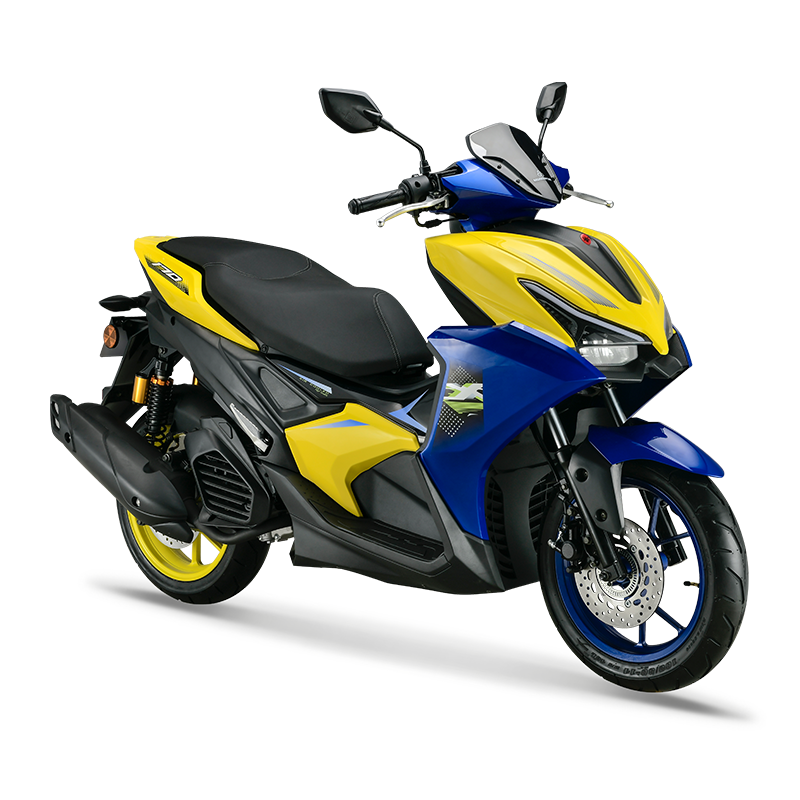
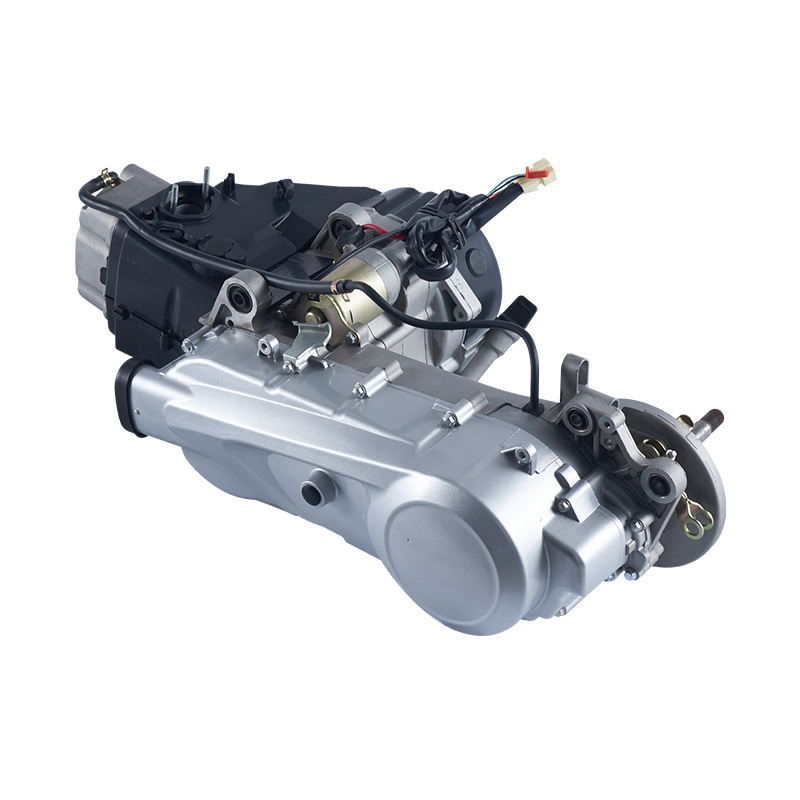
NVX 4th 150cc Liquid-Cooled Electronic Fuel Injection High-Performance Scooter Motorcycle
The 4th Generation NVX 150cc, a high-performance liquid-cooled fuel-injected scooter motorcycle has been meticulous...

The fuel-injection system meters the quantity of fuel delivered to the combustion chamber and therefore influences starting, acceleration and steady running. Changes in any of these behaviors can signal that the injection circuit, its sensors or related components no longer operate within normal limits. Early recognition of such changes allows inspection to begin before a minor restriction becomes a complete failure to start or run. A Gas Moped Scooter 150cc fitted with electronic injection provides a concrete setting in which these symptoms can be observed and interpreted.
Difficulty starting the engine can arise from insufficient fuel reaching the cylinder, from an electrical supply problem or from an ignition fault. Hesitation when the throttle is opened, uneven acceleration or an unexpected stall under light load often indicate that the mixture is momentarily too lean or too rich. An idle that rises and falls without throttle input, or a noticeable rise in fuel used for the same daily route, can likewise suggest that the metering process has drifted. None of these signs is exclusive to the injection system; air leaks, ignition weakness or mechanical drag can produce similar effects, so further checks are required before any component is replaced.
An injector that is partially blocked or that fails to open fully delivers less fuel than the control unit has commanded. The engine may then run unevenly at idle, surge under steady throttle or respond slowly when acceleration is demanded. Because the electronic control unit continues to calculate injection duration on the assumption that the injector is clear, the actual mixture becomes leaner than intended. Visual inspection of the spray pattern, when performed with the proper equipment, or measurement of injector resistance and flow can distinguish a dirty nozzle from an electrical or mechanical failure inside the injector body. Cleaning is considered only after the nature of the restriction has been confirmed; replacement follows when cleaning does not restore the correct delivery.
The fuel pump must maintain sufficient pressure at the injector inlet for the calculated pulse to produce the intended quantity of fuel. A weak pump, a clogged filter or a leaking pressure regulator can lower that pressure. Starting then becomes prolonged, the engine may cut out under load, or power may fade after a short period of running. Intermittent operation that appears and disappears with temperature or vibration often points to an electrical connection at the pump rather than to the pump motor itself. Pressure measurement at the fuel rail, performed with the appropriate gauge and safety precautions, separates supply-side faults from injector or sensor faults.
The control unit relies on signals from throttle-position, temperature, oxygen and speed sensors to calculate each injection pulse. A sensor that reports an incorrect value causes the calculated mixture to deviate from the actual requirement of the engine. Corroded connectors, broken wires or poor grounds produce the same effect by interrupting or distorting the signal. Where the scooter is equipped with a diagnostic connector, stored trouble codes can narrow the search to a particular circuit. Suitable diagnostic equipment is required to read those codes and to monitor live sensor data; without it, systematic substitution of sensors remains a less efficient alternative.
Battery voltage and the security of the main electrical connections are verified first, because a low supply voltage can prevent the pump from running or the control unit from operating correctly. The air filter is examined for restriction and the intake tract is inspected for loose or cracked hoses that could admit unmetered air. Fuel level is confirmed and any visible leakage from lines or fittings is noted. The conditions under which the fault appears—cold start, hot restart, idle, acceleration or sustained cruising—are recorded so that later diagnosis can be directed to the relevant operating mode. Pressurized fuel components are left undisturbed until the proper tools and procedures are available.
Adherence to the maintenance intervals given in the product documentation keeps filters, spark plugs and sensor environments within normal limits. Fuel of the grade specified for the engine reduces the formation of deposits inside injectors and on intake valves. The air-intake path is kept free of debris so that the measured airflow continues to match the actual mass entering the engine. Persistent difficulty in starting, irregular running or the appearance of a warning indicator is investigated promptly rather than allowed to continue. When pressure testing or electronic diagnosis is required, the work is carried out by personnel equipped for those tasks.
Routine inspection of the fuel filter, injector connectors and air-filter element supports consistent delivery and mixture control. Familiarity with the layout of the fuel lines, the location of the pump and the diagnostic connector shortens the time needed to locate a fault once symptoms appear. Confirmation of the exact injection configuration, the recommended service points and the availability of technical support ensures that any intervention remains compatible with the original system design. A Fuel Injection Carburetor Motorcycle comparison is sometimes useful for understanding the different service approaches required by electronic and mechanical metering, yet each system still demands its own set of checks.
| Observed Behavior | Possible Related Area | Initial Verification Step |
|---|---|---|
| Prolonged or failed starting | Fuel delivery, pump, battery, ignition | Confirm fuel level, battery voltage, pump operation |
| Hesitation or weak acceleration | Injector restriction, sensor signal, fuel pressure | Check air filter, listen for pump, note conditions |
| Unstable idle | Injector, air leak, throttle sensor | Inspect hoses, observe idle quality after warm-up |
| Elevated fuel use for same route | Leaking injector, incorrect sensor data | Examine for wet injectors, review recent maintenance |
| Intermittent cut-out under load | Fuel pressure, electrical connection to pump | Note temperature and vibration correlation |
| Warning indicator or stored code | Sensor circuit or control-unit fault | Retrieve codes with compatible diagnostic tool |
Changes in starting, acceleration, idle quality or fuel consumption can originate in the injection system, yet identical symptoms may also arise from electrical, ignition or intake-air problems. Recording the exact conditions under which the fault appears and performing the basic checks listed above narrows the field before any component is removed. When pressure measurement or electronic diagnosis is required, the work proceeds with the correct equipment and procedures. Taizhou Jiaojiang Zhiwei Motorbike Manufacture Co., Ltd. produces compact scooters equipped with electronic fuel-injection systems. Review of the fuel-system layout, recommended inspection points and available diagnostic support against the observed symptoms allows the appropriate next step—simple service or more detailed testing—to be identified with greater confidence.
E-mail: [email protected]
Tel: +86-13806579227/+86-576-88011088
ADD: Hongjiachaiyang Industrial Zone, Jiaojiang District, Taizhou City, Zhejiang Province, China
China Scooter Motorcycle Manufacturer & Factory