English
  中文简体
中文简体 русский
 Español
 عربى
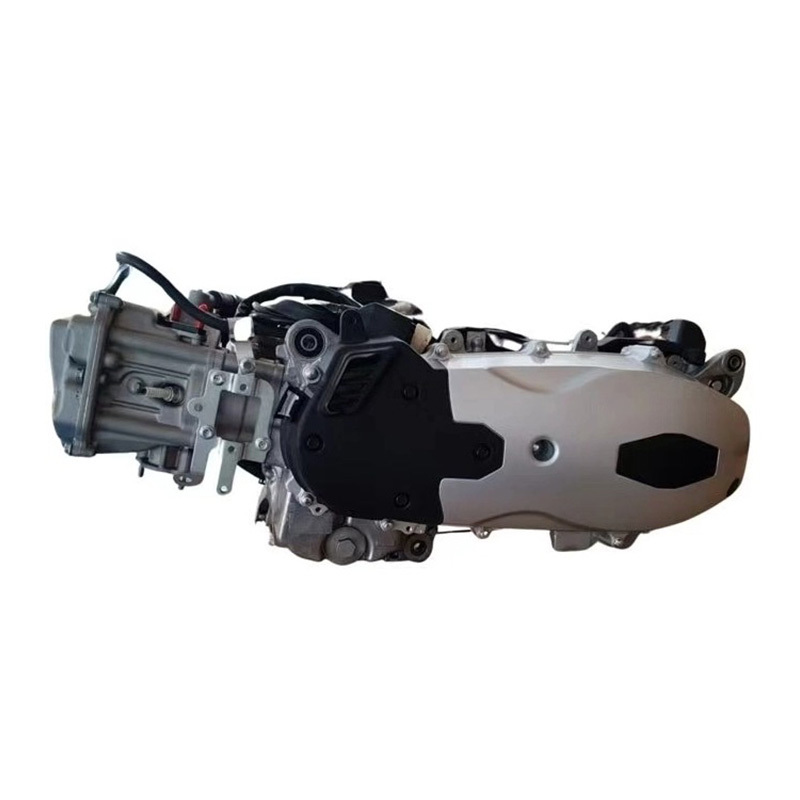
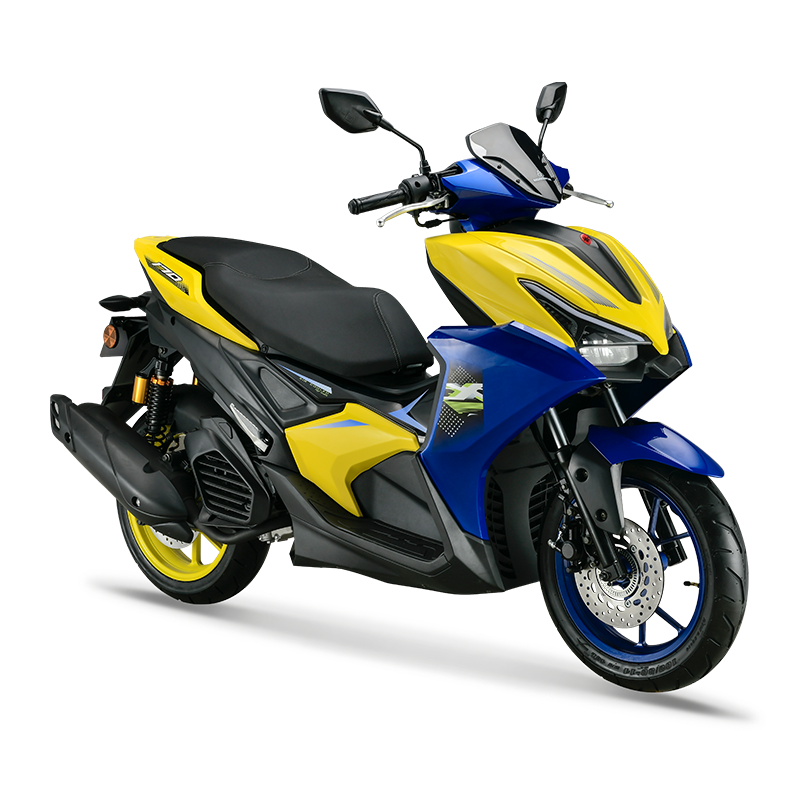
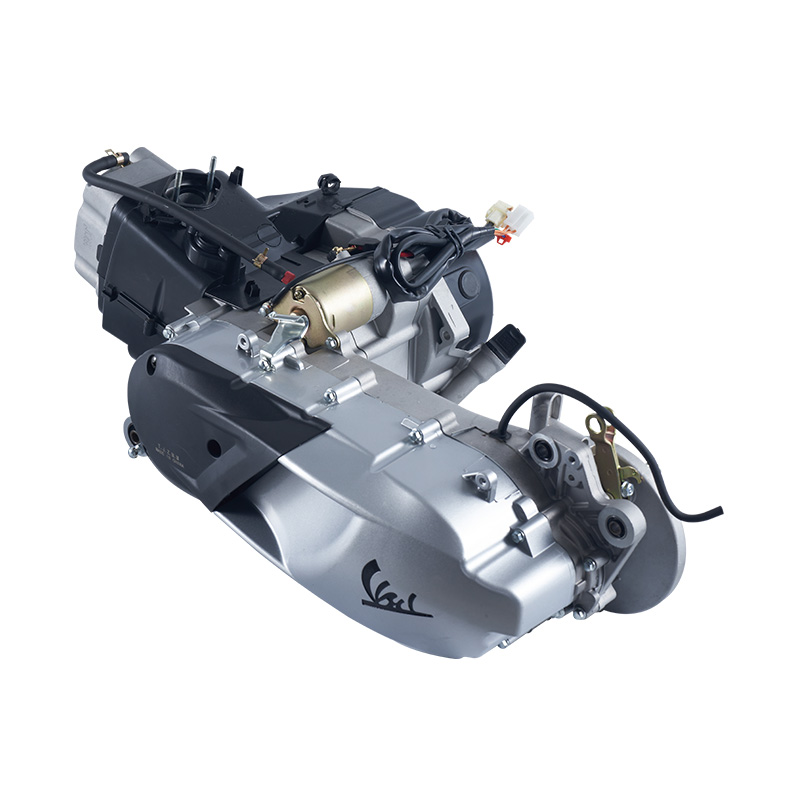
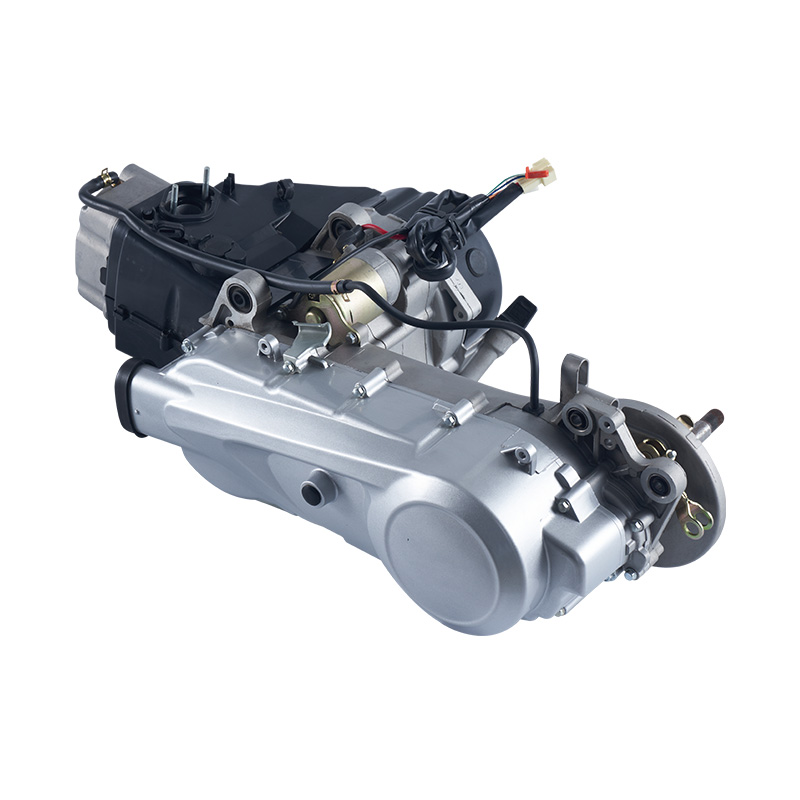
عربىNVX 4th 150cc Liquid-Cooled Electronic Fuel Injection High-Performance Scooter Motorcycle
The 4th Generation NVX 150cc, a high-performance liquid-cooled fuel-injected scooter motorcycle has been meticulous...
A rider stuck in stop-and-go traffic on a summer afternoon, feeling heat radiate off the engine bay through their boots, probably never stops to think about the cooling system tucked underneath the bodywork. But that system had a lot to do with how the scooter got designed in the first place. Choosing between different Scooter Motorcycle Types often starts with practical questions long before cooling ever comes up. Will the scooter mainly get used for short urban trips, regular commuting, or longer rides out of town? Will it spend more time moving through open roads or sitting in slow traffic waiting for a light? These conditions place genuinely different demands on the engine, and cooling design becomes part of that decision whether buyers realize it or not.
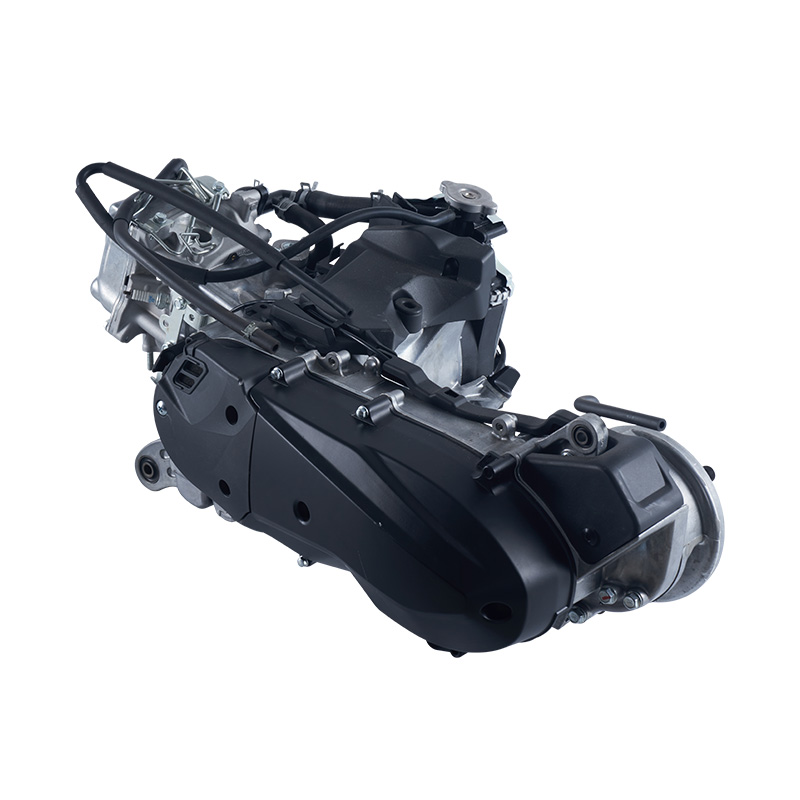
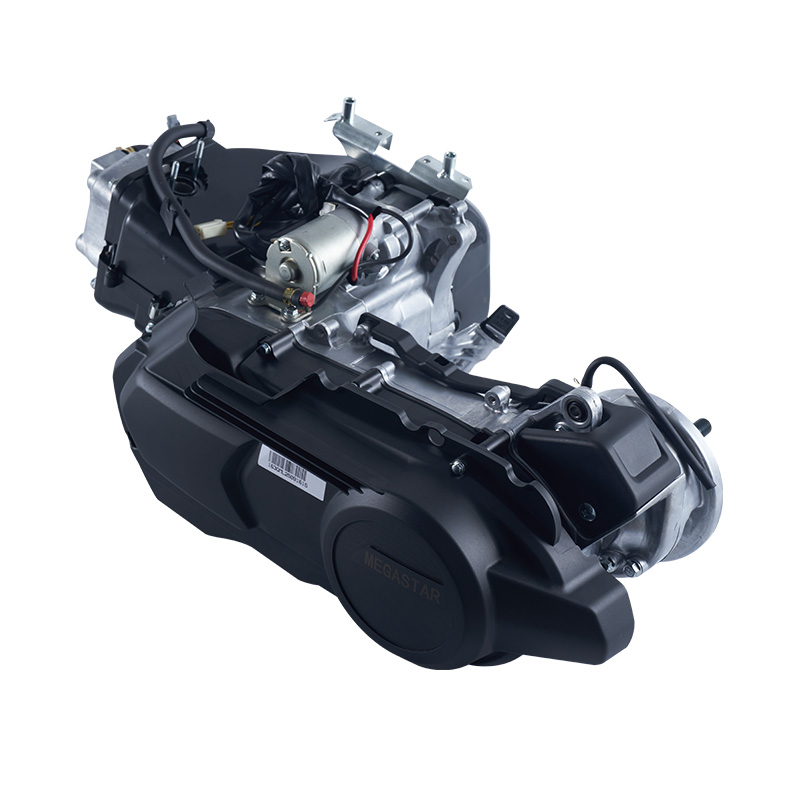
Engine cooling isn't simply a hidden mechanical feature bolted on somewhere out of sight. It can influence how a scooter is designed, where components get positioned, how the engine behaves during regular riding, and what type of use the vehicle is intended to support. A Liquid Cooled Scooter Engine, for example, uses a liquid-based cooling system to help manage engine temperature, while other scooter designs may use airflow as part of their cooling approach instead.
For manufacturers and buyers, understanding this relationship makes it a lot easier to connect cooling design with actual riding conditions on the road. The right approach depends on the scooter's layout, engine use, expected operating environment, and overall vehicle design working together.
An engine produces heat while it operates, no way around that basic fact. That heat needs managing so the engine can keep working within its intended operating conditions, ride after ride.
Scooters face genuinely different riding situations day to day. A commuter may spend part of a journey moving slowly through city streets packed with traffic. Another rider may travel for longer periods on open roads outside town. A delivery scooter may start and stop repeatedly throughout an entire shift.
These situations affect how the engine experiences heat quite differently.
| Riding Situation | Cooling Consideration |
|---|---|
| Urban commuting | Frequent stops and slow movement |
| Open-road riding | Longer periods of continuous operation |
| Short trips | Repeated starting and stopping |
| Daily delivery use | Regular engine operation throughout the day |
| Leisure riding | Changing speeds and road conditions |
| Mixed-use riding | Combination of different operating conditions |
Cooling design therefore needs to work with the entire scooter, rather than getting considered separately from everything else. The engine position, body panels, airflow, riding pattern, and overall vehicle structure can all influence how heat gets managed once the engine's running.
For manufacturers, this means cooling is closely connected with product design from the start. For buyers, it can help explain why different scooter models may use different cooling arrangements even when they serve fairly similar transportation needs on paper.
Different Scooter Motorcycle Types can use different approaches to engine cooling depending on their purpose.
Air cooling relies on airflow around the engine to help carry heat away as the scooter moves. It can be associated with relatively straightforward scooter designs and may suit applications where the vehicle operates under moderate conditions most of the time.
Liquid cooling uses a liquid-based system to transfer heat away from the engine and manage temperature through a dedicated cooling arrangement built into the vehicle. This approach can provide greater control over engine heat in situations where operating conditions vary a lot from one ride to the next.
The choice depends heavily on the overall vehicle concept behind it.
| Cooling Approach | General Design Character | Common Design Consideration |
|---|---|---|
| Air cooling | Relies on surrounding airflow | Vehicle airflow and engine placement |
| Liquid cooling | Uses a liquid cooling circuit | Cooling components and system integration |
| Combined approaches | Uses more than one heat-management method | Overall vehicle layout |
Neither approach should get considered in isolation from the rest of the design. A scooter manufacturer needs to match the cooling design with the engine, vehicle structure, intended use, and expected riding environment all at once. This is why cooling systems can look quite different across scooters designed for different purposes, even within the same product line.
Urban commuting creates a genuinely distinctive riding environment for an engine to operate in.
Traffic can involve frequent stops, short bursts of movement, and repeated acceleration from a standstill. The scooter may also spend time moving slowly, where natural airflow around the engine differs quite a bit from what happens during open-road riding at speed.
A Liquid Cooled Scooter Engine can fit this type of application well, because its cooling system is designed to help manage engine heat through a dedicated cooling process, rather than depending only on external airflow that disappears the moment traffic stops.
For urban scooters, the cooling arrangement also needs to fit within a fairly compact vehicle structure.
Manufacturers may need to consider:
Urban scooters are often designed around convenience and maneuverability first. Cooling components therefore need to work without making the vehicle unnecessarily difficult to use or maintain in daily practice. The cooling system becomes one part of a much larger design relationship.
A commuter may never think about the cooling system during an ordinary ride to work. But the design behind it genuinely influences how the scooter is packaged and how the engine fits into the vehicle as a whole.
Longer rides place the engine in operation for extended periods without much of a break.
The scooter may travel continuously, rather than repeatedly stopping and restarting the way city riding does. The cooling system therefore needs to function as part of a sustained operating environment over hours, not minutes.
A liquid cooling arrangement can suit scooter designs intended to support longer rides, since it provides a dedicated way to move heat away from the engine consistently.
Cooling is only one consideration in this picture, though. Long-distance scooter design may also involve:
| Design Area | Relevance to Longer Riding |
|---|---|
| Engine design | Supports sustained operation |
| Cooling system | Helps manage engine heat |
| Seat design | Influences rider comfort |
| Body structure | Supports protection and stability |
| Storage | Adds practical value during travel |
| Riding position | Affects the overall experience |
The cooling system needs to fit the complete vehicle concept, not stand alone as an isolated part. A scooter intended for longer journeys may have a genuinely different engine layout and body structure from a compact city scooter built for short hops. These differences can influence where cooling components get located and how air moves around the vehicle at speed.
Cooling is therefore part of the broader balance between performance, comfort, packaging, and everyday practicality.
Engine placement affects how heat actually moves through a scooter's body.
Scooters generally have a compact layout, since they need to combine the engine, transmission system, frame, body panels, storage areas, and rider space within a relatively small footprint. This creates real design challenges for engineers.
A cooling system needs enough room to operate while still fitting into the available structure around it. Airflow also needs consideration, since body panels can change the way air reaches or moves away from heat-producing components underneath.
For a Liquid Cooled Scooter Engine, the manufacturer needs to integrate several related components into the vehicle as a working whole. These may include:
The exact arrangement varies quite a bit between scooter designs. A compact scooter may require a carefully organized layout because space is genuinely limited underneath the seat. A larger scooter may offer more flexibility for component placement instead.
This is one reason cooling design can't simply get copied from one scooter to another wholesale. The engine and vehicle architecture need to work together as a matched pair.
Cooling design connects fairly directly to the intended role of a scooter on the road.
A small urban commuter may prioritize compactness, easy handling, simple maintenance, and practical transportation above all else. A scooter designed for longer trips may place greater attention on sustained engine operation and rider comfort over hours in the saddle. A performance-oriented scooter may have another set of requirements entirely.
The relationship can be viewed through different use cases.
Urban commuter scooters are generally designed around everyday transportation needs. Their cooling arrangement needs to fit compact bodywork and frequent changes in speed through traffic.
Touring-oriented scooters may get designed for longer journeys between towns. Engine cooling becomes part of a broader system intended to support extended riding without overheating concerns.
Utility scooters used for delivery or work may operate repeatedly throughout an entire day. Their cooling design needs to fit regular use while staying practical to maintain between shifts.
Performance-focused scooters may place greater attention on engine behavior and heat management alongside handling and vehicle packaging together.
The categories can overlap quite a bit in practice. A scooter can serve more than one purpose, and its cooling system may reflect several design goals at the same time.
Engine cooling doesn't directly determine comfort on its own, but it can influence vehicle design in ways riders may notice without quite placing why.
Heat needs managing within a compact body sitting close to the rider's legs. Manufacturers therefore need to consider how engine heat and cooling components interact with the rider's position and surrounding body panels throughout a ride.
The goal is keeping the cooling system functional without creating unnecessary discomfort for whoever's sitting on the seat.
Other design elements get affected too. For example, where a radiator or other cooling components get placed can influence bodywork shape. Air openings may need integrating into the scooter's exterior panels. Protective covers may be required around certain components to keep riders away from hot surfaces.
These choices affect both the appearance and structure of the vehicle as a whole. A practical scooter design therefore balances several needs at once:
The cooling system may be hidden from view under the bodywork, but it can still influence the visible shape of the scooter sitting on a showroom floor.
When buyers compare scooter engines, cooling should get considered alongside other characteristics, rather than treated as some standalone feature to check off a list.
An engine with a particular cooling arrangement may be designed for a specific type of vehicle and riding environment in mind. For example, a Liquid Cooled Scooter Engine can appeal to users who expect varied riding conditions or longer periods of operation on a regular basis. Another scooter may use a simpler cooling approach because its intended application doesn't require the same system arrangement at all.
Buyers can ask several practical questions:
These questions provide a lot more useful information than simply asking whether one cooling approach beats another in the abstract. The vehicle should get evaluated as a complete system working together, not a checklist of isolated parts.
Manufacturers have to balance cooling requirements with a lot of other product goals at the same time.
A compact scooter may have genuinely limited space to work with. A larger scooter may provide more room for cooling components instead. A utility model may need convenient maintenance access, while a touring-oriented design may focus more on sustained operation over distance.
The cooling system therefore needs developing around the vehicle from the start, rather than added on as an afterthought once everything else is locked in.
A manufacturer may consider:
| Product Requirement | Cooling Design Relationship |
|---|---|
| Compact body | Requires careful component placement |
| Urban use | Needs to accommodate frequent speed changes |
| Longer rides | Supports sustained engine operation |
| Easy maintenance | Cooling components should be accessible as appropriate |
| Rider comfort | Heat should be managed within the vehicle structure |
| Vehicle appearance | Cooling openings and components need to fit the body design |
This approach can also influence the choice of engine used in the first place. The engine, cooling system, transmission, frame, and bodywork all need to function as parts of the same connected vehicle, not separate pieces bolted together. For this reason, cooling design stays closely tied to product development from concept through to final assembly.
Buyers can begin with actual riding habits, rather than focusing only on engine specifications printed on a spec sheet.
Someone who mainly travels through city streets may have genuinely different needs from someone who regularly rides between towns on weekends. A person using a scooter for work may value practical maintenance and repeated daily operation above everything else, while a leisure rider may place more attention on comfort and longer-distance usability instead.
| Buyer Profile | Useful Considerations |
|---|---|
| City commuter | Traffic conditions, compact design, everyday usability |
| Long-distance rider | Sustained operation, comfort, cooling arrangement |
| Delivery user | Repeated daily use, maintenance, practical storage |
| Leisure rider | Riding comfort, flexibility, vehicle layout |
| Mixed-use rider | Balance between urban and longer-distance needs |
Cooling should get considered as part of this broader picture, not evaluated on its own. A Liquid Cooled Scooter Engine may suit a scooter designed around varied or sustained riding conditions, while other cooling arrangements can be appropriate for different vehicle concepts built for different purposes.
Understanding the relationship between cooling and Scooter Motorcycle Types helps buyers look beyond surface-level differences on a spec sheet or showroom display. Urban commuting, longer-distance riding, engine layout, power requirements, rider comfort, and vehicle packaging all influence how manufacturers approach cooling in the first place. The cooling system is ultimately one part of a connected scooter design in which the engine, body, riding environment, and intended use all need to work together as a whole.
E-mail: [email protected]
Tel: +86-13806579227/+86-576-88011088
ADD: Hongjiachaiyang Industrial Zone, Jiaojiang District, Taizhou City, Zhejiang Province, China
China Scooter Motorcycle Manufacturer & Factory