English
  中文简体
中文简体 русский
 Español
 عربى
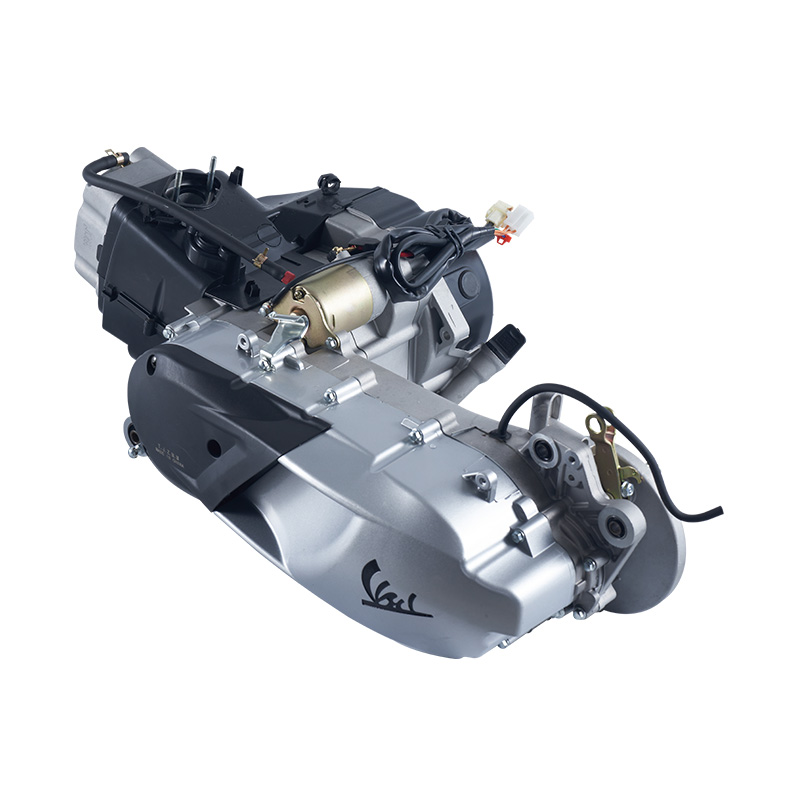
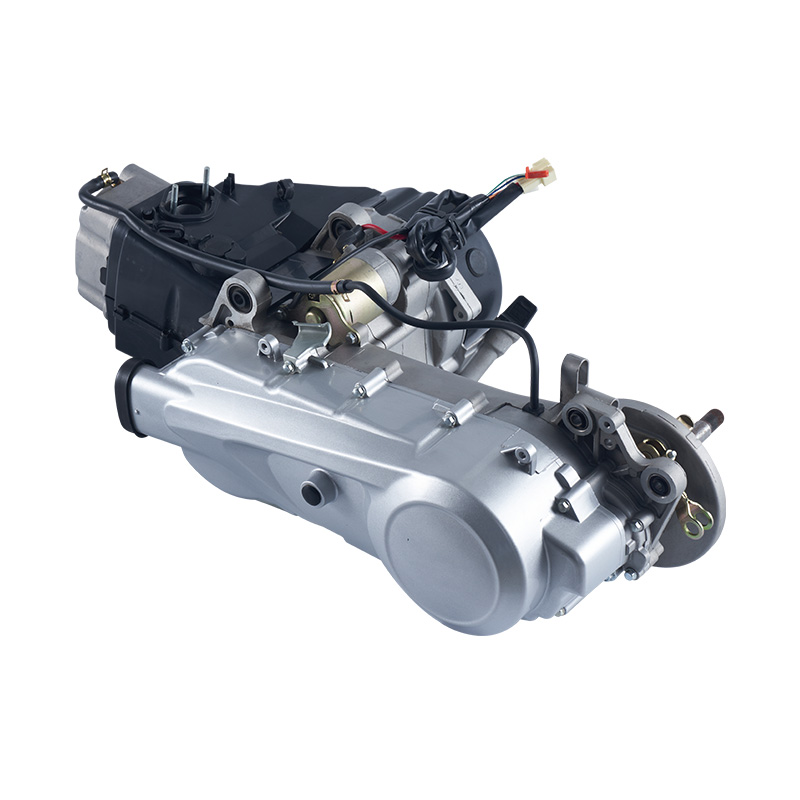
عربىNVX 4th 150cc Liquid-Cooled Electronic Fuel Injection High-Performance Scooter Motorcycle
The 4th Generation NVX 150cc, a high-performance liquid-cooled fuel-injected scooter motorcycle has been meticulous...
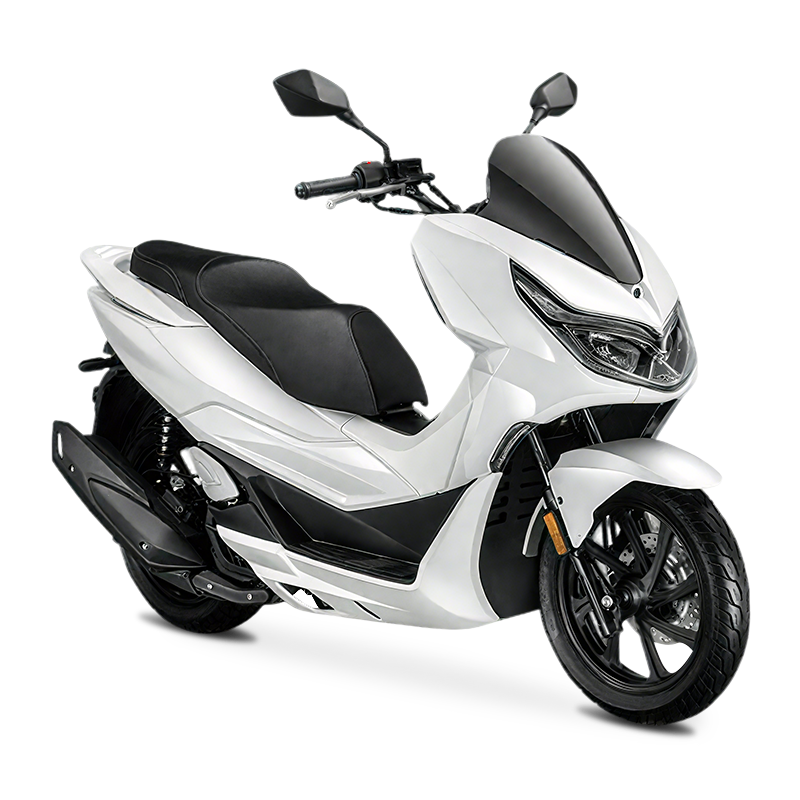
Picture someone picking up a scooter for the first time, maybe a college student who just bought one to get to classes, or a parent who wants a simpler way to run errands around the neighborhood. That first ride tends to go smoothly once the basic controls become familiar, the surroundings stay quiet enough to focus, and the rider builds habits one step at a time instead of rushing straight into busy streets.
A Water Cooled Scooter handles almost exactly like other automatic scooters from the rider's seat. The liquid-based cooling system does its job quietly in the background, managing engine heat without asking the rider to touch any extra control. What actually matters is spending time getting comfortable with the scooter itself before heading into real traffic.
Riding well has less to do with speed and more to do with making calm, deliberate choices, keeping a clear read on the road ahead, and understanding how the scooter reacts to whatever input the rider gives it.
The cooling system on a Water Cooled Scooter works mechanically in the background, quietly managing heat that builds up during engine operation. A rider going about a normal trip never needs to interact with it directly.
Sitting on the scooter, the controls someone actually touches stay familiar and straightforward.
| Control or Part | What It Does |
|---|---|
| Handlebars | Steer the scooter |
| Throttle | Controls how fast the scooter accelerates |
| Brake controls | Slow down or stop the scooter |
| Mirrors | Show what's happening behind and beside the rider |
| Display | Shows basic riding information |
| Seat | Supports the rider's weight and posture |
Before pulling out of the driveway, a new rider benefits from sitting on the stationary scooter and simply moving their hands between each control until the positions stop feeling unfamiliar.
Adjusting the mirrors matters too. A rider should be able to check what's happening behind and to the side without twisting their whole body awkwardly to see.
Reading through the owner's manual helps as well, since control layouts and starting steps can differ noticeably between scooter models, even ones that look similar sitting side by side in a parking lot.
A quick walk-around before heading out can catch small problems while they're still easy to deal with.
Someone getting ready for a ride might circle the scooter, glancing over tires, lights, mirrors, brakes, and the body panels for anything that looks off compared to normal.
A simple pre-ride habit could include:
The cooling system deserves a place in this routine too. Following the manufacturer's instructions for checking coolant levels and related parts helps catch small issues before they turn into bigger ones during a ride.
Opening a hot cooling system is never a good idea. If a warning light comes on, something smells unusual, fluid appears to be leaking, or the scooter just feels different than normal, pulling over and checking the service instructions makes more sense than continuing on and hoping the problem sorts itself out.
Building this walk-around into a normal part of leaving the house makes it far less likely to get skipped when someone's already running late.
A parking lot on a Sunday morning, an empty side street, a school parking area after hours — these kinds of quiet, open spaces make far better classrooms for a first ride than any busy road ever will.
Sitting comfortably with both hands on the handlebars, a new rider keeps their attention pointed ahead rather than down at their hands or feet.
Once ready to move, gentle throttle input gets the scooter rolling. Twisting the throttle suddenly tends to catch riders off guard, so small, controlled movements work better while still learning how the scooter actually responds.
Early practice sessions benefit from repeating a simple loop:
Doing this over and over builds a kind of muscle memory that no amount of reading alone can replace.
There's no reason to push speed during this stage. The whole point is understanding how throttle, steering, and braking relate to each other, so that once turns and stops start feeling natural, moving into wider turns and more deliberate stopping practice comes next.
Balance sits at the center of learning to ride any scooter well.
Keeping the body relaxed matters more than most new riders expect. Gripping the handlebars too tightly out of nervousness actually makes steering feel stiffer and less responsive, not more controlled.
Looking toward wherever the rider actually wants to go, rather than staring down at the front wheel, gives more time to notice changes in the road surface or nearby traffic before they become a problem.
A posture that tends to work well includes:
| Riding Habit | Why It Helps |
|---|---|
| Looking ahead | Gives more time to react to what's coming |
| Keeping shoulders relaxed | Cuts down on unnecessary tension |
| Holding the handlebars steadily | Keeps steering predictable |
| Sitting naturally | Helps the body find balance on its own |
| Positioning both feet properly | Keeps the ride stable at any speed |
At low speeds, a scooter tends to feel a bit wobblier than it does once moving at a steady clip. That's completely normal and just something to work through in an open space until slow-speed steering starts feeling more natural.
Large, jerky steering movements at low speed usually make things worse rather than better, so smaller adjustments tend to keep things more stable.
Gradual, smooth control beats sudden, sharp control almost every time.
The throttle decides how hard the scooter accelerates, and easing into it while paying attention to how the scooter responds teaches a rider a lot faster than yanking it open and hoping for the best.
Brakes work the same way. Applying them progressively, rather than waiting until the last possible second, gives the scooter time to slow down smoothly instead of lurching.
Some habits worth building early:
Braking systems can vary between different scooter models, so getting to know exactly how a particular scooter responds before riding in traffic matters more than assuming every scooter brakes identically.
Practicing braking in a quiet spot helps a rider learn how much pressure a normal stop actually requires, which becomes second nature after enough repetition.
Emergency situations obviously call for faster reactions than routine stopping practice. Still, regular practice sessions work best when they focus on controlled, familiar movements rather than trying to simulate panic scenarios every time.
Turning well starts before the turn even begins.
Looking through the turn, meaning glancing toward where the road curves rather than fixating on the pavement directly ahead, helps a rider anticipate what's coming. Slowing down before entering a corner, instead of braking hard halfway through it, keeps the whole maneuver smoother.
A typical turn breaks down into a few steps:
Sharp, sudden movements rarely help during a normal turn, unless something in the road genuinely calls for an immediate reaction.
Wet pavement, loose gravel, painted road markings, and uneven surfaces all reduce how much grip the tires actually have. Slowing down and taking a bit more care in these conditions makes a real difference.
The same logic applies to U-turns. Practicing those only in open spaces without nearby traffic keeps the learning process low-pressure while the movement itself becomes familiar.
Road awareness becomes a much bigger deal the moment a rider leaves a quiet practice area behind.
A scooter takes up far less space on the road than a car or truck, which means other drivers don't always spot it as quickly as they'd spot a larger vehicle.
Positioning matters here. Riding somewhere that gives a clear view of the road, while still following local traffic rules, helps a rider stay visible and aware at the same time.
Things worth watching for on any ride:
Lingering in another vehicle's blind spot longer than necessary tends to create unnecessary risk, so moving through that space rather than sitting in it makes sense.
Using turn signals before changing direction or lane position, and checking surroundings before actually moving, keeps other drivers better informed about what the scooter's about to do.
A genuinely useful mental habit is assuming that other drivers haven't necessarily seen the scooter yet. That assumption tends to encourage more careful positioning and buys a rider extra time to react if something unexpected happens.
For everyday riding, no. A Water Cooled Scooter doesn't ask for a different driving approach just because of how it manages engine heat.
The cooling system works quietly in the background while the rider focuses on the actual task of operating the vehicle, steering, braking, and watching the road.
That said, paying attention to warning signs still matters. An unusual temperature warning light, an unfamiliar smell, visible fluid loss, or the scooter simply behaving differently than normal are all reasons to find a safe spot to pull over and check the owner's manual for next steps.
Opening a hot cooling system right after noticing a problem isn't a good idea. Heated fluid can cause burns, so waiting for things to cool down before investigating further protects the rider from an avoidable injury.
Regular maintenance keeps the cooling system, and the scooter overall, running the way it's supposed to. A rider doesn't need to obsess over it during every single ride. Basic awareness paired with consistent maintenance tends to cover what actually matters.
Confidence with a scooter comes from repetition, plain and simple.
Trying to absorb everything on a busy road at once creates pressure that makes learning harder, not easier. A quieter setting lets a new rider isolate one skill at a time instead of juggling everything simultaneously.
A practical way to build skills might look like this:
Getting comfortable starting, stopping, steering, and balancing before worrying about anything else.
Learning to control the scooter confidently even when moving at a crawl.
Practicing gentle, low-pressure turns in an open space.
Getting a feel for how the scooter responds to gradual, controlled braking.
Starting to practice observation habits and road positioning before jumping into anything complicated.
Moving into busier streets only once the earlier skills feel genuinely comfortable, not just technically completed.
Nobody needs to rush this process. People pick up riding skills at different paces, and there's nothing wrong with taking longer than expected to feel ready.
Formal rider training, where it's available, offers structured lessons and supervised practice that can speed up this whole process meaningfully.
Once the basics feel solid, a handful of small habits tend to make daily riding noticeably more pleasant.
Planning a route ahead of time, thinking through which roads tend to get busy and when, helps avoid unnecessary surprises mid-ride.
Leaving home a bit earlier than strictly necessary removes the temptation to rush, which tends to lead to sloppier decisions on the road.
Staying focused during the ride itself matters too. Checking a phone or getting distracted by anything else takes attention away from a task that genuinely needs it.
A few habits worth adopting:
| Habit | Practical Benefit |
|---|---|
| Planning the route | Cuts down on unexpected decisions mid-ride |
| Checking the scooter beforehand | Catches visible problems early |
| Watching traffic closely | Builds sharper road awareness |
| Keeping distance from other vehicles | Leaves more time to react |
| Riding smoothly | Makes overall control easier |
| Taking breaks on longer rides | Helps maintain focus over time |
Weather changes the whole experience too. Rain cuts down visibility and reduces how much grip the tires have on the road. Strong wind can push against the scooter and affect balance. Adjusting speed and following distance in response to these conditions just makes sense.
Riding at night calls for extra attention as well, since visibility drops and other drivers may have a harder time spotting a scooter in low light.
Protective gear plays a real role in scooter riding, not just as a formality.
A properly fitted helmet, worn according to local law, protects against the kind of injury that even a low-speed fall can cause. Additional protective clothing adds another layer of protection if something goes wrong.
Following local traffic rules isn't optional, and riding while tired, distracted, or otherwise not fully focused puts a rider at unnecessary risk.
Before heading into real traffic, a rider should feel genuinely comfortable with the scooter's controls, not just technically aware of where they are.
A few habits worth keeping close:
Riding a Water Cooled Scooter becomes second nature with enough time and practice. The cooling system quietly does its job in the background, while careful control, steady observation, thorough preparation, and consistent practice remain what actually shapes a good, safe rider over time.
E-mail: [email protected]
Tel: +86-13806579227/+86-576-88011088
ADD: Hongjiachaiyang Industrial Zone, Jiaojiang District, Taizhou City, Zhejiang Province, China
China Scooter Motorcycle Manufacturer & Factory