English
  中文简体
中文简体 русский
 Español
 عربى
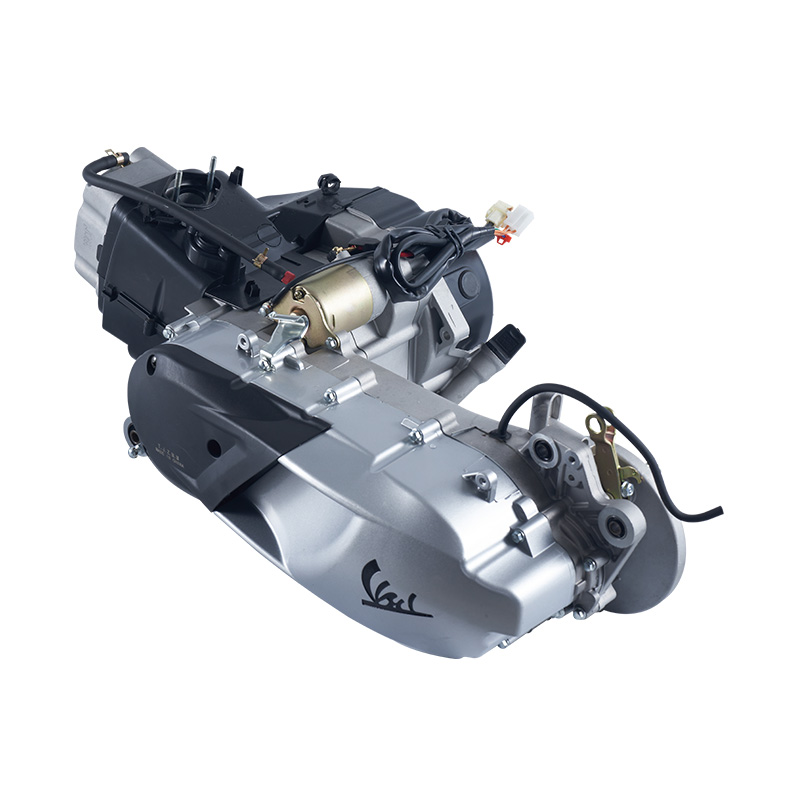
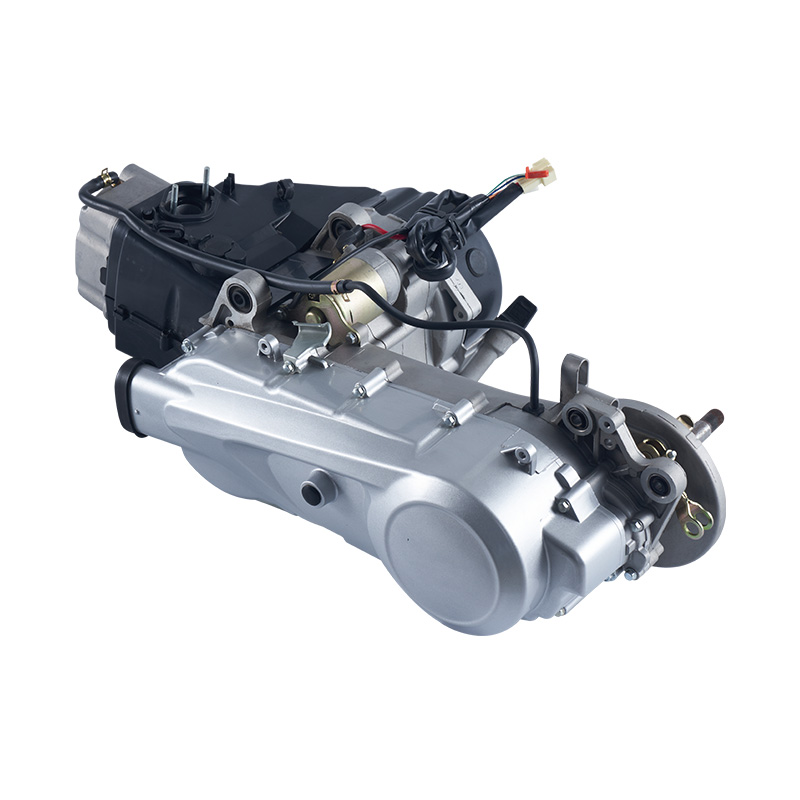
عربىNVX 4th 150cc Liquid-Cooled Electronic Fuel Injection High-Performance Scooter Motorcycle
The 4th Generation NVX 150cc, a high-performance liquid-cooled fuel-injected scooter motorcycle has been meticulous...
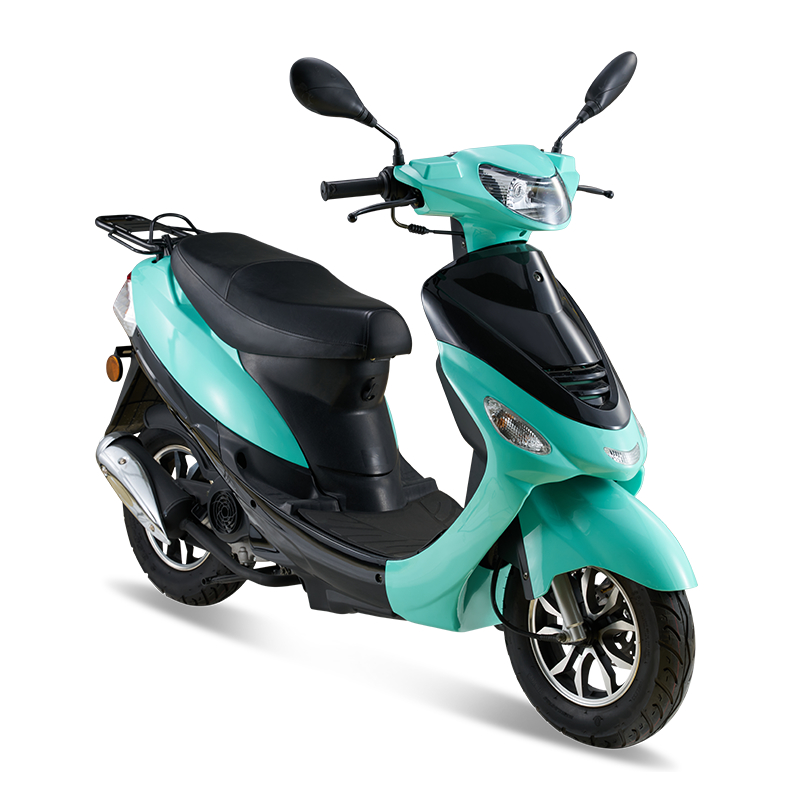
Someone squeezing between double-parked delivery vans on a narrow downtown street, looking for a spot to tuck a vehicle in before a meeting, is exactly the kind of daily situation that makes a Lightweight 50cc Moped worth considering. A Lightweight 50cc Moped can be practical for city travel because its compact size, manageable handling, and simple daily-use format fit many short urban journeys without much fuss. City riders often face a genuinely different set of needs from people traveling long distances between towns. Narrow streets, frequent stops, limited parking, and busy traffic can make a smaller vehicle genuinely appealing in ways a larger motorcycle can't quite match.
Urban travel is rarely about covering a large distance in one continuous ride from point A to point B. Many trips involve moving between homes, workplaces, shops, schools, and local services scattered across a few neighborhoods. A vehicle that's genuinely easy to handle in these situations can make everyday travel feel genuinely less demanding on a Tuesday afternoon.
The appeal of a small moped also comes from its genuinely straightforward character. Riders may want a vehicle that's easy to store in a small apartment courtyard, simple to operate without a steep learning curve, and convenient for short journeys that don't call for a full motorcycle. These qualities can matter genuinely as much as speed or carrying capacity once someone's actually living with the vehicle day to day.
At the same time, not every urban rider has the same expectations walking into a dealership. Road conditions, local rules, weather, parking arrangements, and travel habits all influence whether a particular moped genuinely suits their situation.
A lightweight design can make a moped genuinely easier to manage during low-speed urban travel, parking, and everyday maneuvering through tight spaces. City streets often require frequent changes in direction and regular stops at intersections, so a manageable vehicle can prove genuinely useful throughout a normal commute.
A compact moped can be genuinely easier to move into a parking position than a larger motorcycle would be. This becomes particularly noticeable in residential areas, apartment buildings, small commercial spaces, and crowded parking areas where every inch of curb counts.
Weight can also affect how a rider handles the vehicle once it's not moving at all. Parking isn't always a simple matter of riding into an open space and switching off. Riders may need to reposition the vehicle by hand, move it around an obstacle blocking the spot, or store it in a genuinely confined area behind a gate.
This practical side of ownership is genuinely easy to overlook when comparing motorcycles on a showroom floor.
A city vehicle may spend a genuinely significant amount of time being parked, rather than moving through traffic. A design that's manageable both on and off the road can therefore prove useful for everyday travel in ways a spec sheet doesn't capture.
Compact dimensions can also help when navigating narrow urban streets lined with parked cars. The rider still needs to follow local traffic rules and maintain a safe position on the road, but a smaller vehicle can feel genuinely easier to manage in tight surroundings squeezed between traffic.
| Urban Need | Why a Compact Moped Can Help |
|---|---|
| Short trips | Fits routine local travel |
| Parking | Easier to position in limited spaces |
| Narrow streets | Manageable in smaller road environments |
| Frequent stops | Convenient for stop-and-go journeys |
| Storage | May fit smaller storage areas |
| Local errands | Practical for everyday movement |
The benefit is therefore not simply that the vehicle is small for its own sake. Its size can influence how genuinely easily it fits into the complete rhythm of city life, from the morning commute to a quick grocery run.
Engine design affects how a small moped genuinely feels during everyday travel, particularly when the vehicle gets used for short trips and repeated starts throughout the day. Riders usually care genuinely more about smooth response, predictable operation, and practical usability, rather than technical complexity buried under the seat.
Urban travel often involves frequent acceleration and deceleration in quick succession. Traffic lights, intersections, pedestrian areas, and changing road conditions can interrupt a journey many times over a single trip across town.
A suitable engine arrangement should work with this type of riding pattern rather than fight against it. The rider may also place genuinely more value on easy control than on performance designed for long-distance highway travel.
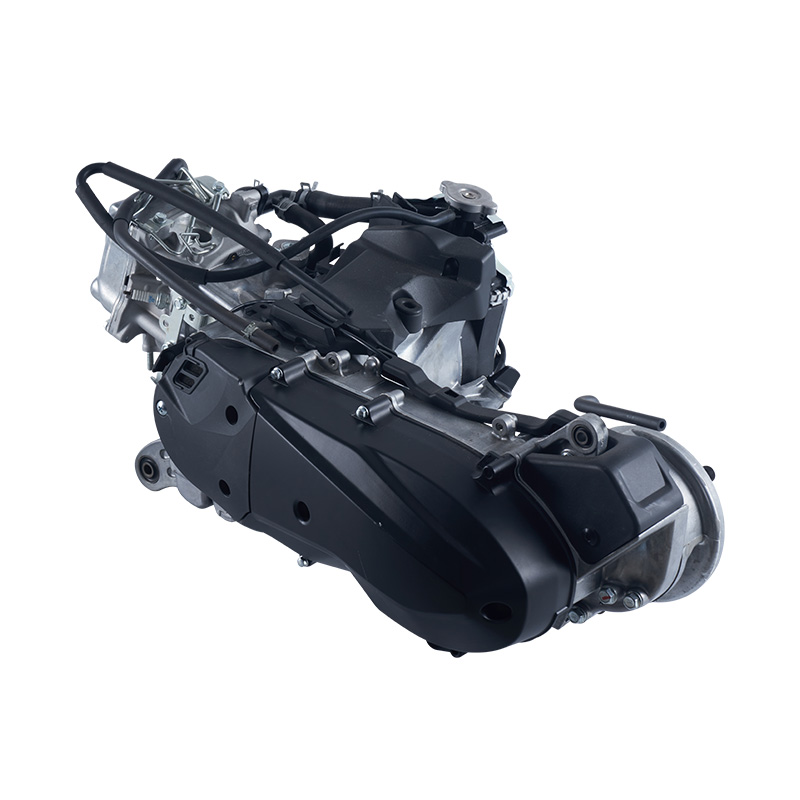
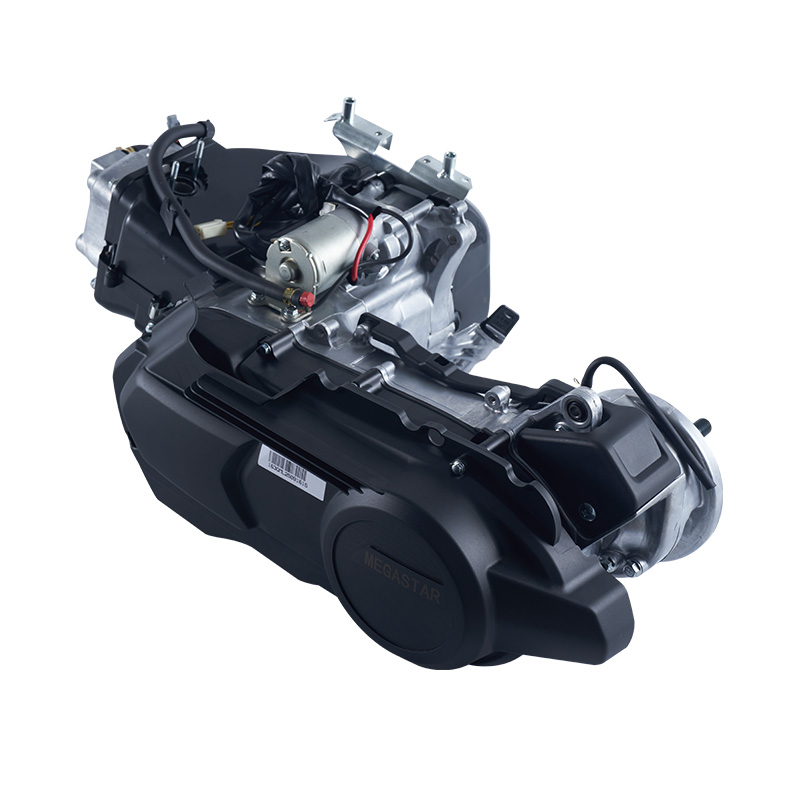
Cooling design is another part of the conversation worth understanding. A Liquid Cooled Scooter Engine can be considered for applications where engine temperature management is a genuinely important part of the vehicle design, particularly in hotter climates or stop-and-go traffic that keeps the engine working. Whether such an arrangement is genuinely appropriate depends on the overall vehicle design and intended use pattern.
Engine selection shouldn't get separated from the rest of the moped as if it exists on its own. The engine, frame, wheels, controls, and riding position all contribute together to how the vehicle actually behaves in daily traffic.
For city users, a genuinely balanced design can prove more useful than focusing on one individual feature in isolation.
The intended journey should guide the decision from the start. A rider who mainly travels between nearby locations may have genuinely different expectations from someone who regularly combines city roads with longer routes out to the suburbs.
Different Scooter Motorcycle Types serve genuinely different travel habits, so riders should consider how they actually use a vehicle before choosing one off a lot. A compact scooter may suit short urban trips around a few neighborhoods, while another design may be genuinely more appropriate for mixed or longer-distance travel spanning a wider area.
Some riders prioritize easy parking above everything else. Others need additional storage for shopping bags or work equipment they carry daily. Some care genuinely more about comfort during longer journeys, while others mainly want simple transportation around their immediate neighborhood.
The riding environment also changes the decision considerably.
A rider living in a dense city center may deal with narrow roads and genuinely limited parking near their building. Someone in a suburban area may travel genuinely farther and encounter wider roads with fewer stops along the way.
This means there's genuinely no single format that fits every urban rider equally well.
A useful comparison can focus on several areas worth thinking through.
A smaller moped can be genuinely attractive when most journeys are short and the rider values easy handling over raw power. A larger motorcycle may make genuinely more sense when longer trips, heavier loads, or different road conditions are genuinely part of everyday travel for that person.
The decision should reflect actual use, rather than the appearance of the vehicle sitting on a showroom floor.
Maneuverability matters because urban riding involves frequent turns, stops, parking movements, and changes in road position throughout a single trip. A vehicle that feels genuinely manageable at lower speeds can make these everyday situations genuinely easier to handle without stress.
City streets are rarely predictable from one block to the next. A delivery vehicle may stop ahead without warning. A pedestrian may approach a crossing unexpectedly. A parked car may narrow the available road space right when a rider needs room.
Riders need to respond to these situations while maintaining genuinely appropriate awareness of surrounding traffic at all times.
A compact moped can be genuinely convenient for these conditions because its physical size may make low-speed movement genuinely easier to manage in tight quarters. The rider can focus on positioning the vehicle, rather than dealing with a large physical footprint that won't fit through a gap.
Parking is another area where maneuverability becomes genuinely valuable to daily life.
A city rider may park at a small shop, workplace, apartment building, or local service area several times during a normal week without thinking twice. If the vehicle is genuinely easy to position, these repeated tasks become genuinely less complicated over time.
This doesn't remove the need for safe riding, of course. Smaller dimensions don't mean a rider can ignore traffic conditions around them. Good visibility, appropriate road positioning, protective equipment, and awareness remain genuinely important regardless of vehicle size.
The practical benefit comes from matching the vehicle's characteristics with the environment it'll actually operate in.
Storage can make a genuinely noticeable difference to the practicality of a moped because city riders often combine transportation with everyday errands on the same trip. A vehicle used for commuting may also need to carry small personal items, groceries, work materials, or rain gear tucked away somewhere.
A compact design can sometimes create a genuine storage challenge worth thinking through. Smaller vehicles have genuinely less room for built-in storage, so buyers should consider what they normally carry before assuming it'll fit.
The issue isn't simply how much space is available under the seat. Storage should also be genuinely convenient to access and suitable for the rider's daily routine, not buried under something else.
A commuter may need room for personal belongings like a laptop bag. A shopper may need space for small purchases picked up on the way home. A service worker may have genuinely different requirements again, carrying tools or supplies.
Some riders may prefer external storage solutions like a rear rack, while others may choose a model with integrated compartments built into the design.
Before making a decision, buyers can think through a typical day in some detail. What needs to get carried to work or school in the morning? Will the vehicle get used for additional errands in the afternoon? Is there enough convenient storage for items collected during the day by evening?
This simple exercise can reveal whether the vehicle's storage arrangement genuinely fits the rider's actual routine, rather than an idealized version of it.
A practical urban vehicle should support the whole journey, not just the time spent moving between two points on a map.
Comfort remains genuinely important even when journeys are short, because repeated daily trips can add up considerably over time. A vehicle used for commuting may get ridden frequently, so small differences in seating, riding position, controls, and vibration can become genuinely noticeable after a few weeks of ownership.
Urban travel can also involve genuinely frequent stopping at lights and crossings. A comfortable riding position can make these repeated changes genuinely easier to manage without fatigue setting in.
The shape of the seat matters here more than people expect. So does the relationship between the rider and the controls positioned around them. A design that feels genuinely natural to one rider may feel genuinely less suitable to another, because people have different body shapes and riding preferences shaped by experience.
Weather is another factor worth considering carefully.
A small moped is often used for practical daily travel, which means riders may encounter heat, rain, wind, or cooler conditions depending on the season. Buyers should consider how the vehicle will genuinely fit into their normal riding environment across different times of year.
Comfort should therefore get viewed as part of usability, rather than as a luxury feature reserved for bigger bikes.
A vehicle that's easy to ride but genuinely uncomfortable for the intended journey may not provide the practical experience the buyer expected when they made the purchase.
Maintenance should get considered before purchase because a city vehicle may be used genuinely frequently and exposed to changing road and weather conditions throughout the year. Regular care can help owners identify wear or problems before they interfere with normal transportation on a day someone can't afford delays.
A buyer should understand what routine checks the vehicle actually requires going in. These may involve the tires, brakes, lights, controls, engine-related components, and other parts that naturally require attention over time.
The maintenance environment matters here as well, depending on where someone lives.
Some owners have access to a professional service center nearby. Others prefer a vehicle that's genuinely easy to inspect and maintain locally without specialized tools. The availability of suitable service support can influence genuinely long-term convenience more than people initially consider.
Storage conditions can also affect maintenance needs considerably. A vehicle kept outdoors may face genuinely different environmental exposure from one stored in a covered area protected from rain and sun.
Cleaning is another practical consideration worth factoring in. City roads can expose vehicles to dust, dirt, moisture, and other materials that build up over weeks.
A simple maintenance routine can help the owner keep track of the vehicle's condition without much hassle. Buyers should also follow the manufacturer's maintenance instructions and local safety requirements rather than guessing at intervals.
The goal isn't eliminating maintenance entirely, since that's not realistic. It's understanding what ownership genuinely involves before making a purchase decision.
Buyers should match the moped with their real travel routine, rather than choosing based on appearance or one isolated feature that caught their eye. A vehicle can look genuinely suitable in a showroom but feel genuinely less practical once it's used for the buyer's actual daily journey through real streets.
A useful checklist includes several points worth walking through carefully.
A Lightweight 50cc Moped can genuinely make sense for riders whose transportation needs center on manageable city journeys, convenient parking, and simple local mobility around a familiar area. Its practicality ultimately depends on how well its design genuinely matches the rider's roads, routines, storage needs, comfort expectations, and local requirements, rather than how it looks parked outside a dealership.
E-mail: [email protected]
Tel: +86-13806579227/+86-576-88011088
ADD: Hongjiachaiyang Industrial Zone, Jiaojiang District, Taizhou City, Zhejiang Province, China
China Scooter Motorcycle Manufacturer & Factory