English
 中文简体
 русский
 Español
 عربى
NVX 4th 150cc Liquid-Cooled Electronic Fuel Injection High-Performance Scooter Motorcycle
The 4th Generation NVX 150cc, a high-performance liquid-cooled fuel-injected scooter motorcycle has been meticulous...
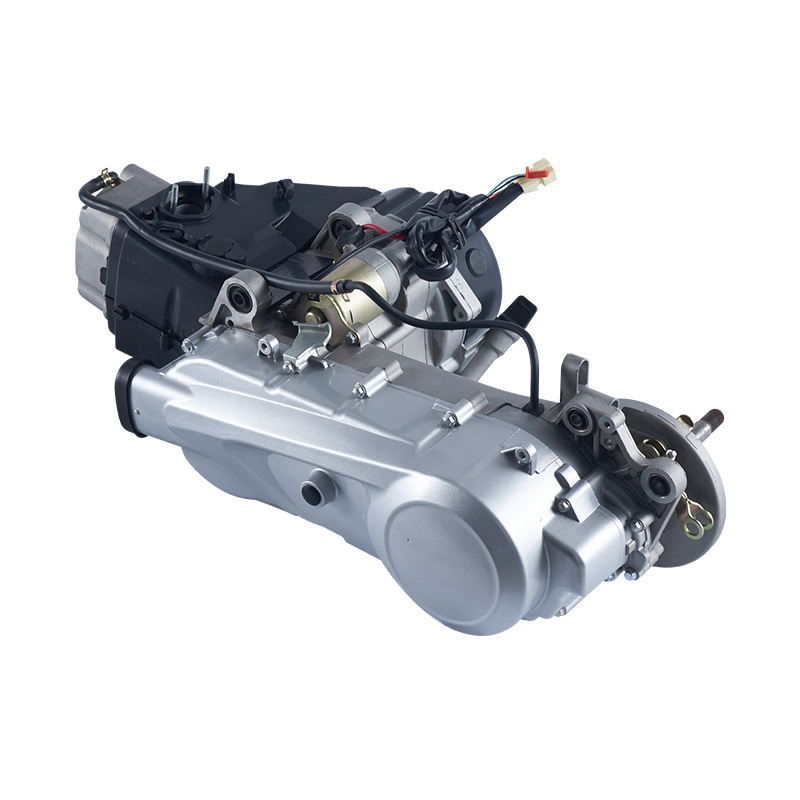
City traffic forces a scooter engine through constant stops, short accelerations, and stretches of slow crawling. Each pause cuts the air that normally moves across the cylinder, and each restart asks for power while heat is already building. In thick congestion the engine sits with almost no airflow for long stretches. Warm weather or extra weight on the scooter makes the temperature climb faster. How well the engine is looked after also plays a part. Choosing an engine for daily city work means looking at the cooling layout, the size range, the real conditions it will face, and the upkeep it needs—not simply one figure on a label.
Urban roads rarely give long runs at steady speed. Lights, slow traffic, and sudden bursts keep the engine moving between idle and load. Air-cooled designs depend on moving air to pull heat from the cylinder and head. When the scooter slows or stops, that air drops away and heat starts to collect more easily, especially on hot days or when the scooter is carrying more weight. Congestion, the temperature outside, the load being carried, and the condition of the engine itself all shape how high the temperature climbs. Matching the engine to these everyday conditions helps it stay more consistent over time.
Cooling fins expand the surface that meets the air. As the scooter moves, air flows over those fins and carries heat away from the cylinder and the head. More surface means more chance for heat to escape.
At low speeds or while the scooter is still, natural airflow falls off sharply. Heat transfer slows and the engine temperature can rise, particularly when the air outside is already warm or traffic stays dense. The way the engine is built and how it is kept clean become more important here. Clean fins let air pass freely, the right oil level keeps internal parts lubricated, and steady running within normal limits lets the cooling surfaces do their work.
How the engine behaves under stop-and-go riding depends on its overall design, the conditions it meets each day, and the care it receives. A displacement that fits ordinary scooter work supplies enough response for city acceleration without forcing the unit into constant high load. Repeated starts, long idle stretches, and heavier loads all raise the heat the engine must handle. Riding that avoids unnecessary strain and regular checks of oil and cooling surfaces support more reliable day-to-day running.
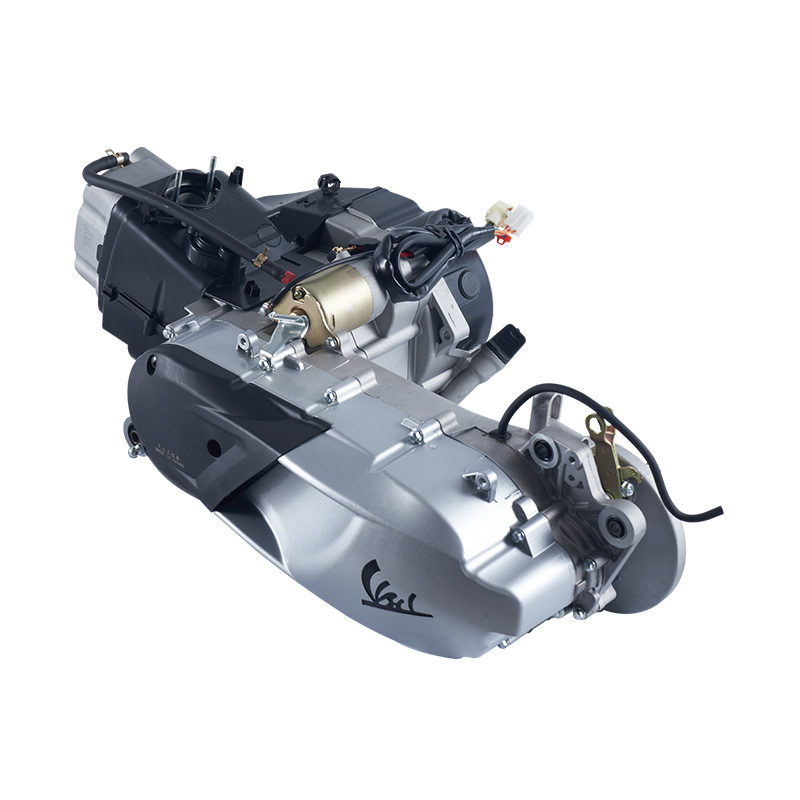
The Scooter Motorcycle Engine and 170cc Engine of this type are judged by design, how they fit the vehicle, and the operating notes that come with them rather than any claim of unlimited tolerance for congestion.
Outside temperature and traffic density affect how quickly heat can leave the engine. Hot weather together with long periods of sitting still reduces the air available for cooling and lets temperatures climb more readily.
Engine load and the way the scooter is ridden add further demand. Frequent hard acceleration, carrying extra weight, or holding higher loads for longer stretches increase the heat the cooling surfaces must manage.
Keeping the fins clear and the oil in good condition also matters. Dirt or debris on the fins cuts the surface available for heat transfer. Using the oil type and change intervals given for the engine keeps internal lubrication effective and supports overall thermal control.
| Factor | Influence on Cooling | Practical Attention Point |
|---|---|---|
| Outside temperature | Higher heat reduces cooling margin | Extra care on warm days |
| Traffic density | Limited airflow during stops | Limit long idle when possible |
| Riding load | Extra weight raises thermal demand | Keep load within normal range |
| Fin and oil condition | Dirt or low oil slows heat transfer | Keep surfaces clear and oil at proper level |
Air-cooled engines move heat through exposed surfaces and the air that passes over them. Liquid-cooled engines circulate coolant through internal passages and a radiator. The two layouts differ in structure and in the parts that need attention over time.
Maintenance needs differ as well. Air-cooled units center on clean fins and correct oil. Liquid-cooled systems add checks for coolant level, hose condition, and radiator cleanliness. Neither system runs without upkeep.
Vehicle layout, typical traffic, preferred maintenance style, and the intended use all guide the choice. An air-cooled design with a straightforward structure remains one option worth looking at when a simpler layout is preferred.
Cooling fins and the air paths around them should stay free of dirt or blockages so heat can leave freely. Oil level needs regular checks and changes according to the schedule given for the engine. Unusual noise, reduced response, or signs of excess heat call for prompt inspection. Long periods of idling or heavy loads under unfavorable conditions are best limited. Following the inspection and service guidance supplied with the engine helps keep operating temperatures steady.
Nominal displacement, overall configuration, cooling method, and the performance range described by the manufacturer give a starting point for evaluation. Mounting points, shaft or transmission interfaces, and electrical connections must match the intended scooter frame. The cooling structure itself and the guidance given for operating conditions show whether the engine aligns with the expected riding environment. Available drawings, installation notes, maintenance information, and parts details complete the picture needed for a practical decision.
Air-cooled engines manage heat through surface area and airflow, conditions that change constantly in urban traffic. Stop-and-go behavior depends on cooling design, the load placed on the engine, surrounding temperature, and ongoing maintenance. Matching the engine specifications to the scooter and the actual riding conditions remains the reliable path. The 170CC Air Cooling Overhead Suspension Scooter Engine stands as one configuration available for review when air-cooled scooter applications are under consideration. Checking the full product details, confirming installation fit, and seeking technical clarification based on the intended use supports a clearer selection process.
Taizhou Jiaojiang Zhiwei Motorbike Manufacture Co., Ltd. produces scooter engines and related components for daily commuting applications.
E-mail: [email protected]
Tel: +86-13806579227/+86-576-88011088
ADD: Hongjiachaiyang Industrial Zone, Jiaojiang District, Taizhou City, Zhejiang Province, China
China Scooter Motorcycle Manufacturer & Factory