English
  中文简体
中文简体 русский
 Español
 عربى
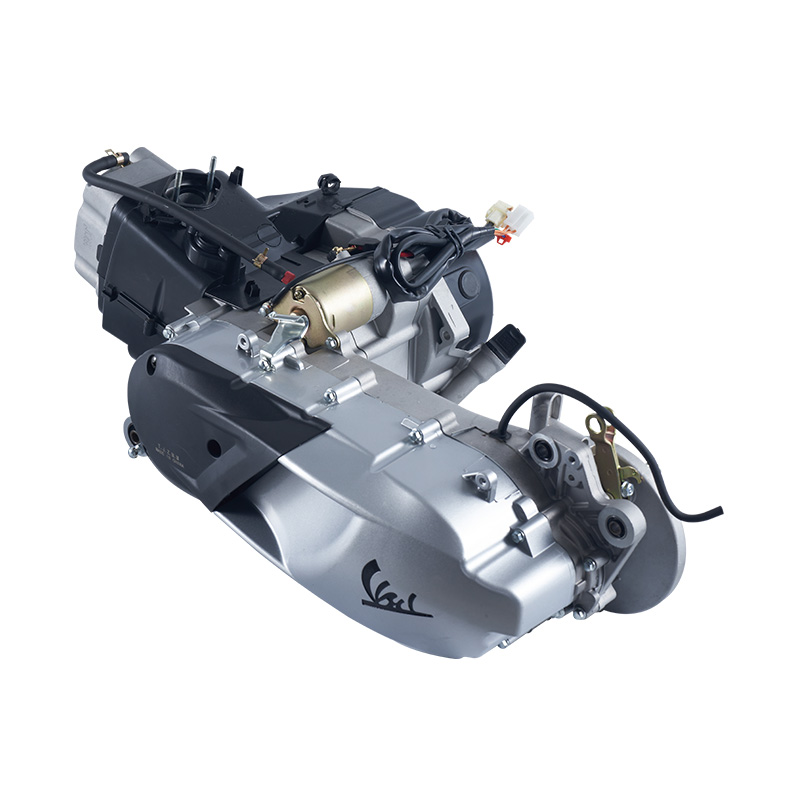
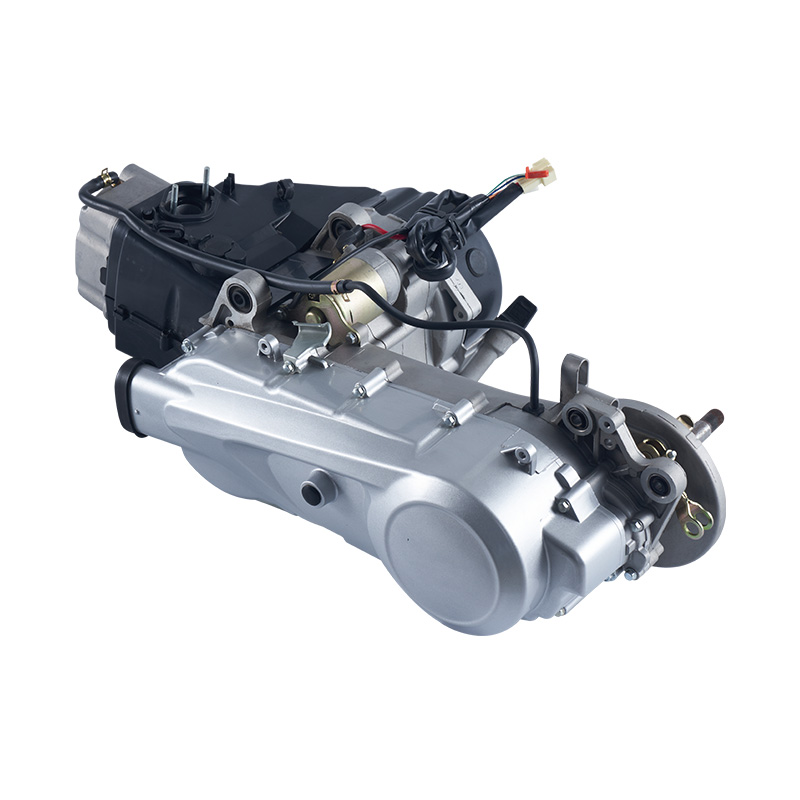
عربىNVX 4th 150cc Liquid-Cooled Electronic Fuel Injection High-Performance Scooter Motorcycle
The 4th Generation NVX 150cc, a high-performance liquid-cooled fuel-injected scooter motorcycle has been meticulous...
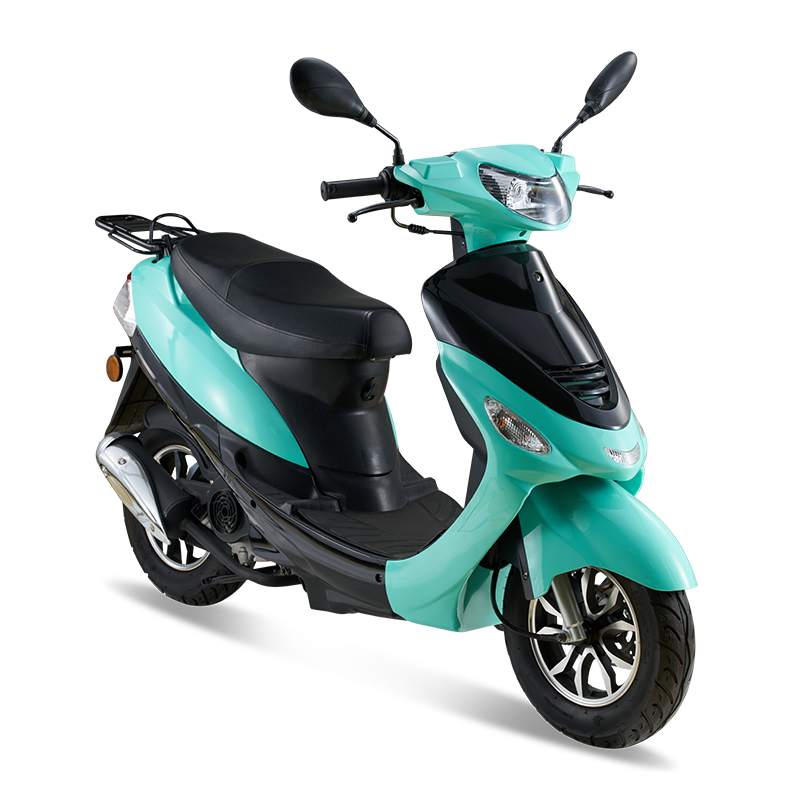
A morning class starts in fifteen minutes. The bus stop has a long line. Walking takes half an hour. A bicycle works, but the parking rack fills up early. Many students face this same daily challenge. Moving between dorms, lecture halls, and part-time jobs requires a reliable way to get around. A Gas Scooter Motorcycle offers a practical solution for campus and residential area transportation. This article explains how to choose between lightweight models, 125cc scooters, and street legal options for student mobility.
A Gas Scooter Motorcycle combines the step-through frame of a scooter with a gasoline engine. Unlike a traditional motorcycle, the rider sits with feet together on a flat floorboard. The engine sits near the rear wheel. This design makes the vehicle easy to mount and stable at low speeds. Students find scooters appealing because they cost less to buy and operate than cars. Parking a scooter takes much less space. Fuel stops happen less often than charging an electric scooter, which matters for students without dedicated parking near a power outlet.
A traditional motorcycle has a fuel tank between the rider knees. The rider swings a leg over the seat. Scooters have a lower center of gravity and smaller wheels. Motorcycles handle highway speeds better. Scooters shine in stop-and-go campus traffic. The automatic transmission on most scooters removes the need to shift gears. A student learning to ride picks up scooter controls faster than a manual motorcycle clutch.
College campuses have speed limits around fifteen to twenty-five miles per hour. A scooter operates comfortably in that range. The small size allows riders to filter through slow car traffic. Parking lots with designated motorcycle spaces fill up, but scooters fit into corners and edges where cars cannot go. Many students live off-campus in residential areas within a few miles of classes. That distance suits a scooter perfectly.
Residential streets have stop signs, speed bumps, and pedestrian crossings. A lightweight scooter responds quickly to braking and turning. The rider sees over parked cars easily because the seat height sits at a practical level. Gas scooters refuel at any station. No waiting for a battery to charge between trips.
| Feature | Benefit for Students |
|---|---|
| Step-through frame | Easy to mount with backpack or bag |
| Small wheels | Quick turning in tight spaces |
| Automatic transmission | No clutch or gear shifting to learn |
| Gas engine | Fast refueling, no charging time |
Daily routines demand efficiency. A scooter turns a twenty-minute walk into a five-minute ride.
Trips under five miles represent the majority of student travel. A scooter engine operates efficiently in this range. Walking or biking works, but a scooter reduces sweat and fatigue. Arriving to class without being out of breath matters on hot days.
Campus parking authorities often provide designated motorcycle and scooter zones near building entrances. These spaces go unused by cars. A scooter rider parks close to the door while car drivers circle lots looking for any open spot.
Neighborhood streets with narrow lanes and parked cars require careful handling. A lightweight scooter weaves through gaps that a car cannot manage. The rider stops easily at crosswalks and yields to children or pets.
Bus schedules do not always align with class times. A late evening class might end after the last bus runs. A scooter operates on the rider schedule, not a printed timetable.
A student might travel from a dorm to a dining hall, then to a library, then to a gym, and finally back home. Each leg of that trip waits for no bus. The scooter carries the rider directly point to point.
Insurance costs less for a small scooter than for a car. Fuel consumption runs low. A single tank of gasoline can cover a week of campus travel. Maintenance needs are simple. Oil changes, air filters, and tires cost a fraction of car parts.
Not every small scooter can legally operate on public roads. Understanding street legality prevents tickets and towing.
A street legal scooter meets equipment requirements for road use. Headlights, taillights, turn signals, mirrors, and a horn must work. The vehicle needs a manufacturer title and a registration number. Some areas require a license plate and proof of insurance.
A scooter that lacks street legal features can only ride on private property. A campus might qualify as private property, but the roads between campus and residential areas are public. Without legal status, a rider risks fines and having the vehicle impounded.
Most regions require scooters with engines larger than fifty cubic centimeters to register like a motorcycle. Smaller engines sometimes classify as mopeds with simpler rules. Check local laws before buying.
A student living in a dorm might never leave campus. Some universities allow non-legal scooters on internal roads. A student renting a house off-campus must travel public streets. That rider needs a fully legal vehicle.
Police enforcement varies by area. A routine traffic stop reveals missing equipment. The vehicle gets towed. The rider pays fines and storage fees. Buying a street legal scooter from the start avoids these problems.
A scooter that cannot legally reach class does not solve the transportation problem. Check the legal status before looking at price or style. A cheap non-legal scooter saves money until the first traffic stop. After that, it becomes expensive.
Scooter Motorcycle 125cc vs Lightweight Scooter Motorcycle — Key Performance Differences
A 125cc engine produces enough power to maintain thirty to forty miles per hour comfortably. Hill climbs cause less strain than on smaller engines. Two riders can travel together without the engine straining. The extra weight of a 125cc scooter adds stability at speed.
Lightweight scooters often have engines from fifty to seventy cubic centimeters. The whole vehicle weighs less. A student living upstairs carries nothing heavy. Pushing the scooter into a tight parking spot takes less effort. New riders feel more confident on a lightweight machine.
From a stop sign, a 125cc scooter pulls away faster. The rider merges into traffic with confidence. A lightweight scooter accelerates more slowly. The rider waits for a larger gap in traffic.
Smaller engines burn less fuel. A lightweight scooter might run sixty or more miles per gallon. A 125cc scooter still returns good efficiency, often above fifty miles per gallon. The difference matters for a student on a tight budget.
A lightweight scooter fits into smaller gaps. The rider lifts the rear end to pivot into a tight spot. A 125cc scooter weighs more. The rider rolls it into place rather than lifting.
| Consideration | Lightweight Scooter | 125cc Scooter |
|---|---|---|
| Engine size | 50–70cc | 125cc |
| Weight | Lower | Higher |
| Acceleration | Slower | Faster |
| Hill climbing | Moderate | Strong |
| Two-up riding | Not recommended | Possible |
| Parking ease | Very easy | Easy |
A student living within one mile of campus on flat roads chooses a lightweight scooter. The short distance and low speed limits make power unnecessary. A student living three miles away with a hill on the route chooses a 125cc scooter. The extra power handles the incline and maintains safe speed with traffic.
A hybrid scooter combines a gasoline engine with an electric motor. The concept sounds attractive, but real-world differences matter for student buyers.
Gas scooters have simple mechanical systems. Any mechanic with small engine experience can work on them. Fuel stations exist everywhere. A student runs low on gas, stops for five minutes, and continues riding. No waiting for a battery charge.
A hybrid scooter switches between power sources or uses both together. In theory, the system saves fuel. In practice, hybrids weigh more. The extra weight hurts handling. The complexity adds repair costs. For daily short trips, a standard gas scooter often makes more sense.
A gas scooter engine needs oil changes, spark plugs, air filters, and valve adjustments. Those services cost little. A hybrid engine adds an electric motor, a battery pack, and a control module. Repairs require specialized knowledge.
Hybrid scooters cost more to buy. The fuel savings may not recover the higher purchase price within a typical student ownership period of two to four years. A gas scooter offers lower entry cost and predictable expenses.
A student living on campus with very short trips might consider an electric scooter instead of a hybrid. A student commuting longer distances prefers the simplicity of gas. The hybrid sits in an awkward middle space. For most students, a well-chosen gas scooter works fine.
Decision making starts with honest answers about daily needs.
Measure the round trip from home to campus and between buildings. One mile favors a lightweight scooter. Five miles with traffic lights points to a 125cc model.
A scooter used every day needs durability. Look for models with serviceable parts. A scooter used twice a week can tolerate simpler construction.
Smooth pavement works for any scooter. Rough roads with potholes call for larger wheels and better suspension. A 125cc scooter typically offers both.
An apartment with a narrow doorway or a crowded parking area forces small dimensions. Measure the available space. A lightweight scooter squeezes into tighter spots.
A beginner learns best on a lightweight scooter with low seat height. The rider touches both feet flat on the ground at stops. That confidence matters. An experienced rider can handle a larger scooter immediately.
A student wanting a smooth, relaxed ride chooses comfort features like a wide seat and soft suspension. A student wanting quick travel chooses a 125cc engine and firmer suspension.
Certain features make daily use easier and safer.
Look for a scooter that one person can lift from the kickstand. Parking lots require moving the scooter into position by hand. Heavy frames discourage proper parking.
A seat with cushioning and a shape that supports the rider reduces fatigue. Narrow seats feel fine for ten minutes but cause soreness after an hour.
Efficiency matters because students have limited budgets. A scooter that uses less fuel leaves money for other expenses. Check real-world fuel consumption reports from owners.
A stable scooter does not wobble when slowing down or turning at intersections. Wheelbase length and tire size affect stability. Longer wheelbases feel more planted.
A functional brake light, bright headlight, and reflective surfaces make the scooter visible. Good brakes with both front and rear controls give the rider stopping power.
Parts availability matters. A scooter with common engine parts gets repaired quickly. An obscure model may wait weeks for a simple part shipment.
Avoiding these errors saves money and frustration.
A high-powered scooter tempts a rider with speed. Campus speed limits and residential stop signs make that power useless. The extra weight and cost bring no benefit.
A heavy scooter becomes a burden during parking. The rider avoids parking close to buildings because maneuvering feels hard. The scooter gets left behind.
Buying a scooter that lacks proper lights or mirrors leads to tickets. Some sellers advertise off-road only models. A student needs on-road capability.
A large scooter with a wide turning radius struggles in crowded parking lots. The rider finds no spot to fit. The scooter ends up parked far away, defeating its purpose.
A campus with limited motorcycle spaces fills up early. A student with a scooter that fits in bicycle rack areas has more options. Check campus parking rules before buying.
A scooter with a dealer network located an hour away causes problems. Simple repairs require a long trip. A common brand with local service shops makes ownership easier.
Is a 125cc scooter motorcycle suitable for campus commuting?
Yes, for longer distances or hills. For a flat, compact campus, a 125cc scooter offers more power than needed but works fine.
What makes a scooter motorcycle street legal?
Working headlights, taillights, turn signals, mirrors, a horn, and a license plate mount. Registration and insurance complete the legal package.
Are lightweight scooters better for beginners?
Yes. Low weight and moderate power give a new rider room to learn without intimidation.
Can gas scooters be used for daily short-distance travel?
A gas scooter works well for short trips. The engine warms up quickly. Fuel consumption stays low.
Is Hybrid Scooter Motorcycle practical for students?
Usually not. Higher cost and added complexity do not match student needs for simple, affordable transport.
How important is scooter weight in residential areas?
Very important. Neighborhood streets require stopping and starting. A lightweight scooter handles stop signs with less effort.
What type of scooter is easiest to park in campus areas?
A lightweight scooter with a small turning radius fits into corner spots and between bike racks.
Do students need high-speed scooters for daily commuting?
No. Campus speed limits rarely exceed twenty miles per hour. A scooter that reaches forty miles per hour covers all needs.
What is the difference between scooter and motorcycle for beginners?
Scooters have automatic transmissions and step-through frames. Motorcycles require shifting gears and leg-swing mounting. Scooters are easier to learn.
How do you choose the right scooter based on travel distance?
Under two miles, a lightweight scooter works. Two to five miles, consider a 125cc. Over five miles, look at larger scooters or small motorcycles.
A structured approach leads to a good purchase.
Write down the typical daily route. Add the longest trip planned. Choose an engine size that handles the maximum, not the average.
A student prioritizes weight for parking, speed for safety, and comfort for daily riding. No scooter scores high on all three. Decide which two matter most.
Before looking at any scooter, confirm it meets local street legal rules. Remove any model that fails this check.
A first-time rider buys a lightweight, low-seat scooter. After a year of experience, selling it and moving to a larger scooter costs little. Starting too large creates risk.
On-campus riders focus on parking size and low-speed handling. Off-campus riders add requirements for higher speed and all-weather reliability.
A scooter that works for two years of school and then another two years of city commuting offers better value than a cheaper scooter that feels limiting after one semester.
The morning rush loses its stress. A student walks out the door, starts the scooter, and moves through neighborhood streets without waiting for a bus or searching for car parking. The scooter parks close to the classroom door. The rider arrives on time and relaxed. That daily relief comes from choosing the right machine. A lightweight scooter serves a student living one mile from a flat campus. A 125cc scooter serves a student facing hills and longer roads. A hybrid scooter adds complexity that most students do not need. Street legal compliance protects the rider from fines and towing.
Every student commute differs. The best scooter matches the specific route, parking situation, and rider skill level. A buyer who takes time to evaluate these factors ends up with years of reliable transportation. A buyer who rushes into a purchase based on looks or price alone often regrets the decision. The scooter market offers many options. Taizhou Jiaojiang Zhiwei Motorbike Manufacture Co., Ltd. produces Gas Scooter Motorcycles designed with student commuting needs in mind, focusing on street legal compliance, manageable weight, and practical engine sizes for campus and residential use.
E-mail: [email protected]
Tel: +86-13806579227/+86-576-88011088
ADD: Hongjiachaiyang Industrial Zone, Jiaojiang District, Taizhou City, Zhejiang Province, China
China Scooter Motorcycle Manufacturer & Factory