English
  中文简体
中文简体 русский
 Español
 عربى
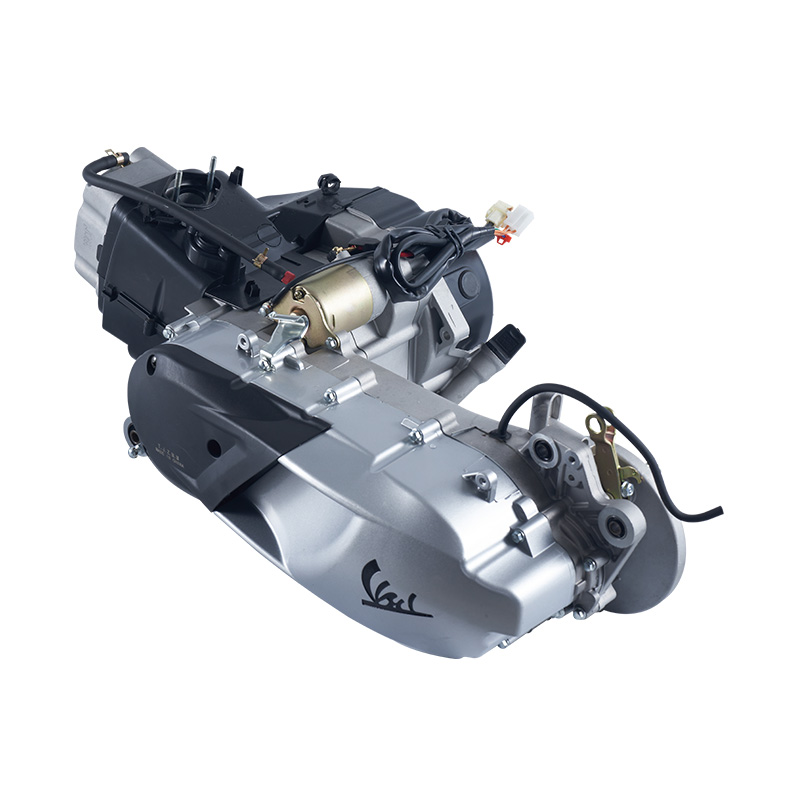
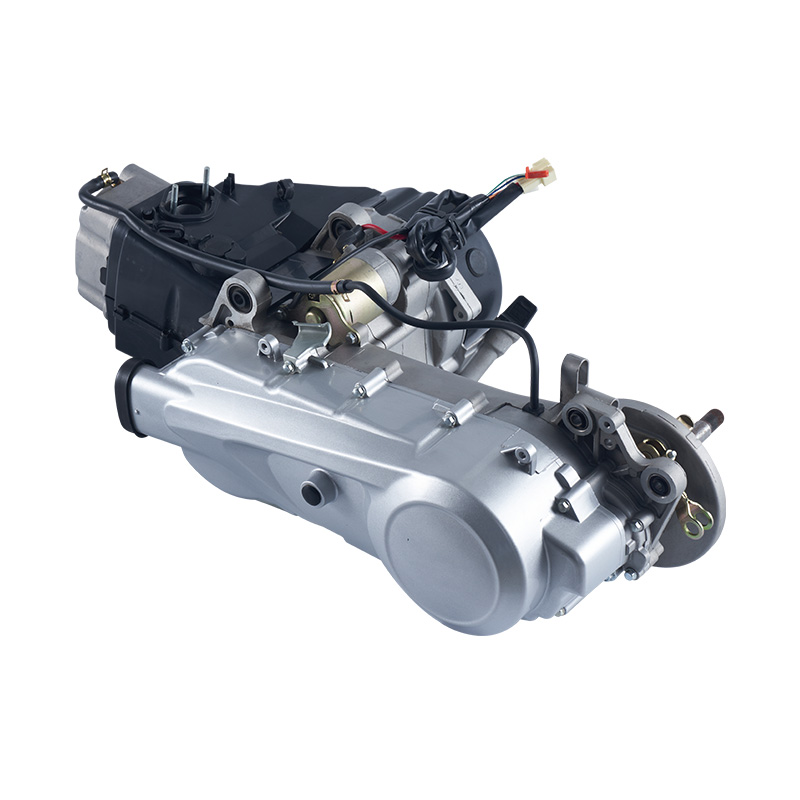
عربىNVX 4th 150cc Liquid-Cooled Electronic Fuel Injection High-Performance Scooter Motorcycle
The 4th Generation NVX 150cc, a high-performance liquid-cooled fuel-injected scooter motorcycle has been meticulous...
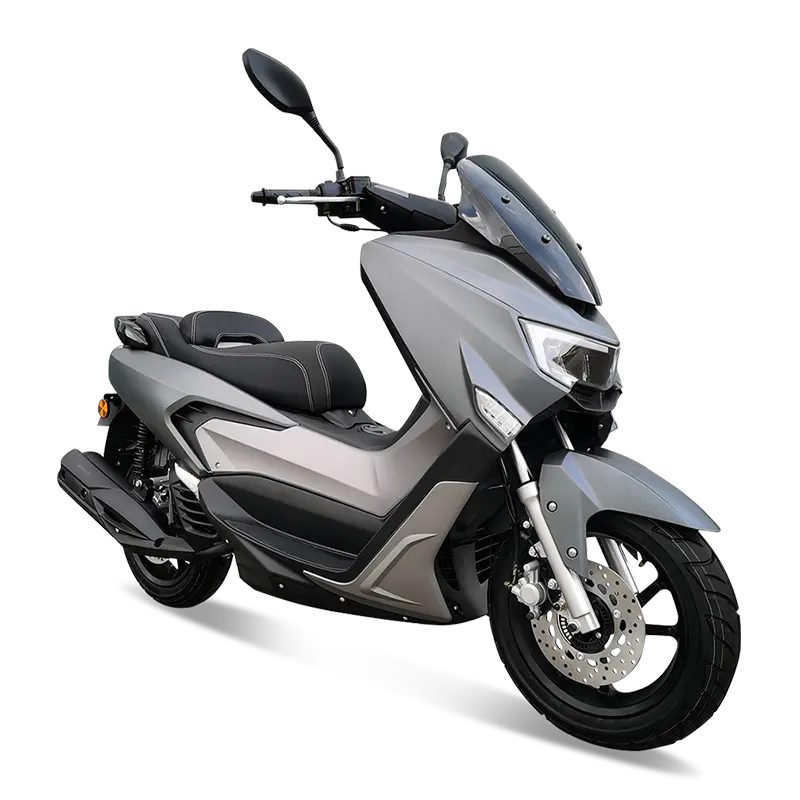
Sit at a red light next to a scooter rider, and you'll notice something different about how they take off compared to a motorcycle rider. There's no visible clutch action, no foot shifting through gears, just a smooth, steady roll forward as soon as the throttle opens. That simplicity comes down to the drivetrain, a part of the scooter that rarely gets discussed alongside body style or storage space, yet shapes almost every moment of actually riding one.
The drivetrain is what carries power from the engine or motor to the rear wheel. On most scooters people encounter day to day, that connection runs through an automatic system, which is really the defining trait separating a scooter's riding feel from a traditional motorcycle's.
A conventional scooter relies on an automatic transmission to manage the relationship between engine and rear wheel, without asking the rider to shift gears manually at any point.
That single feature accounts for a lot of what makes scooters feel approachable compared to a manual motorcycle. Where a traditional bike requires selecting gears based on speed and road conditions, a scooter hands that responsibility off entirely, leaving the rider mostly focused on throttle and brakes.
The basic flow of power looks like this:
Engine → Automatic transmission → Rear wheel
The engine generates the power. The transmission manages how that power actually reaches the wheel, adjusting automatically as speed changes. The wheel then converts that motion into forward movement.
| Drivetrain Part | What It Does |
|---|---|
| Engine or motor | Produces the energy needed for movement |
| Automatic transmission | Manages how that energy transfers as speed changes |
| Final drive | Links the transmission to the rear wheel |
| Rear wheel | Turns that transferred energy into actual road travel |
The internal engineering varies somewhat between models, but the basic principle stays consistent across most conventional scooters on the road.
City riding rarely stays steady for long. A rider might crawl through traffic, stop at a light, weave around a double-parked car, then accelerate again within a block. Asking someone to manually shift gears through every one of those moments would add real mental load to what's supposed to be a simple commute.
An automatic system removes that burden, letting the rider put more attention toward things that actually matter in traffic:
None of this means the rider gives up control. They're still actively managing speed and reacting to the road. The difference is that gear selection happens automatically in the background, rather than becoming one more task competing for attention during a busy ride through city streets.
Picture someone waiting at an intersection on their morning commute. Once the light turns and traffic clears, they twist the throttle gradually. Power moves through the transmission to the rear wheel, and the scooter pulls forward smoothly, no gear shifting required as speed builds.
A few blocks later, another light turns red ahead. The rider eases off the throttle and applies the brakes, and the scooter slows without any extra mechanical steps on their part. Once the light changes again, they simply reopen the throttle and the process repeats.
| Moment During the Ride | What the Drivetrain Does |
|---|---|
| Pulling away from a stop | Delivers smooth, gradual acceleration |
| Moving through traffic | Adjusts automatically as speed shifts |
| Slowing for a light or turn | Reduces drive as the rider eases off |
| Coming to a full stop | Disengages drive as needed |
| Starting up again | Resumes automatically once the throttle opens |
That entire cycle happening without manual gear changes is exactly why so many commuters find scooters comfortable for repeated stop-and-go trips through town.
Not entirely. While the automatic setup remains the most familiar arrangement, different scooter categories lean into different priorities depending on what they're built for.
A 125cc Scooter Motorcycle, often picked for daily errands and commuting, typically sticks with a straightforward automatic drivetrain tuned for stop-and-go city riding.
A Lightweight Scooter Motorcycle tends to focus on easy handling, useful for weaving through busy streets or tight parking situations where maneuverability matters more than raw power.
A Hybrid Scooter Motorcycle blends a combustion engine with an electric drive system, which changes how power actually reaches the wheel compared to a purely fuel-powered scooter.
A Gas Scooter Motorcycle relies on a standard fuel-powered engine, sending that energy through the drivetrain toward the rear wheel in the familiar way most riders expect.
Electric scooters work differently altogether, since the motor tends to drive the wheel more directly, without needing the same kind of transmission a combustion engine requires.
Anyone comparing these options benefits from thinking about intended use first, rather than assuming every scooter handles power delivery the same way.
A scooter's drivetrain plays a big role in how acceleration actually feels underneath a rider. The automatic setup common on conventional scooters delivers a fairly continuous, even feeling of forward motion, without the small jolts that come from clutch and gear coordination on a manual bike.
That matters most in situations involving a lot of stopping and starting. Someone riding through a downtown corridor with a series of closely spaced traffic lights benefits directly from not needing to coordinate manual shifts every single time they slow down and speed back up.
Comfort on a scooter isn't just about the drivetrain, though. Seating position, suspension quality, steering feel, and overall weight all factor into the experience too. The drivetrain is one piece of a larger system working together during every ride.
Buyers thinking through their options benefit from looking past the simple automatic-versus-manual label and instead considering how they'll actually use the scooter day to day.
A few practical questions help narrow things down:
Someone commuting through dense city streets every day will likely find an automatic drivetrain fits naturally into that routine. A rider who genuinely enjoys the mechanical engagement of shifting gears themselves might feel more at home on a different type of motorcycle altogether.
Anyone planning to ride on public roads should also check local rules around what qualifies as a Street Legal Scooter Motorcycle, since requirements vary by location and shouldn't be assumed without confirming first.
Cooling and drivetrain design both matter to how a scooter runs, but they're handling entirely separate jobs under the surface.
A Liquid Cooled Scooter, sometimes described as a Water Cooled Scooter, uses liquid circulation to help manage engine temperature during operation. That cooling process doesn't touch how the transmission itself works. It simply helps keep the engine running within a stable temperature range, which supports more consistent performance over time.
The drivetrain still handles its own separate task, moving energy from the engine to the rear wheel regardless of how that engine stays cool.
| System | What It Handles |
|---|---|
| Engine | Generates the energy driving the scooter forward |
| Cooling system | Keeps engine temperature within a workable range |
| Drivetrain | Moves that energy toward the rear wheel |
| Braking system | Slows or stops the scooter as needed |
| Steering system | Manages direction and control |
A scooter can absolutely combine liquid cooling with a standard automatic drivetrain, since these two systems are addressing completely different parts of how the vehicle operates.
For a Scooter Motorcycle Company, deciding on a drivetrain isn't a small detail buried in the specs sheet. It shapes who the scooter ends up appealing to and how well it performs in its intended setting.
A model built around daily commuting usually leans toward simple, low-maintenance automatic operation. A performance-focused scooter might prioritize different drivetrain characteristics entirely. An electric scooter requires a fundamentally different setup compared to anything running on fuel.
Space adds another layer of complexity here. Every scooter has to fit the engine or motor, drivetrain components, storage compartments, seating, and fuel or battery systems into a fairly compact body, which makes drivetrain layout a genuine engineering puzzle rather than a simple parts selection.
That layout decision ends up influencing:
Someone buying a scooter for personal use often focuses mainly on looks and price. Business buyers and distributors typically need to dig a bit deeper into the product as a whole.
A conversation with a Scooter Motorcycle Producer reasonably covers:
| What to Ask About | Why It's Worth Discussing |
|---|---|
| Drivetrain type | Clarifies what the actual riding experience will feel like |
| Intended application | Confirms whether the model fits the market it's meant for |
| Maintenance approach | Shapes what ongoing ownership actually involves |
| Replacement parts | Affects how easily the scooter can be serviced down the road |
| Local road requirements | Confirms the vehicle can legally operate where it's sold |
| Product support | Influences how smoothly a longer-term business relationship runs |
A Scooter Motorcycle Company supplying multiple regions also benefits from understanding local riding habits, since a drivetrain suited for dense city commuting in one market might not fit riders covering longer, more open stretches of road somewhere else.
Riders' expectations around convenience, fuel use, and urban mobility keep shifting, and scooter drivetrains are adjusting alongside those changes rather than staying frozen in one familiar setup.
Fuel-powered scooters still lean on the automatic arrangement most people already recognize. Meanwhile, hybrid and electric designs are introducing genuinely different ways of getting power to the wheel. A Hybrid Scooter Motorcycle combines two separate propulsion sources within a single vehicle, while a fully electric scooter often connects its motor more directly to the wheel system altogether.
Each of these approaches produces a noticeably different riding feel, even though the underlying goal stays the same across all of them: delivering controlled, manageable movement suited to however that particular scooter gets used day to day.
As scooter designs keep branching out in different directions, riders and buyers alike will likely run into more drivetrain variety than a single universal setup. Understanding what the drivetrain actually does, and how it shapes daily riding, makes it a lot easier to compare different Scooter Motorcycle Types based on how they'll genuinely perform in real, everyday use.
E-mail: [email protected]
Tel: +86-13806579227/+86-576-88011088
ADD: Hongjiachaiyang Industrial Zone, Jiaojiang District, Taizhou City, Zhejiang Province, China
China Scooter Motorcycle Manufacturer & Factory